Japan fishing is more than just a hobby. It is a blend of tradition, innovation, discipline, and deep respect for nature. From quiet mountain streams to bustling urban harbors and vast offshore waters, fishing in Japan reflects the country’s unique relationship with the sea and its seasonal rhythms.
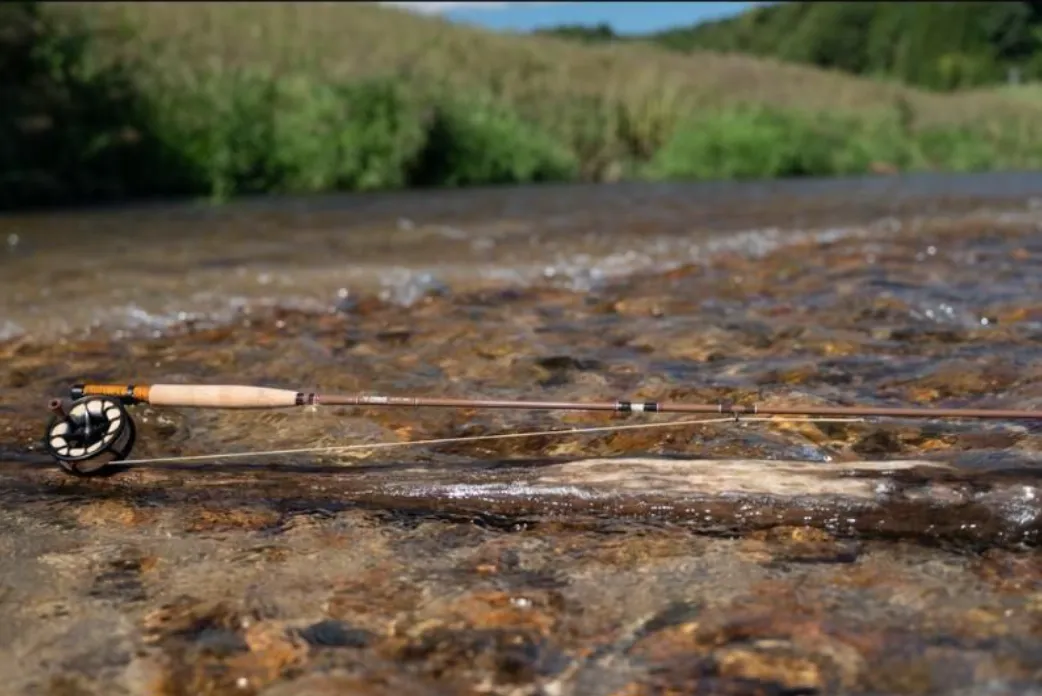
Fishing in Japan; Rooted in Nature, Refined by Generations
This guide is designed as a high-level introduction to Japan fishing culture, popular styles, and seasonal patterns. Rather than diving into technical rig setups or specific buying advice, it serves as a cultural and practical overview, with clear pathways to more detailed guides for anglers who want to explore each topic further.
Whether you’re planning a fishing trip to Japan or simply curious about why Japanese tackle and techniques are so highly regarded worldwide, this pillar guide will give you the context you need.
Fishing Culture in Japan
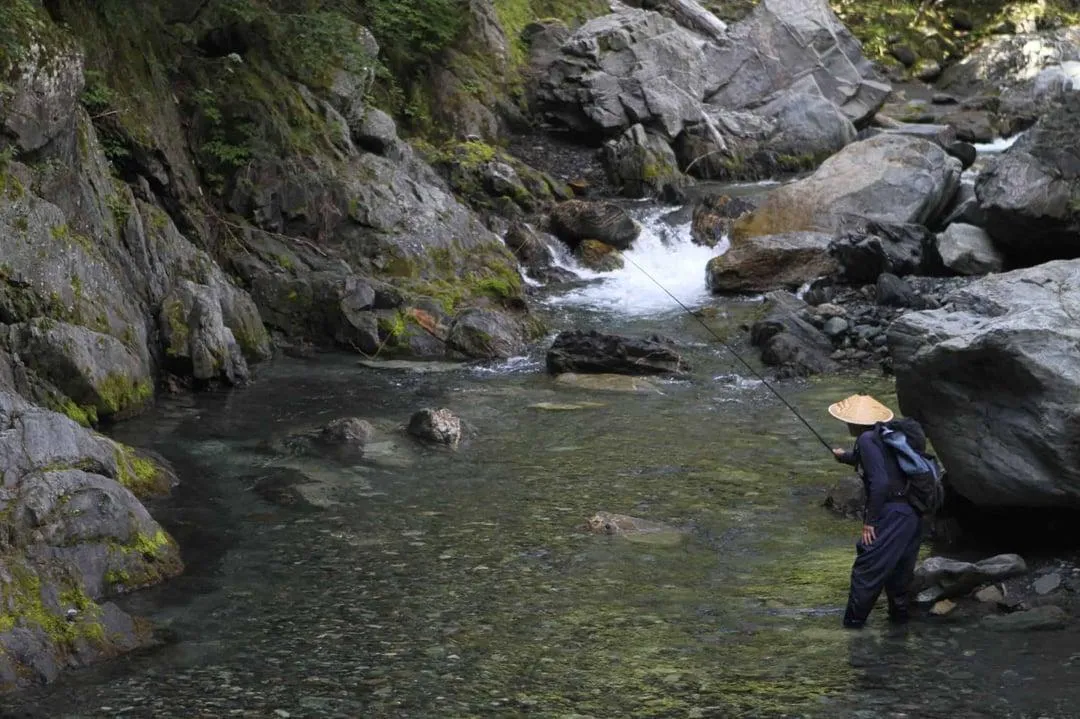 Image courtesy of Limp-Cardiologist-70 on reddit
Fishing as Hobby and Sport
Fishing in Japan sits at the intersection of leisure, sport, and tradition. While commercial fishing is historically central to Japanese society, recreational angling has grown into a major pastime enjoyed by people of all ages.
Urban anglers cast lines from Tokyo Bay piers before work. Families gather along rivers during summer festivals. Offshore charter boats head out at dawn in pursuit of tuna, yellowtail, and snapper. At the same time, specialized communities focus on bass fishing, squid fishing, or trout in carefully managed mountain streams.
Competitive fishing is also popular, particularly in bass tournaments and saltwater lure events. Precision casting, lure control, and subtle presentation are highly valued. The technical refinement seen in Japanese anglers is a reflection of the broader cultural appreciation for mastery and detail.
Respect for Nature and Precision
One of the defining features of Japan's fishing culture is respect. This goes for the environment, for other anglers, and for the fish themselves.
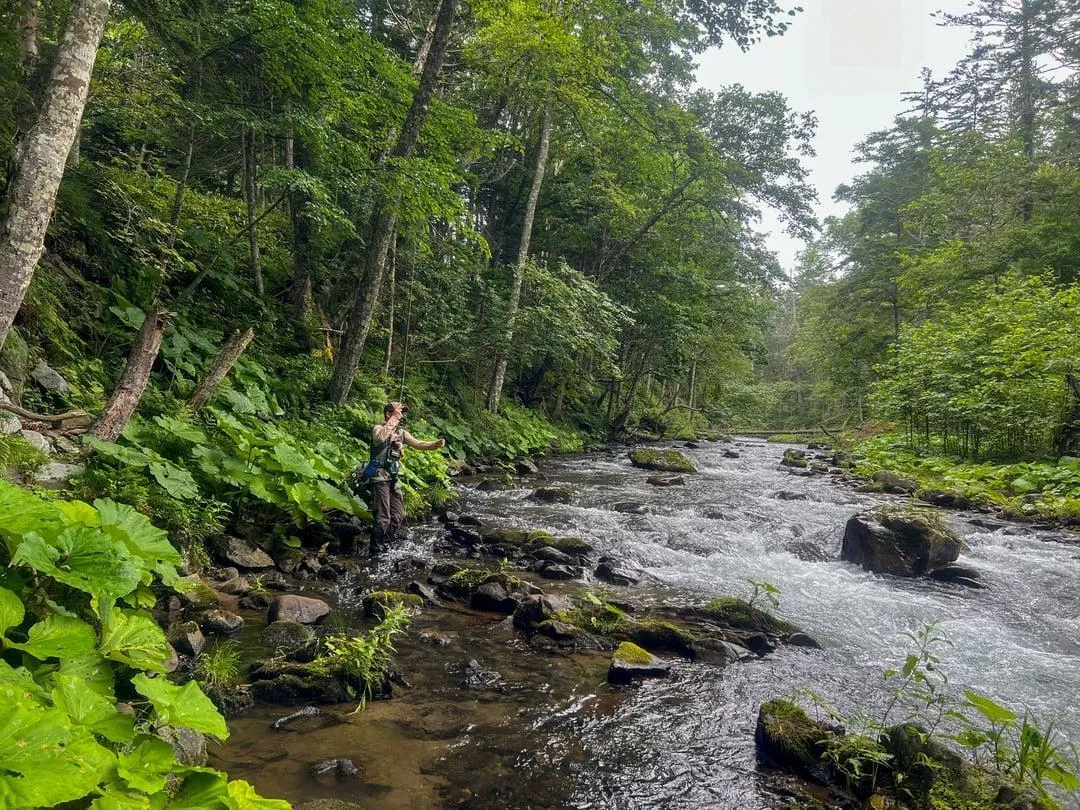 Image courtesy of soo on reddit
Cleanliness at fishing spots is taken seriously. Many anglers carry trash bags to collect not only their own waste but also debris left behind by others. Local rules are typically followed carefully, whether that involves size limits, seasonal restrictions, or specific gear requirements.
Precision is another hallmark. Japanese anglers are known for finesse techniques, ultra-light setups, and carefully selected lures that match baitfish size and seasonal conditions. Rather than overpowering fish, many approaches focus on subtlety and presentation.
This mindset has helped shape the global reputation of Japanese fishing tackle and technique.
The Catch & Release Mindset
While Japan has a strong culinary tradition tied to seafood, catch and release practices are widely embraced in certain recreational sectors, especially bass fishing and some trout fisheries.
Managed areas often encourage conservation through slot limits and seasonal protections. In urban sea bass fishing, many anglers release trophy-sized fish to preserve future stocks. This conservation-minded approach has become increasingly visible as environmental awareness grows.
Fishing in Japan therefore balances two traditions: harvesting fish for food and protecting ecosystems for long-term sustainability.
Popular Fishing Styles in Japan
Japan’s geography, mountainous interior, long coastline, deep offshore waters creates an extraordinary variety of fishing styles. Below is a brief overview of major categories, with links to deeper guides for each.
Eging (Squid Fishing) in Japan
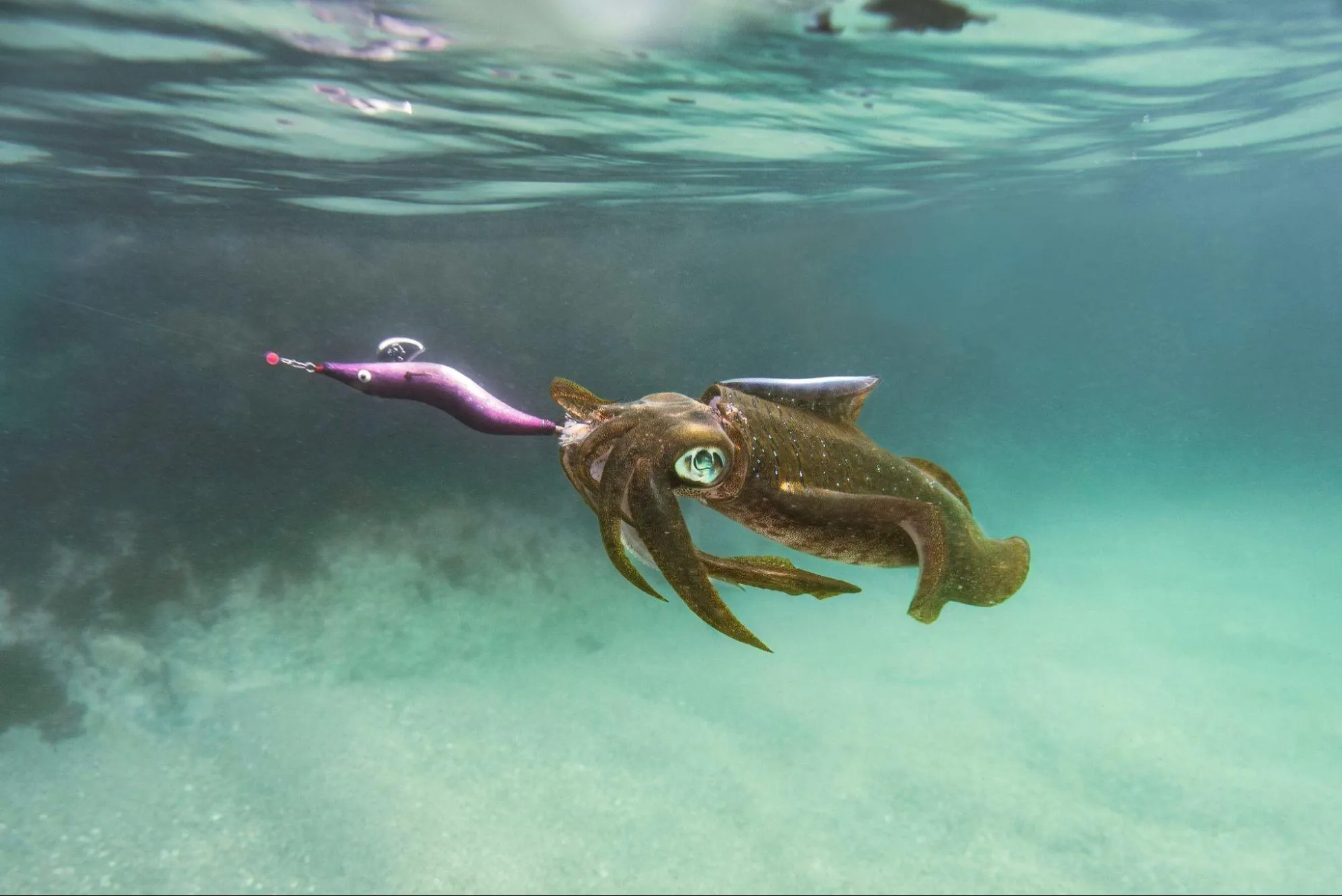 Image courtesy of Jaeyoon Jeong on Unsplash
Squid fishing, known in Japan as eging, is one of the most loved and recognizable styles of fishing in the country. Instead of using live bait, anglers cast shrimp-shaped jigs called egi to target Aori ika, or bigfin reef squid. It is easy to try for the first time, but it keeps anglers coming back because there is always more to learn.
You’ll often see people eging from rocky coastlines, harbor walls, and breakwaters, especially in the evening. It is an accessible style that does not require a boat, which makes it popular with both beginners and experienced anglers. Watching a squid follow your lure in clear water is part of what makes it so exciting.
Autumn is a favorite season for numbers, while spring is known for larger squid. Many anglers head out at sunset or fish under harbor lights after dark, when squid move closer to shore.
Japanese Bass Fishing Culture
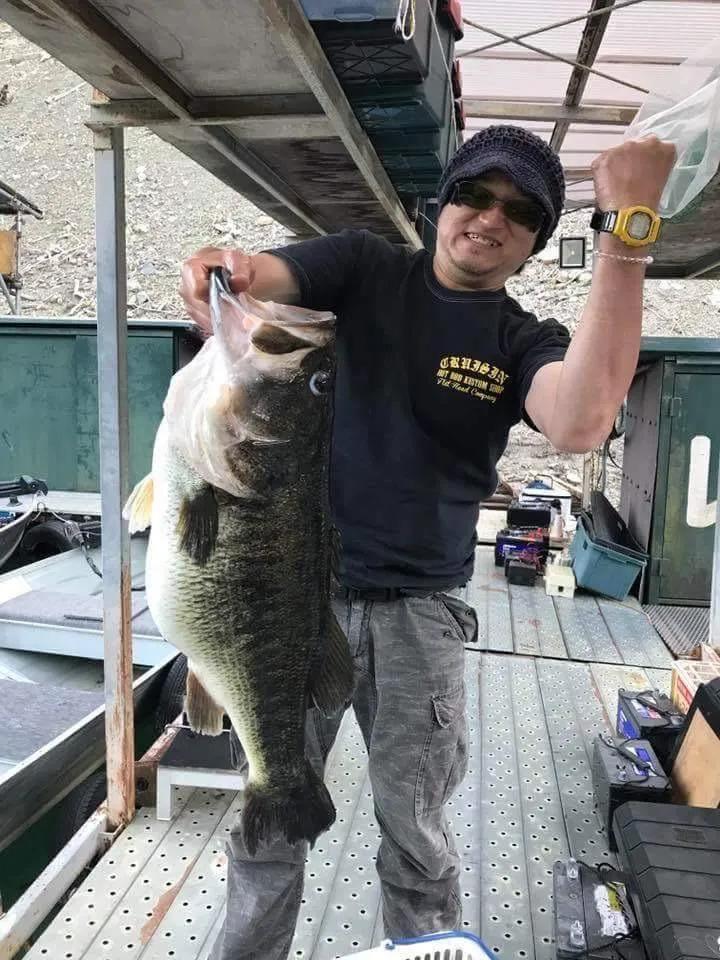 Image courtesy of 2000luisluis on Reddit
Black bass fishing in Japan is one of the most established and influential forms of freshwater fishing in the country. Introduced in the early 20th century, bass fishing has evolved into a major competitive sport and recreational pastime. Today, Japan bass fishing is recognized worldwide for its innovation, finesse techniques, and high-performance tackle development.
Lakes such as Lake Biwa are legendary destinations for black bass fishing in Japan. As the country’s largest freshwater lake, Biwa has shaped modern Japanese bass tactics and inspired many lure brands. Anglers travel from across Japan to experience its clear water, structure-rich shorelines, and reputation for trophy largemouth bass.
Japanese bass fishing is especially known for finesse bass techniques. Light line setups, spinning tackle, compact soft plastics, and ultra-realistic hard baits are commonly used to target pressured fish. Because many popular bass lakes in Japan receive consistent angling pressure, subtle presentations, slow retrieves, and precise casting are often more effective than aggressive power fishing. This environment has driven major advancements in bass fishing lures, rods, and reels that now influence anglers globally.
Bass fishing culture in Japan also includes organized bass tournaments, professional anglers, and strong connections between anglers and domestic tackle brands. For many enthusiasts, bass fishing in Japan is not only about catching fish, but about refining technique, understanding seasonal patterns, and mastering freshwater fishing strategy at a high level.
Shore & Sea Bass Fishing Techniques
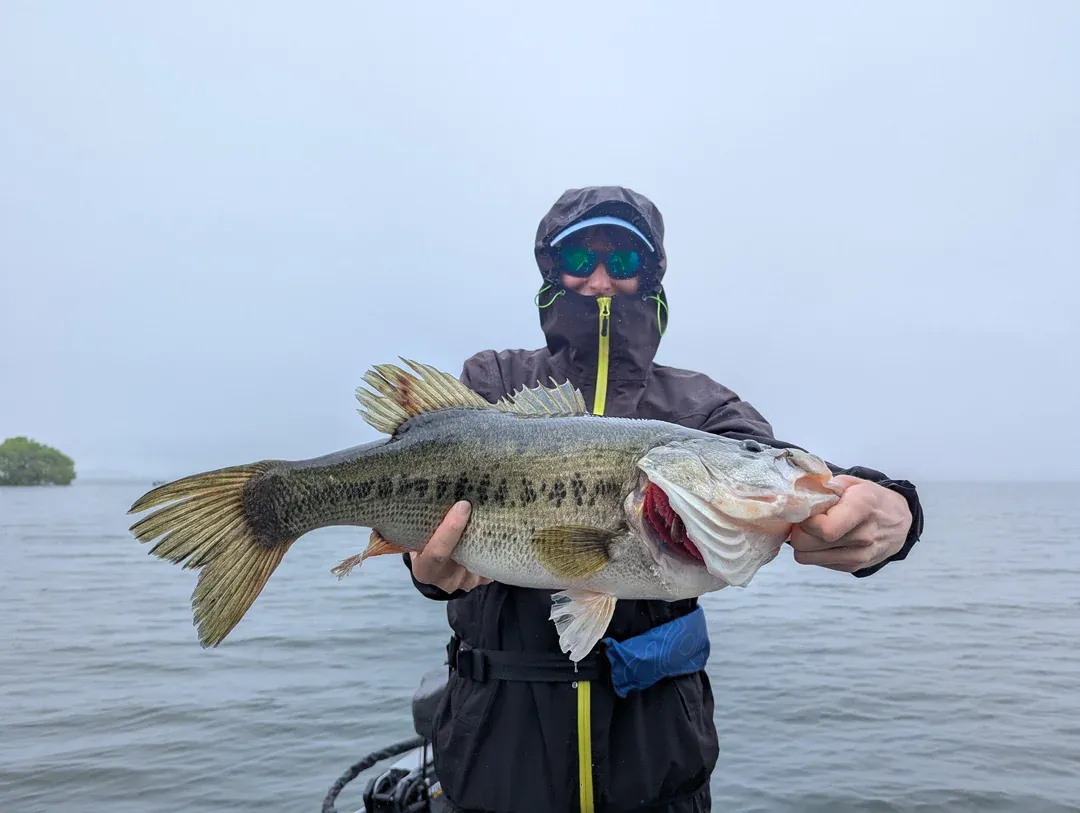 Image courtesy of UGG924 on Reddit
Urban shore fishing is one of the easiest and most exciting ways to experience fishing in Japan. Anglers target Japanese sea bass, known locally as Suzuki, from piers, river mouths, canals, and harbor walls, often just steps away from busy city streets. In places like Tokyo Bay or Osaka’s waterfront, you can step off a train and be casting within minutes.
Sea bass fishing combines convenience with just enough technical challenge to keep things interesting. Most anglers use light spinning tackle and focus on careful casting along seawalls, bridge pilings, and current lines where baitfish gather. Paying attention to tides and timing can make all the difference. Many fishers plan short sessions around sunrise, sunset, or periods of moving water.
Because these urban spots see regular pressure, subtle presentations tend to work best. A steady retrieve, natural lure colors, and quiet movement often outperform aggressive tactics.
What makes this style special is the atmosphere. Skyscrapers rise in the background, city lights reflect on the water, and anglers work their lures calmly at dawn or late at night. It is a uniquely Japanese experience, where modern city life and wild coastal ecosystems exist side by side.
Jigging & Offshore Fishing
Japan’s surrounding waters are deep and nutrient-rich, supporting powerful species such as yellowtail (hamachi), amberjack, tuna, and snapper.
Offshore jigging uses metal jigs dropped vertically and worked through the water column to trigger aggressive strikes. Variations like slow-pitch jigging were refined in Japan and have since spread worldwide.
Charter boat culture is well-developed, with organized fleets departing daily from coastal ports across the country.
Fishing Seasons in Japan
Seasonality shapes every aspect of Japan fishing. The country’s four distinct seasons strongly influence fish behavior and angler strategy.
Spring
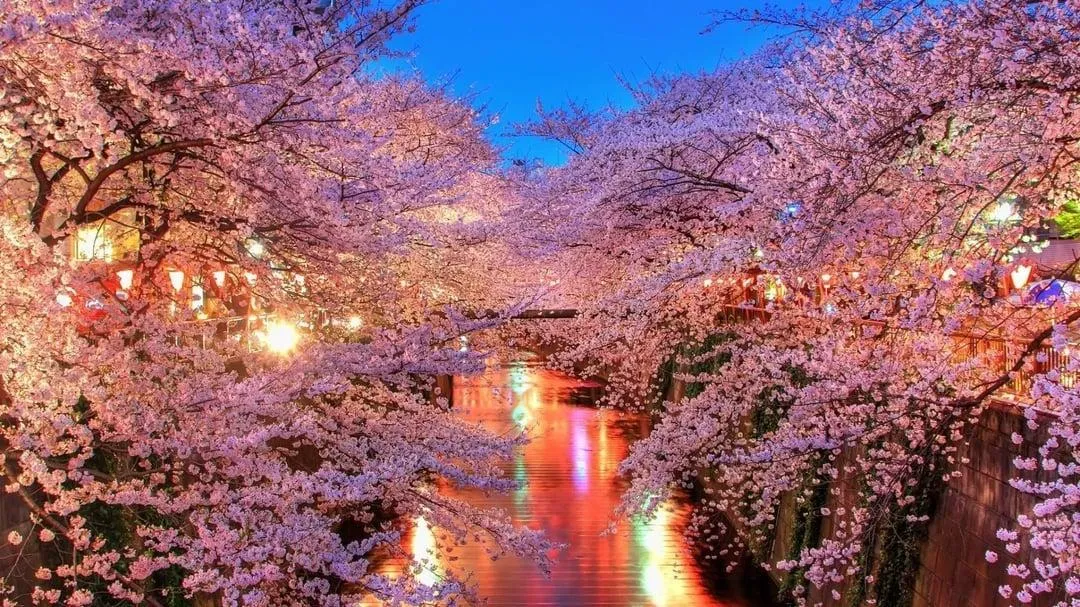 Image courtesy of Reddit
Spring marks renewal. As water temperatures rise, many species become more active after winter’s slowdown.
- Bass move into pre-spawn and spawn phases.
- Sea bass feed aggressively in estuaries.
- Squid seasons begin to shift depending on region.
Cherry blossom season often overlaps with early spring fishing, creating scenic and culturally significant outings.
Summer
Summer brings warm water, active fish, and nighttime fishing opportunities.
- Squid fishing is popular in certain coastal regions.
- Offshore pelagics become more accessible.
- Mountain stream fishing peaks for trout and char.
Early mornings and evenings are favored to avoid midday heat.
Autumn
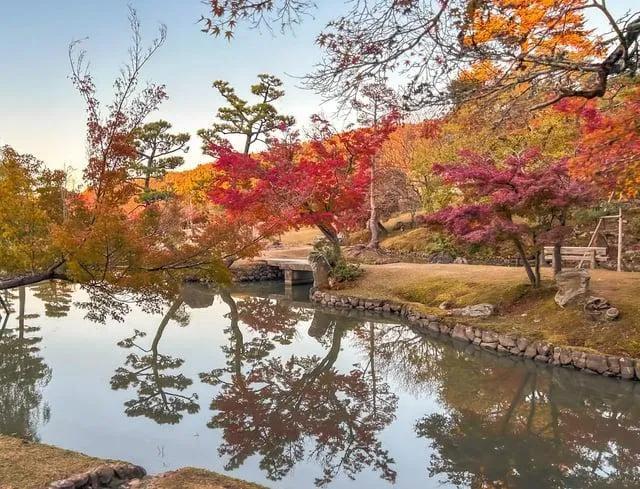 Image courtesy of Jazzlike-Garden-9751 on Reddit
Autumn is widely considered one of the best seasons for fishing in Japan.
- Predatory fish feed heavily before winter.
- Sea bass fishing improves with baitfish migration.
- Offshore jigging yields strong results.
Crisp weather and stable conditions make this a favorite time for both beginners and experienced anglers.
Winter
Winter fishing requires adaptation but offers unique rewards.
- Certain squid species thrive in cooler water.
- Deep-water jigging remains productive.
- Fewer crowds mean quieter fishing environments.
Cold-weather gear and precise technique become especially important during this season.
Understanding seasonal transitions is key to successful Japan fishing, and many anglers plan their target species around these natural cycles.
High-Quality Japanese Fishing Gear: Innovation & Precision
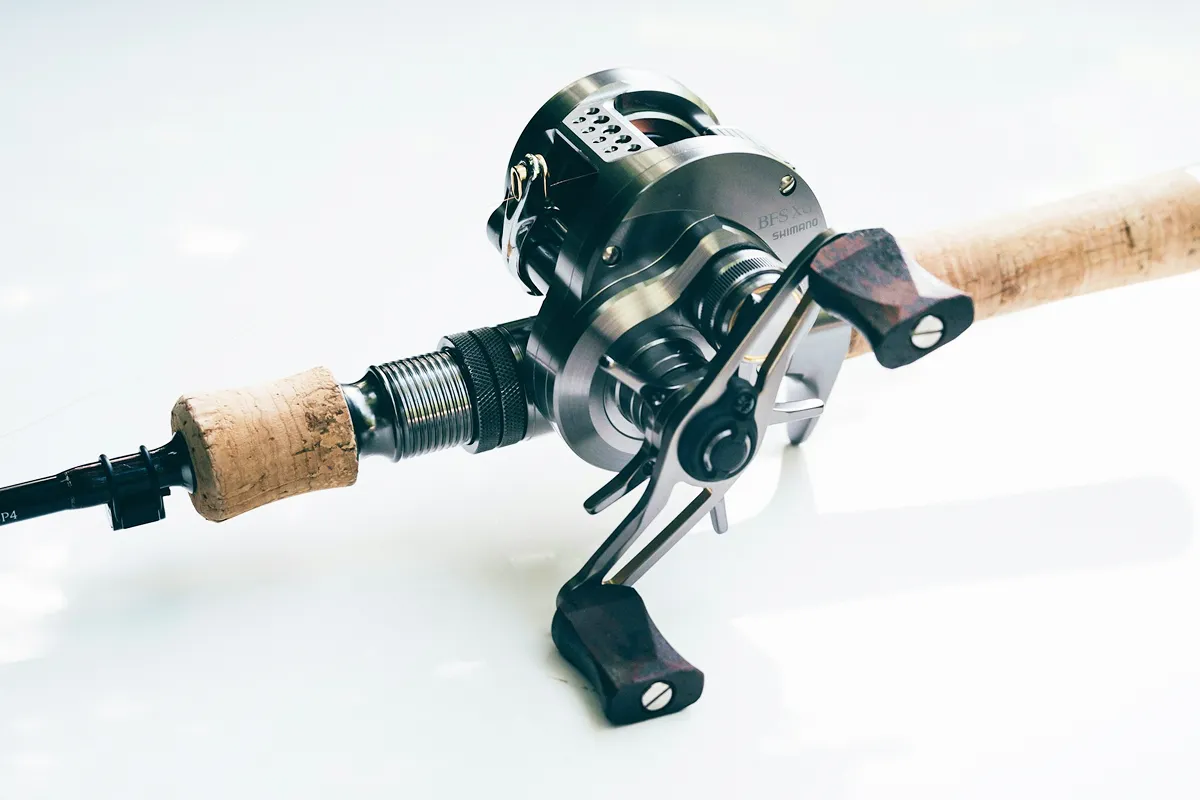
Japan’s global influence on fishing gear is difficult to overstate. From rods and reels to highly specialized lures, Japanese manufacturers are known for innovation, refinement, and attention to detail.
Rather than covering specific buying advice here, we’ll outline why Japanese tackle is so respected and where to learn more.
Why Japanese Fishing Gear Is So Highly Regarded
Japanese tackle is often recognized for its thoughtful design and technical performance. Anglers around the world associate it with advanced materials that reduce weight while maintaining strength, precision engineering that improves smoothness and balance, and highly realistic lure finishes that closely imitate natural prey.
Another defining feature is specialization. Rather than producing general-purpose gear, many Japanese brands design equipment around specific techniques such as eging, finesse bass fishing, slow-pitch jigging, or urban sea bass. This focus on niche performance leads to constant innovation, much of it driven by competitive anglers who demand measurable improvements.
You can also explore more detailed guides for individual categories:
These guides provide more technical depth beyond the scope of this overview.
How to Buy Fishing Gear from Japan
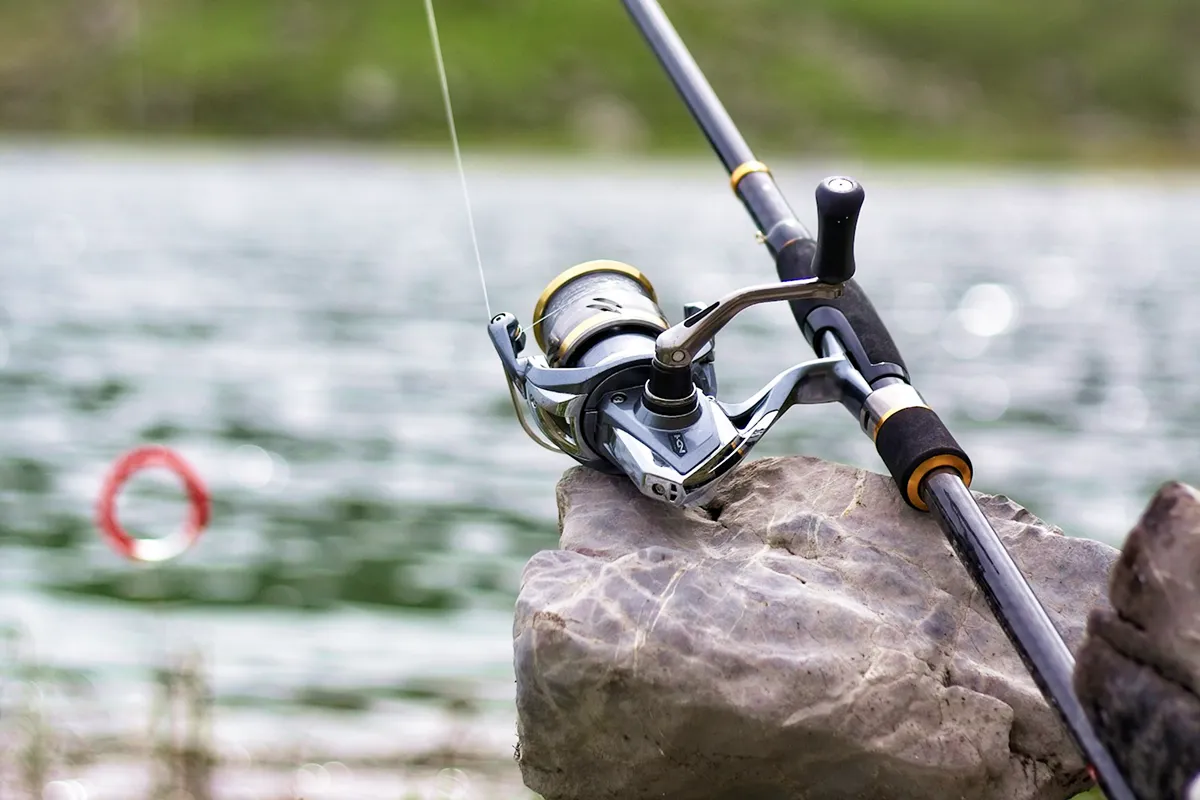
Japan fishing culture has influenced anglers worldwide. As a result, overseas demand for Japanese tackle has grown significantly.
Why Overseas Anglers Buy from Japan
Anglers outside Japan often look to the Japanese market for products that are difficult or impossible to find locally. This includes exclusive domestic-market models that are released only in Japan, as well as early access to new tackle before it reaches international distribution.
Many are also drawn to limited-edition lures, seasonal colorways, and collaboration items that never appear in global catalogs. In addition, Japanese retailers frequently carry highly specialized gear designed for specific techniques, offering a level of refinement and variety that is not always widely available overseas.
For more details, check out these articles:
Best Online Stores to Find Japanese Fishing Gear
Japan is home to a wide range of specialized fishing retailers, from massive online outdoor stores to niche shops focused on reel tuning, trout gear, or saltwater lures. Each retailer has its own strengths, product focus, and selection of Japanese Domestic Market items.
If you’re buying from overseas, ZenMarket provides a simple way to access these stores, and the guides below explain how to purchase from each retailer using the platform step by step.
Shopping Japanese Fishing Gear with ZenMarket
The Spirit of Japan Fishing
Japan fishing is shaped by geography, seasonality, discipline, and creativity. It blends centuries-old maritime heritage with cutting-edge tackle design. It values both harvest and conservation. It thrives in quiet mountain streams and beneath neon-lit city skylines.
For newcomers, the variety can feel overwhelming. But at its heart, fishing in Japan is about observation, for example reading tides, understanding seasons, and refining technique over time.
This guide serves as your starting point. From here, you can explore specialized articles on squid fishing, bass tactics, jigging methods, and Japanese tackle selection. Each style reflects the broader philosophy that defines Japan fishing: precision, respect, and continuous improvement.
Wherever you cast your line, in Japan or beyond, understanding this cultural foundation adds depth to every strike.
Don't have a ZenMarket account yet?
Sign up