Winter squid fishing can be brutal when the water cools and the days shorten. Spots that produced well in autumn suddenly go quiet, and many anglers are left wondering which squid fishing techniques or Japanese fishing lures still work once the temperature drops.
As water temperature falls, squid:
-
Become less aggressive and more cautious
-
Often move deeper or closer to structure
-
Shorten their feeding windows and react more slowly
If you keep fishing the same way you did in warm months, you will miss a lot of opportunities. In this guide you will learn practical winter squid fishing techniques, how to choose the best lure colours, how deep to fish, how to use tides and moon phases to your advantage, and how to pick high quality Japanese fishing lures from shops like Morinoie Brook and Fishing Max.
Squid Fishing Techniques For Cold Water
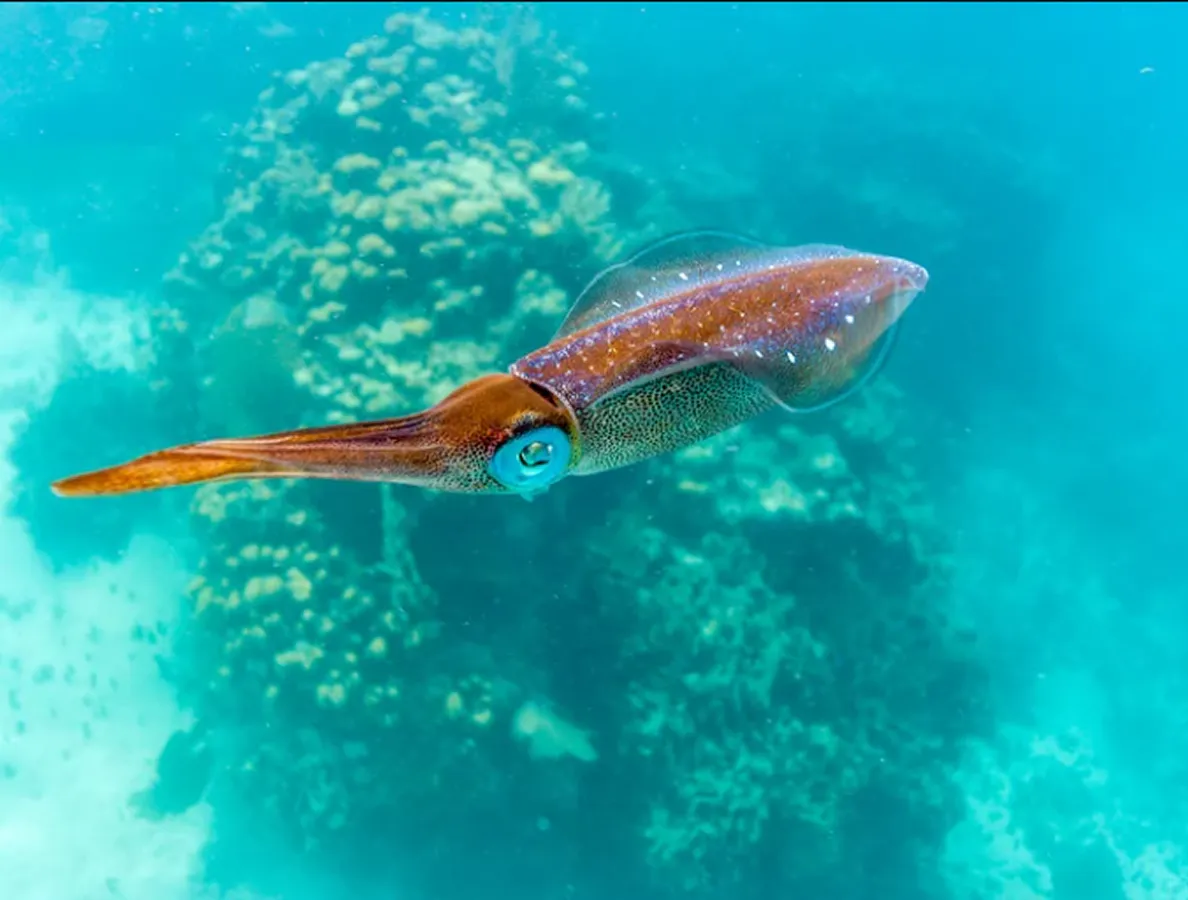
In cold water you need to adjust three main elements of your squid fishing techniques:
-
Lure colour and visibility
-
Working depth and retrieve speed
-
Timing your sessions with tide and moon movement
The following three techniques focus on those factors so you can stay consistent through winter, even when overall squid activity is low.
Technique 1: Choose The Best Lure Colours For Winter Squid
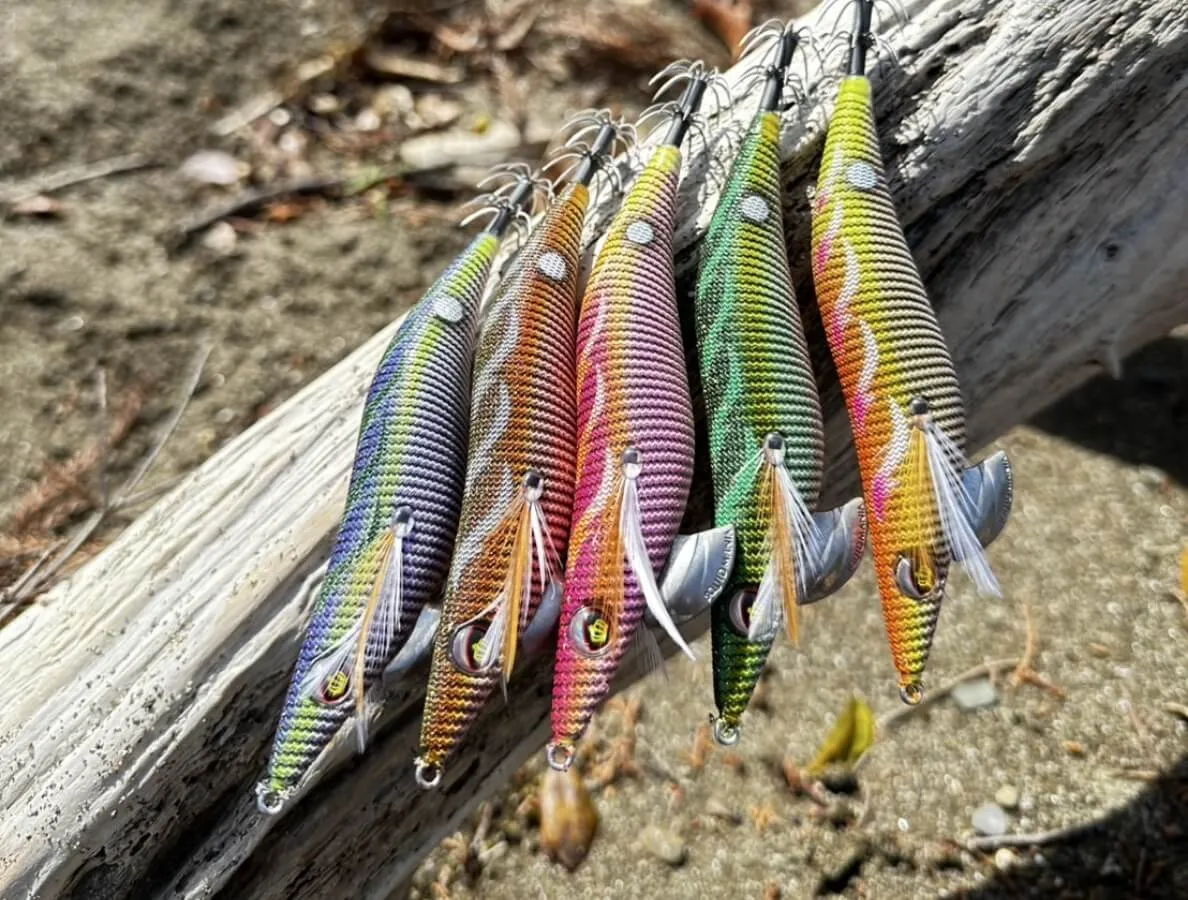
In winter conditions, squid often become less aggressive and more cautious. The water temperature drop slows their metabolism and they may feed less actively, meaning visuals and subtle colour cues become more important. Choose lures whose colours contrast with the background and are easily perceived in low‑light, colder water.
- Use brighter or more fluorescent colours (white, chartreuse, bright pink) which stand out in murky winter water.
- Alternatively, when the sky is grey and water clarity is still good, more natural hues (grey, light blue, translucent) can work better because they look less “artificial.”
- If you’re fishing from a Japanese‑market shop like Morinoie Brook, browse their “ソルトルアー” (saltwater lure) section for high‑visibility options.
- FishingMax (in Japan) often stocks squid‑jig colours optimized for Japanese eging; even if you buy internationally, pay attention to the colour naming from those brands.
Tip: When changing colour, keep all else constant (same lure size, same depth) so you can isolate the effect of colour. In winter, keep trying new colours until you find what’s prompting a reaction.
Technique 2: Adjust casting depth for low activity
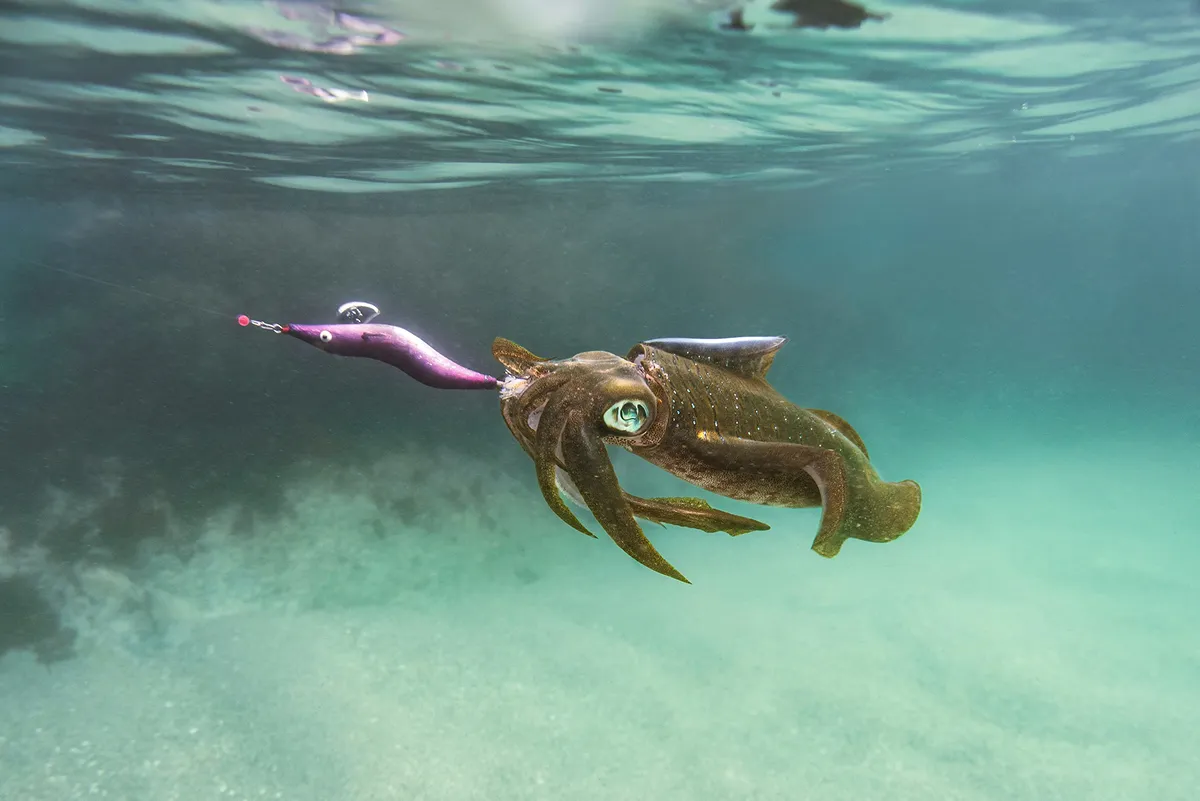
When water cools, many squid shift to deeper zones (or more sheltered structure) and may sit more passively rather than aggressively chasing your lure. To compensate, you need to adjust your casting depth and working method.
- Instead of only casting shallow or targeting surface “chases,” allow your lure to sink longer and target deeper water (just above the seabed or near structure).
- Use slower jigging or twitching intervals: in colder water the squid’s reaction time slows, so a fast, aggressive retrieve may actually deter them.
- Experiment by starting with a moderate depth cast, then let the lure drift/sink 3‑5 seconds extra, pause, then twitch. If still no activity, increase the pause and let the lure sit.
- Don’t neglect areas near drop‑offs, ledges or deeper structure even if you’re used to fishing shallows. The seasonal behaviour shift means what worked in warmer months might not now.
For store integration: at Morinoie Brook you’ll find a wide selection of lures and gear suited to varying depths and techniques. When choosing gear, opt for jigs with enough weight to reach deeper quickly, but still controllable in your rod setup.
Technique 3: Use Tides And Moon Phases To Your Advantage
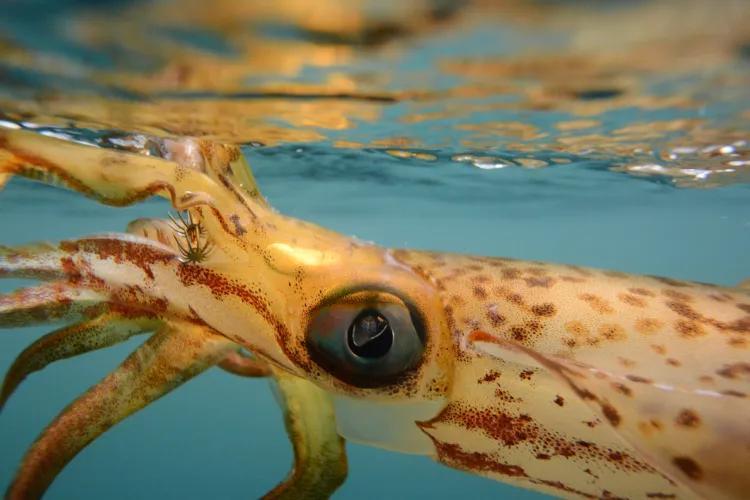
Even in winter, tide and moon phase matter—maybe more so, because the overall squid activity is reduced and you want every advantage. Squid are sensitive to both water movement and ambient light, so selecting your session timing can significantly improve success.
- Tides: Generally, incoming tide (flood) is more productive as water moves food and small creatures, drawing squid into feeding zones. In colder water, even small increments of current help trigger movement. So plan your session around the start of flood tide or near when the tide begins to move.
- Moon phases: Moonlight (or lack thereof) affects ambient light and water pressure, both of which influence squid behaviour. For example, around new moon (darker nights) squid may stay closer to structure and feed more conservatively. Around full moon, ambient light is greater which may push them to deeper or more sheltered zones. Adjust accordingly: if it’s a bright moon night, focus deeper; if dark moon, you might take advantage of reduced light near structure.
- Time of day: Even in winter, dawn and dusk still tend to be active windows for squid. Arrive slightly before dusk and fish the initial darkness; similarly fish the early hours of dawn if feasible. The change in light can trigger squid movement.
By integrating tide and moon phase timing into your planning you raise the odds of being in the right zone at the right time rather than fishing randomly.
Best Japanese Fishing Lures For Winter Squid
Japan is known for highly refined squid jigs and saltwater lures, and many of them are optimised for cold water or deep water use. If you want to make the most of your winter squid fishing sessions, focus on lures with the following traits:
-
Compact bodies that still carry enough weight for deep fishing
-
Cloth or finish that maintains good action even with small rod movements
-
Colour patterns that combine contrast with realism, such as glow bellies plus natural backs
One standout Japanese squid jig for deeper winter situations is the MARUKYU Egilee Dartmax TR 40g-BK.
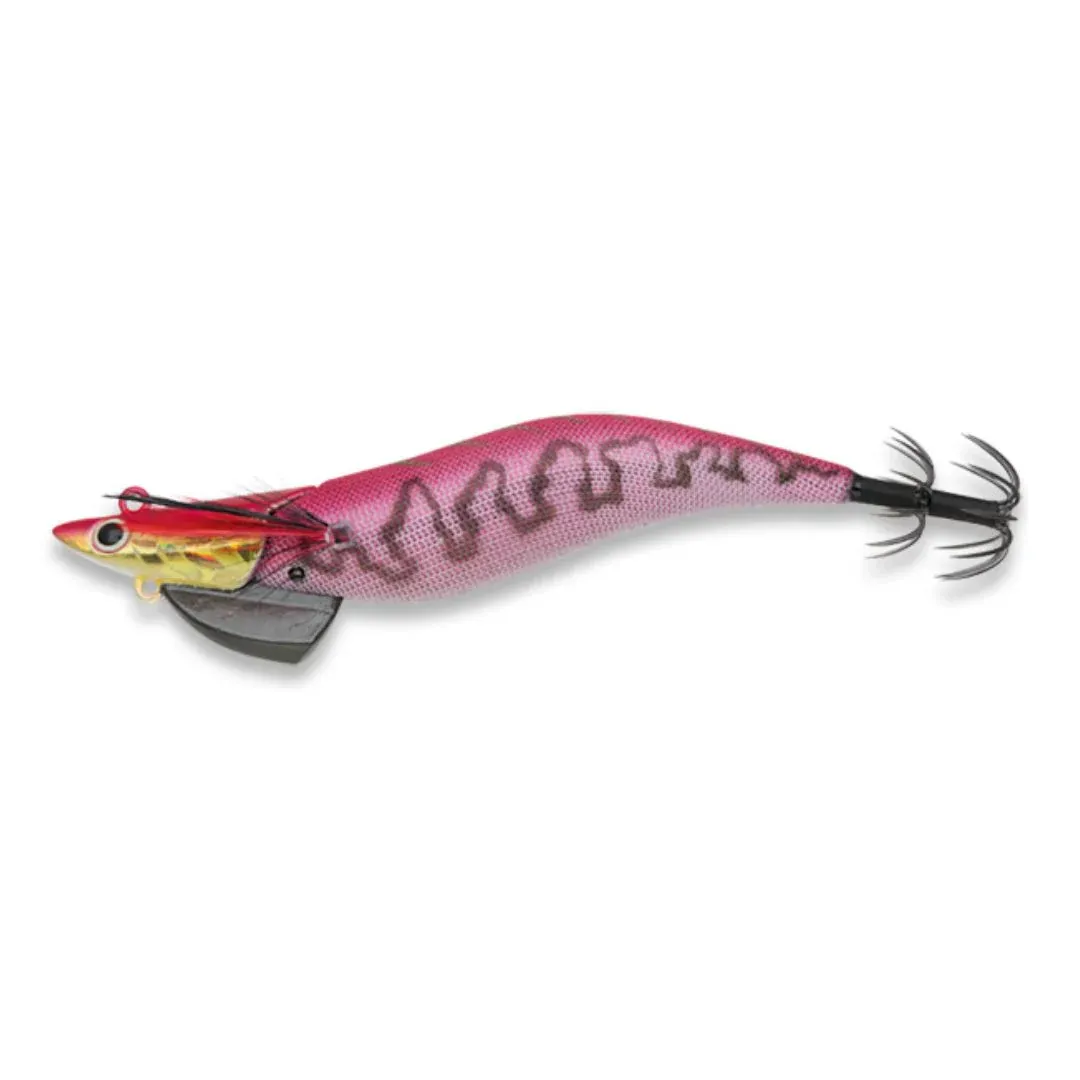 MARUKYU Egilee Dartmax TR 40g-BK
This model is designed specifically for boat eging in deeper or high current areas. It features a fabric free head that reduces water resistance and a weight forward design that reaches the bottom quickly without sacrificing control. Although the body is a standard 3.5 size at about 110 mm, the 40 g weight lets you maintain contact and feel even with a gentle lift.
The signature Dartmax side to side action remains sharp and attractive even when you work it slowly, which is ideal for sluggish or pressured squid in cold water.
Use this jig with:
-
A sensitive tipped eging rod
-
Fine braid to cut through current and keep a direct feel
-
Colour patterns suited to your water clarity, such as bright or glow options for deep or dirty water, and more natural tones for clearer evenings
As a backup, consider a small range of Japanese squid jigs in two or three weight classes, so you can adjust to both shallow and deep spots in a single session.
Find more Japanese Fishing Lures!
Bonus: Want To Chase Something Bigger?
If you are out on a winter squid fishing trip and notice pelagic activity nearby, it can be fun to switch targets briefly.
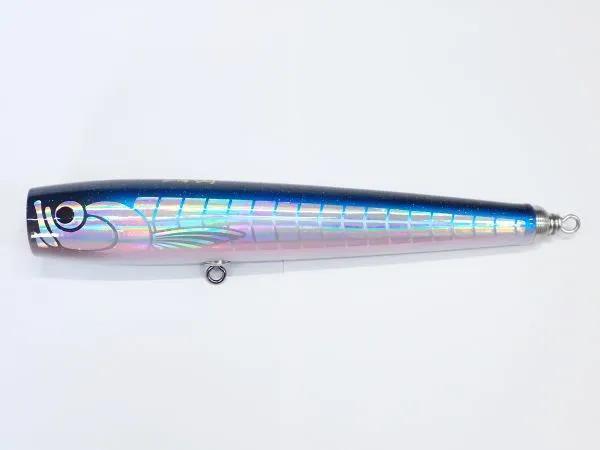 Souls Beat Wood Series – “Shibiyama” Blueback
The Souls Beat Wood Series pencil lure, in the Shibiyama colour, is a handcrafted wooden lure designed for tuna fishing in pressured or low activity conditions. It delivers sharp action with minimal rod work and holds a stable posture during swim and pause, which is where many strikes occur. When rigged with sturdy hooks and split rings, it becomes a useful option for chasing tuna or large blue runners if the squid suddenly go quiet.
Pair this lure with one of the matching Souls tuna rods often highlighted by Japanese tackle shops such as Morinoie Brook, and you can turn a slow squid session into a memorable mixed species day.
Discover Saltwater Lures on Morinoie Brook
Recommended Gear And Japanese Tackle Stores
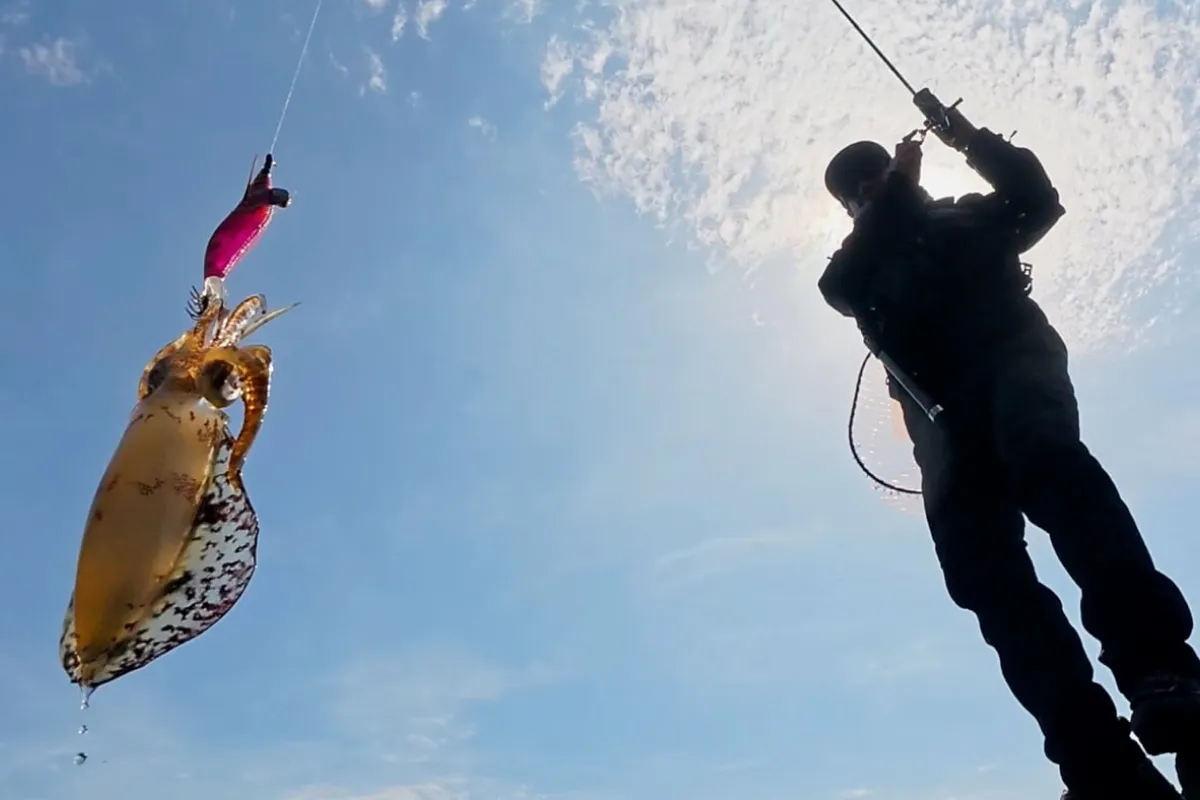
To put these winter squid fishing techniques into practice you need reliable gear. Japanese tackle shops are an excellent source of squid specific equipment that has already been tested by local anglers.
1. Rod And Line
-
Length: Around 7 to 8.5 feet for a good balance of casting distance and control
-
Action: A sensitive tip to detect light winter bites, with a moderate backbone so you can work sharp darts without fatigue
-
Line: PE braid in the 0.6 to 0.8 range, paired with a suitable fluorocarbon leader
This combination gives you enough sensitivity for deep jigs while still allowing accurate casting and easy bite detection.
2. Clothing And Safety
Winter conditions challenge both squid and anglers. Make sure you are equipped with:
-
Layered clothing and waterproof outerwear
-
Insulated gloves that still allow finger movement for delicate rod work
-
Non slip footwear suitable for wet jetties, rocks or boat decks
Staying warm and secure lets you focus on lure control and bite detection instead of the cold.
3. Where To Buy Japanese Fishing Lures Online
If you want the same Japanese fishing lures and squid jigs that local anglers use, these specialist stores are a great starting point:
-
Morinoie Brook
Known for a wide selection of squid jigs, Japanese eging rods and saltwater lures. A good place to look for depth rated squid jigs and winter color patterns.
-
Fishing Max
A popular Japanese chain that often stocks limited color squid jigs and seasonal winter gear. Useful for discovering models that have already proven themselves in real Japanese conditions.
-
Squid Mania
A squid focused brand that specializes in eging gear and high performance squid jigs. Ideal if you want dedicated squid lures in a wide range of sizes and colors designed specifically for serious squid anglers.
Use these shops as reference points, even if you buy through a proxy or international service. Their lineups show which Japanese fishing lures, colors and weights are trusted for winter squid fishing.
💡Also Read: Japanese Squid Fishing Guide: Best Rigs & Lures by Squid Mania
Conclusion: Putting Your Winter Squid Fishing Plan Together
Winter squid fishing does not have to mean fewer catches. Once you understand how cold water affects squid behaviour, you can adapt your squid fishing techniques and turn tough conditions into an advantage.
-
Choose lure colours that make sense for low light and winter clarity
-
Adjust your casting depth and slow your retrieve to match deeper, less active squid
-
Time your trips around incoming tides, key moon phases and low light windows
Combine these fundamentals with high quality Japanese fishing lures and gear from specialist stores like Morinoie Brook and Fishing Max, and you will be fishing with the same tools that local experts rely on. If you use an international service such as ZenMarket, it becomes easy to order limited edition squid jigs, winter tuned lures and seasonal clothing direct from Japan.
Pay attention to the conditions in front of you, keep experimenting with depth and colour and stay flexible with your timing. Do that consistently and you will be ready to outsmart even the pickiest winter squid.
💡Also Read: How to buy from Recommended Stores?
Have you signed up for ZenMarket yet?
ZenMarket is the place to get your hands on goods directly from Japan!
Sign up now!