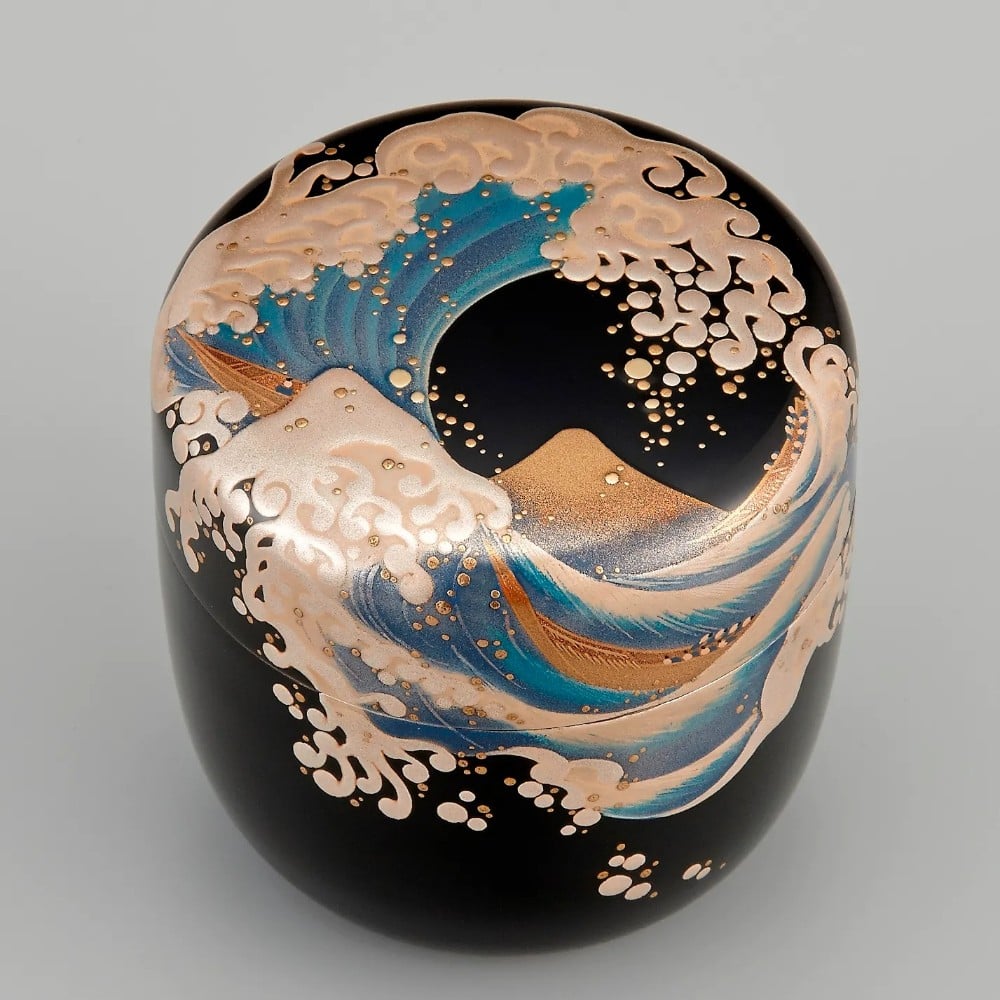
The ancient art of Japanese lacquerware ranks among the most intricate and refined of East Asian crafts. While the beauty and elegance of Japanese lacquerware – known in Japan as urushi – can immediately be understood by all, the staggering degree of skill and hard work that goes into producing high-end lacquerware can be fully appreciated only by those who know something of the laborious process behind it.
So precisely what is lacquerware? How is it made? And just what’s it got to do with the lacquer sold in your local hardware store? These are merely a few of the questions we’ll be answering with this in-depth guide to urushi lacquerware.
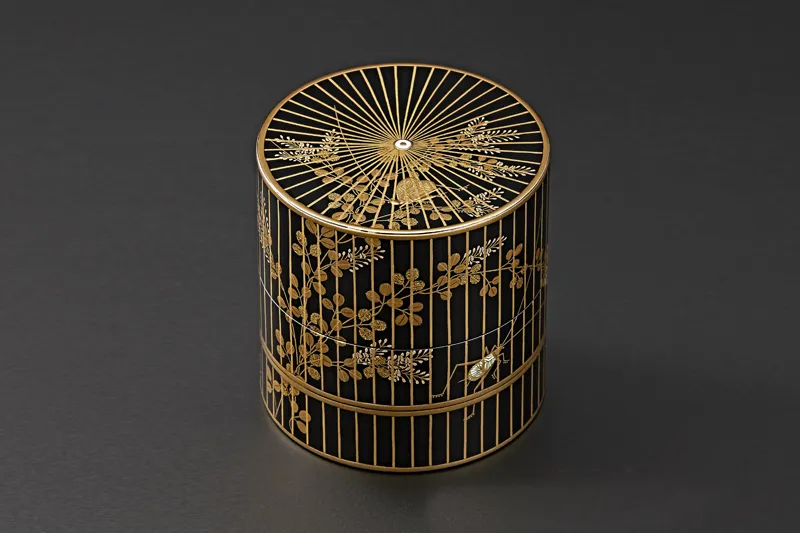
And for those looking to get their hands on authentic Japanese lacquerware items themselves, rest assured that we’ll also be recommending where to buy urushi lacquer products of the absolute highest quality.
So whether you’re a fan of Japanese traditional crafts, or simply a home decor or design enthusiast, read on to find out everything you need to know about Japanese lacquerware!
First, though, we need to gain a firm understanding of precisely what is, and isn’t, urushi lacquerware.
What Is Japanese Lacquerware?
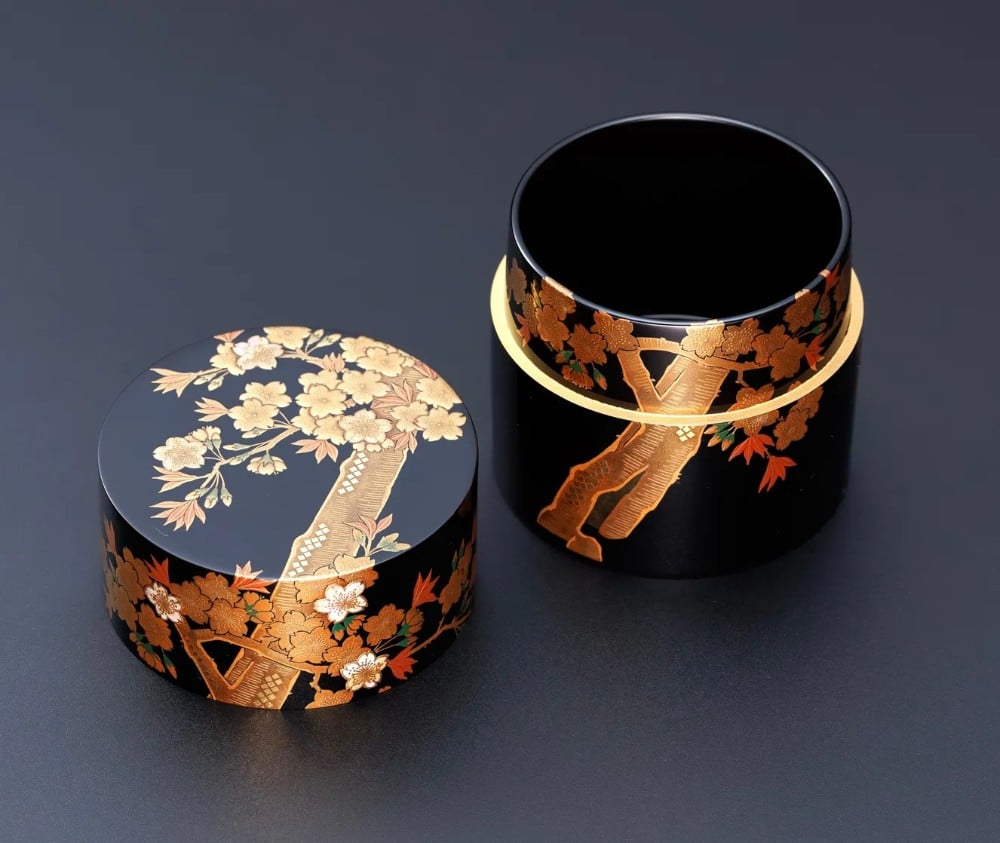
Lacquerware is any item created by applying multiple layers of natural lacquer to a solid base. It’s a technique used to create all manner of objects, both decorative and more practical; from simple tableware through to tea-caddies, tobacco-smoking paraphernalia, jewelry boxes, and even samurai armor. These durable and often highly decorative items have been part of both Japanese daily life and high ritual for many centuries.
That’s all very well, but what exactly is lacquer?
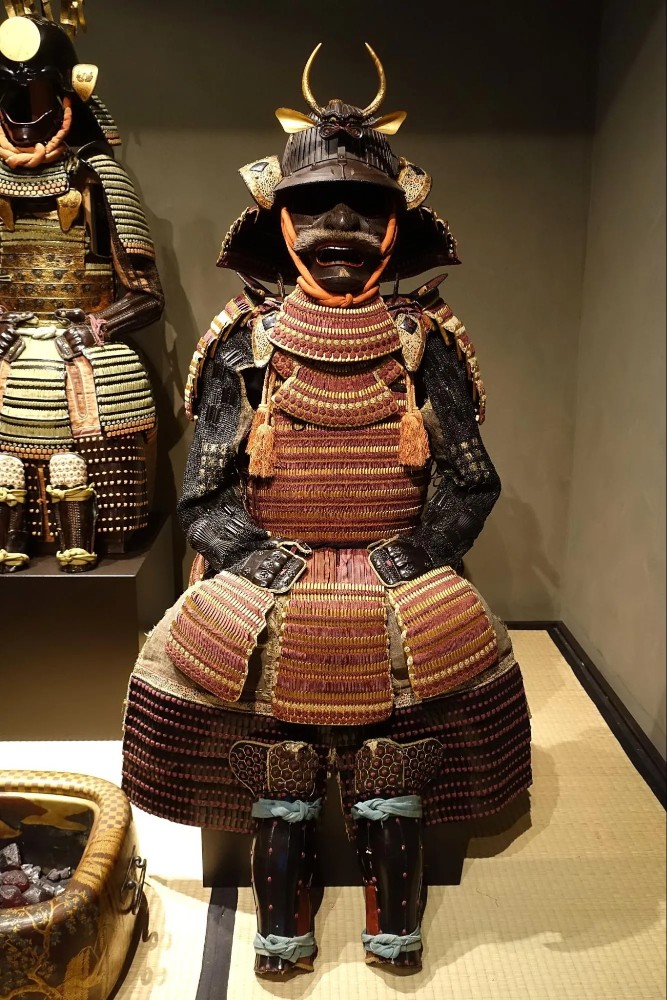
Lacquered Samurai armor. Image credit.
What Is Natural Lacquer?
Lacquer is a word that causes a great deal of confusion. You’ve probably seen countless products labelled as lacquer in your local DIY center. What’s the connection?
In all likelihood, the only link between these commercial wood-finishing products and the natural lacquer used to create Japanese lacquerware is simply the fact that both are liquid coatings that can be used to protect wood. However, all similarity typically ends there.
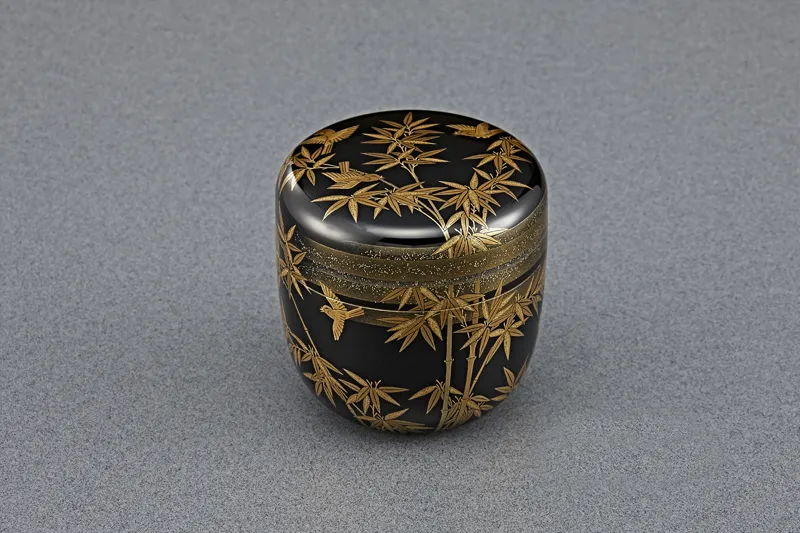
Whereas the “lacquer” used by most Western woodworking enthusiasts are invariably a mixture of more or less scary lab-born chemicals, the lacquer used to make Japanese lacquerware is entirely natural; an organic liquid coating that, when exposed to air and humidity, solidifies to a hard and resistant surface. It’s a truly sustainable substance that can be used to create a strong, protective, antibacterial, and waterproof finish on wood, metal, and even ceramics (kintsugi, for example). As if that weren’t enough, it also happens to look amazing!
Where Does Natural Lacquer Come From?
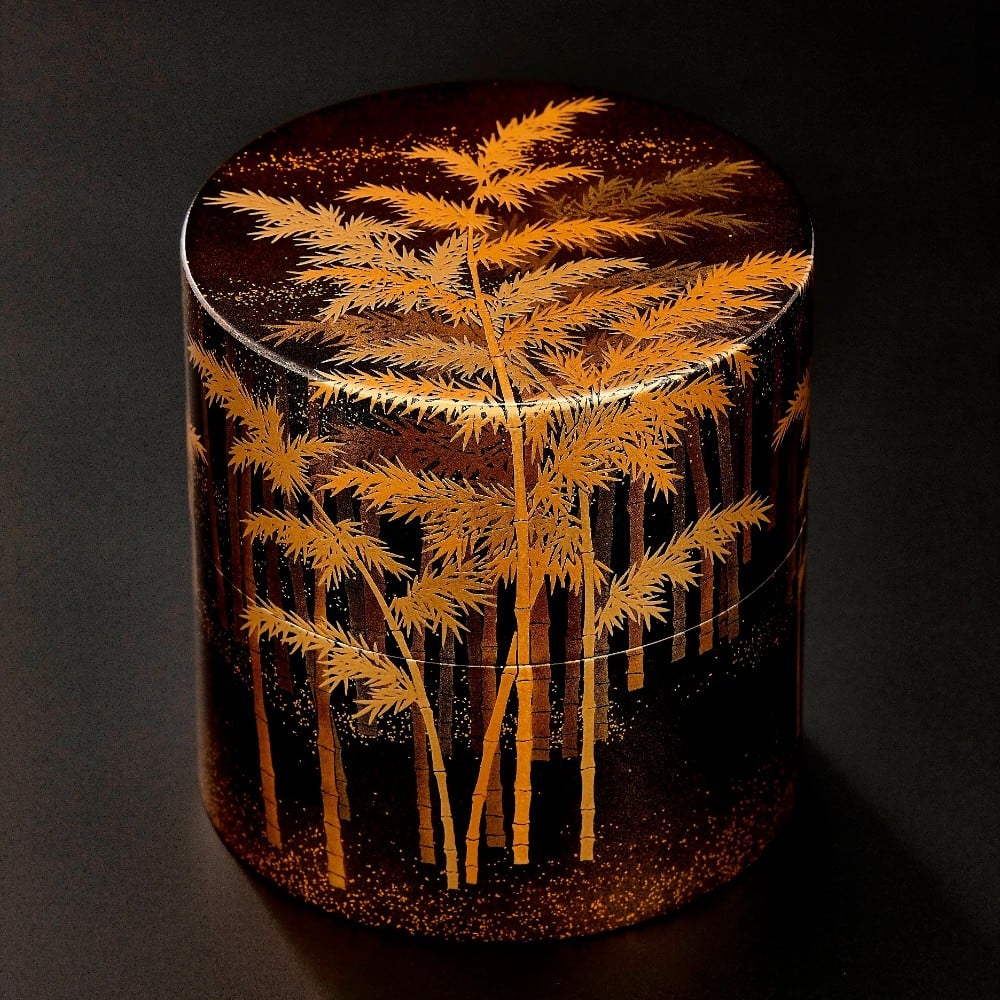
Japanese lacquerware starts life as a tree. Typically two trees. The word urushi itself specifically refers to the resin of one of these trees: Toxicodendron vernicifluum. To make Japanese lacquerware, its sap is collected in liquid form; all impurities such as bark are carefully removed; and natural pigment is added. Finally the mixture is condensed down to a thick paste, ready for application.
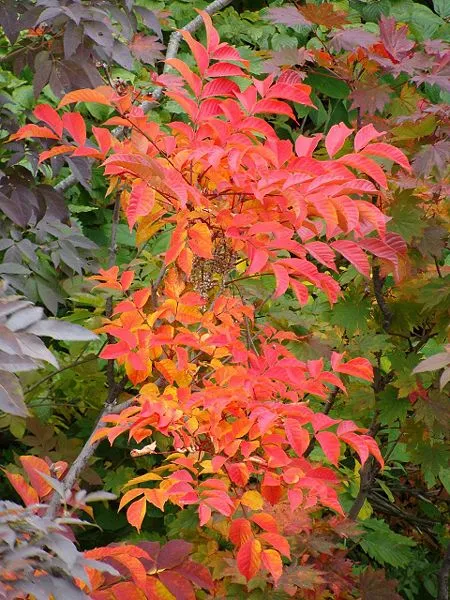
A Japanese lacquer tree in fall. Image credit.
The other tree that comes into play is likely either Paulownia, Cypress, or Cherry; woods that are all very lightweight, but stable and durable. This wood is carved to create the rudimentary shape that serves as a base for, and gives form to, multiple layers of urushi lacquer.
A truly smooth and even application of the resin mixture is incredibly difficult to achieve, but essential to the creation of a successful lacquerware piece. What’s more, the lacquerware surface must be repeatedly sanded to an unblemished finish between coats – slowly built up over time and polished to perfection.
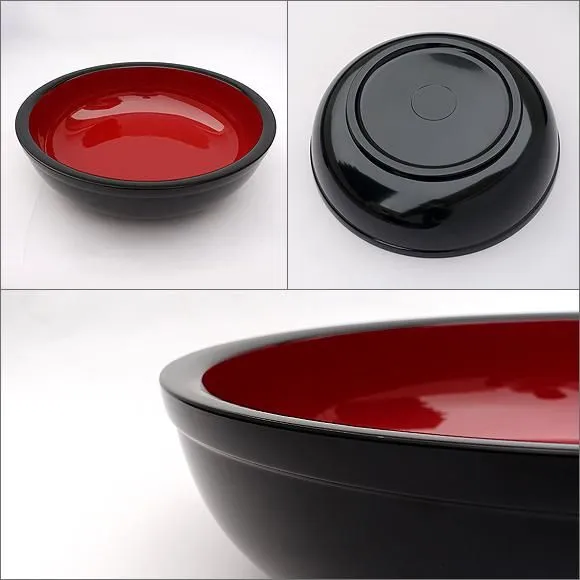
As demanding as this process is, it only produces a plain, monochrome, lacquerware item. Beautiful in itself, and ideal for many uses, but by no means the limit of a skilled Japanese lacquerware artisan’s imagination. Nor abilities.
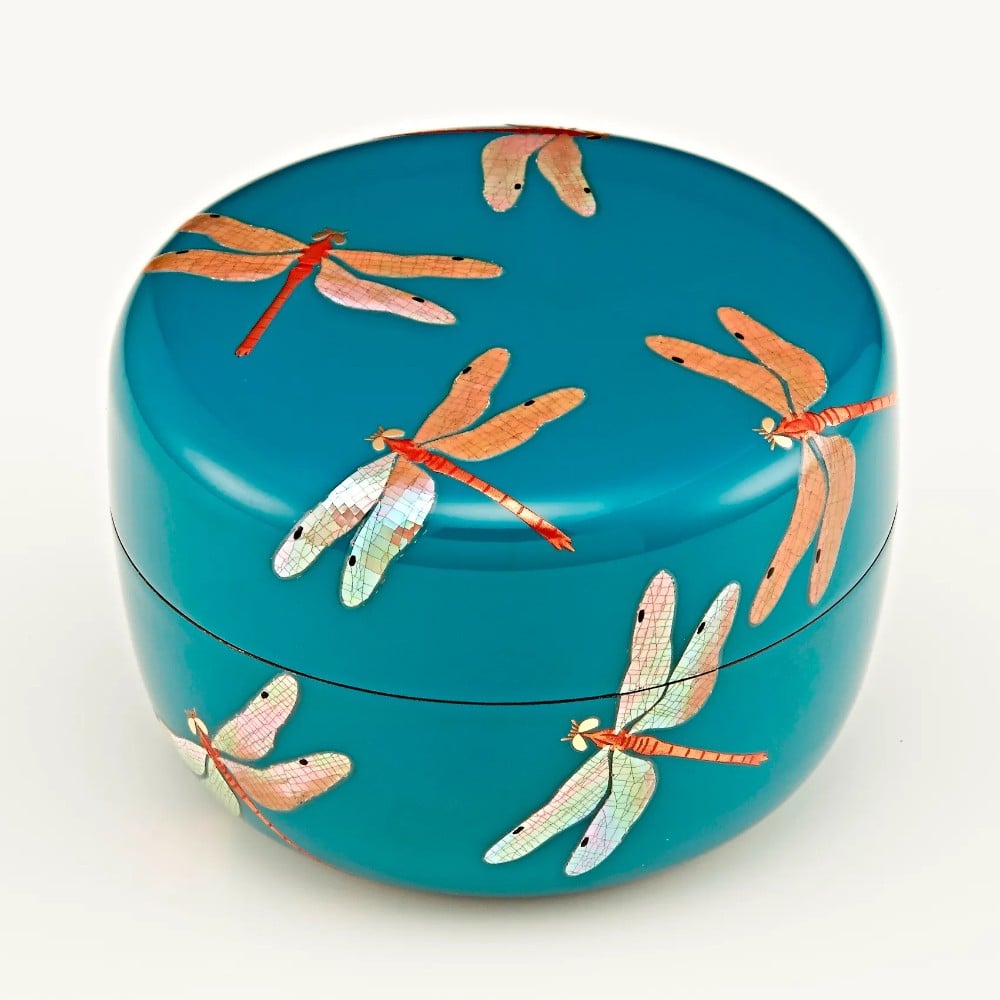
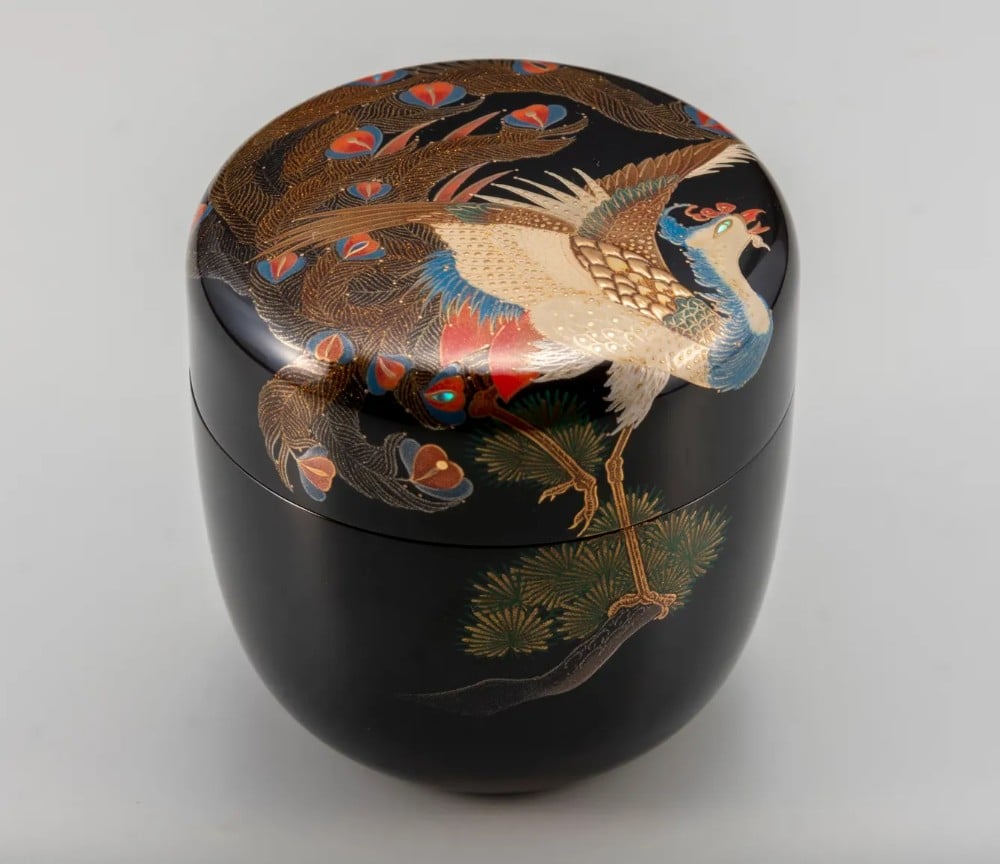
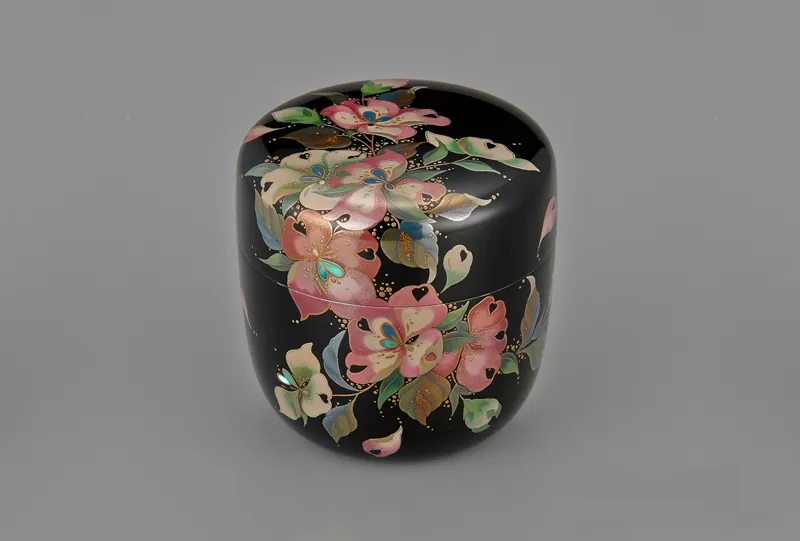
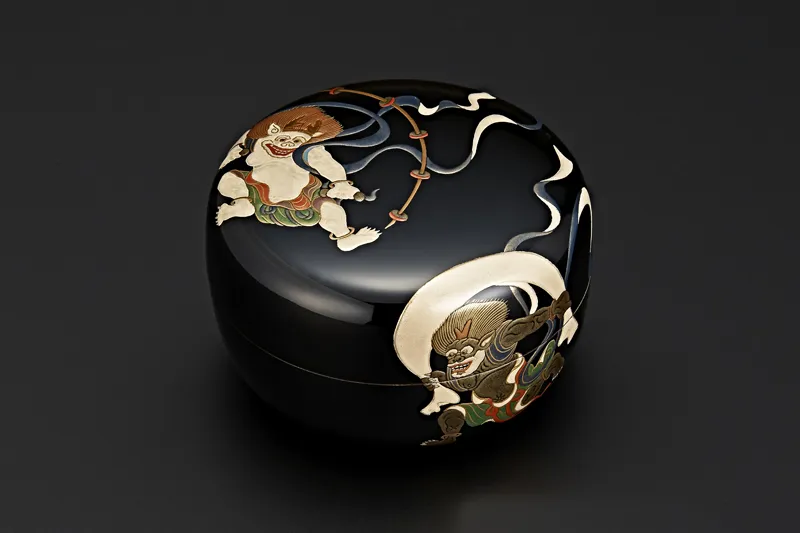
Indeed, Japanese lacquerware virtuosos have evolved astonishingly complex techniques for creating detailed designs from multiple layers of tinted natural lacquer. These often involve the use of finely ground precious metals, or mother of pearl inlay – as in the example above from third-generation master Chahira Issai.
Is Urushi Lacquerware Toxic?
You may have heard about the toxicity of Japanese lacquerware - after all, the plant that produces urushi is sometimes referred to as the “poison oak tree”. But this is actually based on a misunderstanding.
To be absolutely clear, in its raw, liquid state, urushi resin can indeed cause skin irritation - hence Japanese lacquerware artisans typically wear protective clothing. However, once dry, urushi lacquer is completely harmless. Indeed, the ever safety-conscious Japanese have been handling – and in fact eating off – urushi products for centuries without ill effect. Rest assured that you can, too.
The History & Cultural Significance of Urushi
Although the roots of a great many Japanese craft traditions lie in ancient China - but were later elevated by subsequent generations of Japanese master artisans - historians are actually divided as to whether Japanese lacquerware has Chinese origins. Indeed some experts assert that the lacquerware technique was independently invented in Japan during the Jōmon period. Whatever the case may be, the Japanese tradition of Urushi is inarguably ancient, with Japanese lacquerware items surviving from over 3,000 years ago. Not only that, but Japan is home to the world’s oldest known lacquer tree - carbon dated to 10,000 years BC!
With such a long history, it’s unsurprising that Japanese lacquerware has evolved into a highly advanced art-form. Not only that, but urushi is also deeply embedded in the nation’s culture; manifesting everywhere from Japanese aesthetics to the nation’s religious and social rituals. For this reason urushi designs are rarely merely decorative, but typically carriers of potent symbolic meaning.
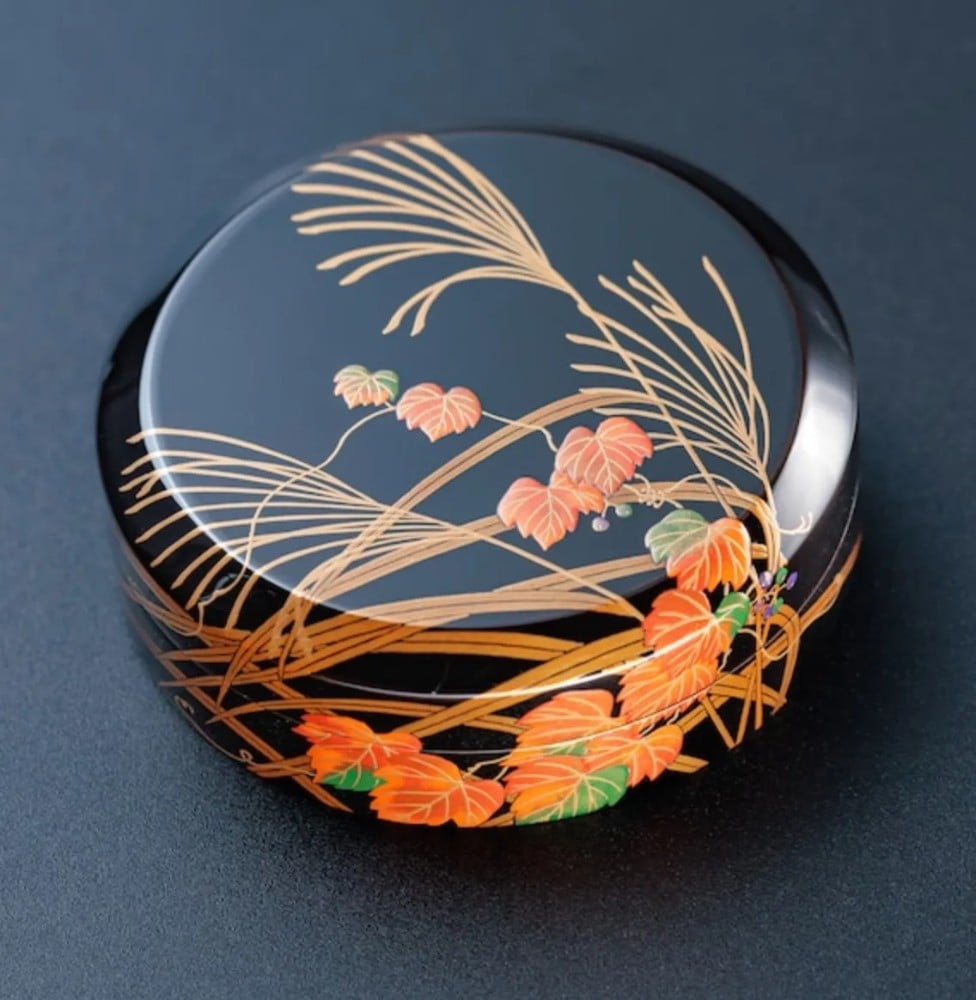
Common motifs on urushi items include plants, birds, water, and wind‑swept grasses – echoing traditional Japanese poems by drawing attention to the impermanence of life. The painstakingly slow process of applying dozens of layers of resin and polishing these to perfection also reflects ideals of wabi‑sabi and monozukuri; making the object itself a lesson in Japanese cultural values.
Urushi items are central to both the Japanese tea ceremony and Buddhist rites, where the warm, matte, or deep‑gloss surfaces of Japanese lacquerware help to enhance the sensory experience and focus the mind on the present. And because a well‑cared‑for lacquer bowl or tray can last for generations, these objects also symbolize family continuity and the importance of tradition.
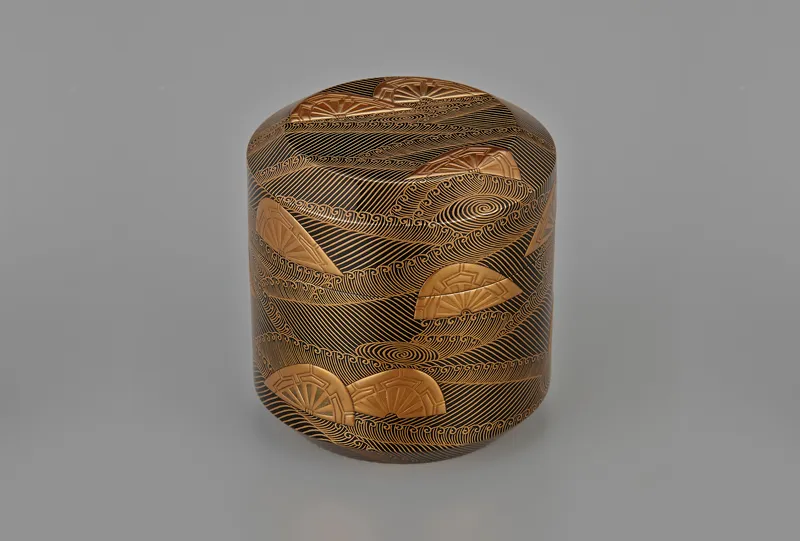
How Does Japanese Lacquerware Differ From Other Asian Lacquerware Traditions?
Natural lacquerware techniques have evolved in various parts of Asia where lacquer trees grow. As mentioned, China has a long history of producing lacquerware. As do several southeast Asian countries such as Cambodia, Laos, Myanmar, Thailand and Vietnam.
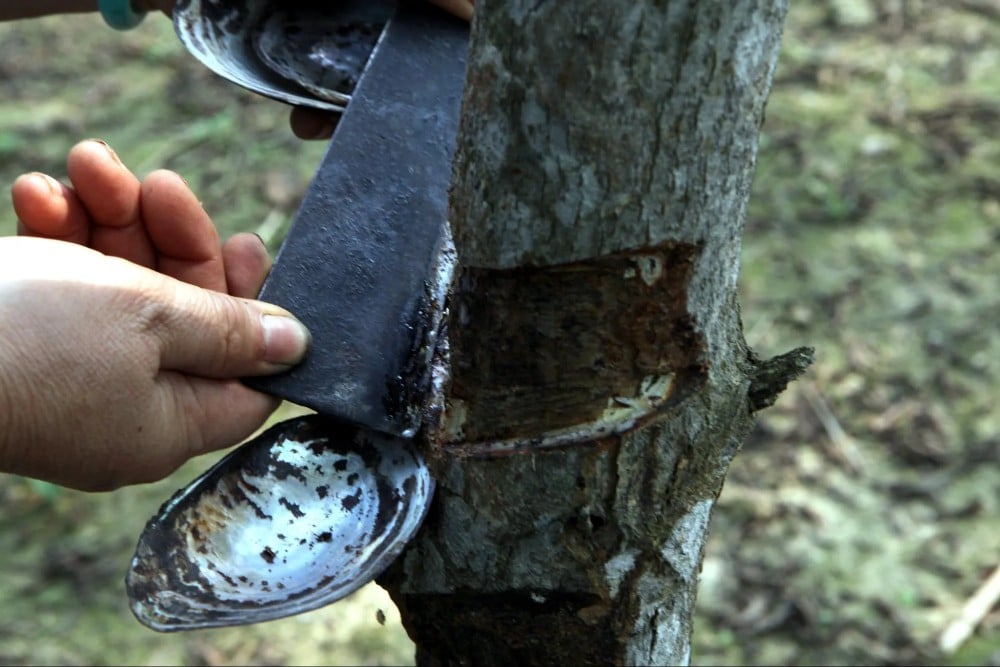
Extracting natural lacquer from a tree in Vietnam. Image credit.
While there is much overlap between the lacquer-making traditions of these cultures, the lacquer they use typically comes from different species of trees to Japanese urushi. And whereas Southeast Asian lacquer artisans mostly favor woven rattan or bamboo as a base, in Japan lightweight species of wood are more standard (although the bamboo technique is also well established in Japan, too, as is the use of a hemp cloth base).
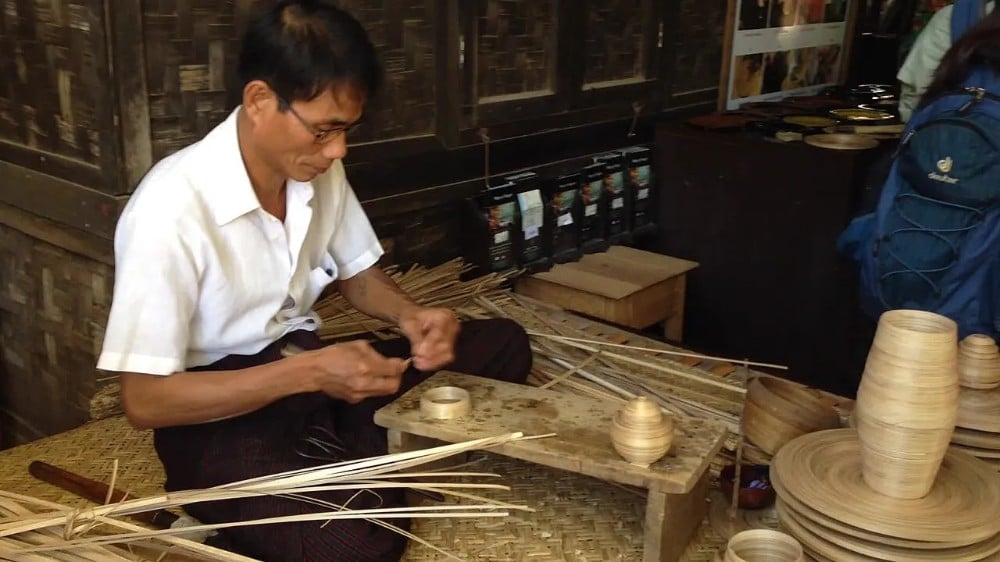
Making a bamboo base-form for lacquerware in Bagan, Myanmar. Image credit.
Materials aside, there is also a considerable degree of diversity in the techniques employed by Japanese artisans. And where Japan can lay particular claim to innovation is in the invention of such original lacquerware techniques as maki-e.
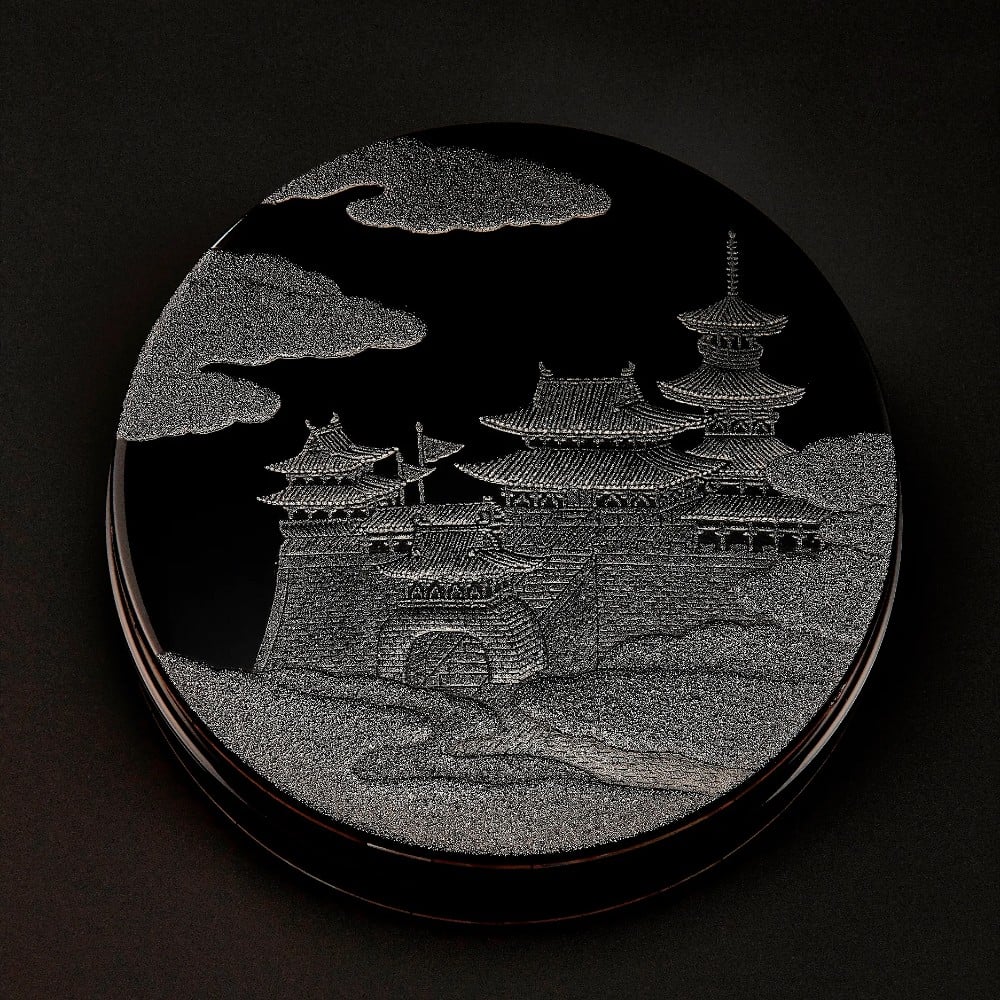
Dissolving gold dust in lacquer and then painting this onto a smoothly-lacquered surface is a common technique across Southeast and East Asia, resulting in intricate designs in a muted gold color. The Japanese, however, have developed a variant of this technique wherein designs are first painted using basic metal-free lacquer, following which gold or silver dust is sprinkled over the surface. As the fine metal powder adheres to the top of the wet lacquer, the outcome is notably more brilliant and striking than when the lacquer and metal dust are mixed together beforehand. It’s a technique you’ll see applied to all kinds of Japanese lacquerware objects – from serving dishes to fans, and especially inro.
Where to Buy Authentic Japanese Lacquerware
Now that you have a clear idea of exactly what lacquerware is – and the exceptional degree of dedication, hard work, and skill that goes into producing every single Japanese lacquerware item – you’ll likely be wondering where to buy urushi lacquer masterpieces for yourself.
Many regions of Japan have strong urushi lacquerware traditions, with the Kyoto variant, Kyō Shikki, being of particular renown (for more info on Kyō Shikki and other regional specialties, see our Guide To Traditional Kyoto Crafts).
For anyone outside of Japan, though, tracking down authentic Japanese lacquerware can be a bit more of a challenge. A situation only made worse by the proliferation of mass-produced lacquer-like (read plastic) items available online.
So where to buy urushi lacquer products and how to be certain that you’re getting the real deal?
Most genuinely artisanal urushi lacquerware producers are small-scale cottage-industry affairs. As a result they largely focus on the domestic market. This makes it difficult for Japanese craft enthusiasts overseas to even find artisans’ contact details, let alone purchase anything from them.
That’s why ZenMarket has teamed up with two of Japan’s leading urushi lacquerware stores. By purchasing from these trusted and prestigious sources of Japanese lacquerware, not only can you be certain of receiving the very finest in Japanese urushi craftsmanship, but you will also be helping to keep the Japanese lacquerware tradition alive for generations to come.
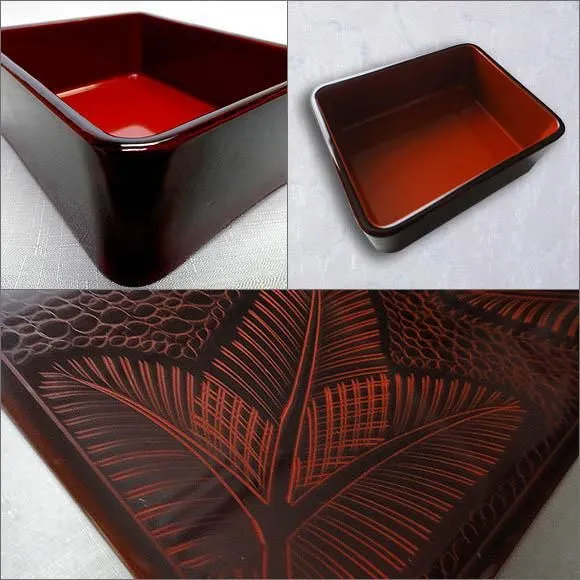
A long-running Tokyo establishment, Takemura is actually a specialist store focusing upon all things soba. Indeed, if you’re a buckwheat noodle aficionado, you may already be well acquainted with their impressive range of soba-making utensils. In which case, you will no doubt also have discovered the stunning selection of lacquerware hidden among these.
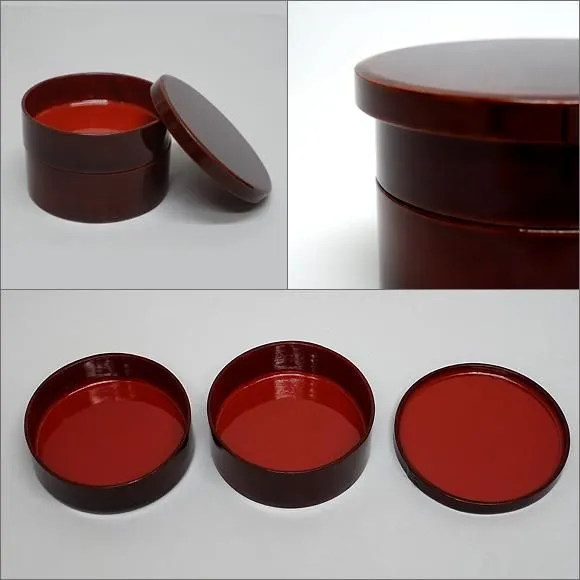
As a supplier of paraphernalia to countless hard-working soba chefs and amateur noodle-enthusiasts alike, Takemura’s forte is undoubtedly finely-crafted but durable Japanese lacquerware for regular use. Nonetheless, here you’ll also find more unusual items, such as a wristwatch with a hand-lacquered face.
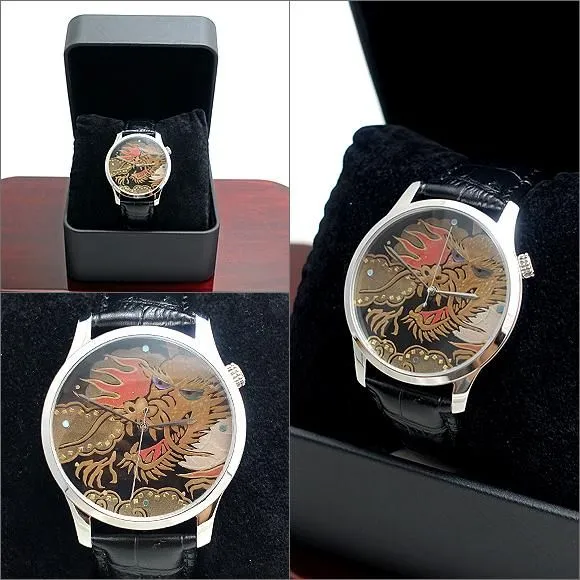
This unusual design aside, where Takemura really excels is in sourcing such an impressive selection of clean, minimal, and hardwearing urushi serving dishes at a variety of price points – with the occasional vintage item available, too. As such, Takemura should be the first port of call for anyone looking to upgrade their tableware to genuine urushi lacquer items that are nonetheless sufficiently hardwearing to withstand daily enjoyment.
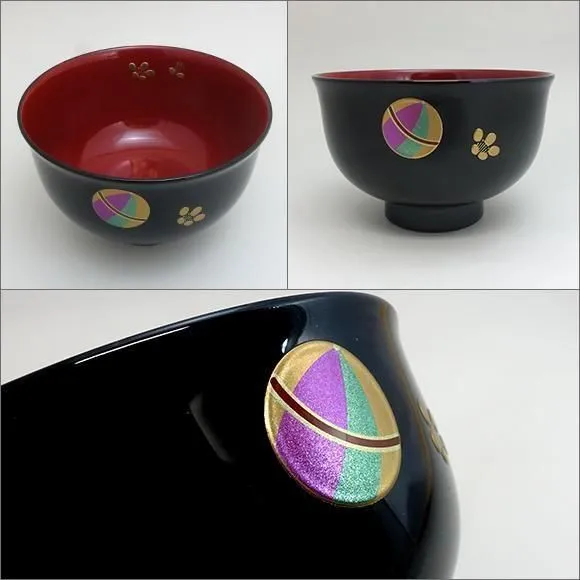
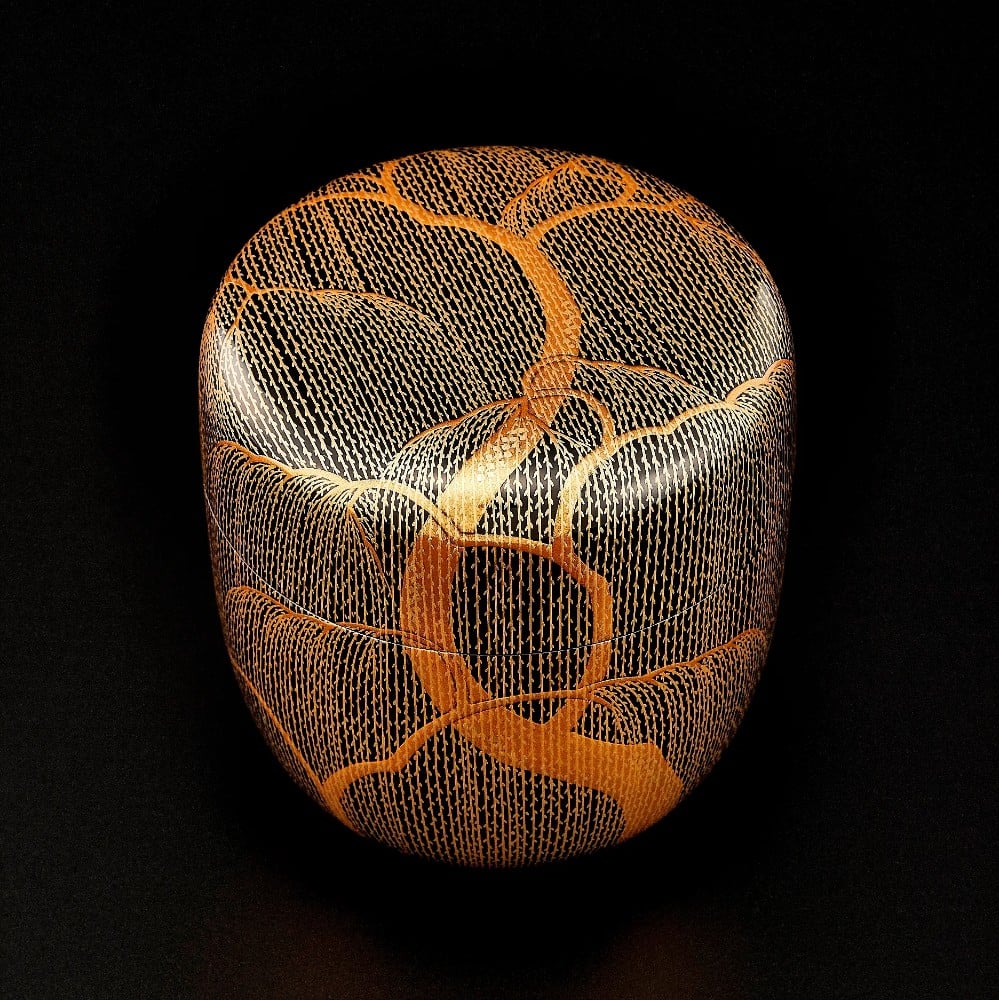
Three generations of Chahira Issai have been producing lacquerware for tea ceremonies in Wajima since 1947. Whereas Takemura primarily provides strong and practical urushi dishes that you’ll want to eat off of every day, Chahira Issai specializes in an altogether different kind of Japanese lacquerware.
While equally well-made and resistant to wear, the urushi teaware designs on offer from Chahira Issai stand out for their rich, intricate, and at times even flamboyant decorative motifs; future heirloom pieces that you are as likely to keep on permanent display as to bring out for frequent use.
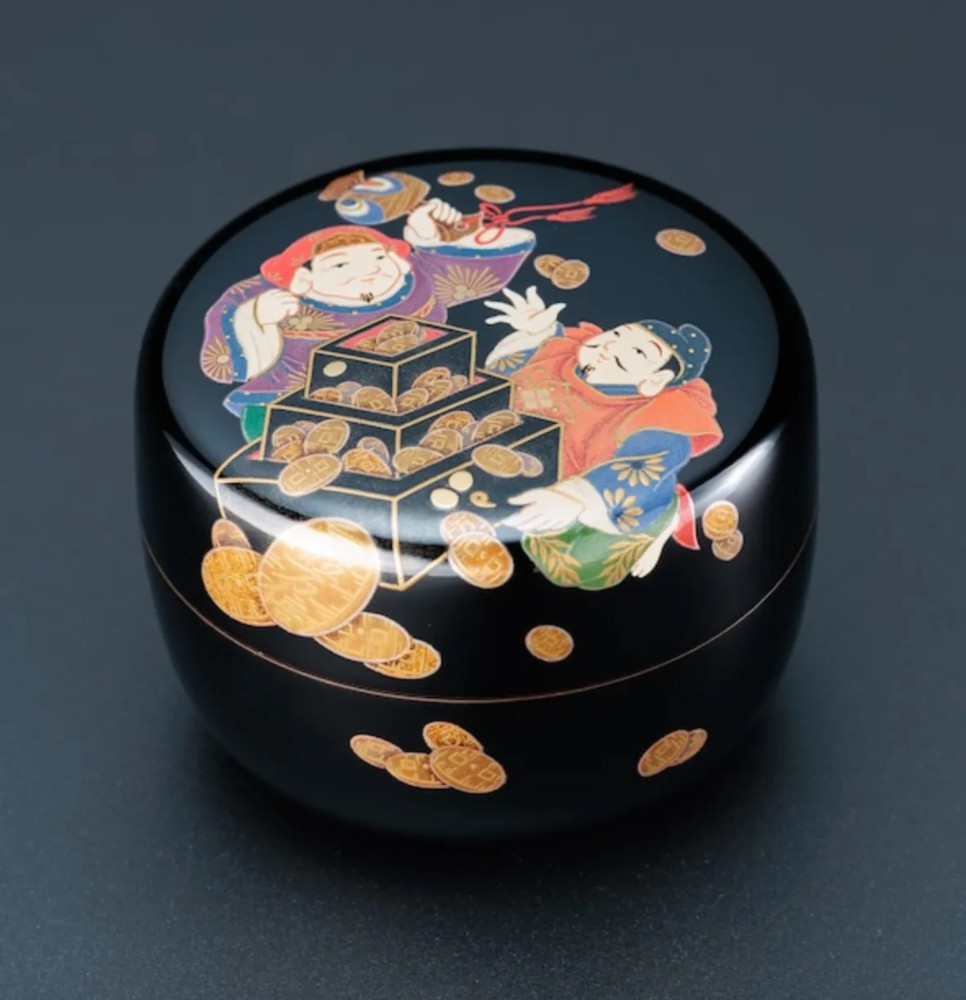
Here you will find a staggering array of tea caddies and other exquisite containers designed for the tea ceremony. Featuring motifs that are at times illustrative of complex narrative scenes, at others more abstract but no less intricate, the hand crafted items available from Chahira Issai represent the pinnacle of Japanese lacquerware prowess.
Conclusion
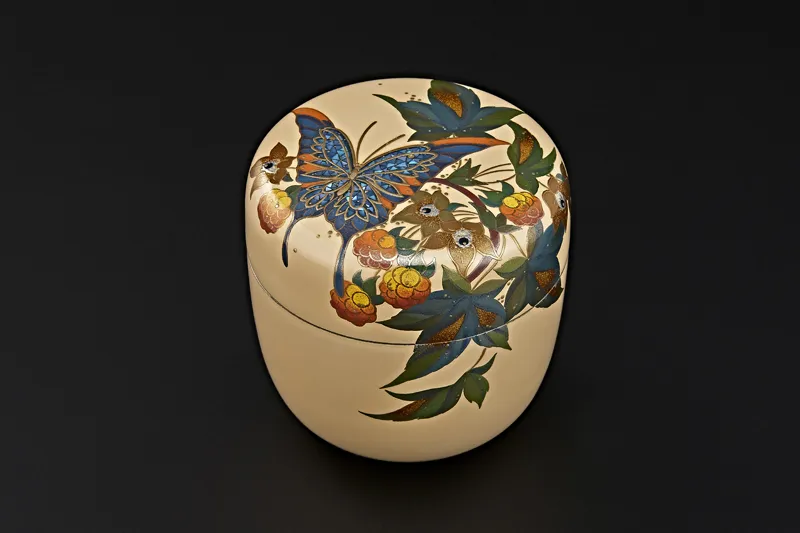
Astonishingly beautiful, often highly elaborate, and typically connected to Japanese spirituality and rituals, urushi lacquerware is a deeply symbolic Japanese cultural discipline. Yet, resistant to water, heat, pests, and chemicals, Japanese lacquerware is not only decorative, but also hardwearing and extremely practical. Simultaneously a utilitarian craft and a refined art-form.
To purchase premium Japanese lacquerware from either Chahira Issai or Takemura, simply sign up for a free ZenMarket account, and start adding urushi lacquer items to your cart right away!
Don't have a ZenMarket account yet?
Sign up