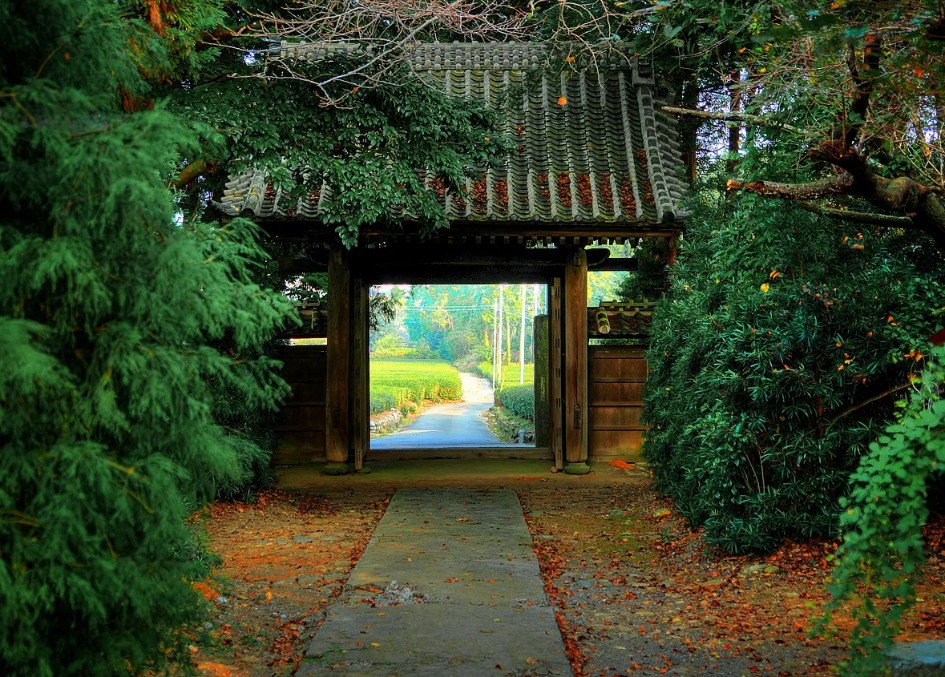
 Tea fields outside a temple gate in Shizuoka.
Much more than merely a method of serving tea, Japanese tea culture is a highly sophisticated tradition stretching back many centuries. Rooted in the Zen Buddhist principles of harmony, respect, and purity, the tea ceremony reflects Japan’s broader cultural values, influencing everything from architecture to social etiquette.
For anyone passionate about Japanese culture, exploring these rituals can offer illuminating insight into the nation’s aesthetic and philosophical heritage. What’s more, Japanese green tea simply tastes great. And as it’s packed with antioxidants and nutrients, it also comes with a wide range of health benefits, too.
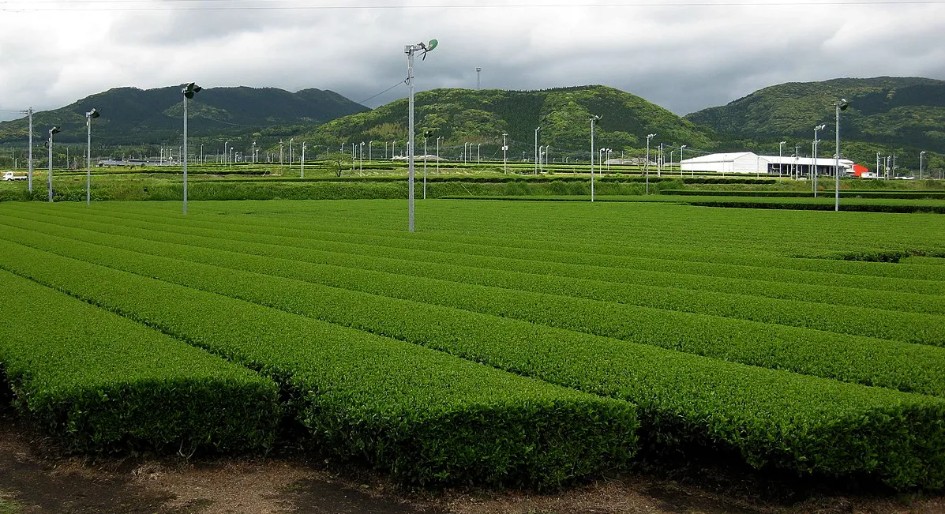 Tea fields in Kagoshima.
In this post we’ll take a journey into Japanese tea culture, with a specific focus on those most Japanese of teas; matcha, sencha, and bancha. Along the way we’ll discover some of the best places in Japan to sample authentic green tea, and list a few of our favorite sources for tracking down high quality Japanese tea online.
Whether you're a fan of Japanese heritage or simply love a good cup of tea, join us in our quest to discover the best green tea in Japan!
Exploring Japanese Tea Culture
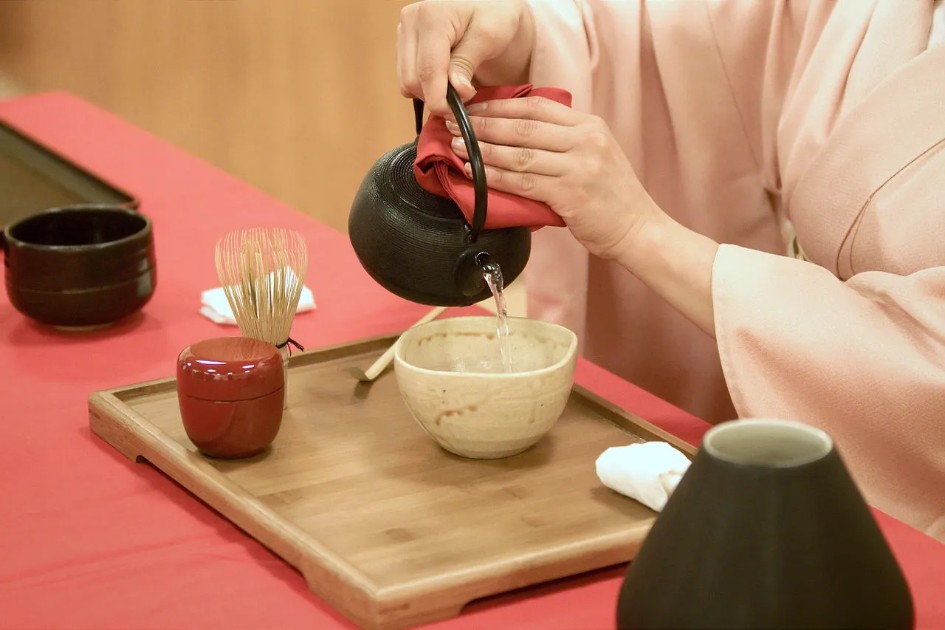
The role that tea has played in the development of Japanese culture far exceeds its basic function as a beverage. The ceremonial use of tea is deeply intertwined with Japan’s political and social history; serving as a setting for everything from formal negotiations and alliance-building to displays of power and diplomacy.
Japanese tea culture is epitomized by the chanoyu; the ceremonial preparation and serving of matcha green tea. Originating in the 12th century as a simple monastic ritual, over time the practice has evolved into a highly refined art form and important cultural – and even political – institution.
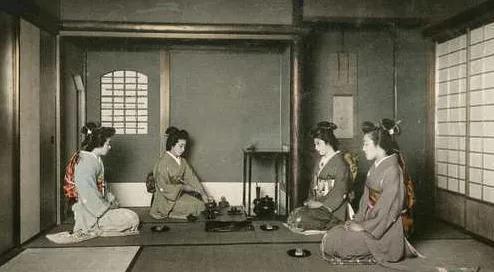
A typical chanoyu is performed in a minimalist tea room or tranquil garden. The host cleanses utensils and offers guests traditional Japanese sweets called wagashi, before preparing matcha. The entire affair is carried out with a profound respect for etiquette and a sense of grace that, in its unhurried and deliberate choreography, recalls the kata of martial arts.
In feudal times, these tea gatherings provided the setting for critical decision-making; the sealing of peace agreements; and the forging of strategic relationships between daimyo and other political elites.
More recently, tea drinking served as a backdrop to the business deals and board meetings of early-corporate Japan, with business leaders reviving traditional practices that emphasized trust, respect, and formality; core values of the tea ceremony. As a result, Japanese tea culture has evolved into a refined tool of political and social influence – symbolizing respect, trust, and cultural sophistication in high-stakes contexts.
A Brief History of Japanese Green Tea
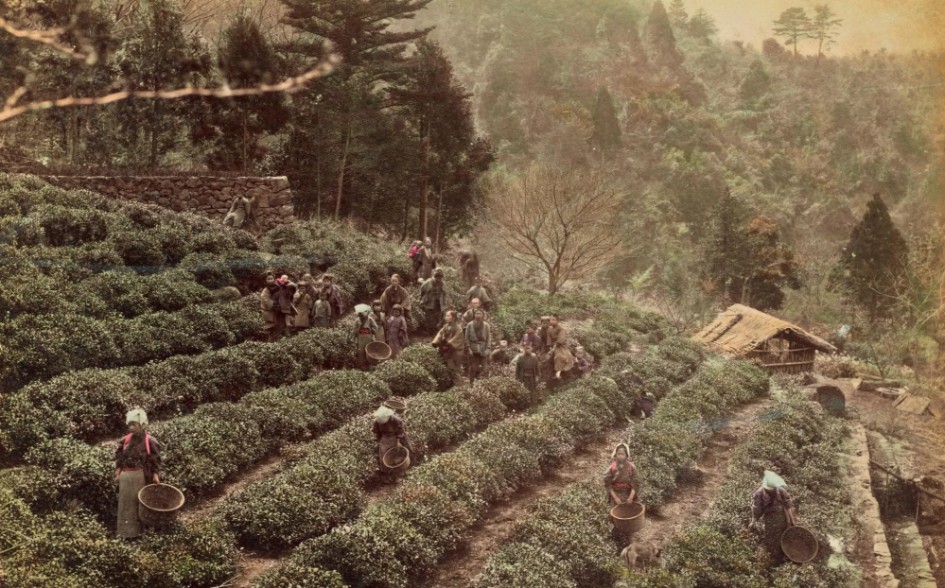
Tea was first introduced to Japan in the 8th century by Buddhist monks returning from pilgrimage to China. In the early days of Japanese tea culture, the drink was valued more as a tonic for wellness and longevity than for everyday enjoyment or as a lubricator of social occasions. Over time, though, tea also took on a deeper spiritual meaning. So much so that the prominent Zen Buddhist figure Musō Soseki was later to declare that “tea and Zen are one.”
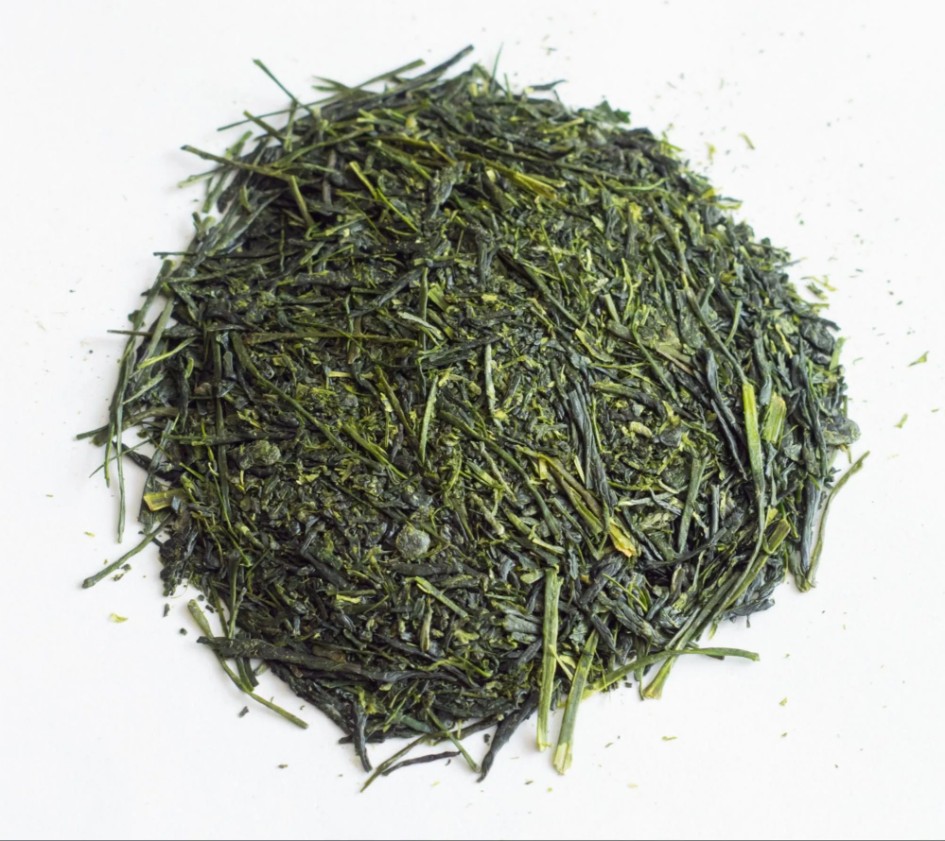 Kagoshima sencha.
By the 14th century, China had moved from powdered brick tea to loose leaf varieties – steeped in teapots rather than whisked into a froth like matcha. This new preparation method made its way to Japan in the 17th century and gave rise to sencha (煎茶), or “boiled tea” – inspiring local producers to develop new ways of growing and processing tea that were better suited to the steeping style.
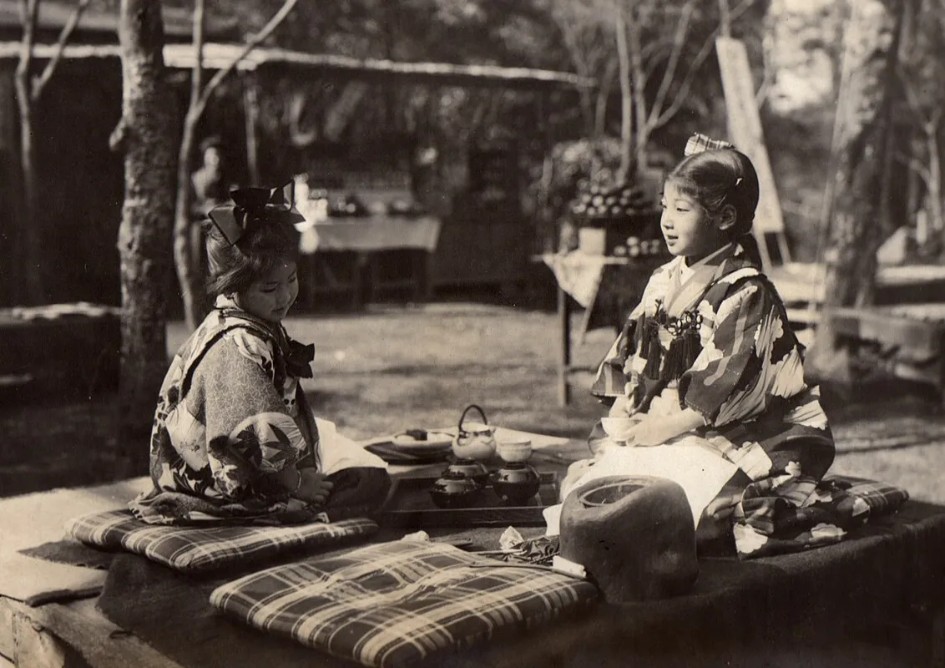
Although green tea quickly established itself as a refined favorite among Japan’s upper classes, it wasn’t until industrialization in the 19th and 20th centuries that it became accessible to all. Now, however, sencha is the go-to tea across Japan, making up about 80% of the country’s output. And today the methods used to produce sencha and other types of Japanese green tea are entirely different to those employed in China
Curious to learn more? Check out our guide to the different types of Japanese tea here.
Where To Find the Best Green Tea in Japan
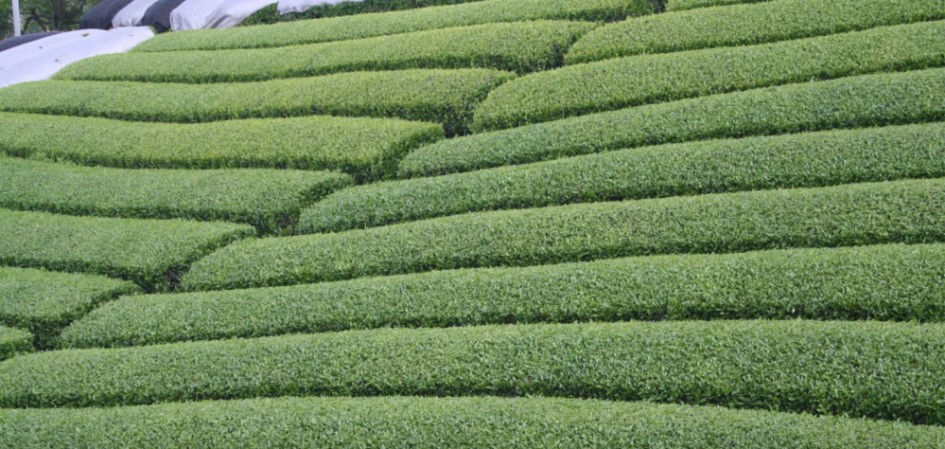
The best green teas in Japan are found both at specialty shops in major cities like Tokyo and Kyoto, as well as directly in the top tea-producing regions themselves. Among the most renowned of the growing districts are Uji, Shizuoka, and Aichi on Honshu island, and Kagoshima in the south of Kyushu.
Wherever you go in search of green tea, aim to visit shops with knowledgeable staff and a curated selection sourced only from the top growing regions. It should go without saying, but ideally sellers will also let you taste the different green teas they have on offer before buying.
The Best Places To Buy Japanese Tea Online
As delicious as Japanese tea is, if you live outside of Japan, it can be something of a challenge to get your hands on the truly top-notch stuff – unless you know where to look.
The following Japanese tea shops are among the most esteemed purveyors of authentic Japanese tea online. And while not all of them can handle international customers directly, you can still purchase from them by signing up for a free account at ZenMarket – giving you easy access to some of the very best green tea in Japan, wherever in the world you might be.
1. Maru Take Ebisu
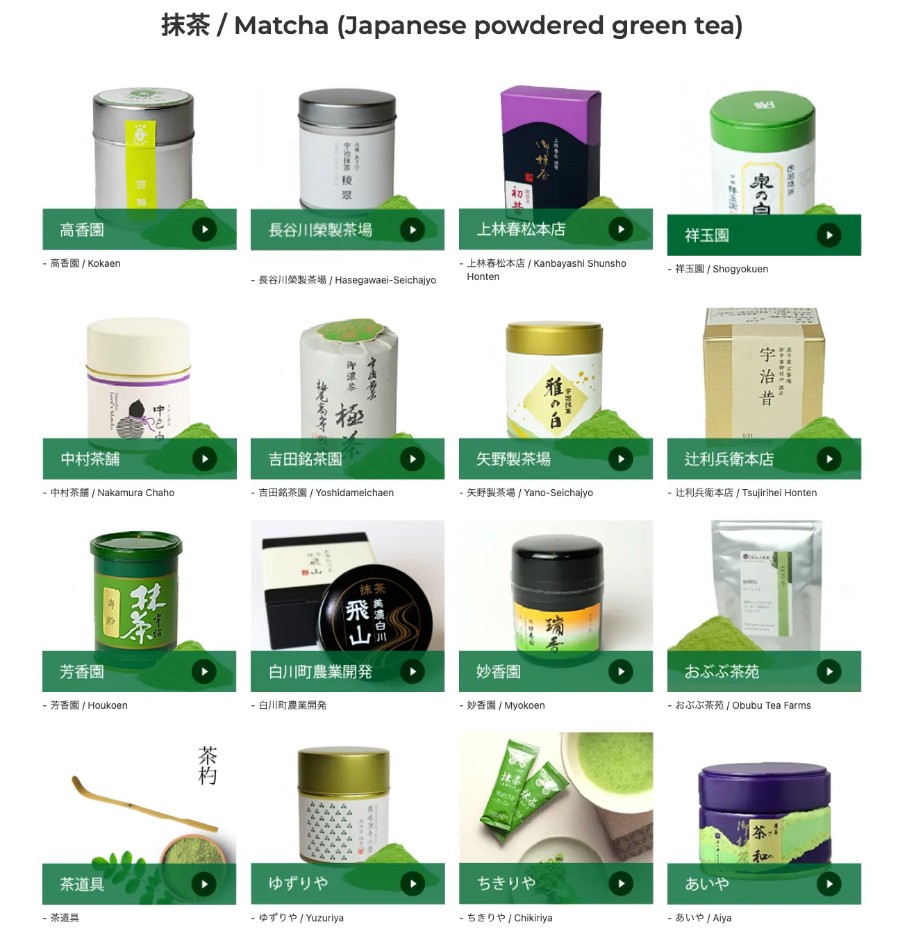
For true connoisseurs, Maru Take Ebisu is the go-to destination for all things matcha. There’s a staggering variety of matcha products on offer here. And whether you plan on performing your own tea ceremonies or quietly enjoying a cup of the frothy green stuff on your own, you’ll find a wide range of matcha utensils available for sale on their website, too.
Maru Take Ebisu’s real selling point, however, is that they grind many of their matcha products to order right before shipping, meaning that what you receive is the freshest product possible.
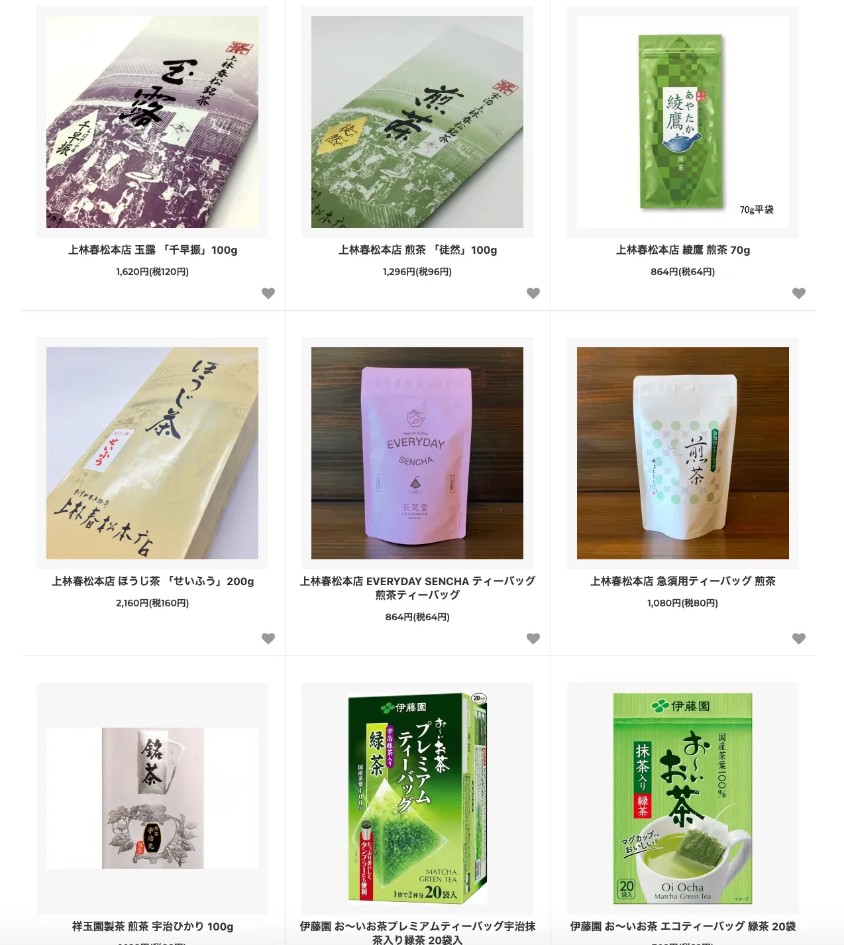
In addition to matcha, Maru Take Ebisu also offers a comparatively much smaller range of sencha that would nonetheless be an impressive offering anywhere else.
Discover Matcha on Maru Take Ebisu
2. Shoukakuen
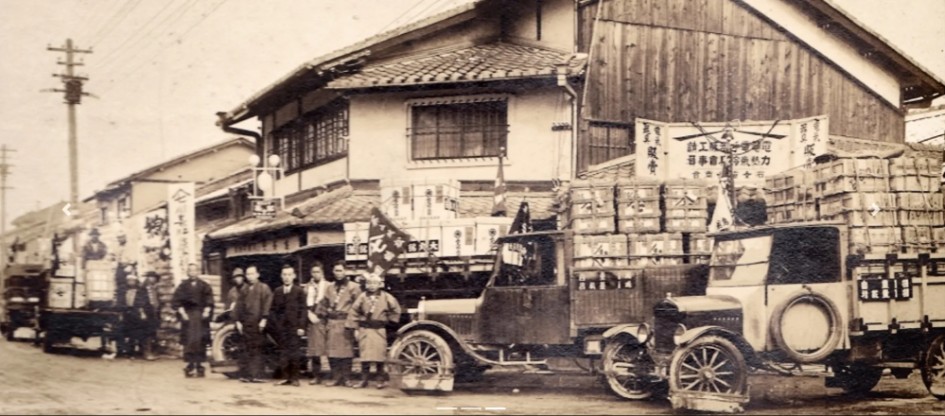
Boasting a history spanning six generations, Kyoto institution Shoukakuen evolved from a local 19th century tea grower and wholesaler to one of the most revered tea retailers in Japan today. Shoukakuen’s appeal isn’t just rooted in its weighty heritage, though; the products on offer are of the highest caliber, and visitors to the physical store can also benefit from expert guidance, with certified instructors offering advice about selecting and brewing tea for the perfect cup.
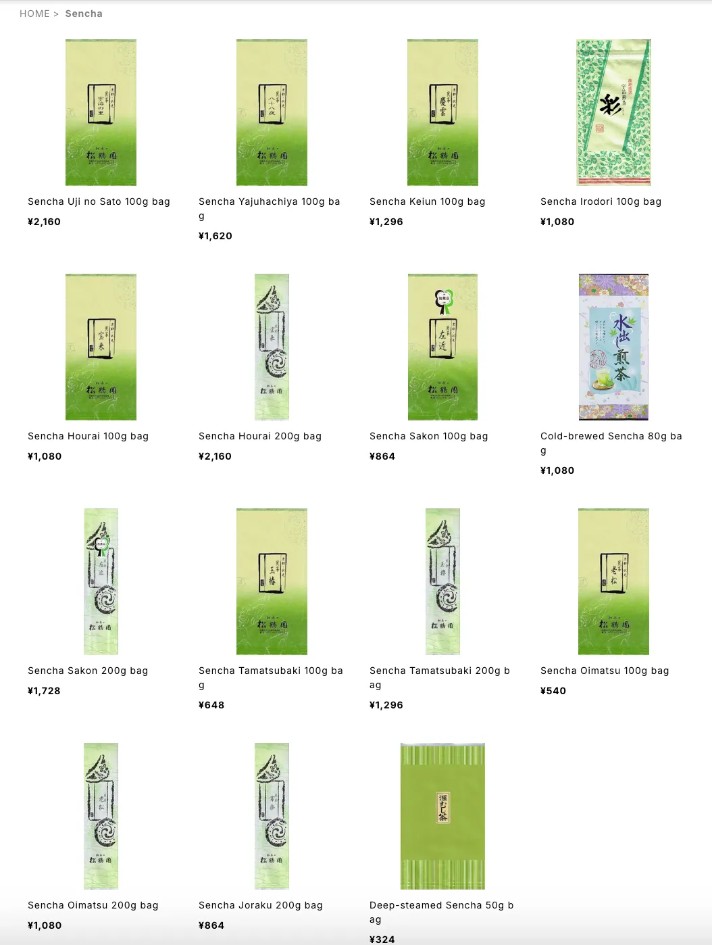
For those ordering from outside Japan, the main draw here is Shoukakuen’s extensive curated selection of sencha, bancha, matcha, and gyokuro green teas. The brown rice “jade dew” (gyokuro), in particular, is a must-try. Those looking for a gift – whether for others or themselves – will also want to check out the exquisite range of decorative tea canisters available from the online store.
Find Your Perfect Cup at Shoukakuen
3. Matsushita Seicha
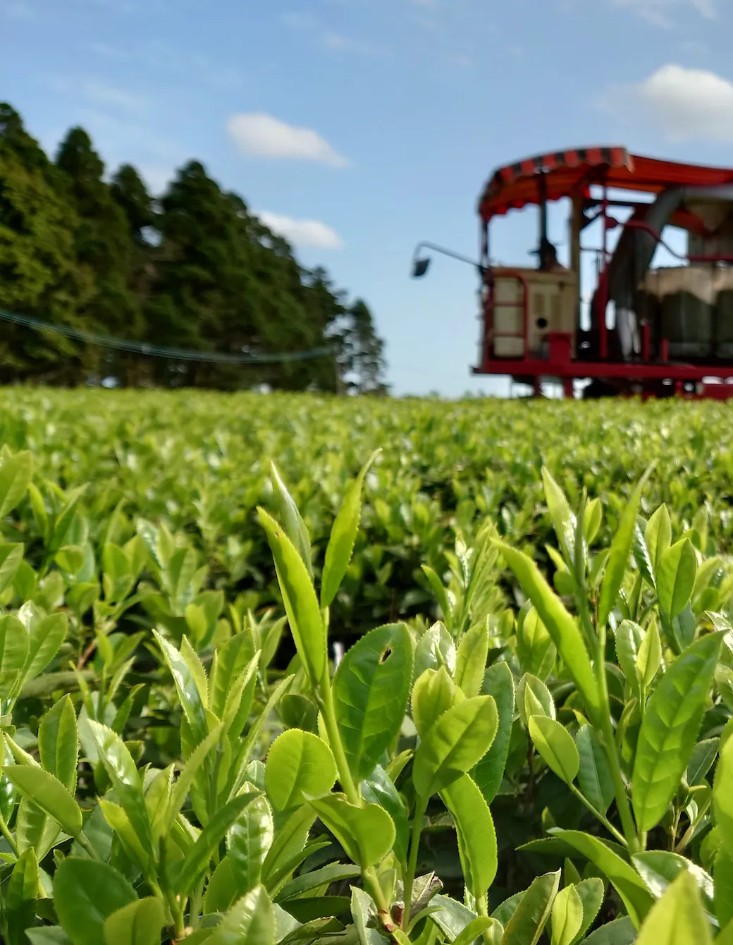
Our favorite source of pure, naturally-grown, Japanese tea online, Matsushita Seicha is a small family-run tea farm on the island of Tanegashima, Kagoshima Prefecture, that has been producing green and black teas without pesticides, fertilizers, or herbicides for five generations.
Due to its southerly position, Tanegashima is known as the home of the earliest new season tea in Japan, and enjoys its first harvest at around the end of March every year.
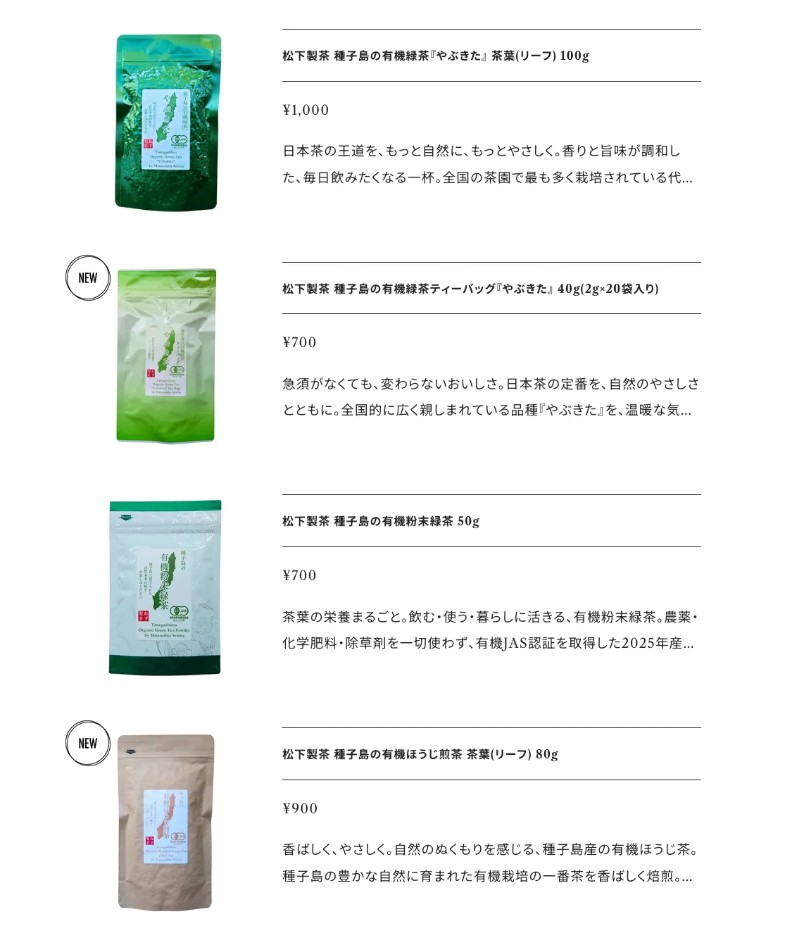
While most green tea is grown in the shade, Matsushita farms produce a number of sun-grown varieties. You’ll also find other novelties here, such as roasted green teas, and strong umami-flavored organic selections.
Explore Matsushita’s Organic Green Teas
If you’d like to learn more about this topic, be sure to check out our Guide to Buying Japanese Tea and other traditional products.
How To Enjoy the Japanese Tea Experience
Although tea in Japan was initially consumed for religious and medicinal purposes – rather than for pure drinking pleasure – today Japanese tea culture encompasses everything from simple solo enjoyment to high ceremony. Indeed, tea ceremonies remain a living tradition in Japan, practiced widely and shared with visitors across the country.
Typically visitors will have plenty of opportunity to witness - and even to take part in - traditional tea ceremonies in the main tea-producing centers, or at important cultural institutions in Japan’s major cities.
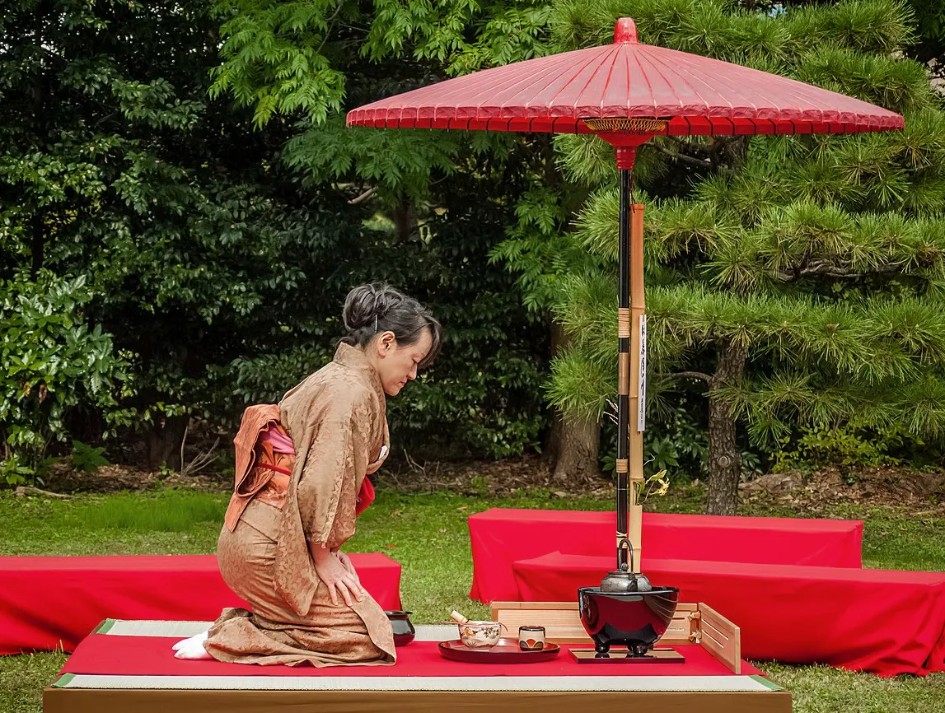
For enthusiasts of Japanese culture with an interest in matcha, sencha or bancha, several key cultural centers and museums across the country offer immersive experiences ranging from hands-on tea preparation to in-depth historical and sensory exhibits.
Beyond tea ceremonies, other activities for tea-lovers include participating in blind tasting “tea battles” (called tocha in Japanese) and – if your trip coincides with harvesting season – even picking your own fresh tea leaves from the fields.
For those with a passion for Japanese tea culture, here are just a few of the most important destinations to consider visiting while in Japan.
1. Shizuoka Tea Museum
Offering interactive exhibits covering all aspects of Japanese tea culture, and located deep in Japan’s sencha heartland, The Tea Museum in Shimada, Shizuoka Prefecture, should be high on any green tea enthusiast’s bucket-list.
Set in an impressive contemporary building with extensive classical-style gardens, the tea Museum is filled with informative exhibits; not only concerning Japanese tea culture, but also about global tea growing, processing, and drinking more generally.
2. Sakurai Tea Experience
Those on a flying visit, or with more of an interest in tea culture and technique than in growing areas, will want to check out this intimate Tokyo venue focusing on brewing technique and creative contemporary uses of tea. The setting is one of minimal modern design, and the staff are passionate proponents of Japanese tea culture in all its forms.
Come here for a tasting ceremony with in-depth explanations; or simply to sample a variety of teas and tea-based products, ranging from cocktails to food.
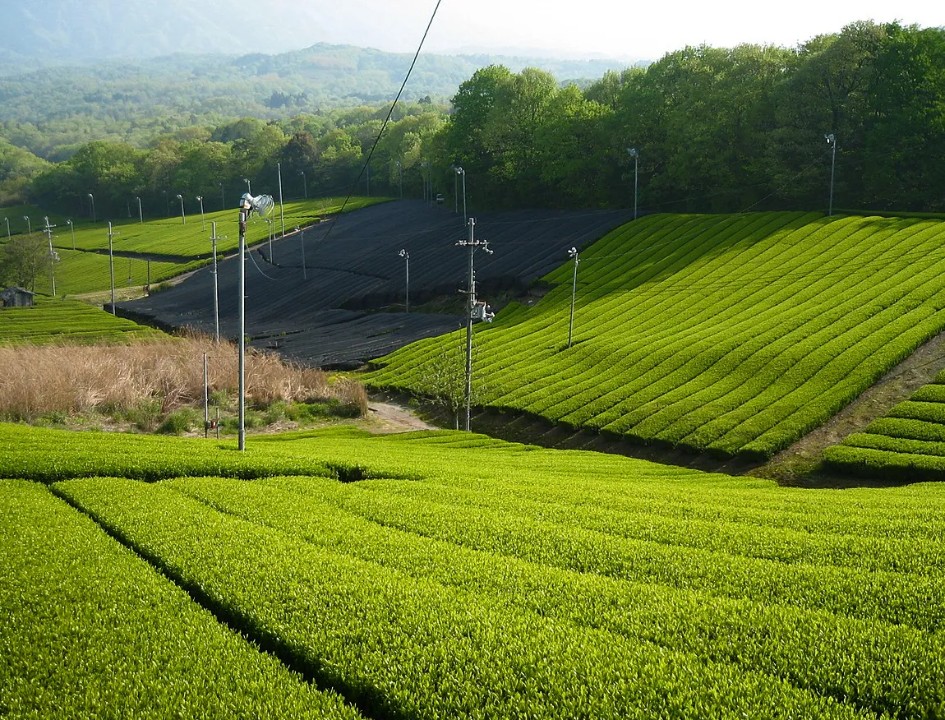 Tea fields in Kyoto prefecture.
3. Uji, Kyoto Prefecture
As the region where tea was first introduced from China, Uji holds a special place in Japan’s tea-drinking history. Today, Uji is renowned for Japanese tea culture, and produces premium green teas.
Although matcha is the main star here, visitors can also enjoy sencha tastings and participate in tea ceremonies. Nearby Kyoto complements the experience with its traditional teahouses and rich opportunities for cultural engagement through tea.
4. Kagoshima Prefecture
Situated on the relaxed southern island of Kyushu, Kagoshima is famed for its rich, fragrant sencha. And owing to Kyushu’s warm climate, Kagoshima produces a number of cultivars that cannot be grown in more northerly parts of Japan, where they would be susceptible to frost.
While Kagoshima may not attract anywhere near as many visitors as Shizuoka or Kyoto, for those exploring Japan’s southern regions the prefecture offers a unique and authentic tea experience. Additionally, Kagoshima’s lush volcanic tea fields make for an idyllic backdrop to local tea-tasting experiences.
Conclusion
Whether you're drawn to the meditative elegance of tea ceremonies or simply seeking novel flavors and the freshest brews, it’s easy to become seduced by the ancient allure of Japanese tea culture. From historic tea-growing regions like Uji and Kagoshima to modern tasting-rooms in Tokyo, the experience can be every bit as diverse as the teas themselves.
And for those living outside Japan, discovering high-quality Japanese tea online makes it easier than ever to enjoy this centuries-old culture from anywhere in the world.
Indeed, while not so long ago the best green tea in Japan tended to stay in Japan, today premium Japanese green teas can also be ordered from afar.
To purchase fine Japanese green teas from producers such as Matsushita Seicha and stores like Shoukakuen and Maru Take Ebisu, be sure to sign up for a free ZenMarket account so you can start adding gourmet Japanese teas to your cart right away.
💡Also Read: How to buy from Recommended Stores?
Have you signed up for ZenMarket yet?
ZenMarket is the place to get your hands on goods directly from Japan!
Sign up now!