Looking for unique Kyoto gifts? Kyoto is the heart of traditional Japanese craftsmanship, and its handmade items make some of the most meaningful souvenirs you can bring home.
In this guide, we’ll introduce 10 traditional Kyoto crafts you can actually buy, from elegant ceramics to intricate textiles—perfect as gifts or personal keepsakes.
Top 10 Traditional Kyoto Crafts
1. Kyō-yaki / Kyoto-ware
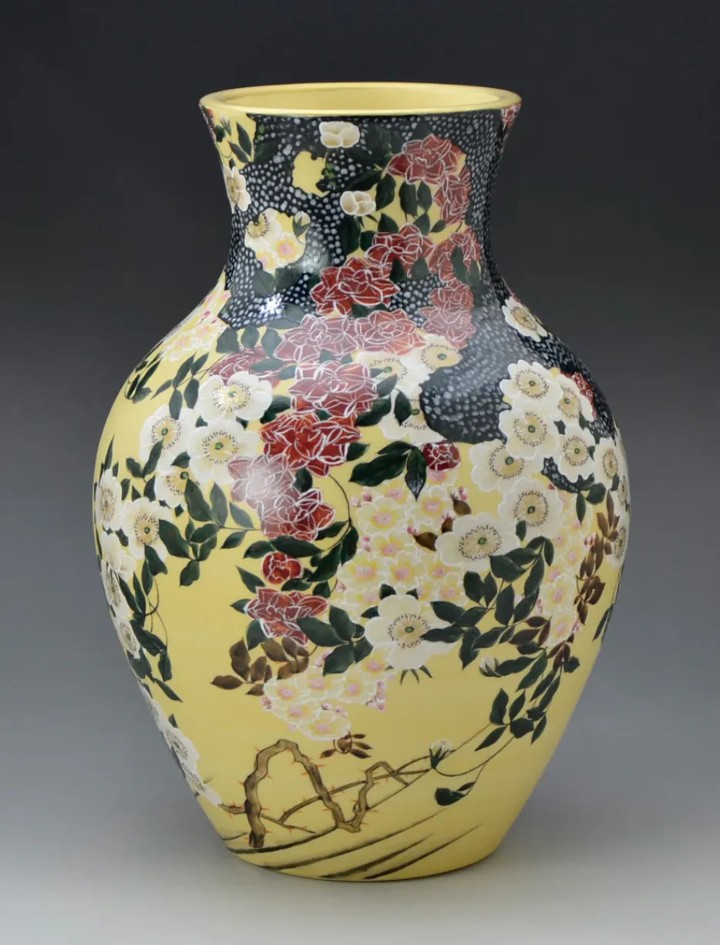
Kyō-yaki refers to Kyoto’s local pottery. Rather than indicating a particular type of ceramic-ware, however, the term Kyō-yaki simply refers to any pottery made within the Kyoto region. And in practice this includes quite a diverse range of ceramic techniques and styles.
With that said, Kyoto has a very long and distinguished history of producing unique ceramics. And Kyoto-ware certainly has its own distinctive flavor; setting it apart from the pottery produced in other regions of Japan.
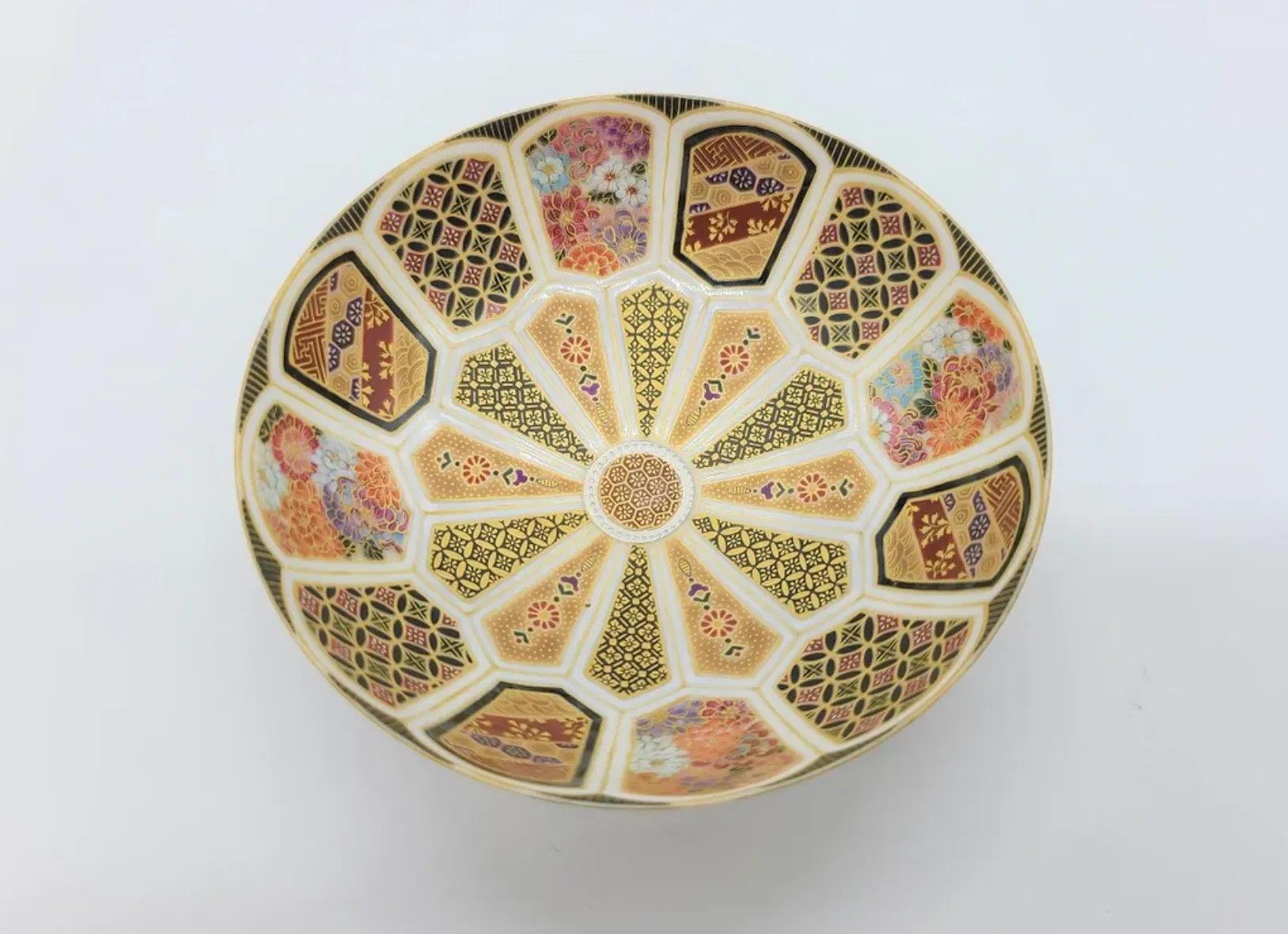
For a start, due to the nature of the local clay, Kyoto pottery invariably comes in the form of stoneware rather than porcelain. Meanwhile, you can typically expect to see a higher degree of painted and enameled embellishment than is common with pottery from most other areas of Japan.
The richly colored and exquisitely decorated pieces on offer from the Seika Dou are an excellent example of this local style. But lovers of elegant Japanese minimalism will also find plenty to get excited about in Kyoto, as demonstrated by the countless handsome pieces of ceramic tableware offered by Rikka Knot gallery.
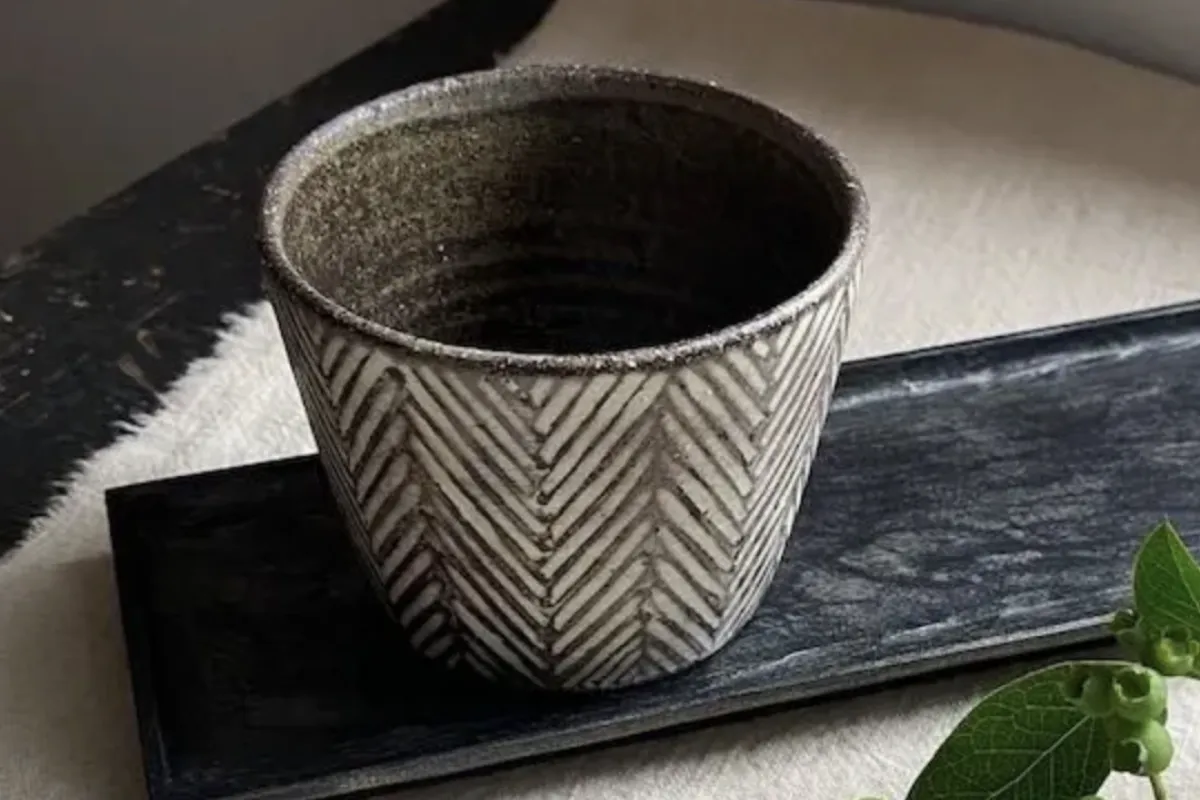
For more modern pottery knowledge, be sure to check out our in-depth guide to contemporary Japanese ceramics.
2. Kyō Sashimono
The term sashimono refers to all kinds of crafts made using traditional Japanese nail-less wood joinery techniques, of which Kyō Sashimono is one of the most revered schools. In recent years, Japanese joinery has become the subject of much fetishism on social media and beyond. And not without reason; an expertly crafted interlocking wood joint can truly be a thing of beauty in its own right.
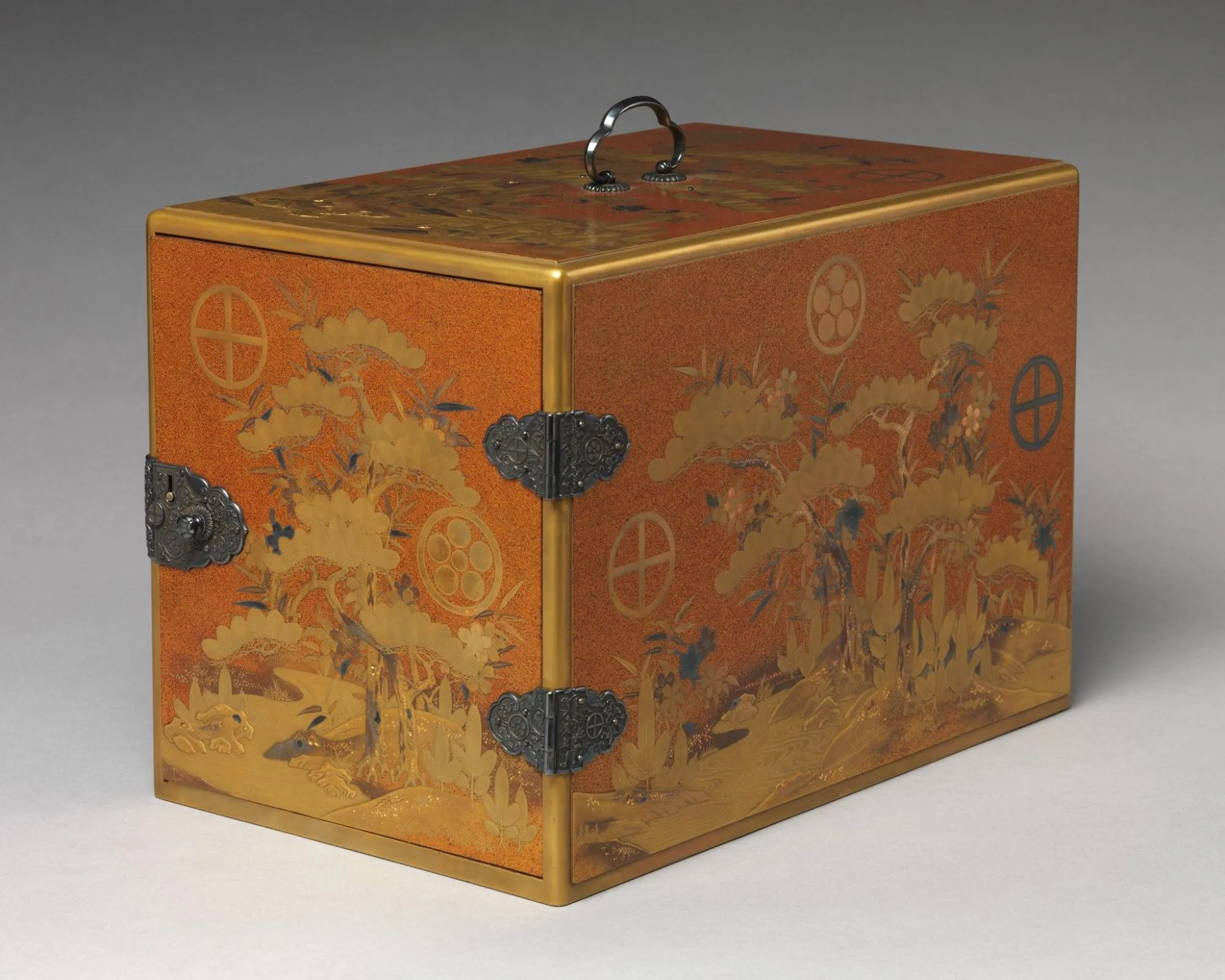 Image credit
Items made by means of Kyō Sashimono vary massively, meaning that there’s likely to be something for everyone here. However, for all their elegance, grand cabinets and other items of furniture might not make the most practical of souvenirs. But smaller items such as tea ceremony utensils, name-card holders, and petite wooden containers make ideal keepsakes that will be easy to transport home as lasting mementos of your trip.
3. Kyō Koma
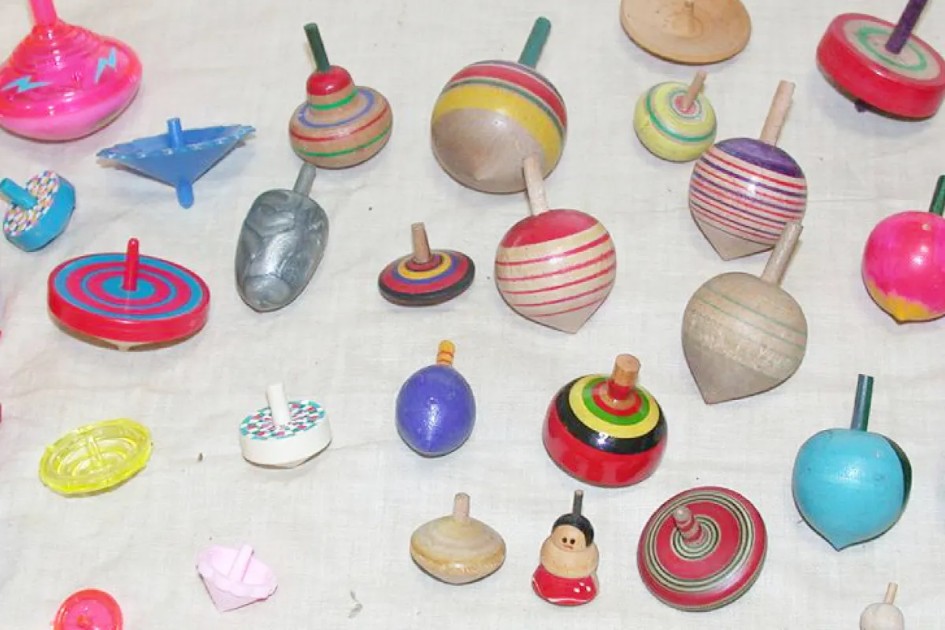 Image credit
Kyō Koma are delightful handmade spinning tops that were first invented during the Azuchi-Momoyama period as good luck charms for ladies of the nobility – only later becoming children’s toys. While spinning tops are not uncommon in Japan, most – like those shown above – are made of wood. What is unusual about Kyō Koma, however, is that they are made of brightly-colored kimono fabric, making them highly sought-after handmade souvenirs that are unique to Kyoto.
4. Nishijin-ori Textiles
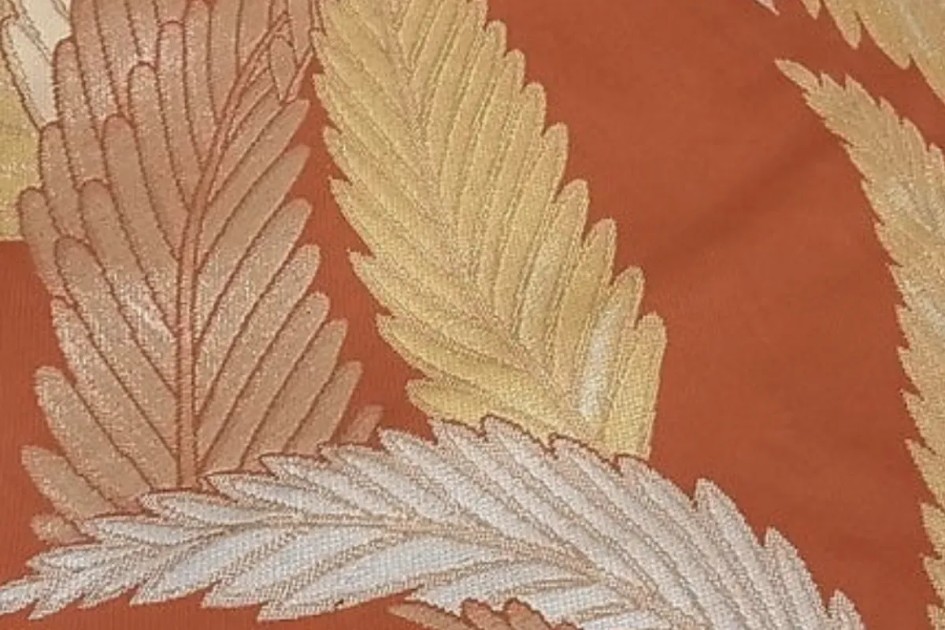
Nishijin-ori refers to the distinctive style of fabrics – usually luxurious silk kimono and obi, but also shawls, scarves, and many other items – that are synonymous with Kyoto. The name Nishijin literally means “western position” and reflects the historical origins of Kyoto weaving in the western part of the city. However, there is nothing unique about the weaving abilities of western Kyoto today, and excellent examples of Nishijin-ori now emanate from all over modern Kyoto.
Owing to the complexity of designs and the fine detail of the weaving, Nishijin-ori fabrics are extremely intricate, time-consuming, and laborious to produce. Most people would consider this a small price to pay, however, given that Nishijin-ori are undoubtedly among the absolute finest textiles the Japanese tradition has to offer.
That being the case, it’s perhaps not surprising that the pinnacle of Nishijin-ori can cost thousands of dollars for just a single meter of silk kimono fabric. Thankfully however, many more-affordable options also exist. Case in point; Kyoto store Heiwaya stocks a wide range of exquisite vintage and deadstock silk Nishijin-ori fabrics from less than $20 per meter!
5. Raku-yaki / Raku ware
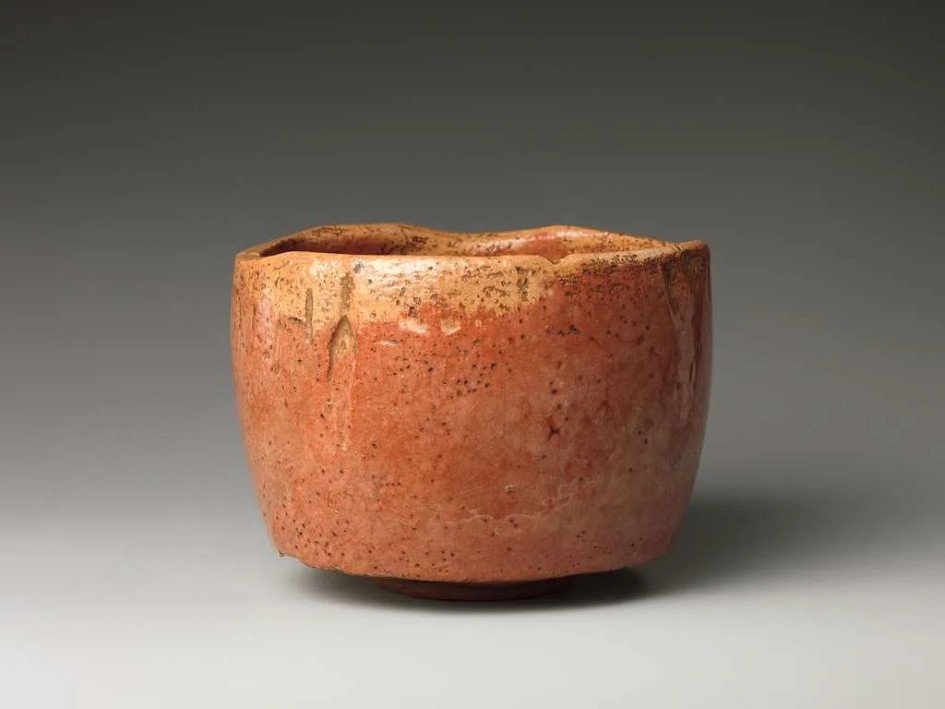 Image credit
As a Kyoto-born ceramic tradition, Raku-yaki technically falls under the category of Kyoto ware (see above). However, Raku ware is a pivotal Japanese pottery technique that not only strongly shaped the art of the tea ceremony but is undoubtedly what many of us think of when we think of Japanese pottery.
Indeed, Raku ware is so influential that it has effectively spawned an entire international sub-genre of pottery, attracting countless enthusiastic practitioners from across the globe. It also tends to contrast quite strongly in technique and style with the more typical Kyō-yaki pieces featured above. For all of these reasons, we believe that Raku-yaki is fully deserving of its own section here.
Original Japanese Raku ware usually comes in the guise of simple, organic hand-formed vessels, featuring earthy tones and rich metalic glazes that can vary from cream and orange through to red, brown, black, and even green. Raku-yaki gets its unique look from being rapidly removed from the kiln after only a short period of low-temperature firing, forcing the clay to cool rapidly in the open air. This adds a highly arbitrary and serendipitous element to the firing process, from which Raku ware undoubtedly derives a great degree of its charm.
To learn more about specific Japanese ceramic styles and techniques, be sure to consult our A-Z Guide to Japanese Pottery.
6. Kyō Sensu
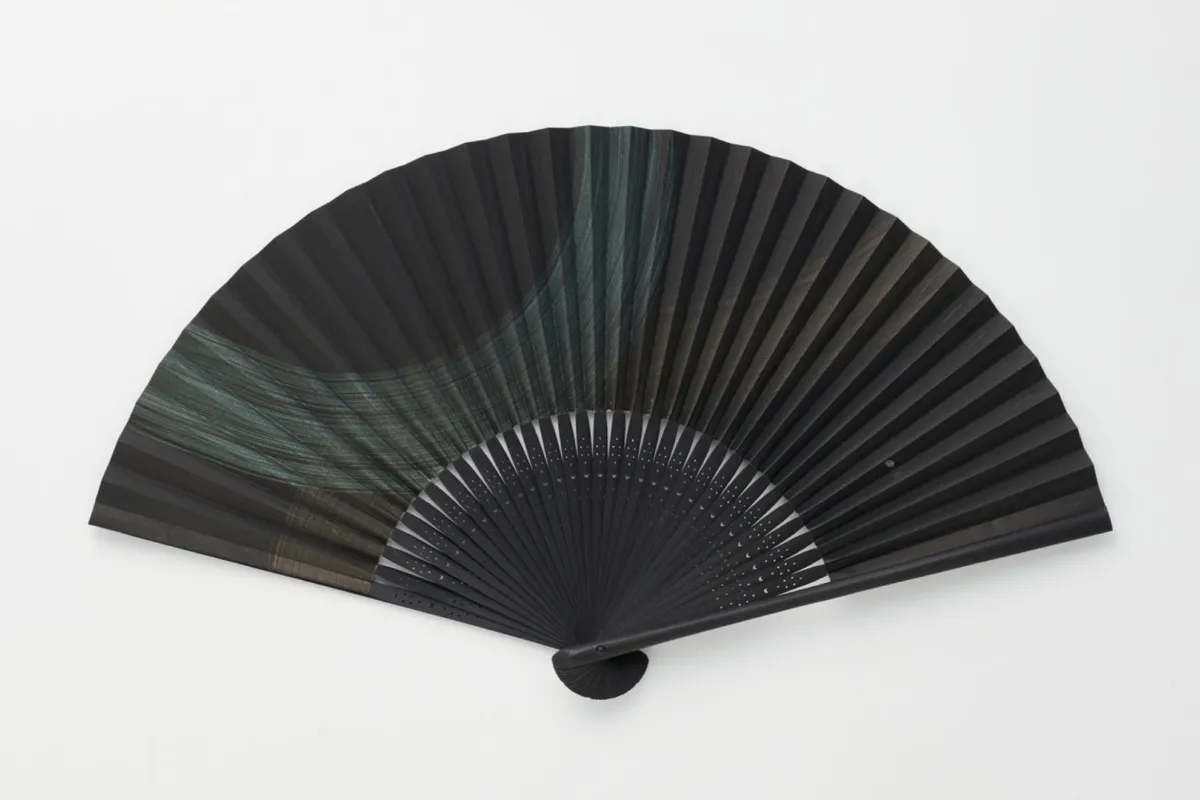
Sensu are Japan’s famous folding fans, typically made from either paper or silk. Sensu from the Kyoto region are among the most desirable in Japan and are referred to as Kyō Sensu.
Not only supremely stylish and practical, folding fans are important Japanese cultural products closely tied to Noh theater and traditional dance. The skilled artisans of Kyoto’s Onishi Tsune Shoten store have been producing traditional folding fans for over 100 years now, making it one of the most popular sources of traditional Kyō Sensu for in-the-know Kyotoites. You can check out a selection of the store’s designs at Wa Knot.
7. Kyō Shikki
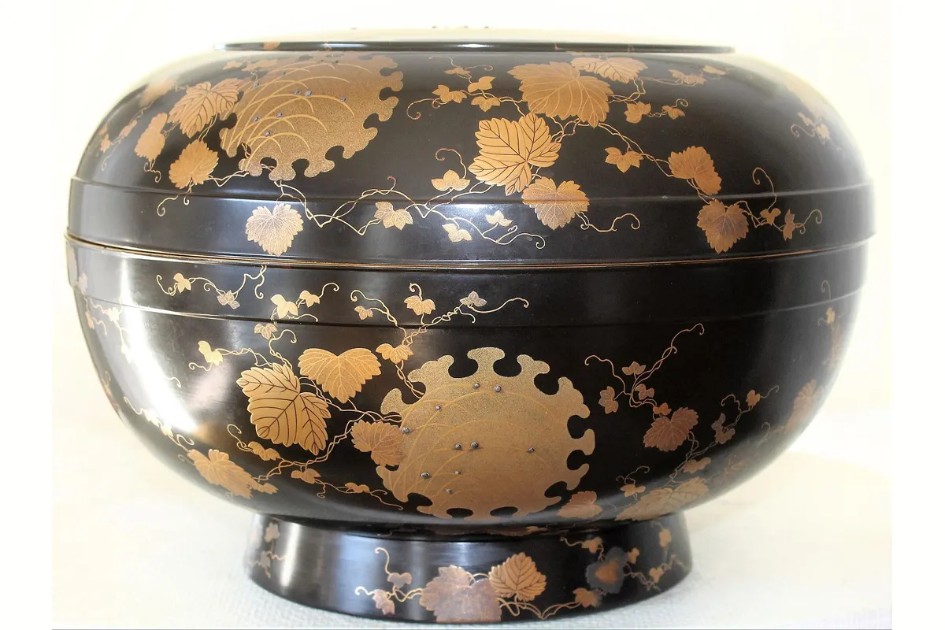
Image credit
Kyō Shikki is Kyoto’s take on natural urushi lacquerware; an arduos process by which wooden items are coated in layers of tree sap, and polished to create an exquisitely smooth and durable surface. Although various regions of Japan produce shikki lacquerware, Kyō Shikki is particularly renowned for its elegant and refined design.
To purchase lacquerware and other contemporary Japanese tableware items, be sure to check out this guide to Handmade Tableware in Japan.
8. Kyō Yuzen
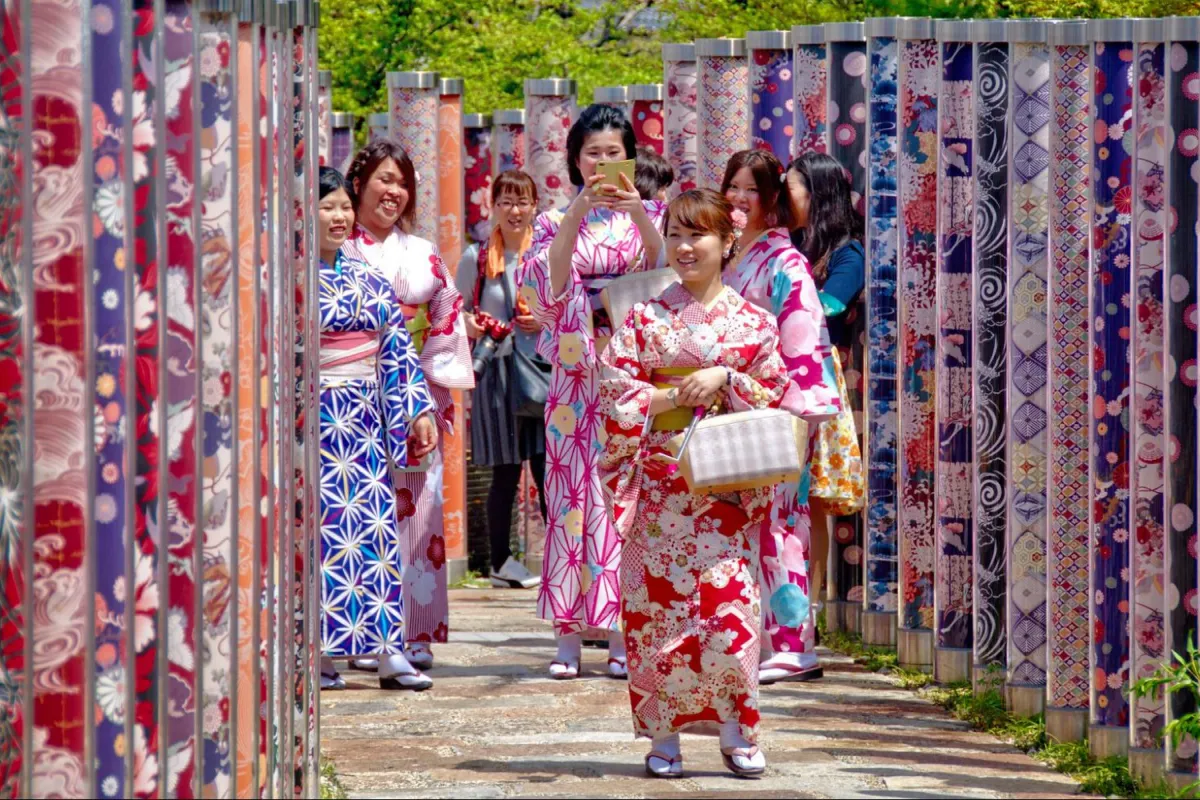 Image credit
Kyō Yuzen are textiles made using a resist-dye technique that involves applying glutinous rice starch to silk fabric through an intricately carved stencil. The fabric is then steamed to fix the design in place and the rice-paste is removed. Typically the process is repeated numerous times – once for every color in the design – with each step requiring the production of a separate stencil.
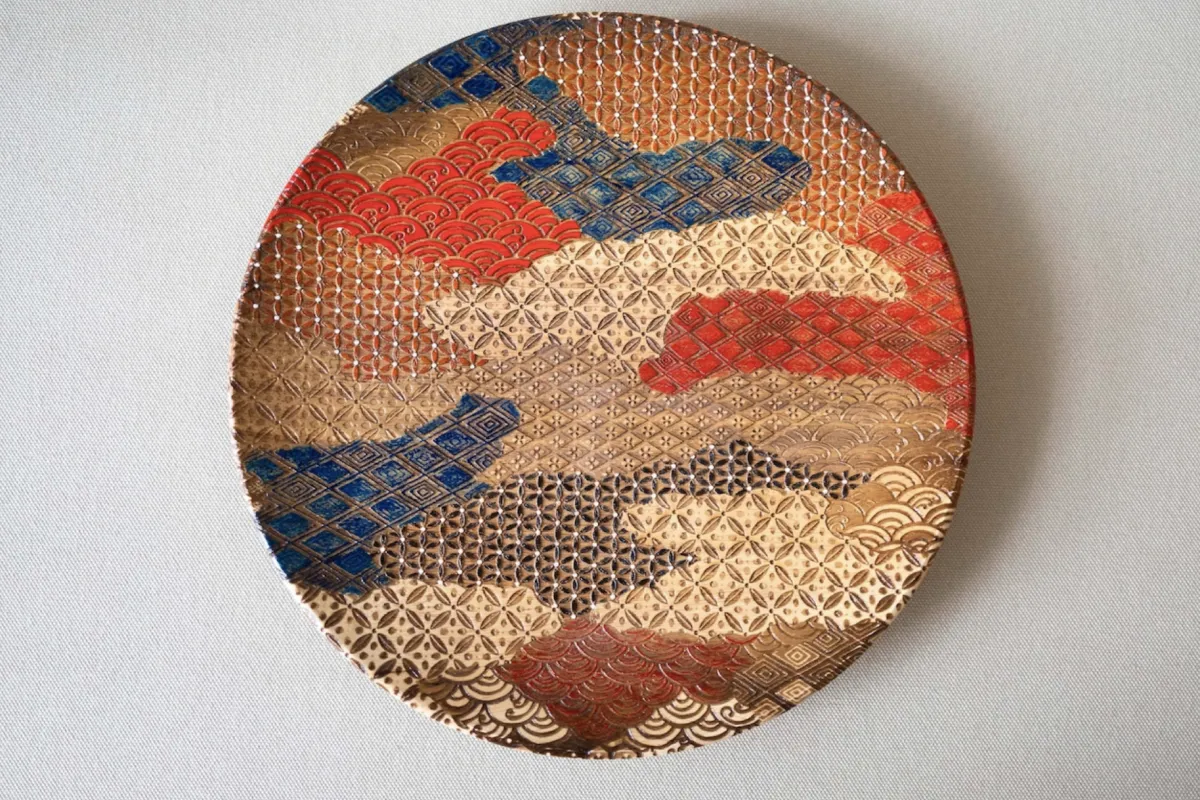
Kyō Yuzen allows for the creation of very complex designs with great precision, but involves a lot of extremely detailed and time-consuming work. As kimono have become less popular over the last century, it is increasingly difficult to find operational Kyō Yuzen workshops in the Kyoto area. In an attempt to preserve this valuable cultural tradition, one resourceful Kyō Yuzen workshop by the name of SanSai Studio decided to diversify its offerings, applying the same skills required for carving Kyō Yuzen stencils to other items. The result is a range of super-detailed engraved and hand-colored wooden tableware.
9. Kyō Kumihimo
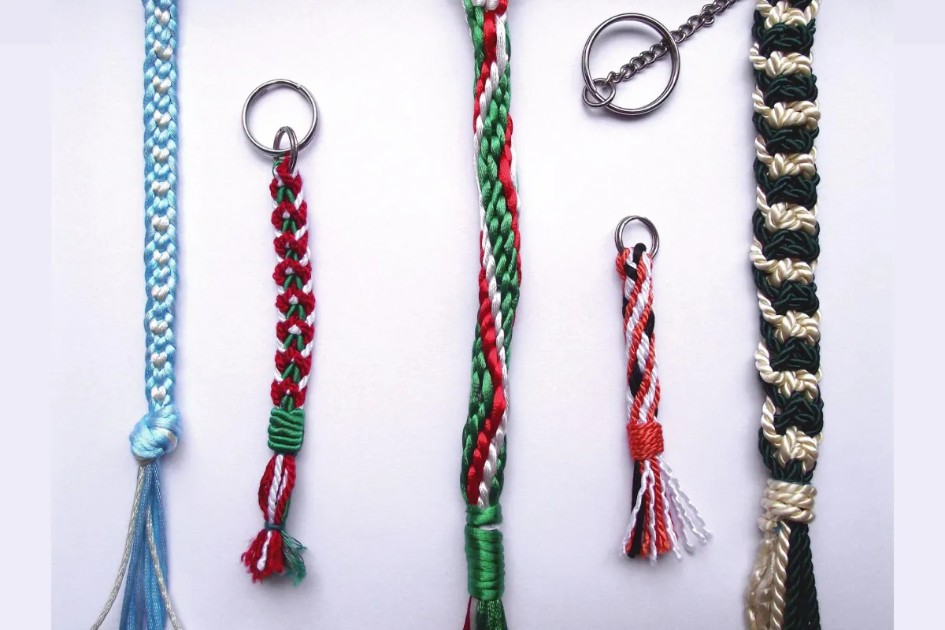
Image credit
Kyō Kumihimo is a centuries-old technique of braiding silk threads into elegant cords. Developed during the Heian era, this method employs multiple strands – often more than three – to form vibrant, intricately patterned braids.
Kyō Kumihimo cords are known for their flexibility and strength, making them ideal for various traditional uses. They can be found adorning kimonos, complementing tea ceremony utensils, or serving in Buddhist ceremonies. Being both highly functional and extremely attractive, Kyō Kumihimo braided cords now also find their way into jewelry, keychains, and other more contemporary designs too.
10. Kyō Washi
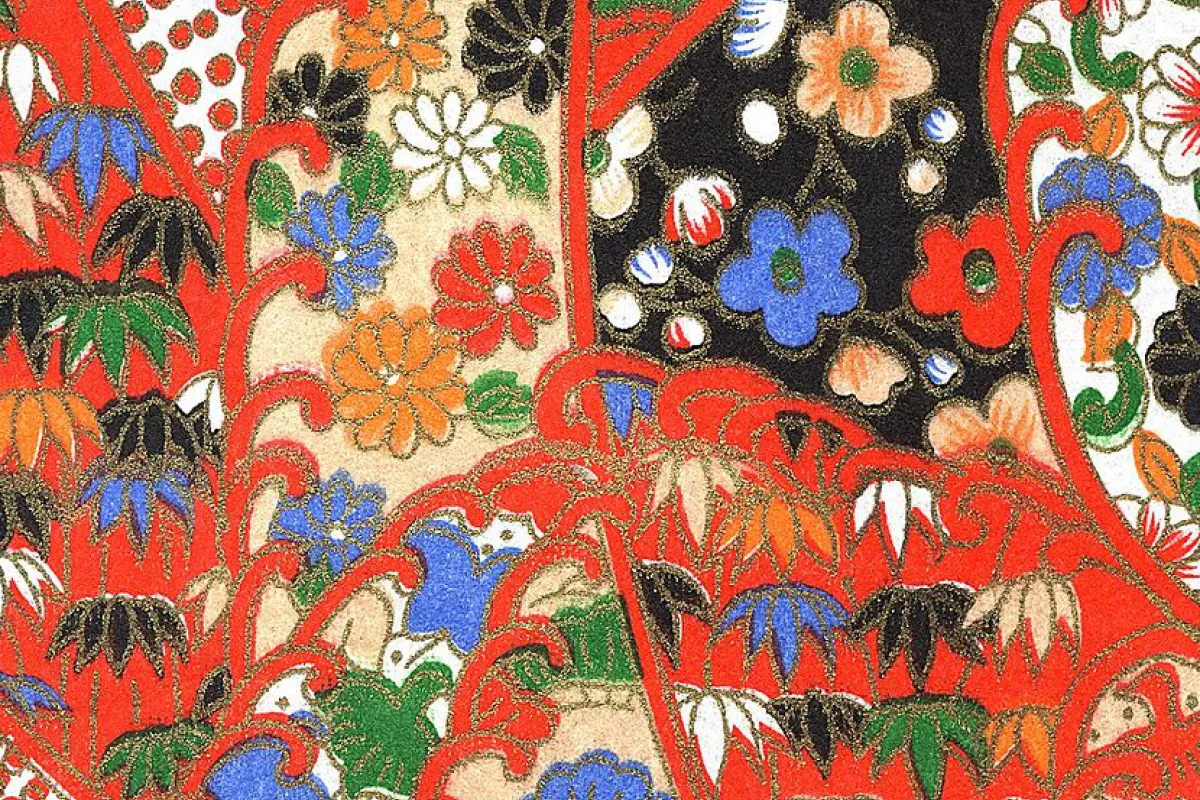 Image credit
The term Kyō Washi refers to local Kyoto paper crafts. Closely connected to the art of Kyō Yuzen (see above), many Kyō Washi paper designs strongly resemble the motifs of local kimono fabric, and are typically made by means of a similarly complex and time-consuming process.
While often very beautiful in itself, Kyō Washi is frequently put to a variety of other uses, including wrapping gifts or making origami and chigiri-e (hand-torn paper collage). Kyō Washi is also used in the production of items like fans, lanterns, and even innovative biodegradable clothing.
Where to Buy Traditional Kyoto Crafts
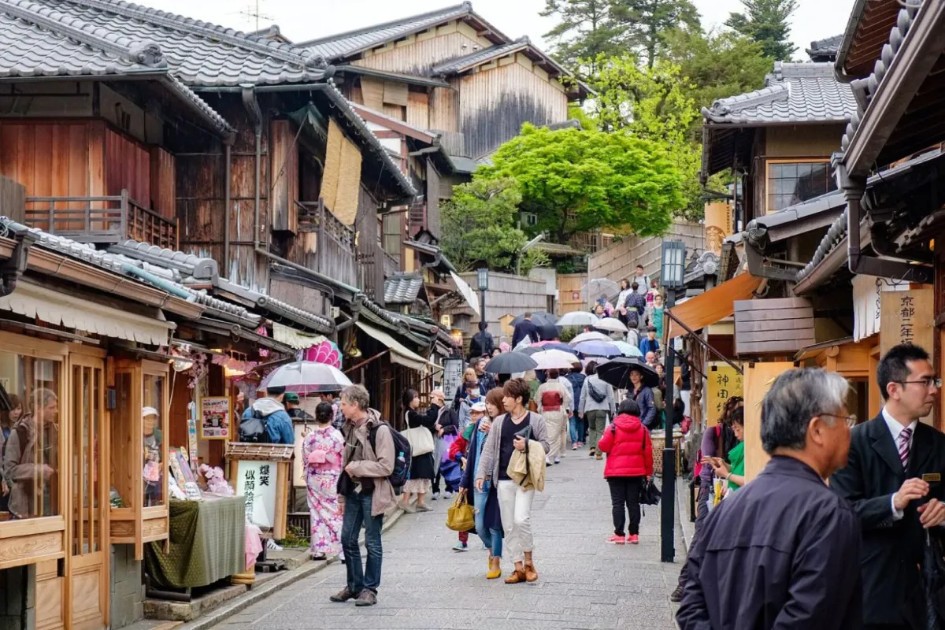 Image credit
If you are visiting Kyoto in person, you will be able to purchase many of Kyoto’s traditional handicrafts directly from small boutiques and artisan-run stores in the city. For ceramic enthusiasts, for example, a visit to Gojōzaka and surrounding areas is unmissable. Meanwhile, craft and flea markets such as those held once a month at Tōji Temple and Kitano Tenmangu Shrine are the highlight of many a visitor’s stay. Additionally, the gift shop at the Kyoto Museum of Crafts and Design also stocks a limited range of handicrafts by exemplary Kyoto artisans.
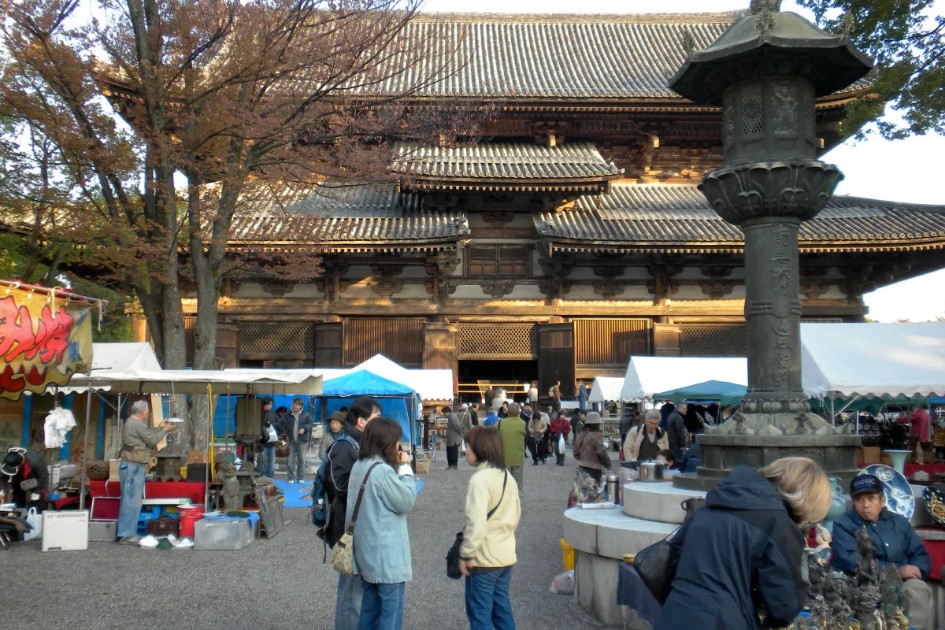 Image credit
If a trip to Japan isn’t on the immediate horizon, however, then ordering directly from Japanese artisans, stores, and galleries is going to be your best bet. The good news is that even many quite small and exclusive Japanese craft-makers now have online stores of their own. The bad news, however, is that a great many of these aren’t really set up for selling to customers overseas. Indeed, even when it comes to sellers who are, theoretically, willing to ship internationally, communication and payment can frequently be a challenge.
Thankfully, though, ordering traditional Kyoto crafts direct from Japan is easy with ZenMarket. To order from stores such as SanSai Studio, Heiwaya, Rikka Knot, Seika Dou, and Wa Knot, just sign up for a free ZenMarket account, and we’ll take care of everything for you; from ordering your chosen items and communicating with the seller to making payment and arranging international shipping. This includes even Japanese stores that won’t ship overseas.
Conclusion
From intricately woven textiles to whimsical spinning tops and earthy ceramics, Kyoto’s traditional crafts offer far more than mere aesthetic appeal. Whether discovered in tucked-away boutiques, bustling flea markets, or ordered from afar, each handcrafted piece brings a slice of Kyoto’s history into your daily life.
Sign up for a free ZenMarket account now, and begin exploring the wide range of traditional Kyoto crafts available from our Japanese partner sellers; timeless gifts honoring the enduring spirit of Japanese craftsmanship!
Have you signed up for ZenMarket yet?
ZenMarket is the place to get your hands on goods directly from Japan!
Sign up