When it comes to the fascinating world of samurai armor, one particular item demands special attention; the iconic Japanese samurai helmet known as a kabuto. More than merely a piece of protective headgear, the kabuto embodies the spirit of samurai culture and excellence, blending functionality with deep symbolism and artistry. A helmet that not only safeguarded warriors in combat, but also signified their honor, status, and identity off the battlefield as members of the samurai class.
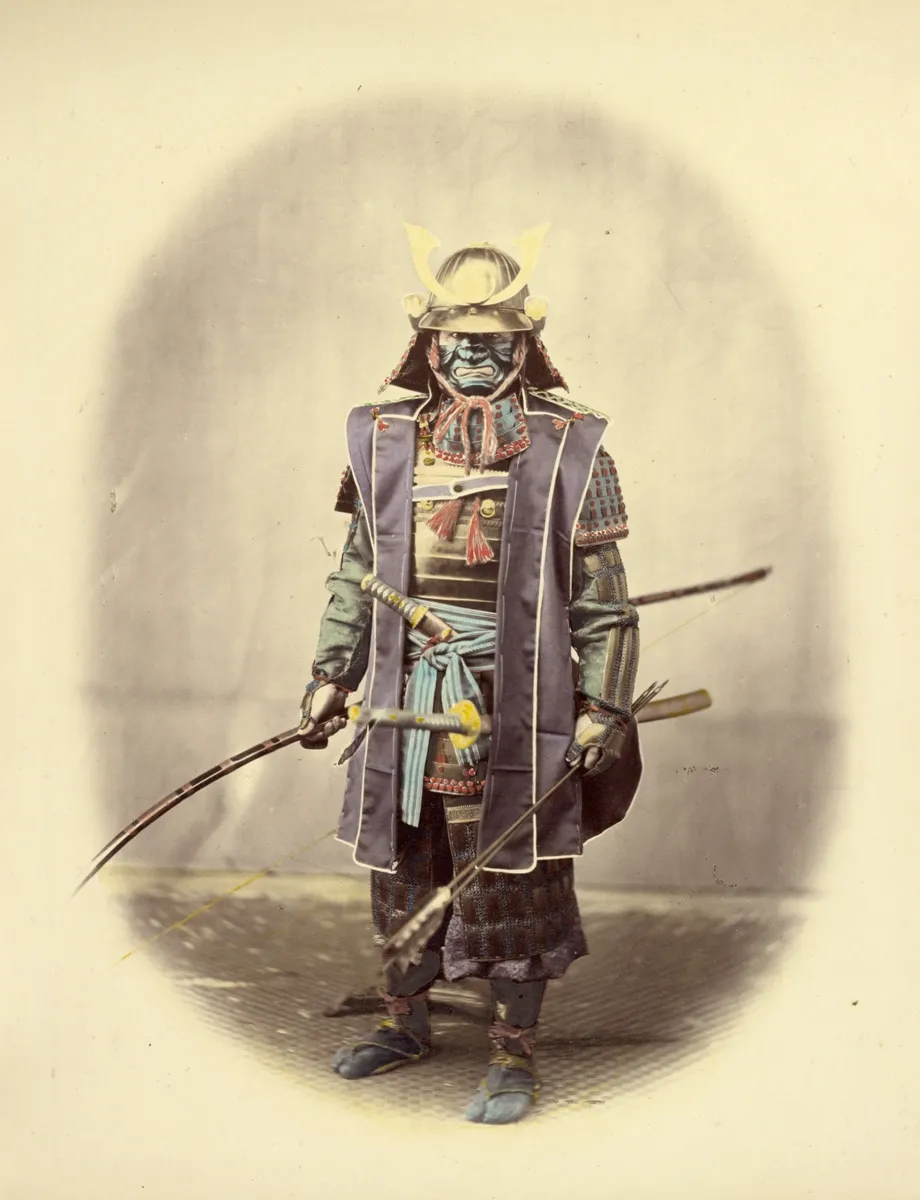
Military commander Koboto Santaro in Japanese samurai helmet and body armor, as photographed by the Anglo-Italian photographer Felice Beato. Image source.
With kabuto first emerging around 900 AD in Japan’s Heian period, the history of samurai armor is long and illustrious. But while the daimyo may no longer reign, the iconic design of samurai armor – and kabuto in particular – continues to hold a strong influence over contemporary culture and design.
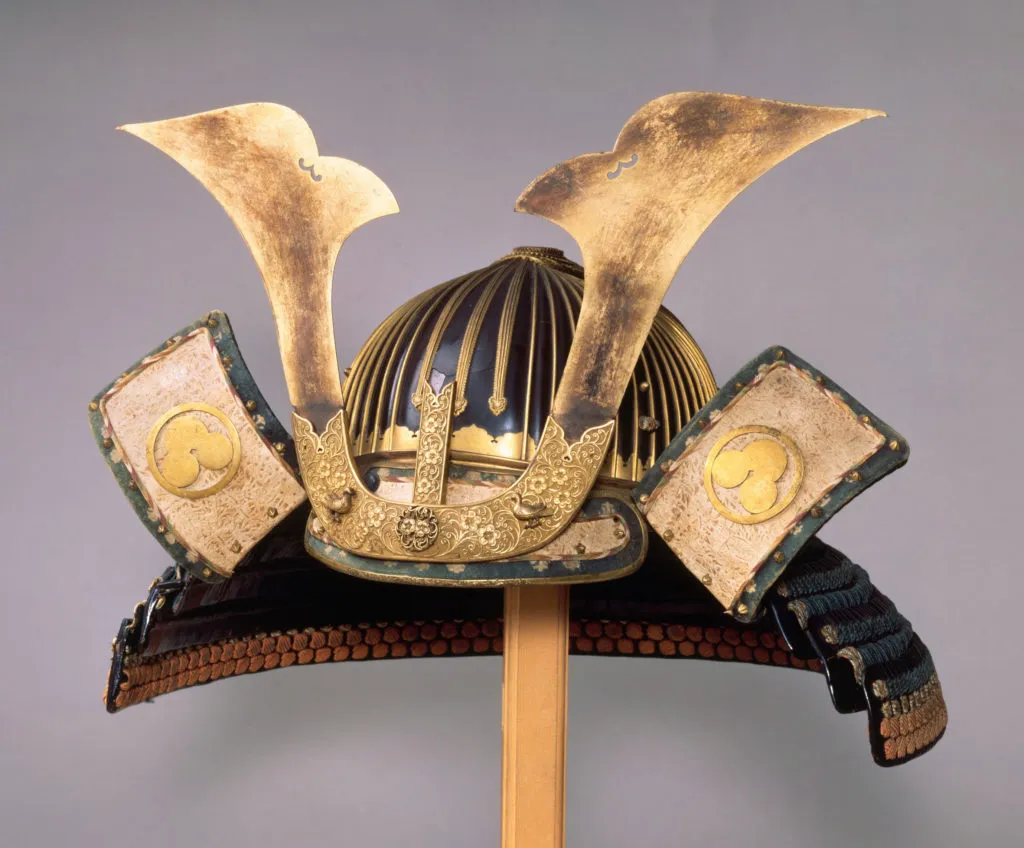
An impressive example of the Japanese samurai helmet known as kabuto. Image source.
In this article we follow the story of kabuto through four lenses: the history of samurai armor from early epochs to the Edo period; the artistic and functional design elements that make up a kabuto masterpiece; the profound cultural significance of kabuto; and the modern legacy of Japanese samurai helmets in contemporary culture, art, and fashion.
What Is Kabuto?
Kabuto is the traditional Japanese samurai helmet that today stands as an iconic symbol of samurai culture. Kabuto were composed of several key components designed to offer protection, display allegiance, and project power. This means that in order to fully grasp what is kabuto, we will need to consider everything from its physical structure to its practical application – and even its symbolic role within samurai society.
The History of Samurai Armor
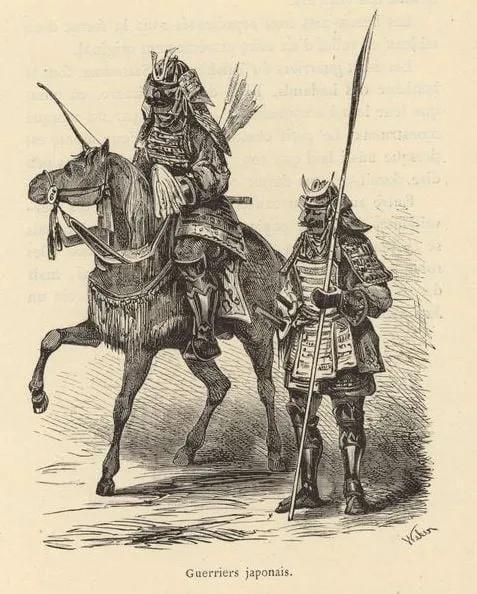
Early samurai warriors. Image source.
To truly understand kabuto, we must first look at its emergence within the history of samurai armor and the samurai class more generally. The samurai originally came into being during the Heian period as mounted warriors serving the nobility, and the first samurai armor was intended primarily for archers fighting on horseback.
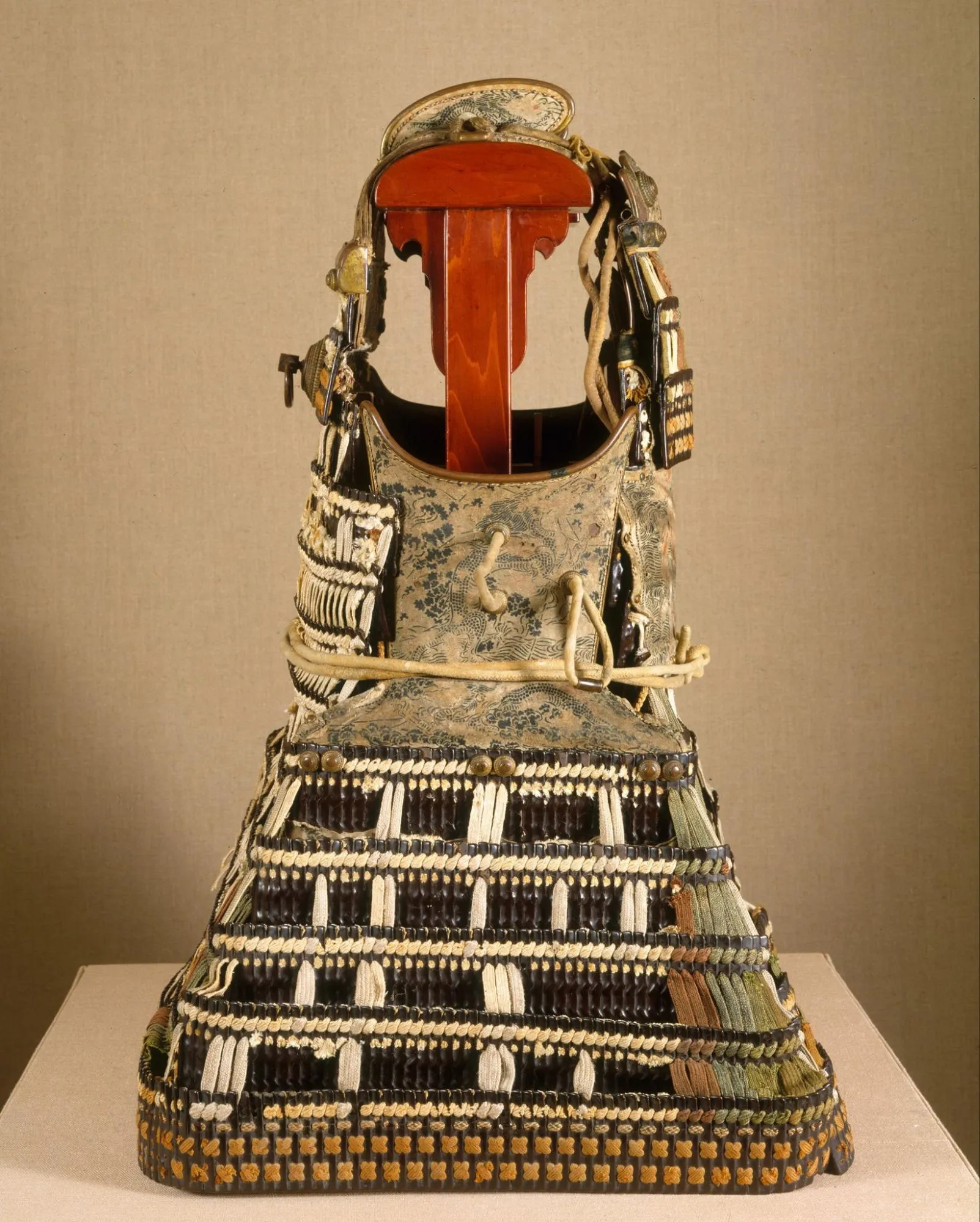
An example of ō-yoroi from the early 14th century. Image source.
This early armor featured the ō-yoroi (great armor); a relatively heavy, boxy, and ornate item that was designed to provide both protection and mobility while riding. The construction of ō-yoroi primarily focused on protecting the left side of the wearer, which was most vulnerable to enemy attack.
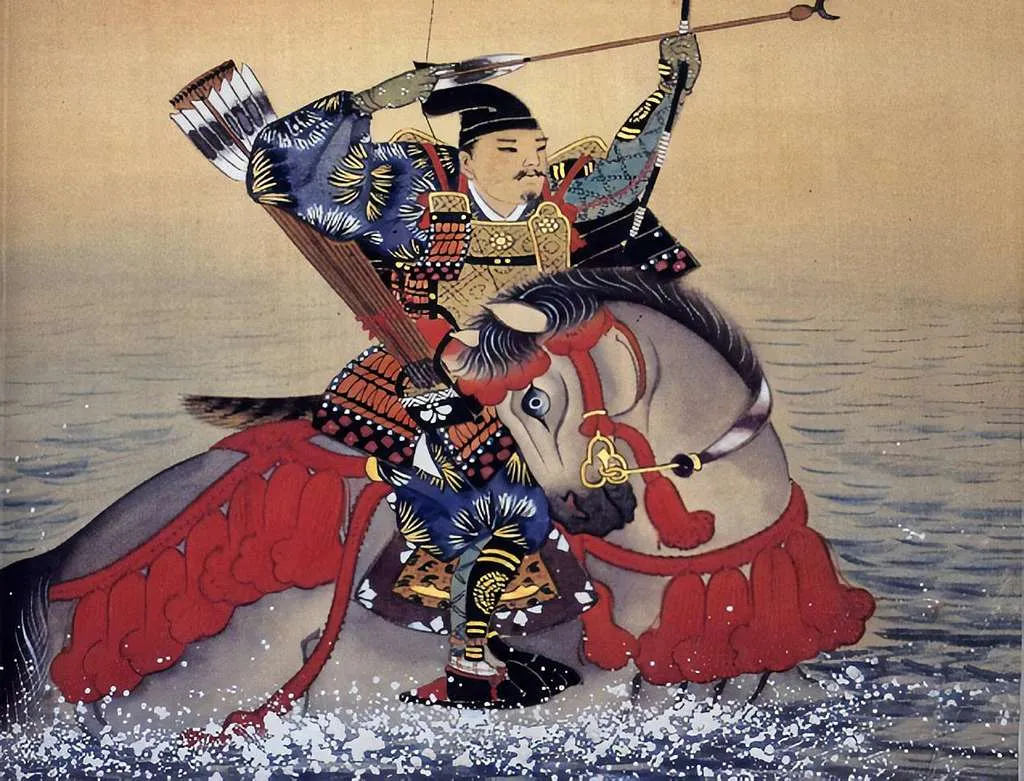
A scroll painting of the famous samurai archer Nasu no Yoichi during the Battle of Yashima in 1184 (Heian period). Image source.
As samurai warfare evolved, however, so did the armor. In fact, throughout the history of samurai armor, its construction has become progressively more robust. Indeed, when samurai came to fight more on foot than horseback, the samurai arsenal expanded to include a diverse range of weapons, such as the naginata (polearm) and yari (spear). And by the Kamakura period (1185–1333), samurai warriors also had to withstand heavy blows from the tachi sword.
In reaction to this, newer armor was made from overlapping iron plates riveted together to form a strong, rounded bowl known as a hachi. It was from this first Japanese samurai helmet design that the sturdy kabuto evolved.
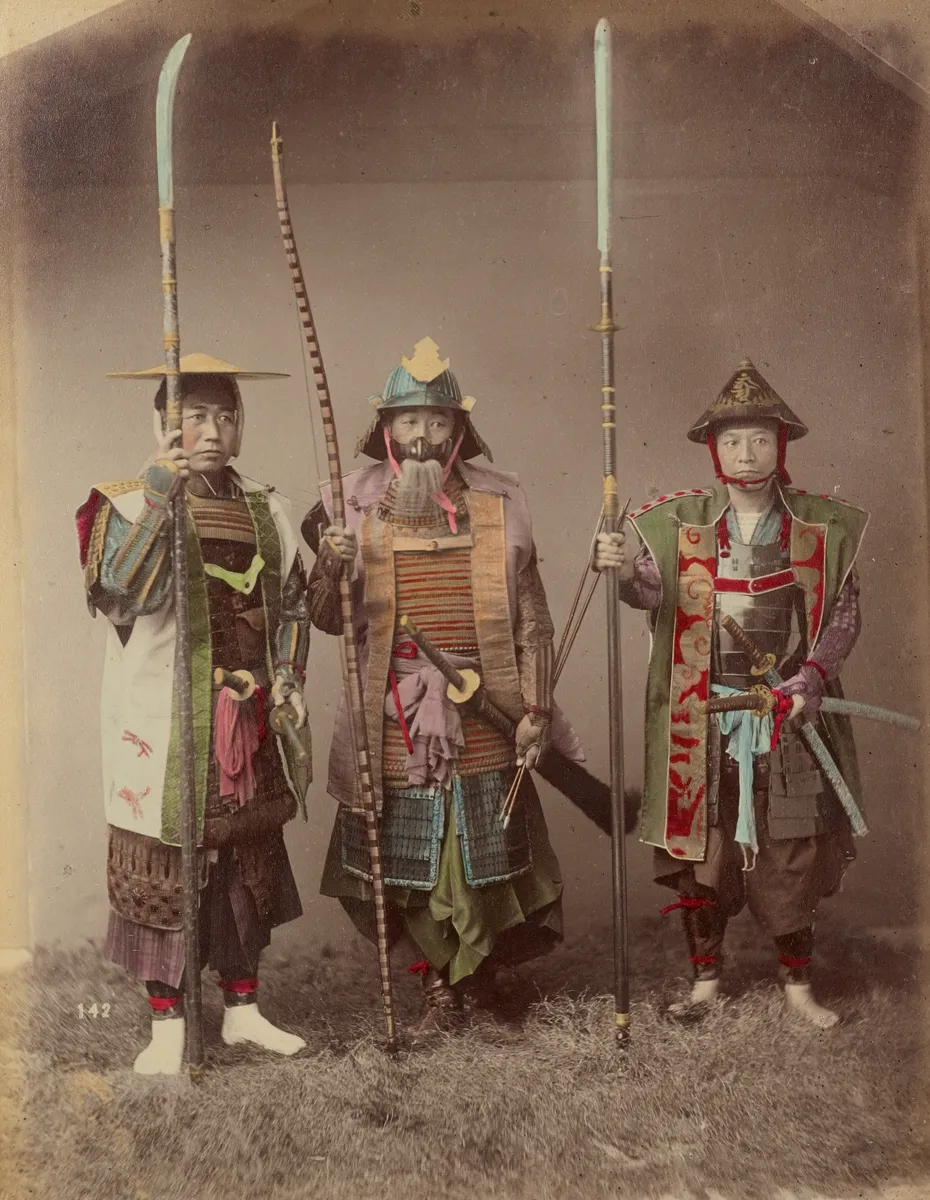
Samurai in armor with a variety of weapons, as immortalised by the photographer Kusakabe Kimbei. Image source.
The Evolution of Kabuto
The earliest Japanese samurai helmets were relatively simple and typically made from iron, steel, hammered copper, and sometimes leather – often lined with cloth for comfort. These functional beginnings offered a genuine degree of protection but soon gave way to greater sophistication, both in terms of practical use and symbolic design.
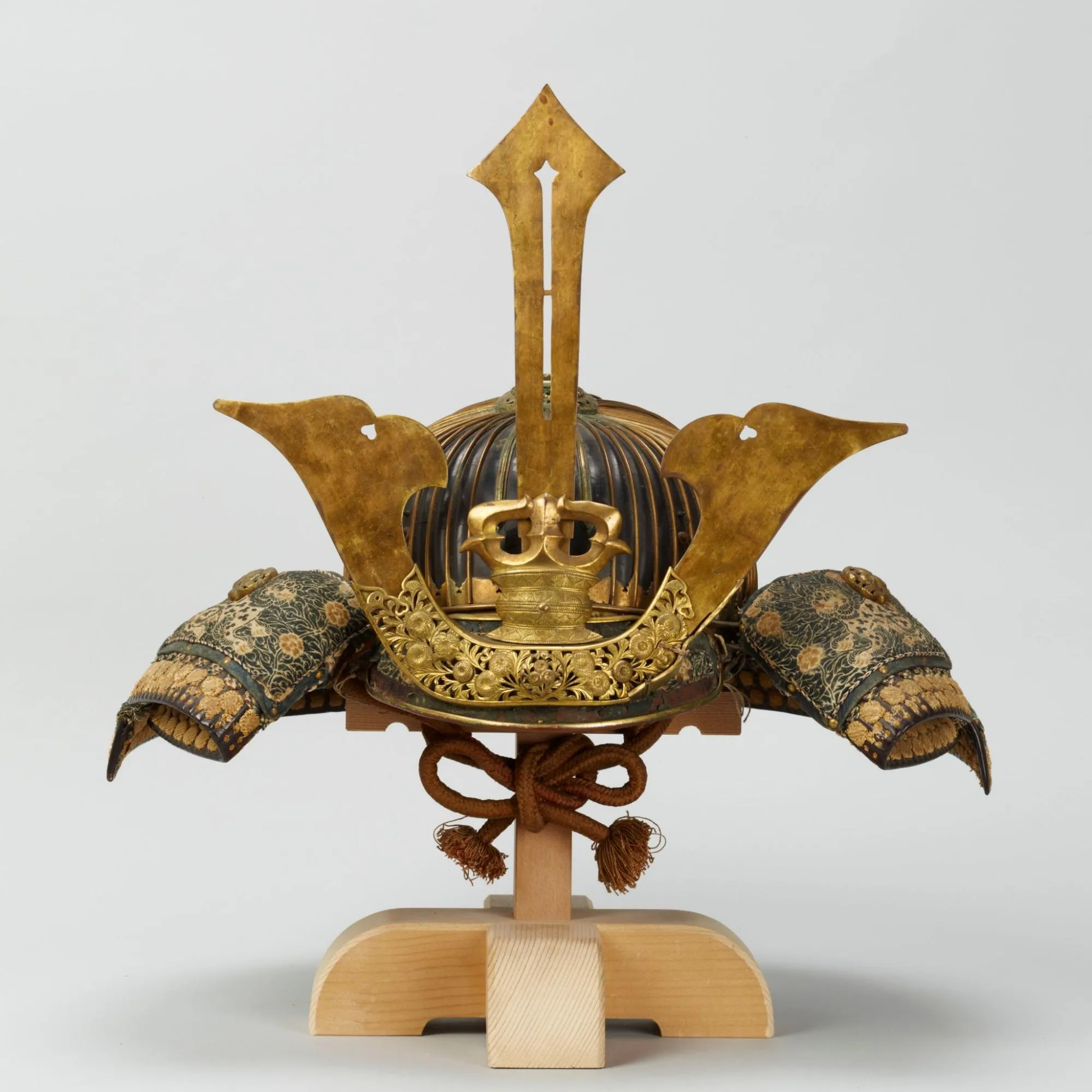
A 15th Century Muromachi period kabuto in the Tokyo National Museum. Image source.
The Nanboku-chō (1336–1392) and Muromachi (1336–1573) periods brought much more refined craftsmanship to kabuto, introducing folded joints and riveted plates that enhanced both strength and decorative potential. Now lighter, more flexible designs became widespread, making it easier for foot soldiers to remain nimble on the battlefield.
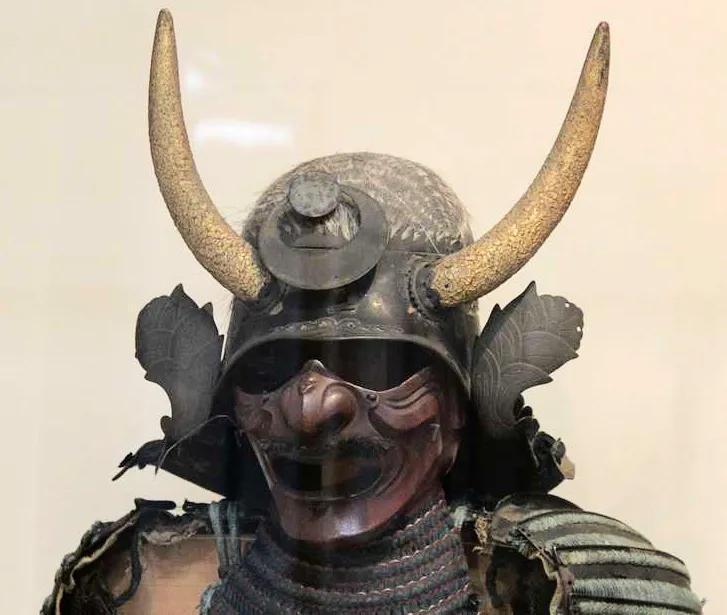
A particularly fierce kabuto, designed to achieve maximum psychological advantage on the battlefield. Image source.
The Sengoku era (1467–1590) was marked by near-constant conflict, and saw the development of armor that included elaborate helmet crests and face masks. These were designed as much for their ability to intimidate the enemy as for their functionality and often incorporated deliberately terrifying design elements.
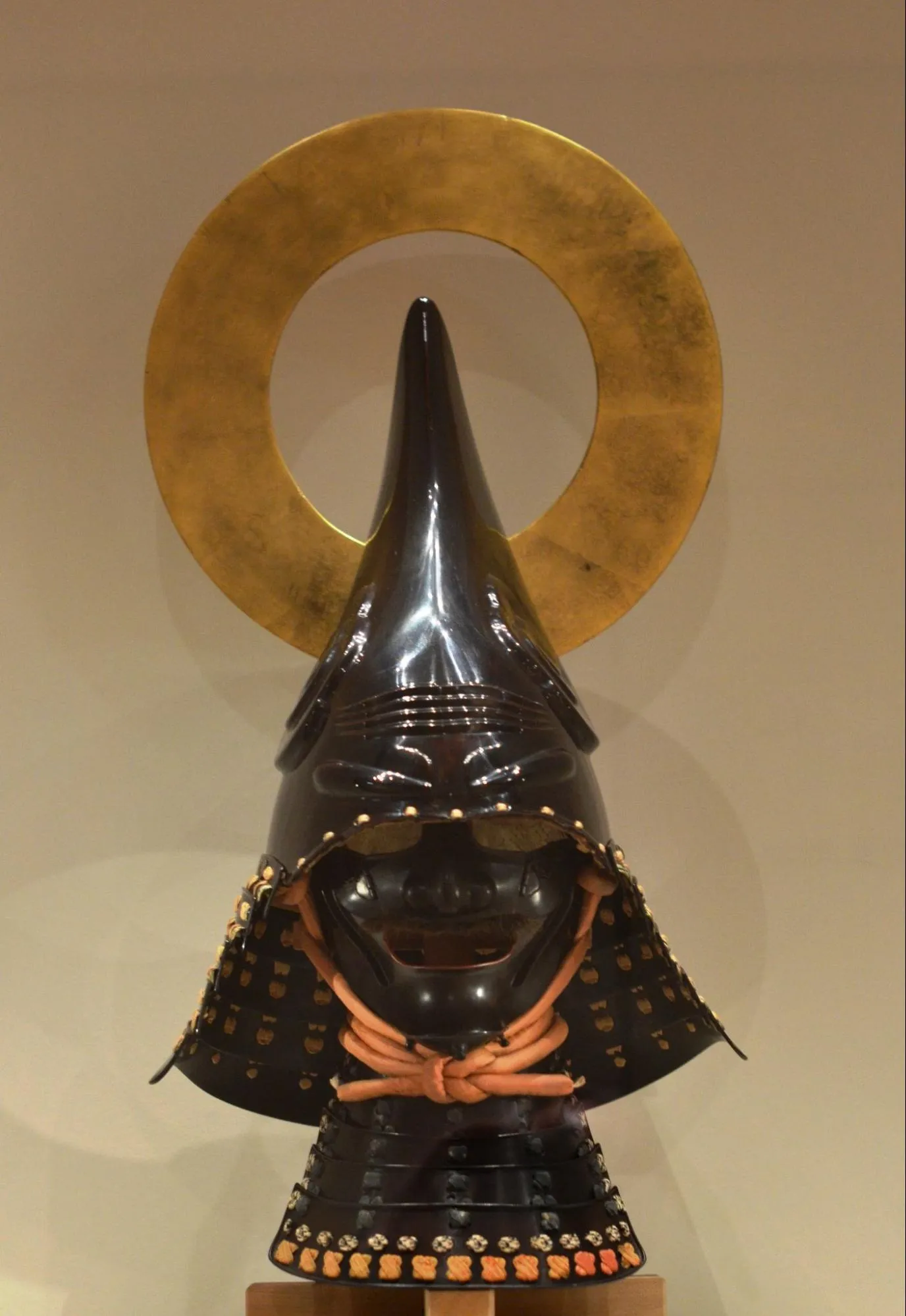
An Edo period Kawari Kabuto. Image source.
During the Azuchi-Momoyama and Edo eras (late 16th to 19th centuries), Japan enjoyed much longer periods of peace. Consequently samurai armor transitioned from battlefield utility to more ceremonial and symbolic uses. This resulted in the lavishly decorated Japanese samurai helmet known as kawari kabuto. As much as protective armor, these helmets were also cultural and spiritual symbols; featuring clan emblems, mythical motifs, and personal icons reflecting the samurai’s revered place in society.
Bushidō
Throughout all these eras, one thing remained a constant influence on the design of kabuto; the samurai principles of bushidō. Encompassing loyalty, honor, and courage, these core samurai values determined kabuto’s function and form right from the start, dictating both practical and aesthetic decisions.
The Artistic and Functional Design of Japanese Samurai Helmets
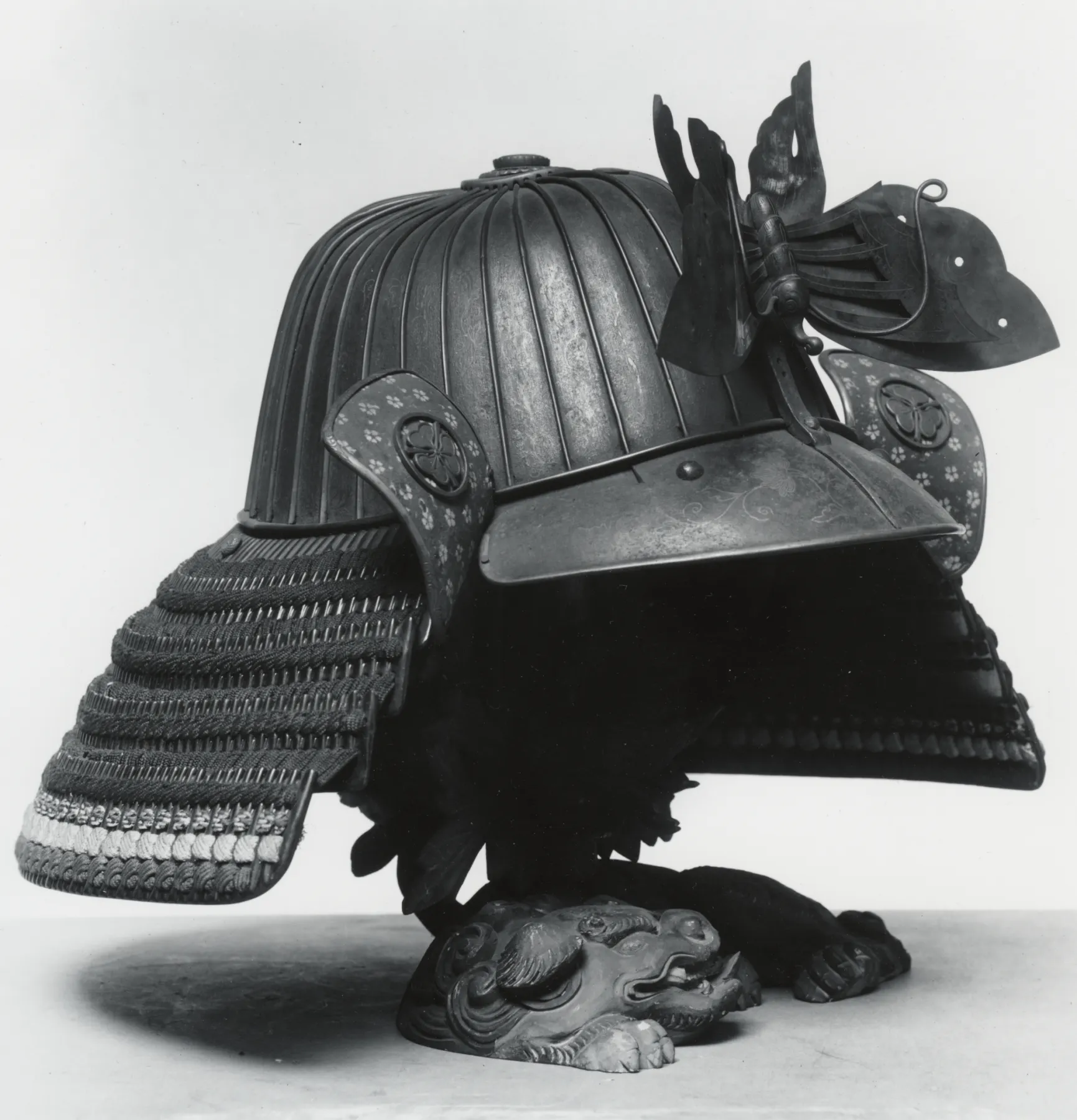
An especially elegant example of kabuto, clearly showing the main design elements. Image credit.
Inseparable from kabuto’s practical design is its artistry. Carefully engineered components were combined in such a way as to create helmets that were in equal parts resilient, symbolic, and visually striking. Construction of kabuto was not the responsibility of a single craftsman, but a collaborative effort relying upon the skills of several master artisans – such as metalworkers, silk threaders, and lacquer specialists – all working together to create this complex and ornate piece of military hardware-cum-apparel.
Five key elements define the design of kabuto:
- Kabuto Bachi (Helmet Bowl): This sturdy dome-shaped bowl was forged from riveted iron or steel plates and formed the helmet’s main protective core.
- Fukikaeshi (Side Flaps): Curved guards on each side of the helmet shielded the temples and deflected sword blows while enhancing the helmet’s intimidating silhouette.
- Shikoro (Neck Guards): Composed of lacquered plates laced with thick silk cords, the shikoro shielded the neck while still allowing a degree of flexibility and fluidity of movement during combat.
- Maedate (Front Crest): Conveying personnel and clan identity, while also offering spiritual protection, this prominent ornamental element frequently depicted clan symbols, animals, or mythical creatures such as dragons.
- Kuwagata (Horn-like Ornament): Often paired with the maedate, the kuwagata’s horn-like projections symbolized samurai fierceness and spiritual might while further adding to the imposing physical appearance of the wearer.
The Cultural Significance and Symbolism of Kabuto
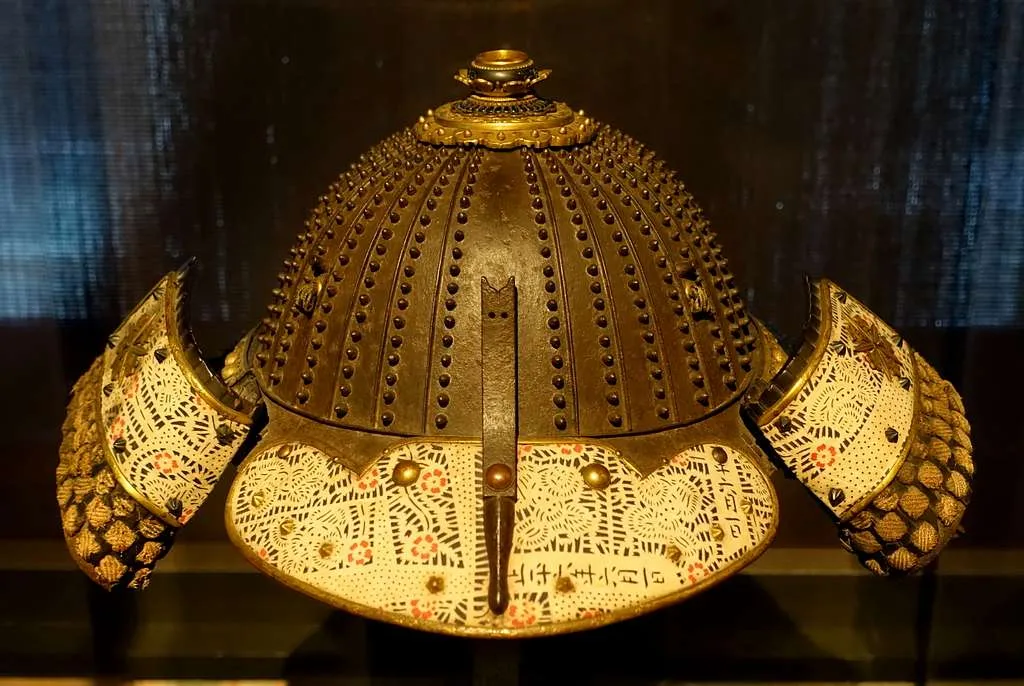
An Edo period kabuto displaying rugged riveting and exquisite design. Image source.
Over time, Kabuto transcended its practical purpose to become a profound symbol of samurai identity; embodying ideals of loyalty, bravery, and honor central to the samurai ethos. Each kabuto served as a status symbol, proudly showcasing family lineage, displaying personal achievements, and reinforcing spiritual values.
In the hope of securing greater success on the battlefield, many helmets also incorporated talismanic crests believed to protect the wearer from harm or invoke divine favor. Dragons represented wisdom and power; crescent moons symbolized nobility; and fierce horns emulated wild beasts, inspiring courage and striking fear into the hearts of foes. This symbolism was woven into the samurai code, where wearing a kabuto attested to acceptance of life’s hardships and readiness for honorable death in service to one’s daimyo.
While ronin warriors may have long since left the battlefield, kabuto helmets retain a significant cultural role in Japan even today. For example, during Boys’ Day festivals (Tango-no-Sekku in Japanese), ornamental kabuto are displayed to symbolize strength and protection, sending wishes for boys’ health and bravery. Meanwhile, museum collections worldwide display kabuto artifacts as priceless emblems of Japan’s rich martial heritage, frequently admired for their fine craftsmanship and rich narrative symbolism.
The Contemporary Legacy and Influence of Japanese Samurai Helmets
Not only are kabuto of great historical significance, but the influence of kabuto designs has sustained well into the modern era, too. In fact today kabuto have achieved global relevance through genres as diverse as cinema, anime, manga, video games, fashion, graphic design, and collectible figures. Pretty impressive for an old iron hat!
For example, Leftfield’s classic electronica LP from 1999, Rhythm and Stealth, owes a significant part of its iconic status not only to the innovative music contained within, but also to its armor-emblazoned cover with a formidable horned-kabuto at center stage.
But it is perhaps nowhere more than in contemporary fashion that the kabuto has made its presence felt, with numerous designers referencing the history of samurai armor in their creations.
- Jun Takahashi of Undercover has incorporated kabuto design elements into various collections, creating prominent kabuto-esque crests and layered armor-like features such as in this runway show from A/W 20/21.
- Craig Green very successfully channeled the bold design and imposing presence of samurai armor for his 2020 Moncler Genius hookup, turning ronin warriors into modernist and martially-inclined Michelin Men, fitted out with protective kabuto.
Kabuto’s Modern Appeal
As a bridge between Japan’s martial past and ever evolving cultural identity, kabuto remains a potent symbol of strength, artistry, and heritage even today. Contemporary Japanese artisans keep the craft of kabuto-making well and truly alive, producing traditional helmets for collectors and cultural events that take place not only in Japan but all around the world.
Kabuto-inspired designs remain popular, too, and here we’ve selected a few of our favorites from recommended partner store Samurai Age.
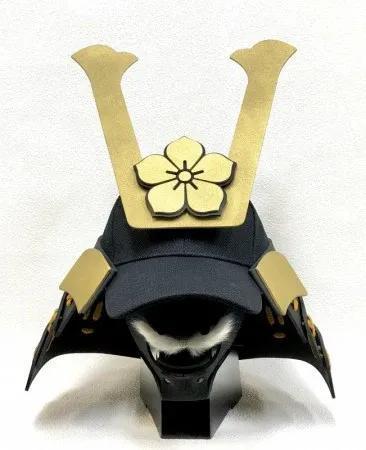
Fancy yourself as something of a ronin warrior, but your steez is more T-shirt and sneakers than heavy-metal battle dress? The kabuto cap was designed just for you!
Samurai Age offers a wide selection of handmade kabuto caps produced to order. The one pictured here is the helmet of Akechi Mitsuhide, a popular character from the 2020 drama Kirin ga Kuru, but there are many more samurai cap designs to be found on the Samurai Age website.
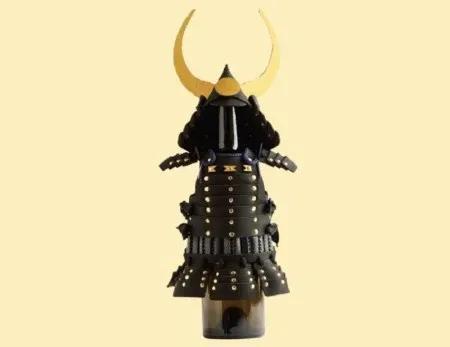
This hand-crafted kabuto bottle cover is the perfect dinner party accessory for any self-respecting modern samurai. Whether you enjoy a bottle of wine, refreshing sake or shochu, Kuroda Nagamasa, feudal lord of the Chikuzen Fukuoka domain, will ensure that your favorite tipple remains chilled to perfection. And there are many more designs where this bottle holder came from, too.
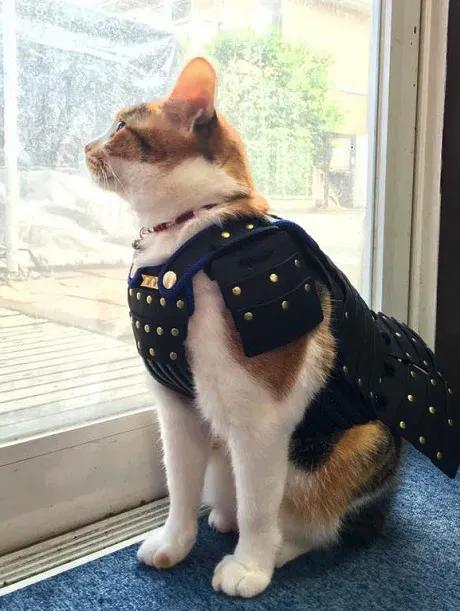
And it’s not only humans getting in on the samurai act; furry friends are also welcome, with this pet-sized coat of armor. Hand-made in Japan from soft foam-resin, these samurai animal harnesses are available in three sizes – S, M and L – ensuring that there’s an option for most pets, from feline to fido.
How to Buy Kabuto from Japan
For overseas buyers, sourcing kabuto and kabuto-inspired items online can often be a little tricky. For a start, many Japanese websites are in Japanese only. Worse still, it’s fairly typical for Japanese vendors not to ship abroad anyway.
This is where ZenMarket comes in, as we can easily purchase the desired items for you, and ship them to your door.
In order to purchase kabuto – and indeed a myriad of other unique Japanese items – hassle-free from Japan, all you need to do is set up a free ZenMarket account and you can start adding exclusive Japanese products to your cart right away.
For more in-depth information about ordering from Japan, you’ll find a full guide to shopping from ZenMarket’s recommended stores here.
Conclusion
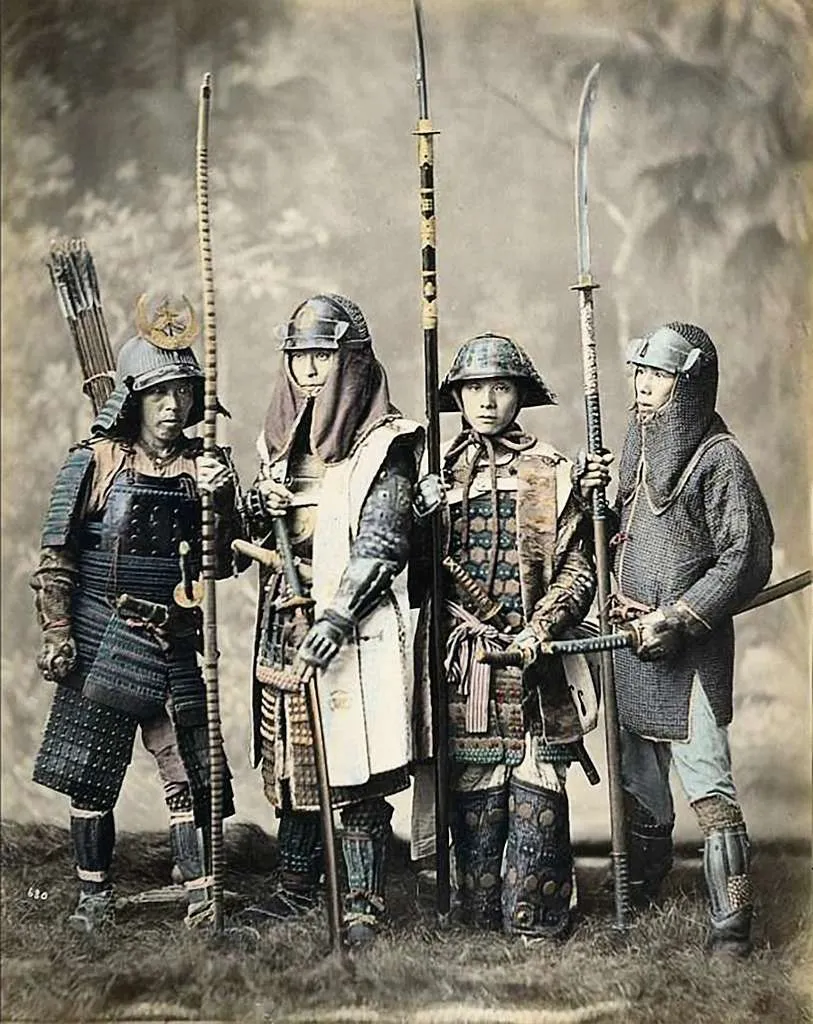
Samurai warriors in full armor photographed around 1880. Image source.
From its origins on ancient battlefields to its reverence in contemporary culture and fashion, the art of kabuto encapsulates the enduring spirit of Japan’s samurai warriors. Indeed, with its compelling blend of function, artistry, and symbolism, the Japanese samurai helmet has remained a timeless cultural icon long after the loss of its original role, serving as a testament to the rich history of samurai armor.
We hope that this article has helped you to come to a clear understanding of precisely what is kabuto: not only in terms of how a samurai helmet is constructed, but also regarding kabuto’s deep symbolism and artistic excellence. If you are looking to purchase some contemporary kabuto-inspired pieces, be sure to sign up for a free ZenMarket account and immerse yourself in the rich history of samurai armor as manifested in modern design.
Have you signed up for ZenMarket yet?
ZenMarket is the place to get your hands on goods directly from Japan!
Sign up