Used cameras from Japan are graded on a letter scale from A (like-new) to C/Junk (damaged), and most international buyers should target AB+ or higher for the best balance of price and reliability. Japan's used camera market is trusted worldwide because sellers grade and disclose condition honestly, and Japanese owners are known for meticulous equipment care, meaning even a budget-grade camera often outperforms similarly priced used gear from other countries.
Below, we break down the grading system, what to inspect before buying, key Japanese terms, trusted stores, and shipping/tax details, everything you need to buy with confidence.
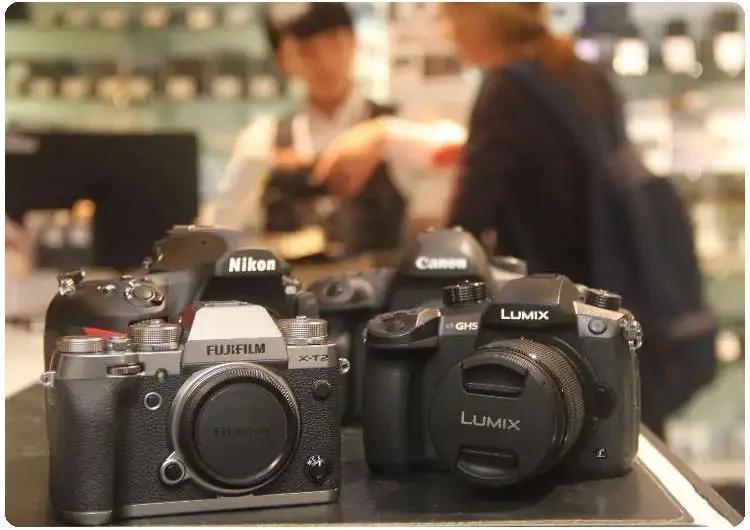
If you're looking for high-quality photo equipment at a semi-professional or professional level, Japan is a great option for buying used cameras at a reasonable price. The ability to choose the condition of a used camera based on its rating makes it easy to find the right one for your specific needs.
Whether you're ready to take the next step in your photography journey or just want to buy your first DSLR, used Japanese cameras offer exactly what you're looking for. And to help you make the right choice and know what to look for when buying a camera from Japan, check out our 5 helpful tips before you buy!
Why Are Used Japanese Cameras So Popular Worldwide?
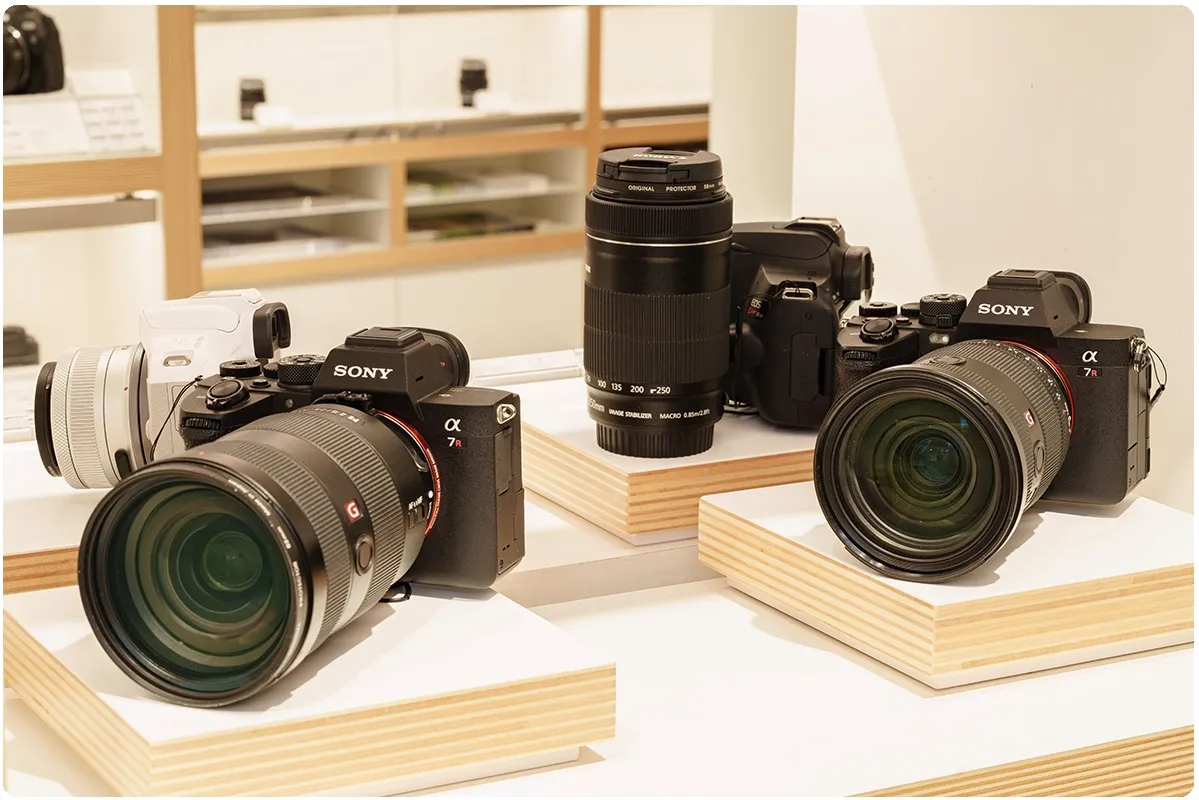
Japan is one of the recognized leaders in the DSLR camera market. DSLR cameras from Japan by brands like Nikon, Canon, Panasonic, Sony, and Olympus are valued worldwide for their excellent image quality, reliability, and durability.
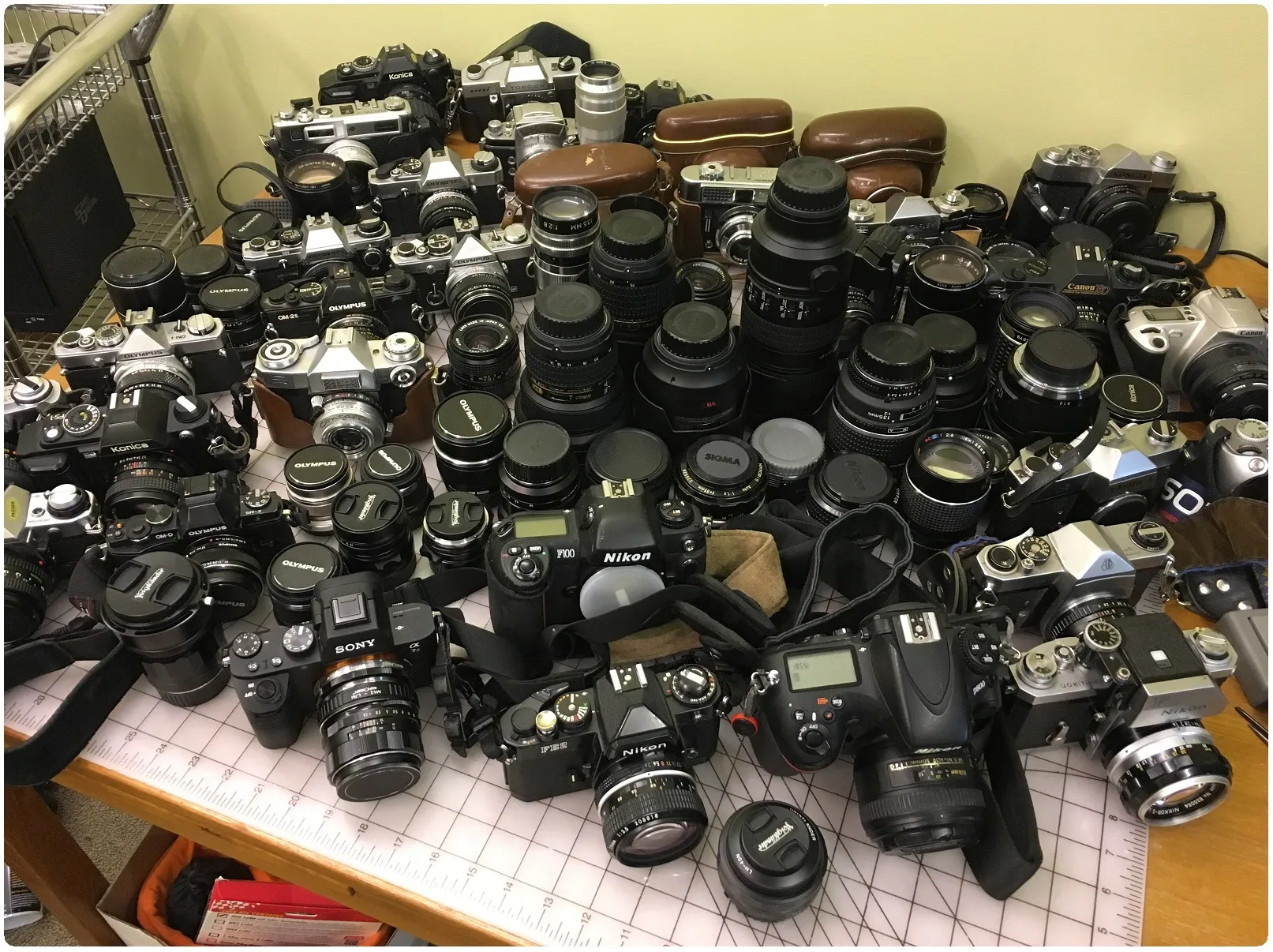
Most importantly, owners of these cameras take great care of them, so even after years of use, used cameras from Japan remain a great choice. They're bought by both professionals looking to get a high-end camera at a good price and enthusiasts in search of a quality camera that fits their budget.
Here are the main reasons why buying used Japanese cameras is worth it:
- Excellent reputation of Japanese camera brands;
- High-quality camera components, such as the sensor and shutter;
- Some of the best image quality on the market;
- Long lifespan when properly maintained;
- Wide selection of great used cameras on the Japanese aftermarket.
💡 Also read: The Most Popular Brands of Japanese DSLR Cameras
What Is the Japanese Used Camera Grading System? (A to C Explained)
To evaluate the condition of a used camera, the Japanese use a special rating system. Japanese online stores, such as NANIWA CAMERA, use letter grades that make it easy to understand whether a particular used camera is worth buying. Japanese shops always describe the condition of used cameras honestly and in detail—another strong reason to trust them when purchasing. Below, we’ll break down each level of this rating system so you can easily assess the condition of a used camera when buying.
| Rating |
Condition |
Ideal For |
| A |
Like New / Mint |
Collectors & Professionals |
| AB+ |
Excellent / Near Mint |
Serious Enthusiasts |
| AB / B |
Average / User Grade |
Budget-conscious Beginners |
| C / Junk |
Damaged / Parts |
Repair projects & Props |
Grade A: Like New / Mint Condition
Example: Panasonic DC-FZ85D
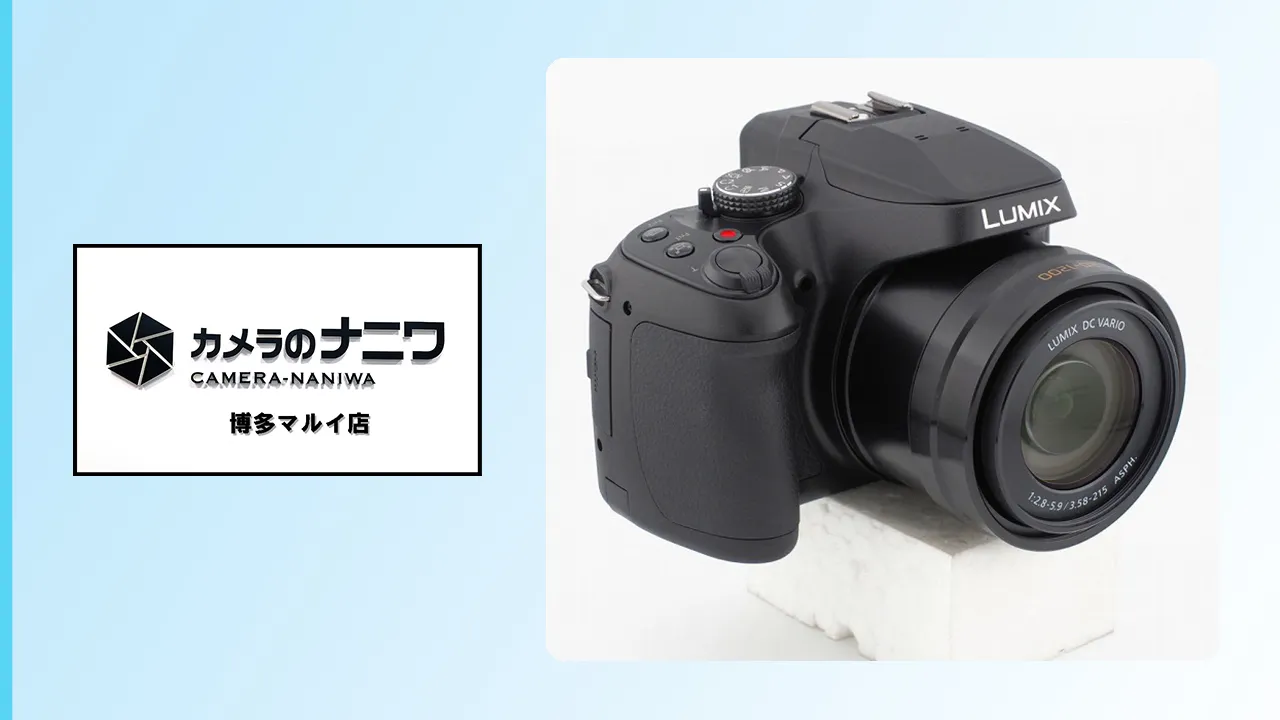
The camera shows almost no signs of use, such as scratches or other minor marks. It looks like new and was barely used.
Grade AB+: Excellent, Near-Mint Condition
Example: ET-30S Waterproof Camera
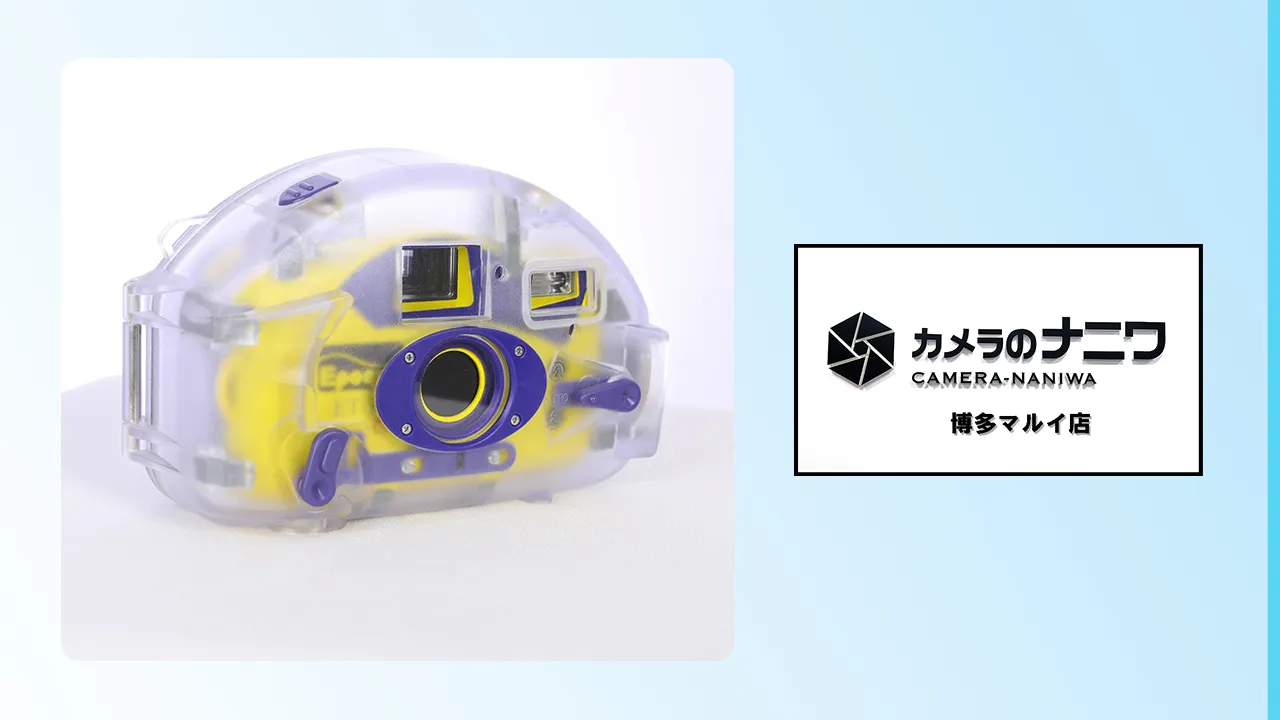
This type of camera may have minor scratches, but they are hardly noticeable. Otherwise, the item is in excellent condition and not far off from the higher A rating.
Grade AB: Average, Lightly Used Condition
Example: SONY ILCE-7SM3 Alpha 7S III
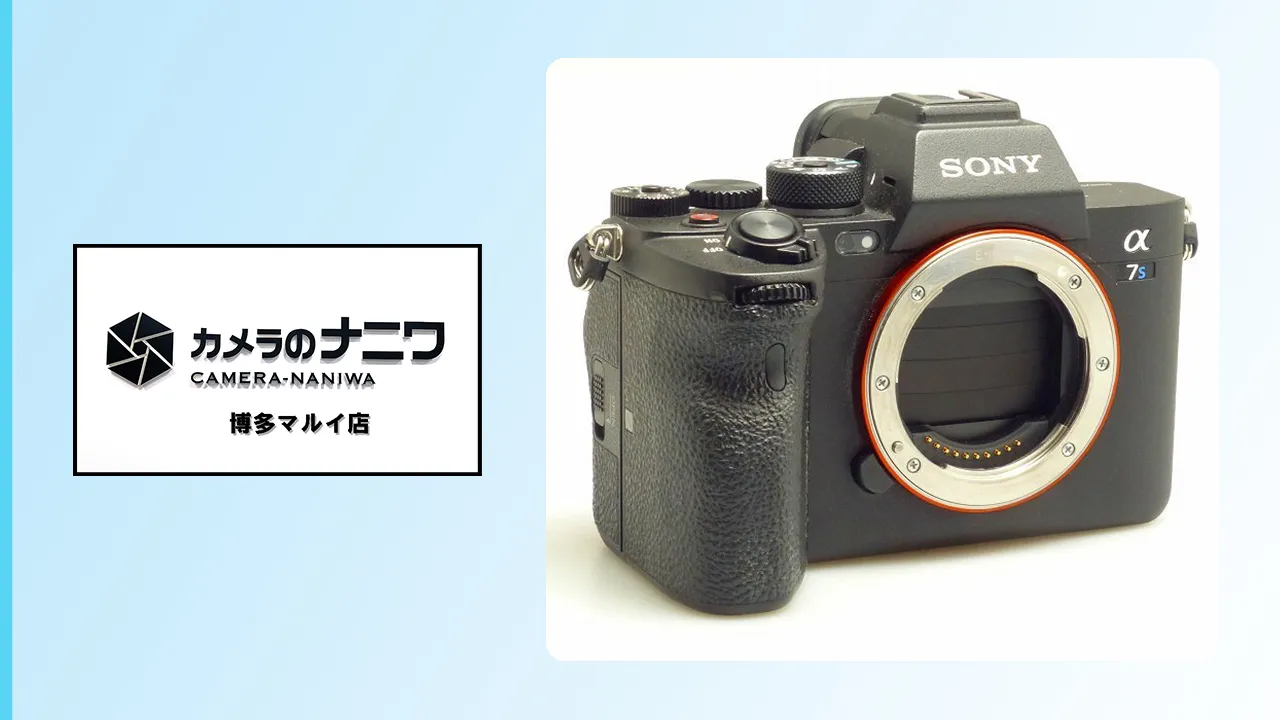
There are scratches and signs of wear, the camera is fully functional, but its condition is worse than items with a higher rating.
Grade AB-: Below-Average Condition
Example: Canon EOS-1D X MARKII
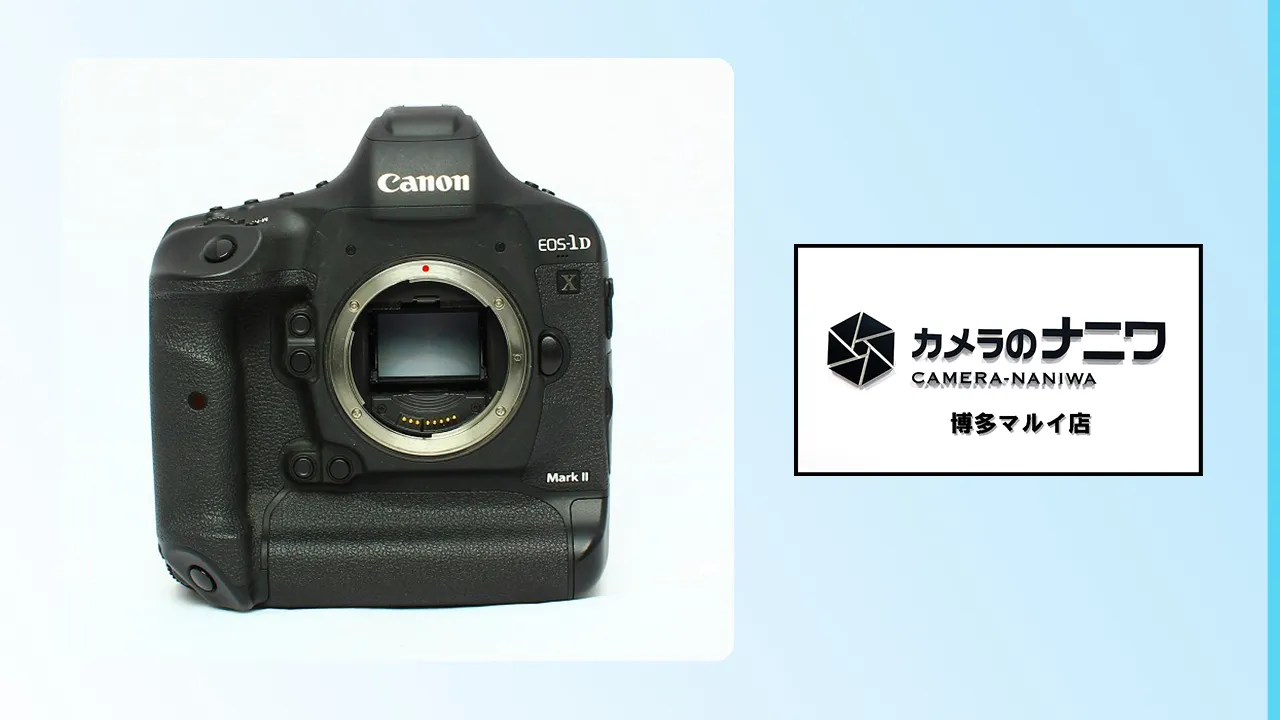
The condition of the used camera is similar to the previous rating, but the degree of component wear is more pronounced.
Grade B: Heavily Used but Functional
Example: Nikon U
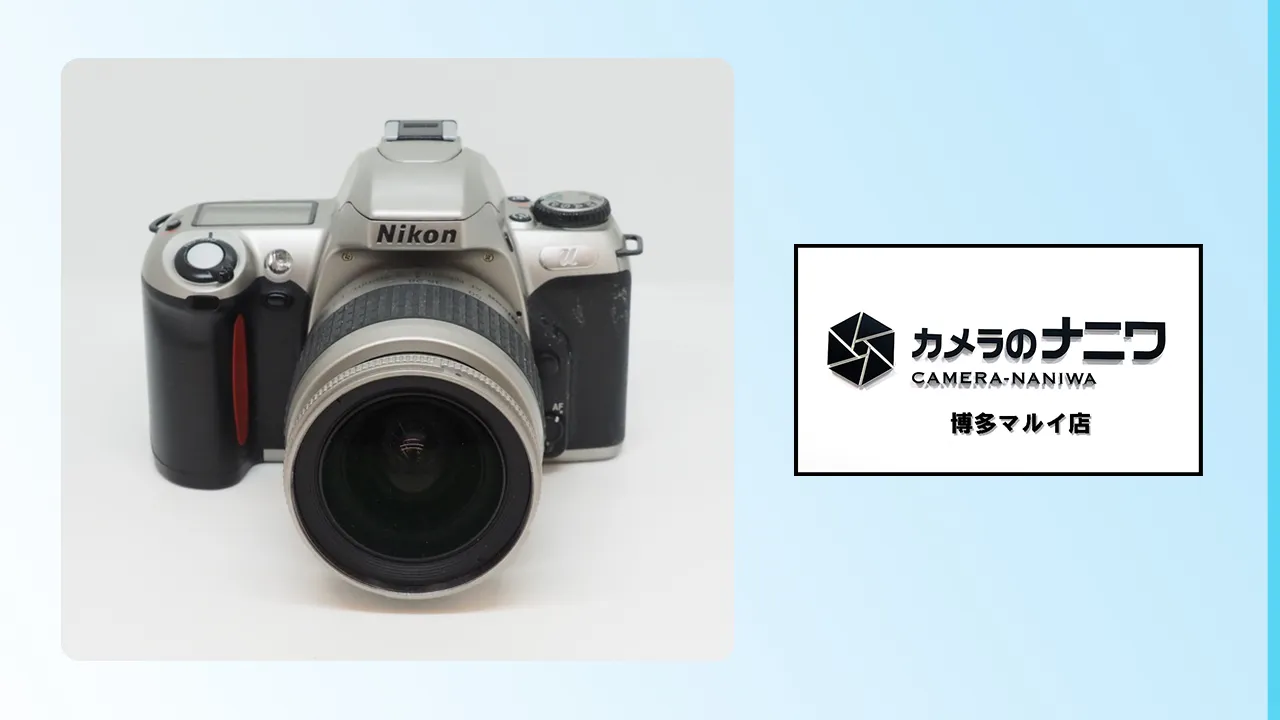
The camera shows signs of heavy use and is quite worn. However, it is still functional and can be used with relative ease.
Grade C: Damaged or For-Parts Condition
Example: Canon EOS KISS Digital X (B)
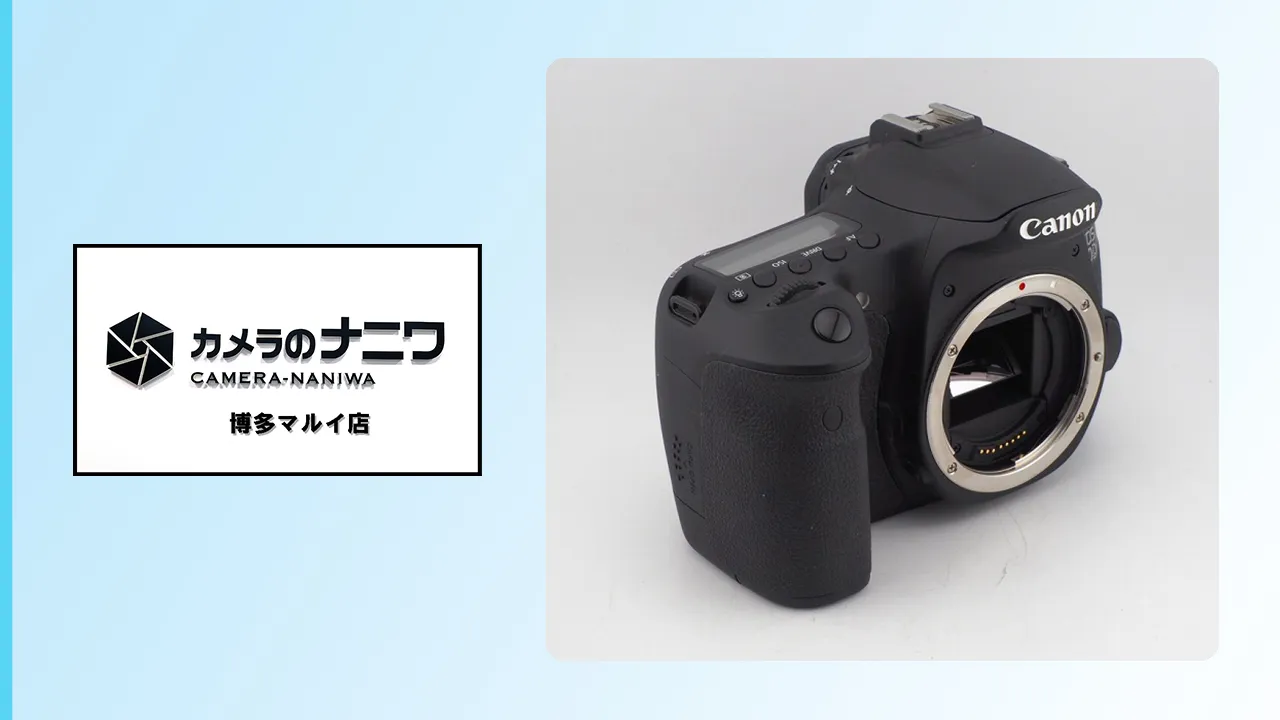
The camera has significant damage, and some components may be broken. It is still operational but may cause difficulties and inconvenience during shooting. For example, this Canon DSLR has a damaged mirror.
Junk (Broken Item)
Example: Argus C44+50/2.8
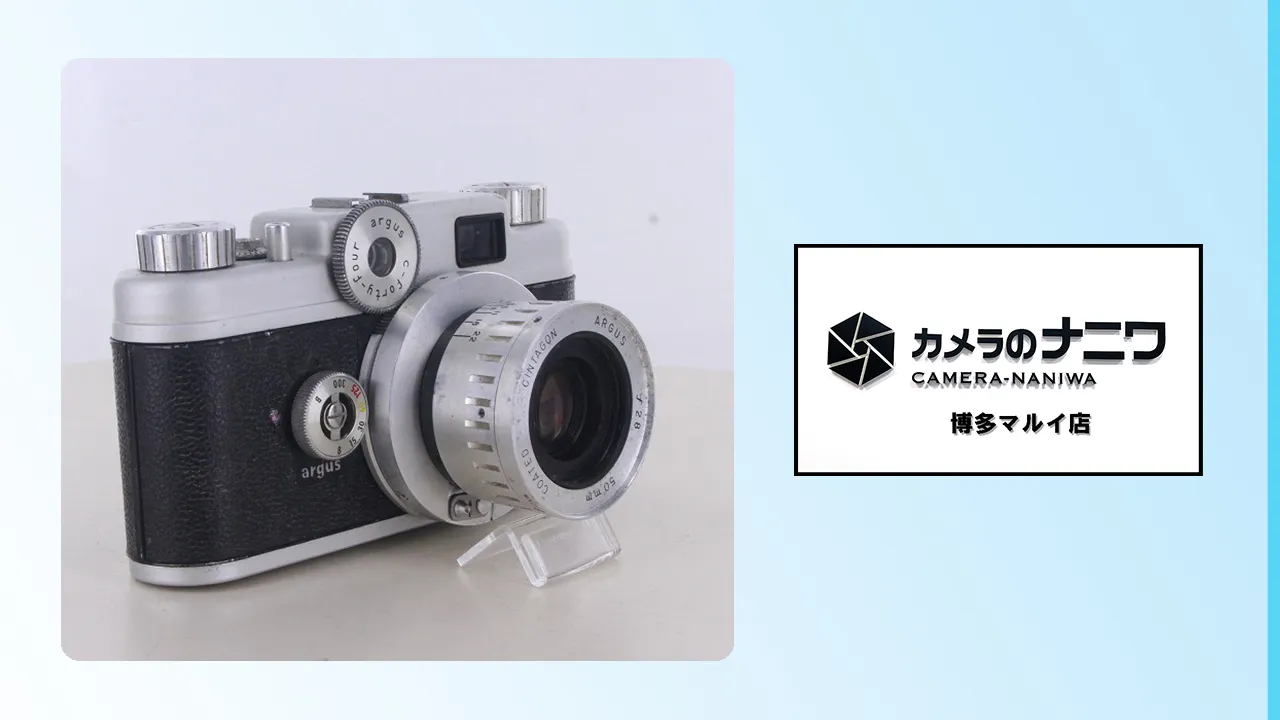
The word “junk” literally means trash, and the condition of such items reflects that. The camera is non-functional, with many components possibly missing or broken. On NANIWA CAMERA, these items are classified as category C, with an additional note in the name indicating that it’s a broken item (ジャンク品, jankuhin). Such items are usually sold at a low price for parts, restoration, or as collectibles.
💡 Also read: Where To Buy Japanese Cameras
So, which rating is best when buying used Japanese cameras? Like with all used goods, the principle is simple—the higher the rating, the better condition the camera will be in. For professionals, it’s best to aim for ratings from A to AB+—this way, you get an excellent used camera in great condition. Beginners can also consider buying cameras with lower ratings, such as AB.
If you’re looking to save money, AB and B are also options, but keep in mind that their remaining lifespan may be shorter due to wear. It’s also worth noting that cameras in Japan are well-maintained, so the quality of low-rated used cameras is typically better than described. Cameras rated C and Junk are best avoided unless you plan to use them for parts or restoration.
💡 Also read: The Best Japanese Cameras of the Last 5 Years (Top Camera Models 2019–2024)
What to Check Before Buying a Used Camera from Japan
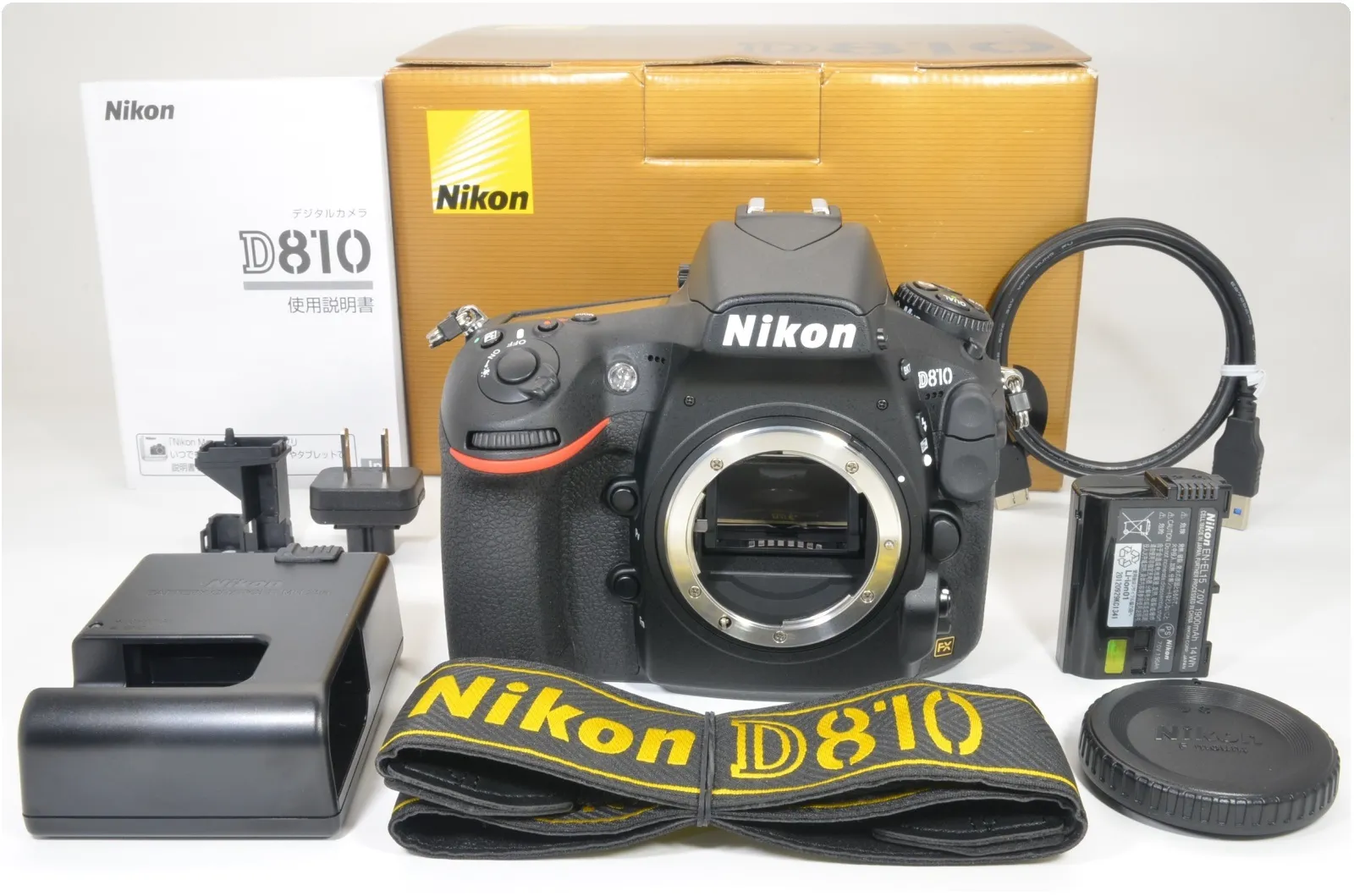
Once you've found a Japanese used camera with a suitable rating, it's important to take a closer look at its condition. To do this, check the photos and read the product description on the online store page, where any flaws in the camera are usually listed in detail. Pay special attention to the following camera components:
- Body. Check for any major damage. If you see large dents on the body, it may be a sign that the camera was dropped—which is a strong reason to walk away from the purchase;
- Lens. Cameras are sold with or without a lens—in the latter case, you’ll need to buy one separately. Cameras without a lens are usually labeled in Japanese online stores as ボディのみ (bodi nomi) or 本体のみ (hontai nomi). For beginners, it's best to choose a camera with a lens included (レンズキット, renzu kitto, or レンズ付き, renzu tsuki), while professionals typically buy the lenses they need separately. When inspecting the lens, pay attention to the condition of the glass—minor scratches on the front element are acceptable, but not on the inner elements. Autofocus lenses should show no external damage—drops may render them nonfunctional;
- Sensor. Converts light into a digital image. It should be in good condition. If the sensor has dead pixels, they will show up as black spots in photos. Ideally, there should be none, or no more than 5;
- Mirror. Reflects light into the viewfinder so the photographer can see the image when taking a shot. It should be intact and free of cracks;
- Shutter. Controls the amount of light during shooting. That clicking sound when taking a photo is the shutter in action. One of the most important factors when buying a used camera is the shutter count (シャッター回数, shattaa kaisuu)—it directly indicates how much the camera has been used. The lower the shutter count, the better. The lifespan of semi-professional cameras is up to 150,000 actuations, and professional ones—up to 300,000. Once that limit is reached, the shutter mechanism may need to be replaced due to wear. For used cameras, a shutter count under 50,000 is considered good. If it's higher, be sure to consider the remaining life of the shutter when buying;
- Display and viewfinder. The main thing is that they are intact. These components usually present the fewest issues;
- Battery—should not be swollen or leaking. A red flag when buying is a battery with signs of corrosion or rust on the contacts—this likely means the camera was dropped in water.
Useful Japanese Camera Terms for Buyers (Glossary)
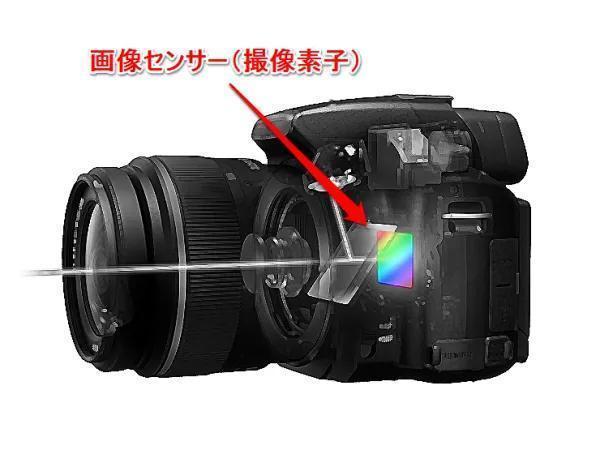
When buying used Japanese cameras, it’s helpful to know some related Japanese words and terms. This will make it easier to quickly find important information about the condition of used camera components in the product description and better navigate your purchase. Here are the most essential ones:
- 新品 (shinpin) – new item
- 中古 (chuuko) – used
- ジャンク品 (jankuhin) – broken item
- 在庫有り (zaiko ari) – in stock
- 売り切れ (urikire) – out of stock
- カメラ (kamera) – camera
- デジカメ (dejikame) – digital camera
- フィルムカメラ (firumu kamera) – film camera
- シャッター (shattaa) – shutter
- ミラー (miraa) – mirror
- 画像センサー (gazou sensaa) – image sensor
- ファインダー (faindaa) – viewfinder
💡 Also read: The Most Valuable Retro Cameras
How to Buy Used Cameras from Japan Safely: Trusted Stores & Marketplaces
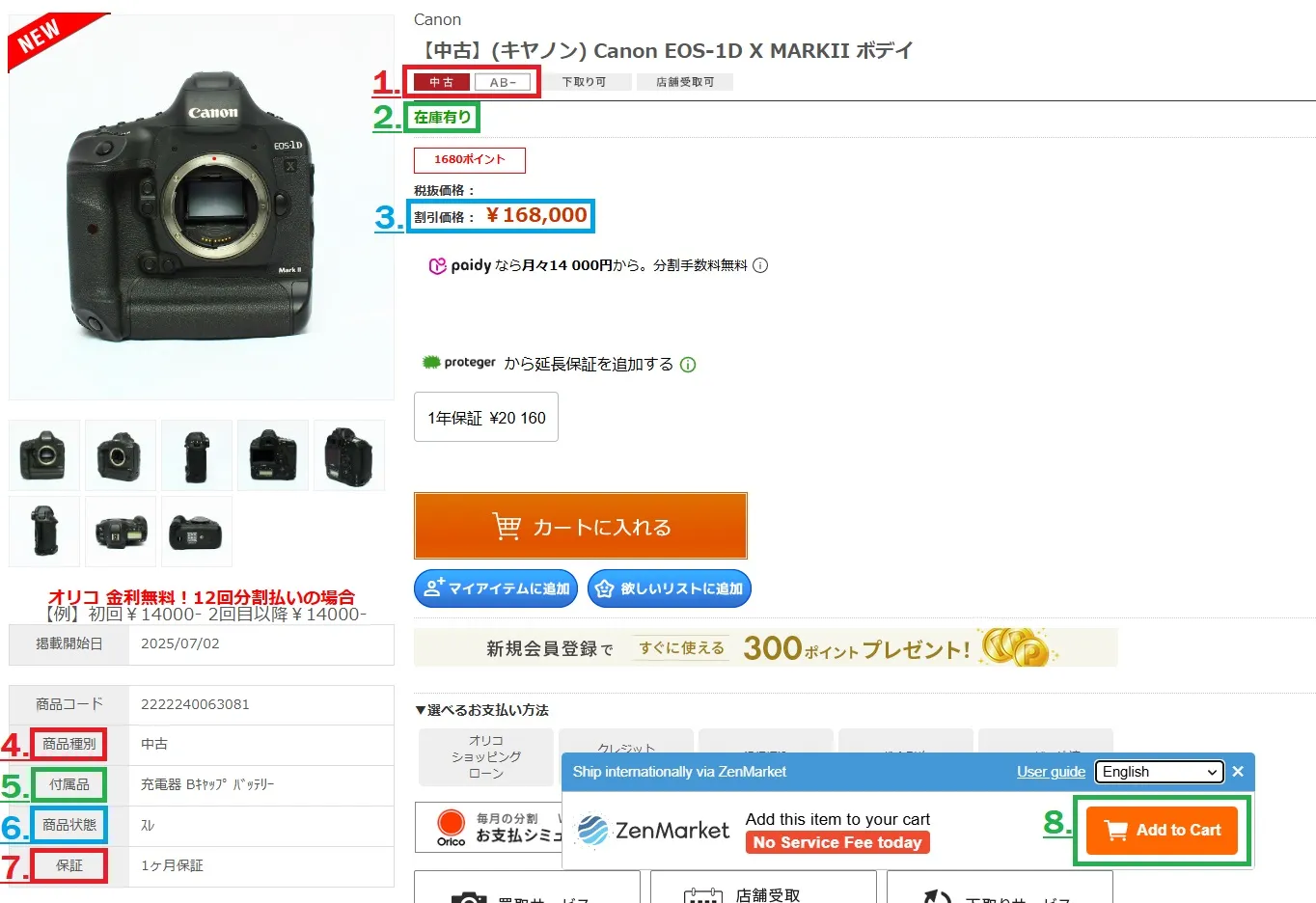
When purchasing something as expensive as a digital camera, you want to be sure that its condition matches the description. That’s why it’s best to buy used Japanese cameras from stores with an excellent reputation. One such store is NANIWA CAMERA, a ZenMarket-recommended shop where it’s easy, convenient, and safe to buy any camera from Japan. See the photo above to learn where to find the most important details about the camera when buying from this store:
- Condition and Rating: Used, AB–
- Availability: In stock
- Tax-Included Price: 168,000 yen
- Item Type: Used
- Accessories: Charger and battery
- Item Condition: Has scratches
- Warranty: 1 month
- Clicking the “Add to Cart” button in the special pop-up window will add this item to your ZenMarket cart.
💡 Also read: How to buy from Recommended Stores?
At NANIWA CAMERA, you’ll find a huge selection of various used cameras from Japan by top Japanese brands. They offer near-new cameras that have never been used and were only unboxed for in-store inspection, as well as a wide range of used cameras in varying condition.
Each item comes with photos and a detailed description of what's included and any flaws the used camera may have. So when shopping at NANIWA CAMERA, you can trust that you’ll receive the product exactly in the condition stated. You can find many different Japanese camera models here at great prices—both semi-professional and professional—as well as accessories for them.
International Shipping, Customs Tax & Warranty for Used Japanese Cameras
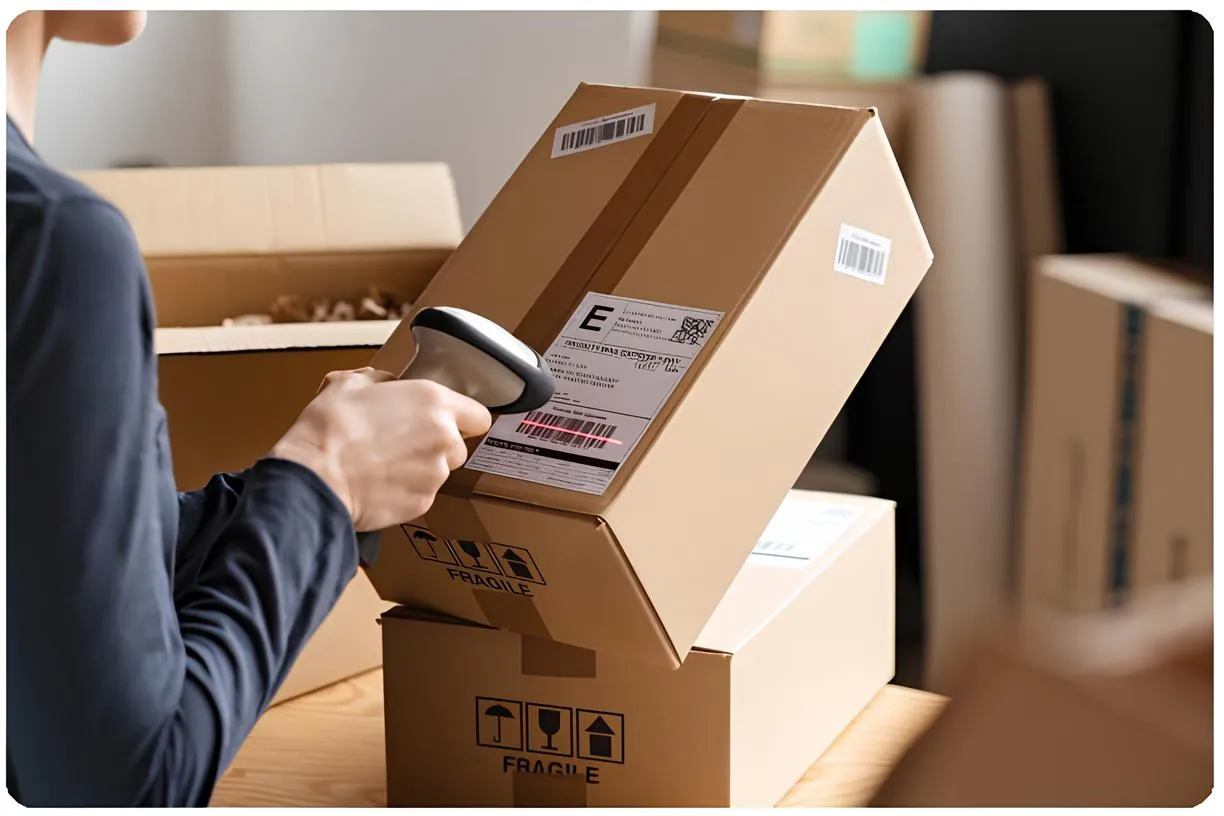
If you’ve decided to buy used cameras from Japan, there are a few more important things to keep in mind:
- International shipping. The most popular methods are Air Small Packet, Air Parcel, EMS, DHL, FEDEX, and UPS. Air mail options are the most affordable, but small packets are size-restricted: the weight must not exceed 2 kg, and the total of width, height, and length must not exceed 90 cm. Regular air parcels are more expensive but allow more: up to 30 kg and a combined dimension limit of 300 cm. EMS and DHL also allow for larger items and are express courier services, meaning your package will arrive faster. These methods also include insurance in the shipping cost, making them the most reliable choice for sending expensive cameras from Japan;
- Taxes. Research your country’s import tax laws—specifically, the price threshold below which packages are tax-exempt. If your camera costs more than this limit, you’ll need to pay customs fees. Be sure to review the VAT rules for EU countries and import tax policies for the U.S.;
- Warranty. Japanese shops may offer a warranty on used cameras, but it’s usually short—typically one month. That means the warranty may expire before the package even reaches you. So, don’t count on returns or warranty service—carefully check the item’s condition before purchasing to avoid disappointment. Recommended shops like NANIWA CAMERA are careful about product quality, so you can trust that you’ll receive a fully functional camera in exactly the condition described.
💡 Also read: How To Buy Cameras in Bulk From Japan – A Complete Guide
Whether you're a professional photographer or simply passionate about photography, used Japanese cameras are a great option for any need. The vast selection, high quality, and wide range of condition levels make Japan one of the most appealing places to buy used cameras. Take a look at NANIWA CAMERA and see for yourself—let’s choose your next camera together!
Have you signed up for ZenMarket yet?
ZenMarket is the place to get your hands on goods directly from Japan!
Sign up