If your For You Page has recently been full of grainy, flash-blown selfies that look like they're from a 2006 MySpace profile, you've met the vintage digicam revival. What started as a niche corner of social media has now turned into one of the biggest photography trends of the decade. And it's sending a new generation of shoppers hunting through secondhand marketplaces for cameras their older family members probably threw in a drawer twenty years ago.
So, if you've seen the look and want to understand vintage digicams before you chase it, that's what this guide is for. With many popular digicam brands originating in Japan and a thriving secondhand market, Japan is a great place to find your next vintage digicam. This guide will help you get started.
What is a Digicam?
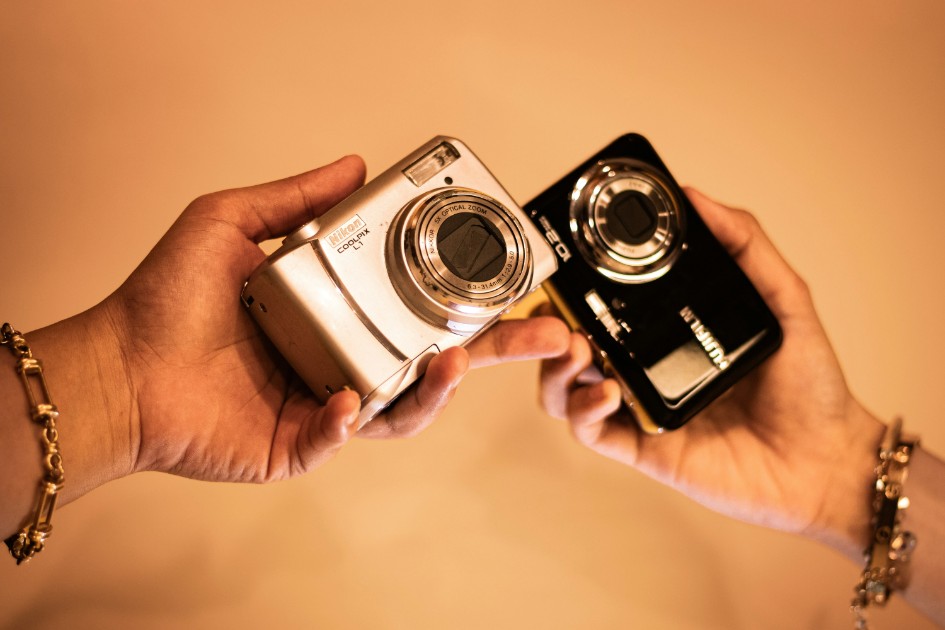
"Digicam" is shorthand for digital camera. Broadly, the term applies to any camera that captures photos electronically to digital storage rather than film.
From early compact cameras to more advanced models with interchangeable lenses, digicams come in many forms. For this guide, however, we’re mainly talking about the compact point-and-shoot digital cameras that became popular in the 2000s and early 2010s.
This is what, in many photography discussions, people often loosely mean when they say 'vintage digicam.'
What is a Vintage Digicam?
A vintage digicam is generally a compact point-and-shoot digital camera, typically produced in the late 1990s through the early 2010s. Many of these cameras have lower resolutions, older sensors, and simpler image-processing technology than today's cameras and smartphones.
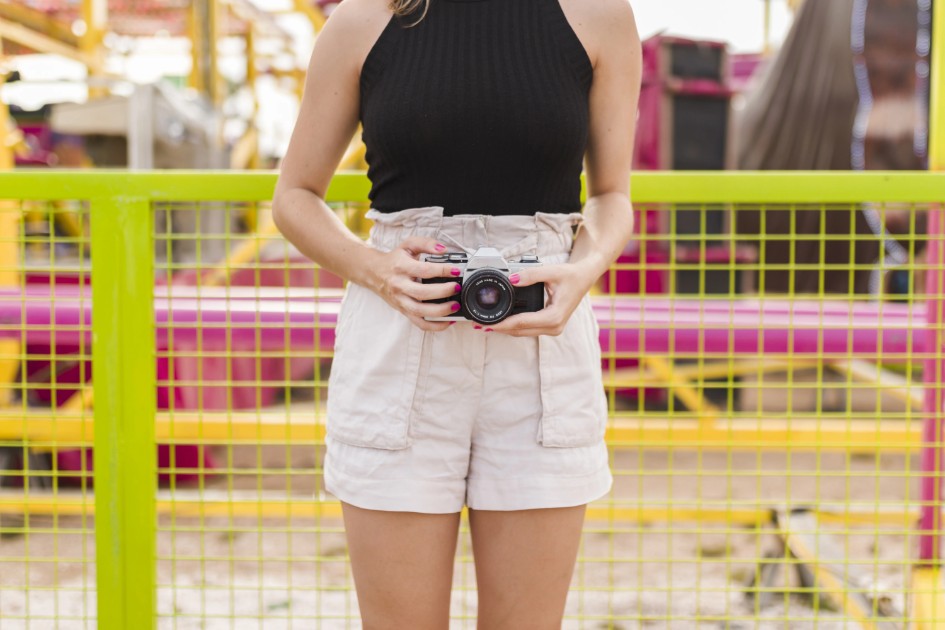
The word "vintage" here is less about a camera reaching a particular age. It’s more about a combination of factors that help produce a recognizable retro look, including:
- Modest resolution
Many compact digital cameras from the late 1990s and 2000s had relatively low resolutions by today’s standards. The resolution is often somewhere around 3 to 8 megapixels.
- Built-in flash
The direct flash found on many digicams can create the flat and slightly harsh lighting associated with early-2000s snapshots.
- Simple lenses and image processing
Many digicams used basic autofocus and relatively simple optics compared with later digital cameras. Combined with less sophisticated image processing, this can contribute to their characteristic softness.
So what ties these characteristics together?
The CCD sensor is an important part of the story.
Many vintage digicams popular today use CCD (charge-coupled device) sensors. While CCD doesn't define what makes a camera a digicam, the sensor is often associated with the distinctive look people seek from these older cameras.
CCD and CMOS Digicams: What’s the Difference?
CCDs and CMOS are image sensors— the part of a camera that turns light into a photo. The difference matters because most vintage digicams use one, and most modern cameras use the other.
| <br> |
CCD |
CMOS |
| Full name |
Charge-coupled device |
Complementary metal-oxide semiconductor |
| Common era in compact cameras |
Late 1990s to around 2010 |
Roughly around 2010–2013 onward; standard today |
| Image character |
Warmer color, softer highlights, the digicam look |
Cleaner, more corrected, more "modern" by default |
| Commonly used in |
Older compact digital cameras |
Modern cameras and smartphones |
CMOS won out for many technical reasons, but CCD still renders color and noise with a character that reads as warmer and less corrected, which is the quality many vintage digicam fans are chasing.
One caveat, though: CCD alone doesn't guarantee the “retro look.” The lens, flash, resolution, and in-camera processing technology all matter. A beat-up CCD compact can still produce muddy photos; a well-maintained CMOS compact from the early 2010s can also deliver that vintage feel.
Why are Vintage Digicams Popular Again?
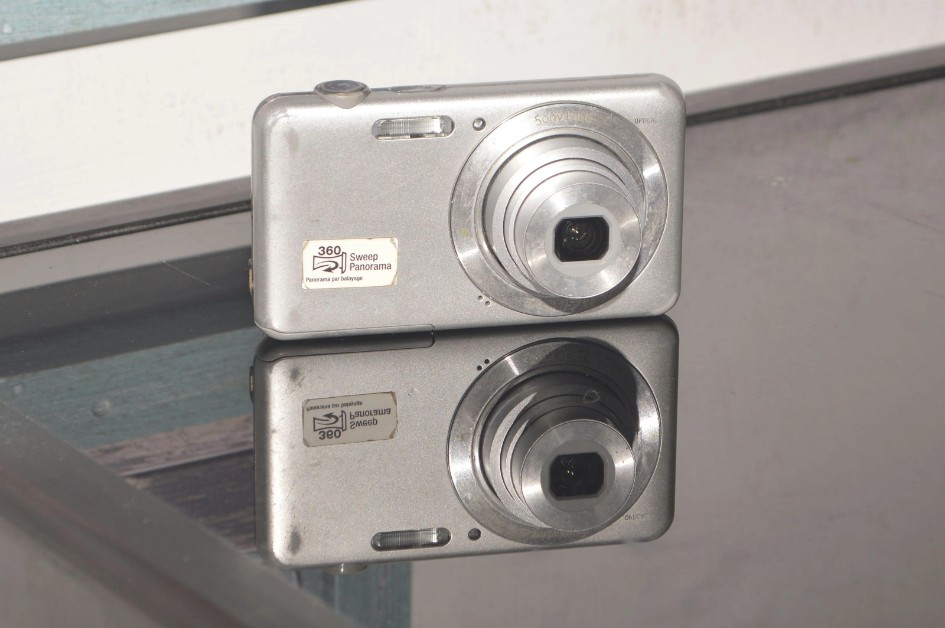
You might be asking then: Isn’t this a downgrade to what advanced cameras can do? The answer is deeper than you think. A few things converged at once for this ‘trend’:
Vintage digicams often tap into Y2K nostalgia
The look of photos taken with a vintage digicam can evoke school trips, vacations, family gatherings, and everyday snapshots from the 2000s and early 2010s.
For younger photographers who didn't grow up using these cameras, the appeal can work in reverse. An older digicam can offer a way to experience a style of photography that predates today's smartphone-dominated approach.
Vintage digicams offer a different way to take and look at photos
A vintage digicam can also change how people approach everyday photography.
Instead of relying on the camera built into a smartphone, users have to carry a separate device, transfer their photos, and work within the limitations of an older camera. This makes the process closer to using a dedicated camera and gives digicams a practical appeal beyond their age.
Social media has made retro photography styles easier to discover and share.
Photos taken with vintage digicams have become recognizable for their older digital aesthetic. This helped introduce these cameras to people who may not have used them when they were originally released. As photography grows in popularity, certain digicam models and series have gained attention among collectors and casual users.
Why Look for Vintage Digicams in Japan?
Here's the part most of the trend coverage skips over: the cameras everyone's chasing right now were, overwhelmingly, Japanese-designed and Japanese-first-market.
The two primary and practical reasons are:
Japanese brands made many digicams
Canon, Sony, Casio, Olympus, Panasonic, and Fujifilm are all major Japanese camera brands that produced many popular compact digital camera models. These were sold heavily in the domestic market when they were new. Moreover, Japan's domestic camera culture never really stopped. It just moved to the secondhand market once smartphones took over.
There’s an established secondhand market for digicams in Japan
Japan's used-goods market is enormous and well-organized, with dedicated secondhand camera chains and huge camera marketplaces.
Plus, the culture of trading in electronics rather than throwing them out helps keep digital cameras alive. Japan has a large and established secondhand market for cameras. There are dedicated camera stores, electronics retailers, and online marketplaces where older digital cameras regularly appear
Many Japanese sellers include multiple photos, functionality notes, and condition grades. Grading systems aren't standardized across platforms and sellers. Each listing still needs careful reading, but the information is usually there.
Those listings sit across a handful of Japanese marketplaces and secondhand retailers, each with its own strengths.
If you want the fuller picture on why Japanese camera gear in general holds up so well, our guide to where to buy Japanese cameras is a good starting point before you go hunting for something this specific.
What are the Popular Vintage Digicam Brands and Models?
If you're searching Japanese marketplaces, knowing the series names narrows the field quickly. Here's a starting reference:
| Digicam Brand |
Series |
Known for |
| Casio |
Exilim EX-Z, EX-S |
Ultra-thin bodies and distinctive early-2000s styling |
| Canon |
PowerShot A / S / G; IXY (IXUS/ELPH outside Japan) |
IXY was Canon's Japan-market compact line (sold as ELPH elsewhere). These range from basic point-and-shoot models to more advanced compacts. |
| Fujifilm |
FinePix F, Z, XP |
F series (F10, 2005; F30, 2006; F31fd, 2006) uses Super CCD HR and is widely cited for low-light performance; Z series is slim; XP is waterproof |
| Nikon |
Coolpix S, P, L |
S = Style (slim); P = Performance (advanced); L = Life (everyday) |
| Olympus |
μ (mju) DIGITAL / Stylus; CAMEDIA; Tough |
A more compact digicam. It’s often praised for being weatherproof and a favorite for everyday carry. |
| Panasonic |
LUMIX DMC-FX, TZ, LX |
FX is the pocket compact line; the LX series carries Leica-branded lenses<br><br>The LUMIX compact cameras offer more control than a basic point-and-shoot. |
| Sony |
Cyber-shot DSC-W, T, P |
W is the mainstream compact line; T series is ultra-thin. <br><br>Most models are small enough for everyday carry, and they use Sony's Memory Stick storage format |
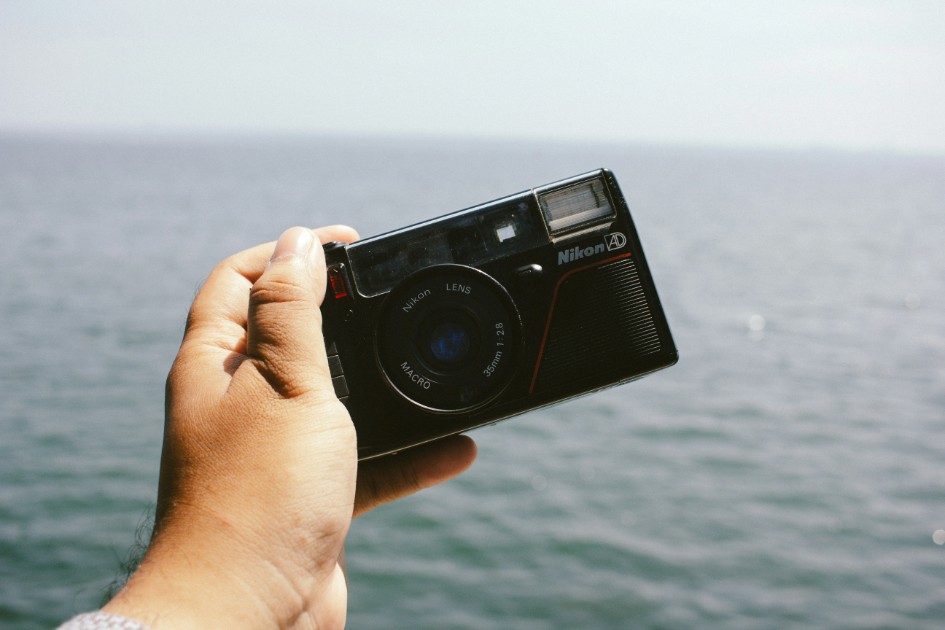
Where to Buy a Digicam from Japan?
Japan's secondhand market is one of the reasons vintage camera hunting can be so interesting.
You can find older digital cameras through specialist retailers, secondhand shops, online marketplaces, and auctions. Availability and prices can vary significantly depending on the model and condition.
Japan's biggest C2C app, and the single best place to find individual sellers offloading old digicams. The digicams often come more affordably and in working condition, with photos of the actual unit.
This is the place for rarer or more specific models, since it's Japan's largest auction platform and has a genuinely huge volume of camera listings, including from certified secondhand dealers.
Check both individual sellers and stores for those digicams. They come with buyer protections built in and also offer a wide range of cameras.
This is a nationwide Japanese secondhand electronics chain that's practically a digicam institution at this point.
This is another dedicated Tokyo camera specialist available through ZenMarket, useful if you want a graded, store-inspected unit rather than an individual listing.
None of these ship internationally on their own. That’s where we come in. You browse and pick the camera; we handle the purchase, consolidation, and shipping.
If you haven't used the service before, this walkthrough covers the process end to end, and the shipping calculator will tell you the landed cost before you commit.
How to Buy a Vintage Digicam from Japan With ZenMarket?
Finding an interesting camera is one thing. Buying from a Japanese marketplace when you're outside Japan is another.
ZenMarket acts as a shopping service that lets customers purchase products from Japanese online marketplaces and have them sent internationally.
Here's how the process works.
1. Search for a Vintage Digicam
Start by searching for the brand or model you're interested in. You can search for terms such as the specific brands and models we’ve listed above.
You can also search using Japanese model names or keywords if you're looking for a specific camera.
2. Check the Listing Carefully
Once you find a camera you like, read the description and examine the photos carefully.
Look for information about whether the camera has been tested and whether accessories such as batteries, chargers, and memory cards are included.
This is particularly important when shopping for older electronics. A listing that looks inexpensive at first may require additional accessories or repairs before you can use the camera.
3. Understand the Digicam’s Condition
Japanese secondhand listings can use terms that may be unfamiliar to international buyers.
For example, you may come across terms such as 動作品 (dōsahihin) for a working item, 動作確認済み (dōsa kakunin-zumi) for an item whose operation has been checked, or ジャンク (janku) for junk or potentially non-working items.
Always check the full listing rather than relying on a single condition label. ZenMarket also recommends carefully reviewing both photos and descriptions when shopping.
4. Add the Digicam to Your ZenMarket Cart
Once you've found a camera you want, add it to your ZenMarket cart.
For supported marketplaces, you can shop through ZenMarket directly. You can also add product URLs from other Japanese online stores to your cart, after which ZenMarket checks the item's price and availability.
5. Wait for Your Camera to Arrive at the Warehouse
After the purchase, the seller sends the camera to ZenMarket's warehouse in Japan.
Once your item arrives, you can arrange international shipping. If you're buying several items, ZenMarket also allows you to combine purchases into one parcel, which can help reduce international shipping costs.
6. Choose Your International Shipping Method
When your items are ready, select an available international shipping method and provide your delivery details.
Shipping options and restrictions vary by destination. So, always check the available methods and your country's import regulations before placing an order.
What to Check When Buying a Used Digicam?
A digicam is typically a 15-to-25-year-old piece of consumer electronics, so condition matters more than it would with something new. Most of what you can confirm comes from reading the listing closely.
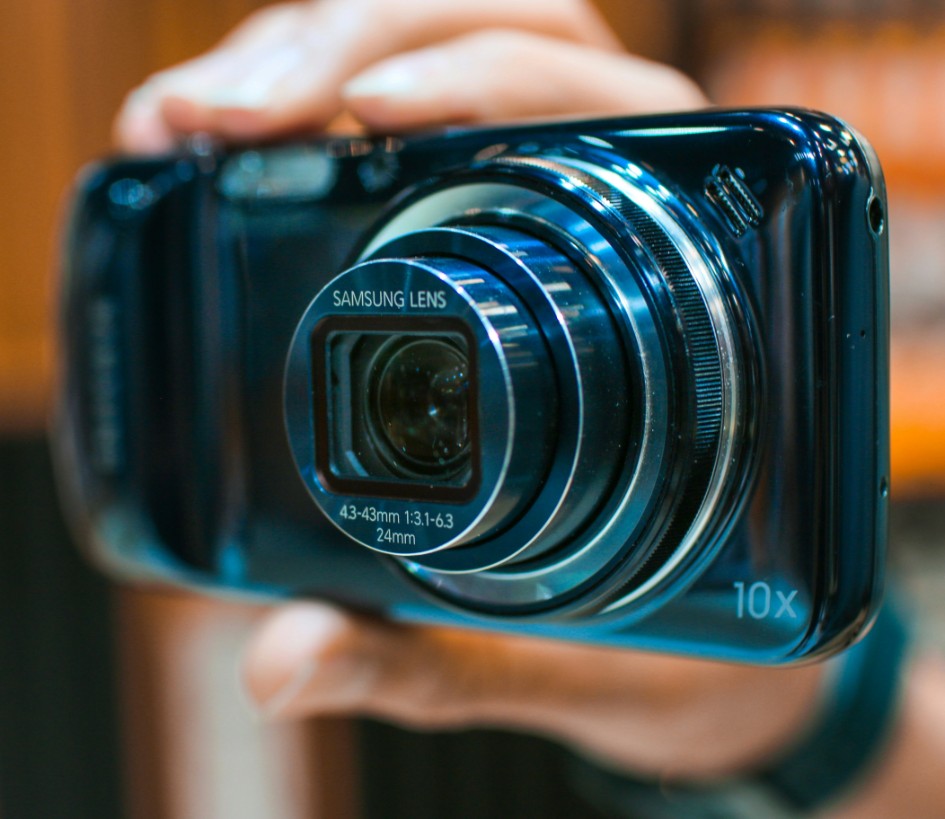
The exception is if you're buying a brand-new camera built to imitate the digicam look. That’s because some companies now make new "vintage-style" cameras from scratch, and those come with none of the condition risk of buying an actual old unit.
So a few things worth checking before you buy:
Confirm if the digicam has been tested by the seller
Three things to look for in the listing wording:
- Powers on and has been tested — 動作品 (dōsahin, working item) or 動作確認済み (dōsa kakunin-zumi, operation confirmed) are the strongest indicators.
- Flash fires — Vintage digicams are known for their flash-heavy look, so a broken flash defeats much of the point.
- Zoom extends and retracts smoothly — sticky or motor-worn zoom mechanisms are common in old compacts.
If the listing doesn't mention any of these, ask the digicam seller before buying.
Key question to ask: Is the camera tested and working?
Check the power and accessories
- Battery included and holds a charge — Many digicams use proprietary rechargeable batteries that can be hard to replace.
- Charger or charging cable included — Some older cameras use uncommon connectors and chargers.
- No signs of battery-compartment corrosion — This is one of the most common reasons an old digicam won't power on. If the listing doesn't show the inside of the bay, ask for a photo of the battery.
Key questions to ask: Is the battery included? Is the charger included? Are replacement batteries and accessories available?
Inspect the digicam’s lens and LCD screen condition
- Lens — Look for signs of fungus, haze, or dust inside the lens. A few dust spots are usually cosmetic. Remember that haze affects image quality.
- LCD screen — Old LCDs can develop lines, discoloration, or dead pixels. Ask for a photo of the screen actually displaying an image, not just the camera body.
Key questions: Is the lens free from obvious damage? Does the flash work? Does the zoom mechanism work?
Confirm memory card compatibility
Some digicams use standard SD cards, but others use older formats such as:
- xD-Picture Card (common on Olympus and Fujifilm)
- Memory Stick (Sony), or
- CompactFlash (older Canon models).
Always confirm the format before buying, since some of these are getting harder to find.
Ask for sample photos from the actual unit
Strong listings include photos actually taken with the camera being sold. That's the closest thing to a working guarantee you'll get on a secondhand digicam.
Be familiar with common Japanese listing terms for digicams
If you're searching Japanese listings directly, a handful of standard terms show up again and again. Knowing them saves surprises:
| Term |
Reading |
Meaning |
| 動作品 |
dōsahin |
Working item. The seller confirms it powers on and functions well. |
| 動作確認済み |
dōsa kakunin-zumi |
Operation confirmed. The seller has tested basic functions. |
| ジャンク |
janku |
"Junk" — Often sold as-is basis, often untested or with known issues. Cheap, but a real gamble. |
| 未確認 / 未チェック |
mikakunin / michekku |
Not verified / not checked. The seller has not tested it |
| 美品 |
bihin |
Beautiful item — cosmetically excellent (functionality still needs confirmation) |
Japanese listings are generally graded on a letter scale (A, AB, B, and so on), and our complete guide to buying used cameras from Japan breaks down exactly what each grade means with real examples.
How to Get the Vintage Look Once You've Got the Camera
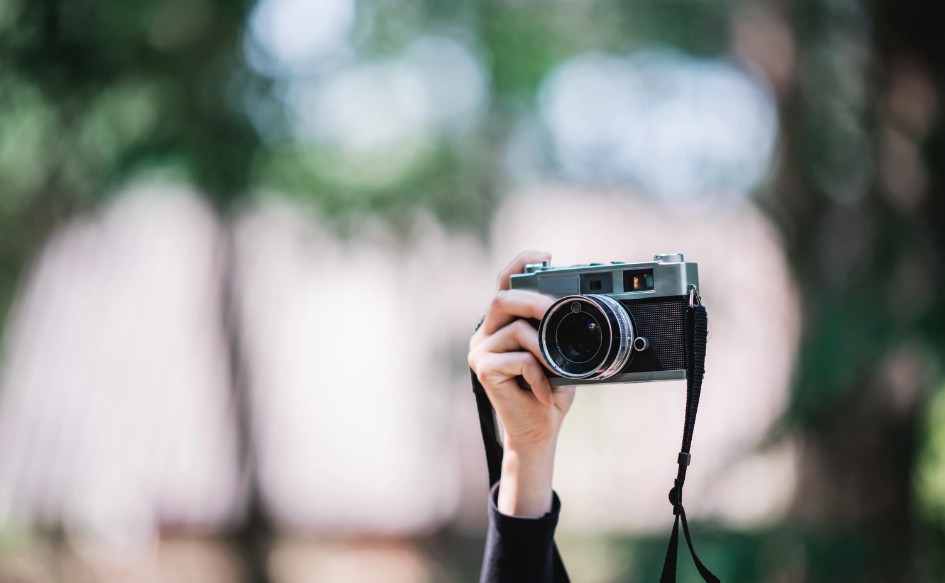
Once you’ve made your digicam purchase with ZenMarket, you have to check it. Here are some tips:
- Inspect the camera again.
Check for any defects or discrepancies. This is just to make sure you have everything in order.
- Shoot with the flash on, even in daylight.
That slightly blown-out, high-contrast look is a huge part of the aesthetic, and most digicams default to auto-flash for a reason.
Go easy. Start in your bedroom and take shots of objects. Or maybe go to a party and test your digicam with your friends. The point is you have to practice and be familiar with using it.
- Don't fight the low resolution.
These photos aren't meant to be printed at billboard size. The softness at full zoom is part of the vintage digicam’s charm.
The entire appeal is that this is what the digital camera actually produced. Upload it straight. Share with your family members and friends. And yes, don’t use any photo filters from any photo editing app.
So, is a Vintage Digicam Worth Buying?
That really depends on what you want from a camera.
If you're looking for the highest resolution, fastest autofocus, excellent low-light performance, or seamless smartphone connectivity, a modern camera will generally make more sense.
But if you want a compact camera with physical controls, an older digital aesthetic, and the experience of shooting with a device from another era, a vintage digicam can be a good addition to your everyday gear.
And if you're looking for a specific model, Japan's secondhand marketplaces give you plenty of places to start your search.
Find Your Next Vintage Digicam
Vintage digicams aren't popular because they outperform today's smartphones and cameras. Their appeal comes from the distinctive image characteristics they produce, their compact designs, and connection to an earlier era of digital photography.
If buying one from Japan is your next move, the process comes down to a few things: knowing what a vintage digicam actually is, which brands and series to search for, and how to read a listing's condition cues.
The last piece is logistics. Most Japanese secondhand marketplaces don't ship internationally on their own, which is where ZenMarket steps in: you pick the camera, and we handle the Japanese-side purchase, warehousing, and international shipping.
If you're ready to start looking for your next vintage digicam, browse our showcase of Japanese cameras for a curated starting point.
FAQs
What is a vintage digicam?
A vintage digicam is a compact point-and-shoot digital camera, typically from the late 1990s through the early 2010s, that people now seek out for its distinctive look and shooting experience. The word "vintage" refers less to a specific age and more to the combination of the camera's era, its older sensor technology (often CCD), and the aesthetic associated with early-2000s digital photography.
Is a digicam the same as a vintage camera?
Not quite. "Digicam" is shorthand for digital camera — broadly, any camera that captures photos electronically rather than on film. "Vintage digicam" is the narrower term, usually referring to a compact point-and-shoot digital camera from the late 1990s through the early 2010s that people now seek out for its distinctive look.
What are some popular vintage digicam models?
Commonly sought-after examples include:
- Canon PowerShot and IXY
- Sony Cyber-shot
- Casio Exilim EX-Z and EX-S
- Olympus μ (mju) DIGITAL / Stylus
- Panasonic LUMIX LX series
- Fujifilm FinePix F series
- Nikon Coolpix S (Style) line
Popularity varies by community and preference, so look for a specific model that fits what you want rather than following any single "best-of" list.
How do you buy a digicam from Japan?
Most Japanese secondhand marketplaces don't ship internationally on their own. The usual path is to browse those marketplaces, pick a listing, and use a proxy shopping service like ZenMarket to handle the Japanese-side purchase, warehousing, and international shipping.
Do digicams still work after all these years?
Many do, but condition varies a lot given their age. The battery, LCD screen, and lens are the parts most likely to have degraded. It’s worth checking those specifically rather than assuming a camera works just because a listing says "used."
What should I check when buying a used digicam?
At a minimum, confirm the camera has been tested. Look for 動作品 (working item) or 動作確認済み (operation confirmed) in Japanese listings. Then check that the flash and zoom work, the battery is included and holds a charge, the charger is included, and the lens and LCD are free of major damage like fungus, haze, or dead pixels. Also confirm the memory card format, since not every digicam uses standard SD.
Why shop with ZenMarket
ZenMarket offers professional Japanese shopping and bidding services, compatible with Japanese online shopping sites. All you need to do is copy the product link and add it to your cart. Our team will verify availability, price, shipping, etc., so you can easily purchase the latest products from Japan without leaving your home! Want to understand our services better? Don't forget to read how to use ZenMarket.
Don't have a ZenMarket account yet?
Sign up