Japanese kimono patterns are more than just beautiful designs — they're rich with centuries of culture, artistry, and symbolism, each one telling a unique story through motif and color. From delicate cherry blossoms to majestic cranes, every detail holds meaning, and understanding kimono colors' meaning can open a whole new layer of appreciation for these stunning garments.
For those exploring the world of vintage and second-hand kimono, this isn’t just fashion, it’s a journey into tradition. Each piece carries the legacy of those who wore it before, along with motifs and colors chosen not only for beauty, but for their symbolic meaning. Whether you're searching for a garment that expresses the season, marks a life milestone, or simply speaks to your personal aesthetic, there’s a hidden narrative waiting to be discovered in every fold.
Popular Japanese Kimono Patterns and Their Meanings
Flowers and Plants: Nature's Poetry in Silk
The natural world provides some of the most beloved kimono motifs, and each flowering plant tells its own beautiful story.
Cherry Blossoms (Sakura) are perhaps the most famous of all Japanese symbols, representing the fleeting beauty of life and fresh beginnings. When you see sakura on a kimono, think of spring mornings and the gentle reminder that life's most precious moments are meant to be treasured because they don't last forever. These delicate blooms are perfect for celebrating new chapters in life — graduations, new jobs, or simply welcoming spring.
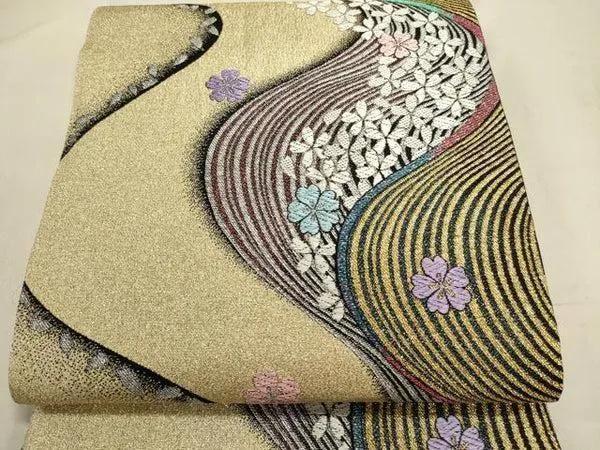
Cherry blossoms remain one of the most popular patterns.
Chrysanthemums (Kiku) are Japan's imperial flower, symbolizing longevity, nobility, and the hope for a life well-lived. The intricate petals create some of the most stunning kimono designs, especially popular during autumn festivals. When you wear chrysanthemum patterns, you're connecting with centuries of Japanese reverence for endurance and grace.
Pine, Bamboo, and Plum (Shochikubai) form what's known as the "Three Friends of Winter" — a trio that represents the qualities we all need to thrive. Pine shows us steadfast loyalty, bamboo teaches flexibility in tough times, and plum blossoms remind us that hope can bloom even in the coldest seasons. You'll often find these motifs on New Year kimono because they're considered incredibly lucky.
Animals and Creatures: Symbols of Life's Wishes
Animal motifs in kimono design aren't just pretty pictures — they're like wearing your hopes and dreams.
Cranes (Tsuru) are absolute favorites in the kimono world, and for good reason! Japanese folklore says cranes live for 1,000 years and mate for life, making them perfect symbols for weddings and wishes for lasting happiness. The graceful curves of their necks and wings create some of the most elegant kimono designs you'll ever see. At ZenMarket, we love how crane patterns make every occasion feel special.
Butterflies (Cho) represent transformation and joy — perfect for anyone going through positive changes in life. Their journey from caterpillar to beautiful winged creature makes them powerful symbols of personal growth. Young women especially love butterfly motifs because they symbolize the exciting transformation into adulthood.
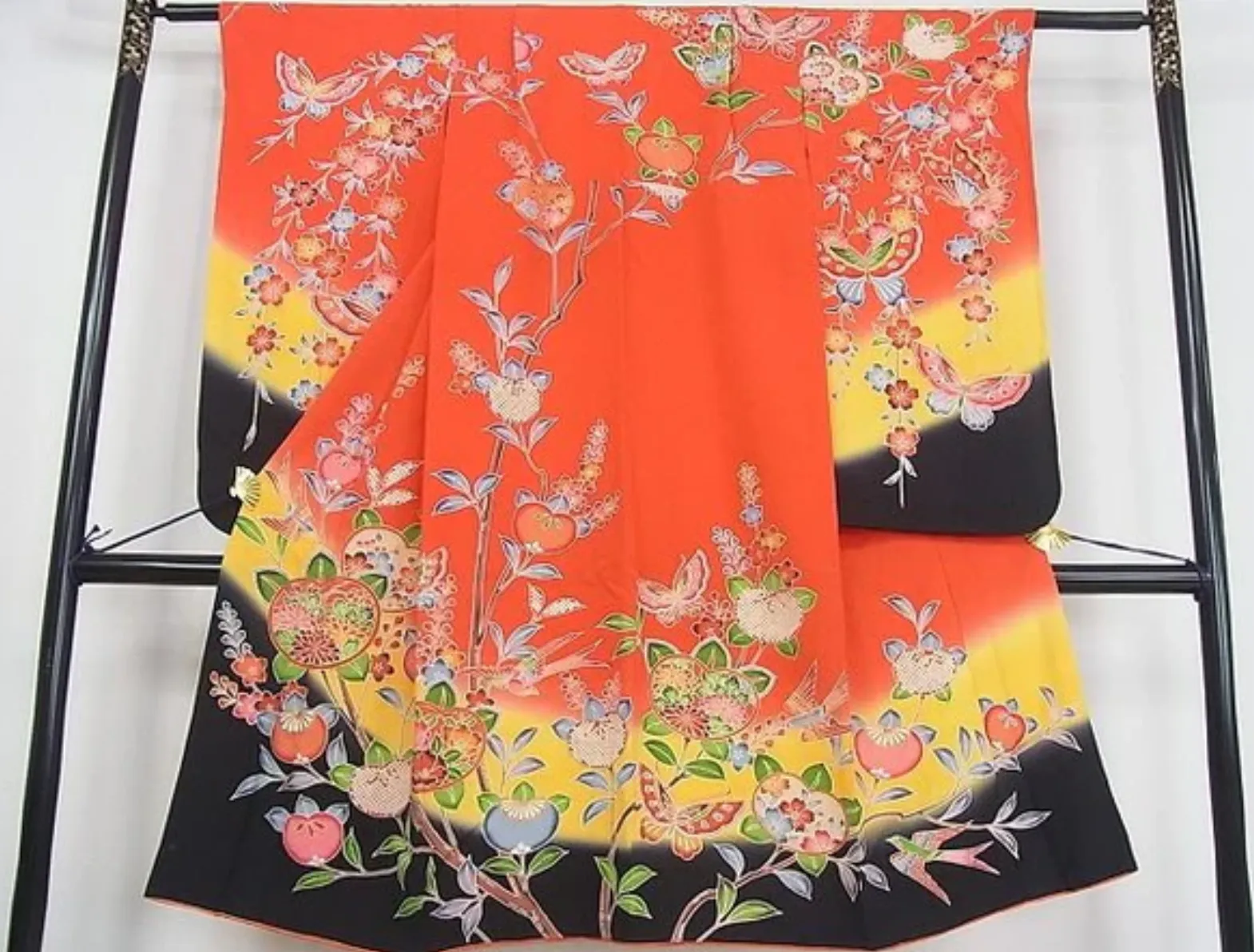
Butterflies can a great kimono pattern for any occasion.
Tortoises (Kame) might seem like an unusual choice, but they're actually symbols of incredible longevity and accumulated wisdom. The geometric patterns inspired by tortoiseshell create striking hexagonal designs that are both modern-looking and deeply traditional. They're perfect for formal occasions where you want to convey respect and thoughtfulness.
Nature and Abstract Motifs: The Poetry of Elements
Sometimes the most powerful kimono patterns come from nature's broader canvas.
Waves (Nami) capture the rhythm and flow of life itself. The famous overlapping semicircle pattern called "seigaiha" symbolizes tranquility and strength — imagine gentle waves lapping at the shore. More dramatic wave designs represent life's bigger challenges and our ability to navigate them with grace. Wave patterns are especially refreshing in summer kimono, bringing thoughts of cool ocean breezes.
Clouds, Mist, and Mountains create those dreamy, atmospheric designs that make kimono feel almost magical. Cloud patterns represent life's transitions and changes, while mist adds an air of mystery and elegance. Mountain motifs ground us, representing stability and our connection to the natural world. These subtle patterns create beautiful depth in kimono design.
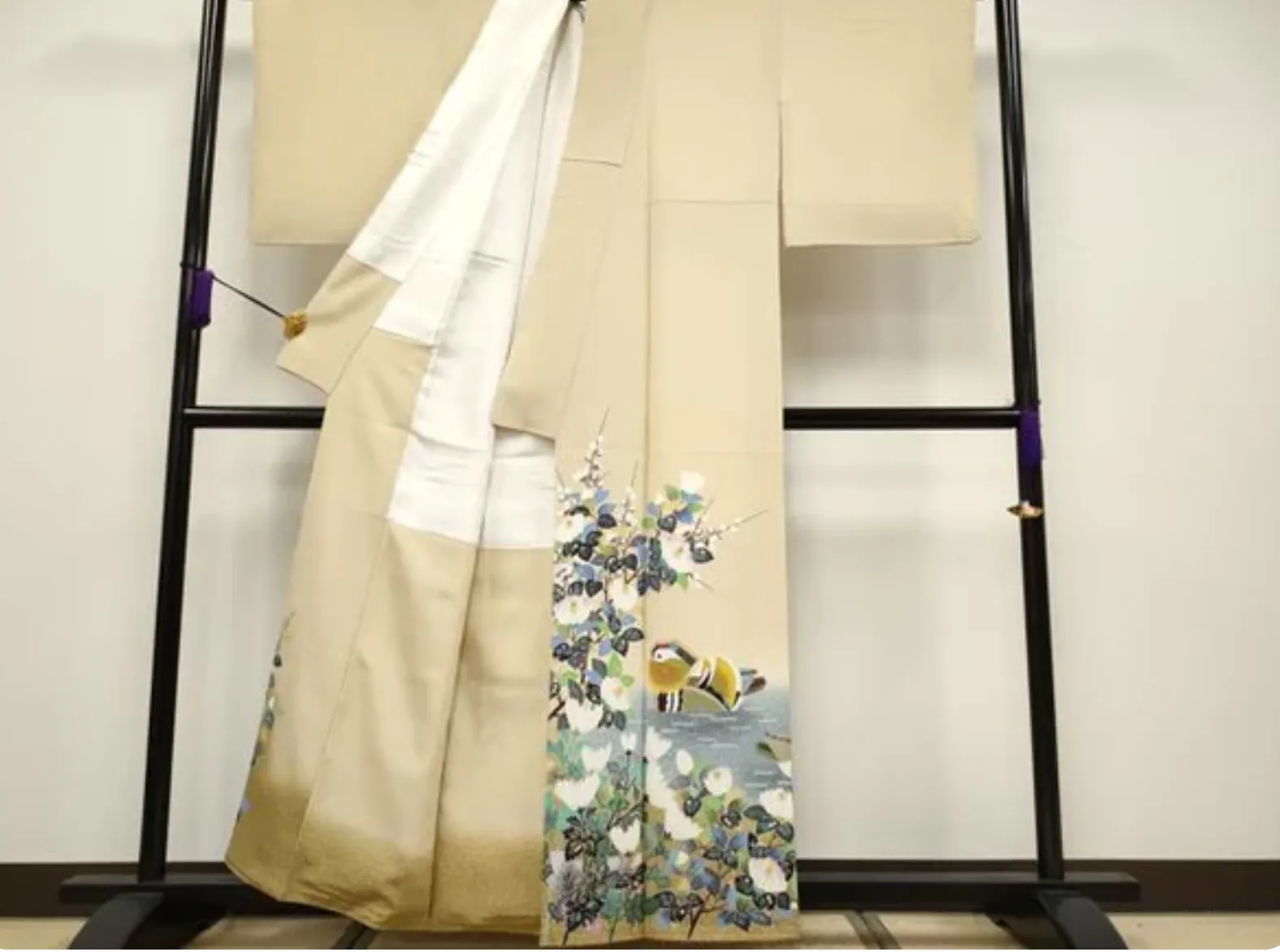
Often natural depictions in kimono can have a more abstract look.
The Symbolism of Kimono Colors: What Each Hue Represents
Color choices in kimono are just as meaningful as the patterns themselves, with each hue carrying its own cultural significance and emotional message.
Red is all about life force, passion, and protection. It's energetic and celebratory, which is why you'll see it in festive kimono and children's clothing. The specific shade matters too — bright red is youthful and vibrant, while deeper reds convey sophistication and maturity.
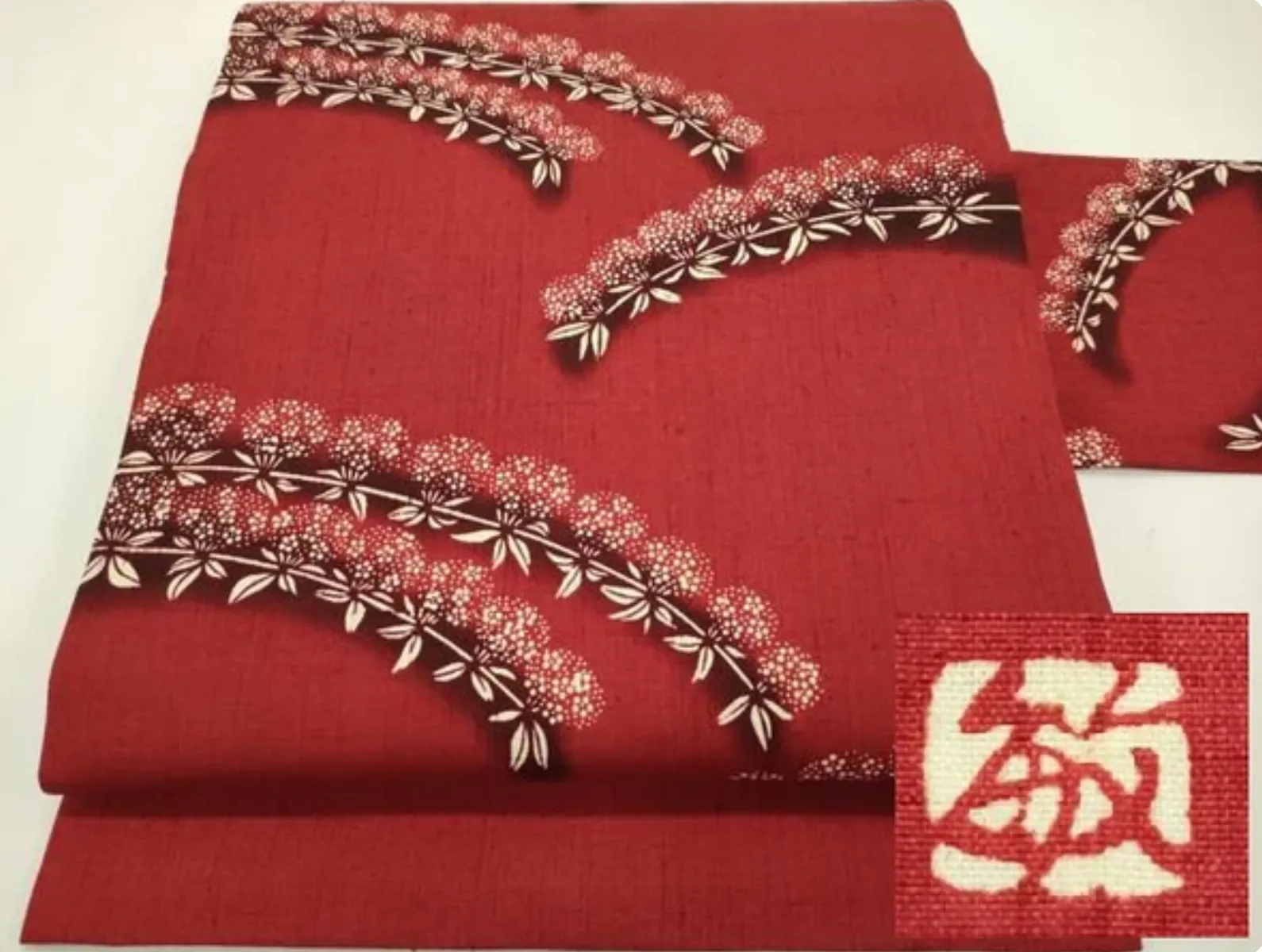
For a bold choice, check out the red kimonos at Heiwaya.
White represents purity, new beginnings, and spiritual cleansing. It's the color of fresh starts, which is why brides wear white kimono and why it appears in many ceremonial contexts. White also serves as a beautiful canvas for other colors and patterns to shine.
Blue and Indigo (Ai) bring feelings of calm, depth, and trustworthiness. The deep blue of natural indigo dye has been beloved in Japan for centuries, representing both everyday reliability and artistic beauty. These colors work beautifully for both casual and business occasions.
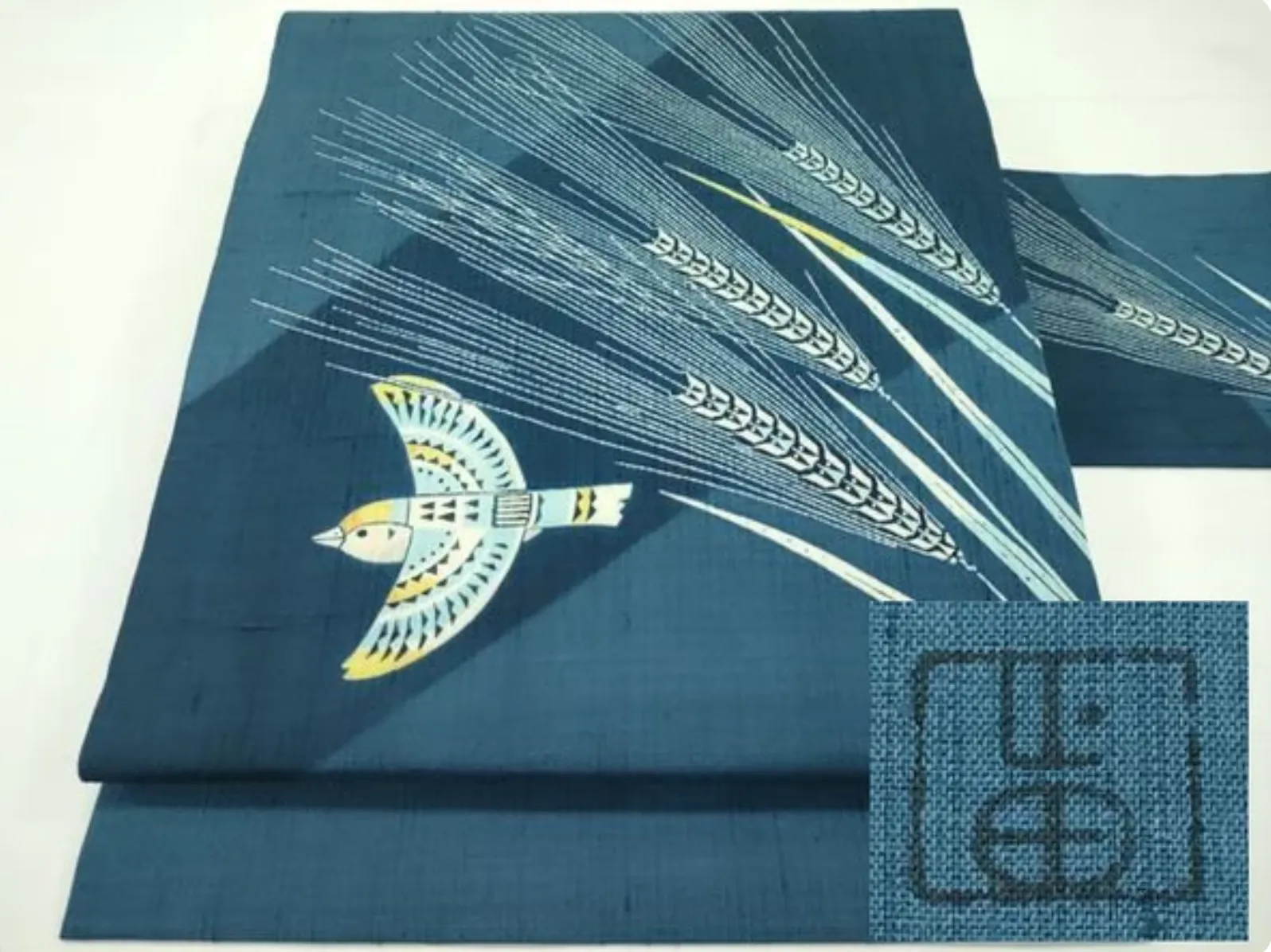
Indigo is an important and culturally significant traditional color of Japanese kimono.
Black embodies elegance, formality, and timeless sophistication. A black kimono with subtle patterns or metallic accents represents the height of refined taste. It's dramatic, dignified, and always appropriate for formal events.
Gold and Purple are the colors of luxury and nobility, historically reserved for the highest ranks of society. Gold threads catch light beautifully, making kimono glow from within, while purple represents both earthly achievement and spiritual depth.
How to Choose a Kimono by Season and Occasion
Understanding when and why to choose specific patterns makes wearing kimono even more meaningful.
By Season: Living in Harmony with Nature
Japanese culture emphasizes living in sync with natural cycles, and kimono selection beautifully reflects this philosophy. Spring calls for cherry blossoms and fresh greens that echo the season's gentle awakening. Summer kimono feature cooling imagery like water motifs and morning glories in blues and whites that make you feel refreshed just looking at them.
Autumn celebrates the season's dramatic beauty with maple leaves, chrysanthemums, and rich harvest colors. Winter embraces the stark beauty of the cold months with plum blossoms, pine designs, and snow-inspired patterns. At ZenMarket, we love helping customers understand these seasonal connections — it makes choosing the right kimono feel like participating in an ancient, beautiful tradition.
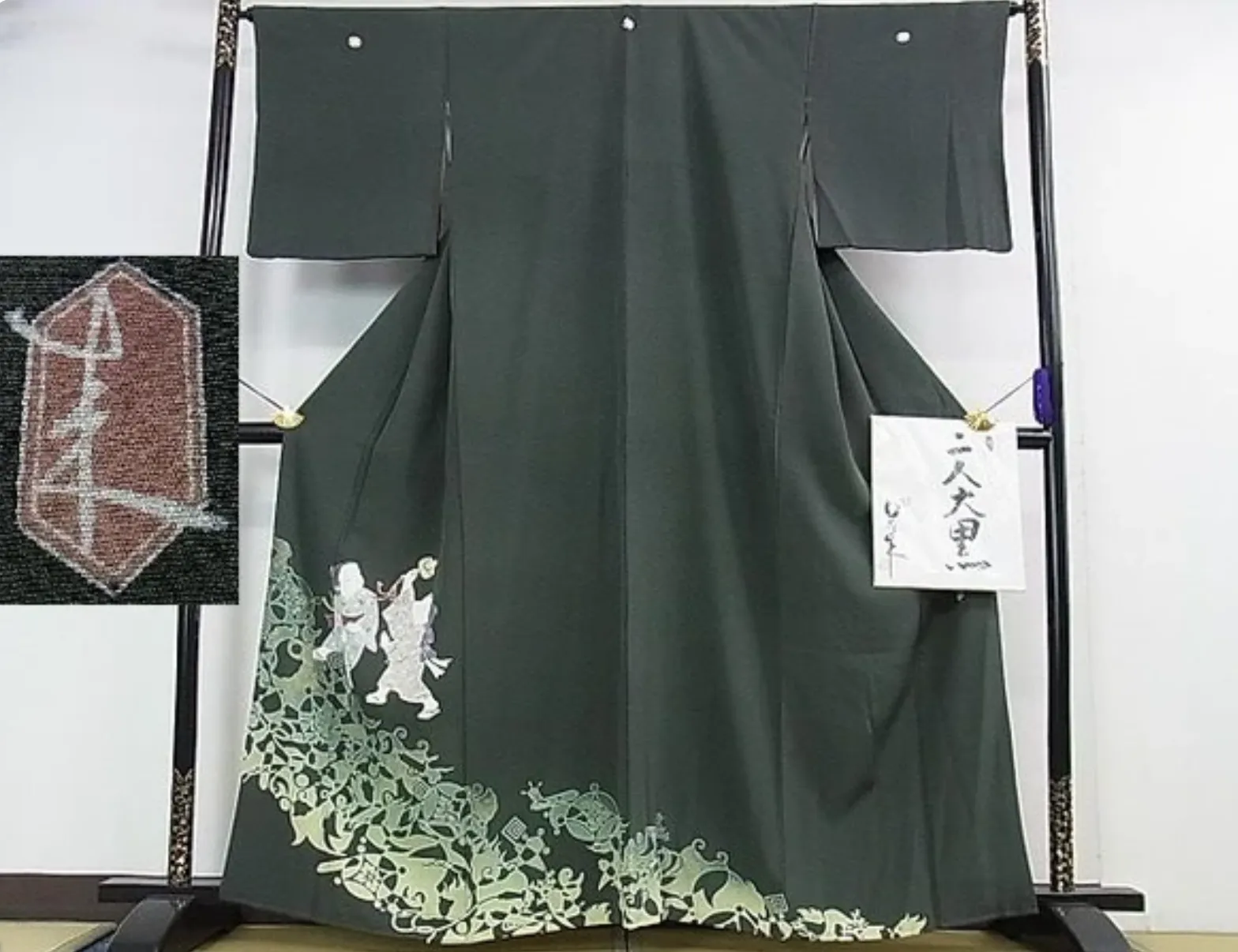
Natural themes are found throughout many kimonos at Heiwaya.
By Occasion: Dressing for Life's Moments
Different occasions call for different symbolic messages. Wedding kimono layer multiple lucky symbols — cranes for lasting love, pine for longevity, gold for prosperity — creating garments that are like wearable prayers for happiness. Coming-of-age ceremonies feature youthful symbols like butterflies and cherry blossoms, celebrating the exciting transition to adulthood.
Festival kimono invite bold, celebratory patterns, while more subdued designs show respect at solemn events. The beauty is in choosing patterns that honor the significance of each moment.
By Intent: Wearing Your Hopes and Dreams
Perhaps most wonderfully, kimono patterns can be chosen to express your personal intentions and hopes. Someone facing challenges might choose bamboo patterns for their message of flexibility and strength. A person celebrating achievements could select phoenix motifs symbolizing triumph and renewal.
This intentional use of symbolism makes each kimono a form of wearable meditation — a daily reminder of what matters most to you.
Discover Your Story Through ZenMarket
Vintage and second-hand kimonos aren’t just garments — they’re living art, each with a story stitched into every thread. Through Heiwaya, you can explore a carefully curated collection of authentic, pre-loved kimono, rich in symbolism, seasonal beauty, and traditional craftsmanship.
Whether you're captivated by cherry blossoms in bloom, inspired by the graceful strength of crane motifs, or intrigued by the deeper layers of kimono colors' meaning, Heiwaya offers pieces that speak to both heart and heritage.
For a reputable location for high quality kimono, look no further than Heiwaya
And with ZenMarket, discovering and purchasing your favorite kimono is simple — no matter where in the world you are. As an international shopping service, ZenMarket makes it easy to access and order from Japanese sellers like Heiwaya, bringing these cultural treasures right to your doorstep.
You're not just buying clothing — you're becoming part of an enduring story told in silk and thread, one that bridges generations and cultures. So the next time you see a kimono, look closer. What story is it telling? And what new story will begin when you make it your own?
So the next time you choose a kimono, look closely. What message does it whisper? And what beautiful story will begin when you make it your own?
Have you signed up for ZenMarket yet?
ZenMarket is the place to get your hands on goods directly from Japan!
Sign up for FREE now