If you love Japan and enjoy crafting, then custom anime figures and plastic model kits are a great way to make your collection truly unique. Whether you want to create a figure from scratch, assemble and paint one from a kit, or customize an existing figure, you will find all the essentials in this fun and detailed guide!
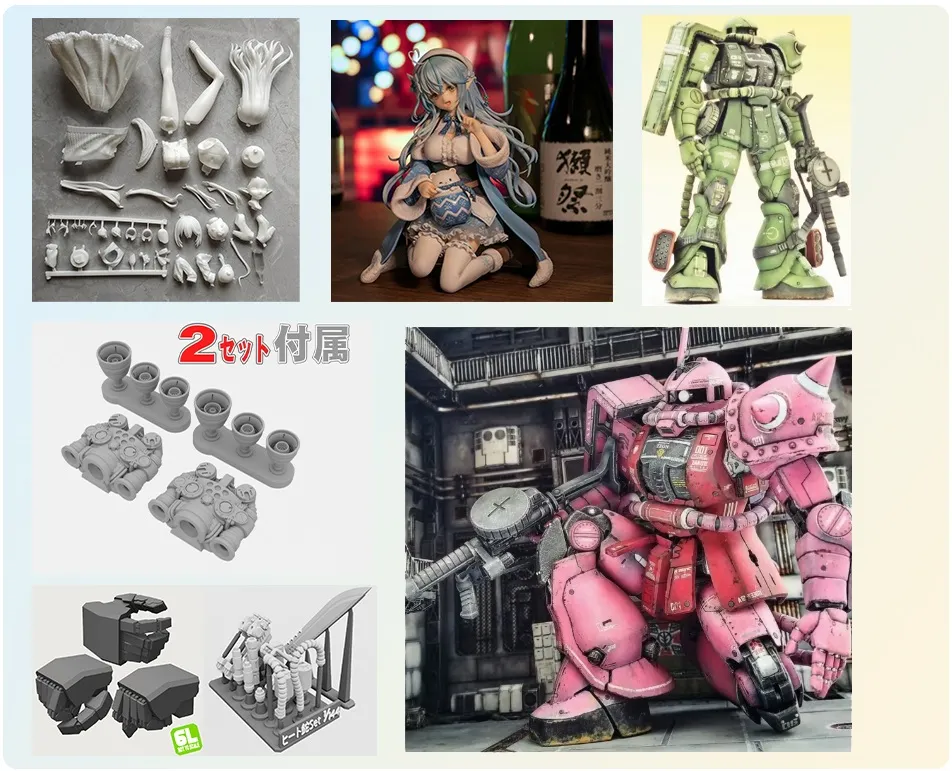
Many people tend to overlook custom anime figures. Some are put off by the idea of assembling them, while others simply aren’t confident in their crafting skills. But the world of Japanese plastic models and custom figures is vast and fascinating, a full-fledged hobby that many fans of model building dedicate plenty of time to.
There’s room for everyone here since the figures you can create by hand vary in how complex they are to assemble, how much you can customize them, how much time they take, and how deeply you want to get involved in the process.
For example, you might simply repaint a finished figure to match your taste, build a detailed scale model from a kit, or, for the most dedicated fans of handmade art, create an entirely original figure from scratch.
Whichever option you choose, you will need tools and custom parts. The best choice for this hobby is to use authentic accessories and model kits from Japan! In our step-by-step guide, you will learn about the different types of custom anime figures, which kind might suit you best, and where to buy everything you need for successful assembly directly from Japan.
Step 1: Choose the Type of Custom Figure and Plan Its Design
Planning your future custom figure is the very first, and no less important step. First, you need to decide what exactly you want to create and how much time you are willing to spend on it.
Everyone has their own reasons, some couldn’t find a ready-made figure of their favorite anime character and decided to make one themselves, others are tired of mainstream releases and want a unique figure that no one else will have.
For some, building plastic models has been a long-time hobby. There are plenty of options for both beginners and experienced creators, so let’s take a look at the different types of custom anime figures!
1. Garage Kits
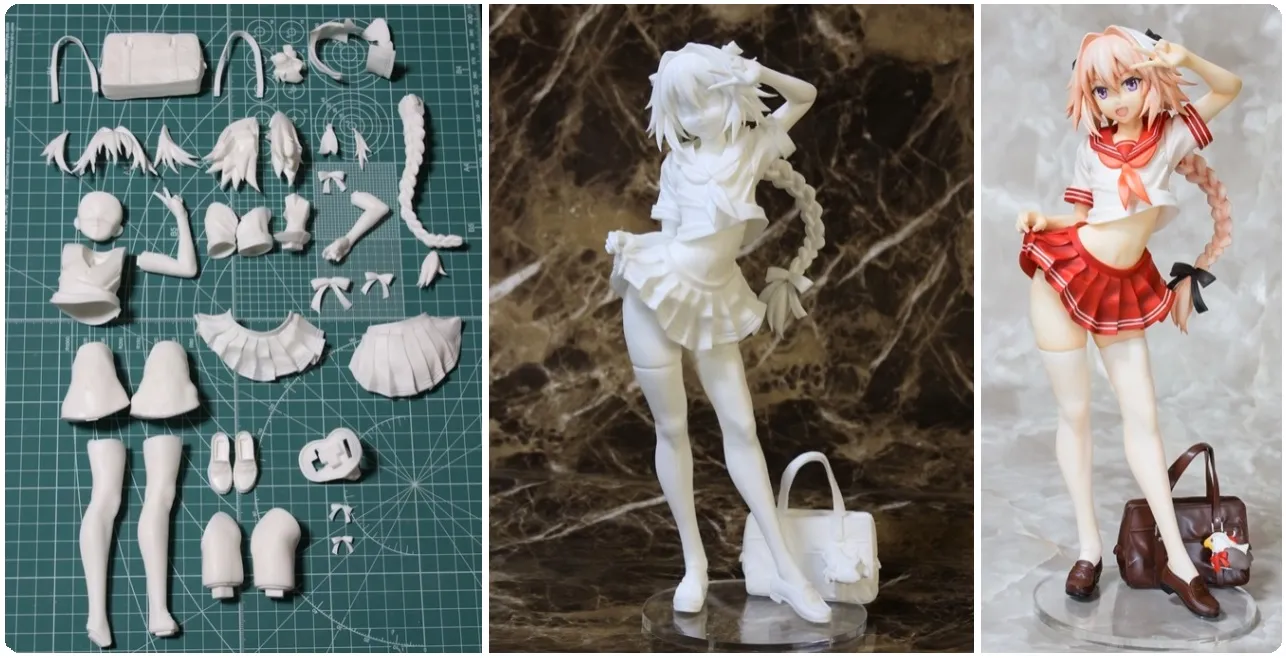
Garage kits (ガレージキット), often called garage figures, are the most common type of custom anime figure. When people talk about figures that need to be assembled by hand, they are usually referring to these. In Japan, there are countless kits featuring a wide range of characters, both popular and niche.
All of them are known for high quality, and finding or buying them pre-assembled is extremely difficult, which makes garage kits a highly sought-after treasure for anime fans and figure collectors. Keep in mind that kits sold at a much lower price may be recasts, unauthorized copies of original garage kits. These are often decent in quality, except for the cheapest ones, but buying a recast does not support the original sculptor.
Most garage kits are not produced by large companies but by doujin sculptors, independent enthusiasts who sell limited-run figures at events such as WonFes or Comiket.
Garage kits are sold in pieces, meaning a set of unpainted parts that you need to prepare, paint, and assemble yourself. You can follow the suggested color scheme or get creative and paint the figure however you like. Many kits also include stickers to make assembly easier, such as for adding the characters’ eyes. Kits designed for more advanced builders assume you will paint all parts yourself, which requires considerable artistic skill.
Another advantage of garage kits is that you control every step of the assembly process, so you can create a figure that is far higher in quality than one mass-produced in a factory. If you like a garage kit but don’t have the time or desire to assemble it yourself, you can buy the kit and have a garage master assemble it for you. These professionals specialize in building custom figures for a fee.
2. Plastic Model Kits
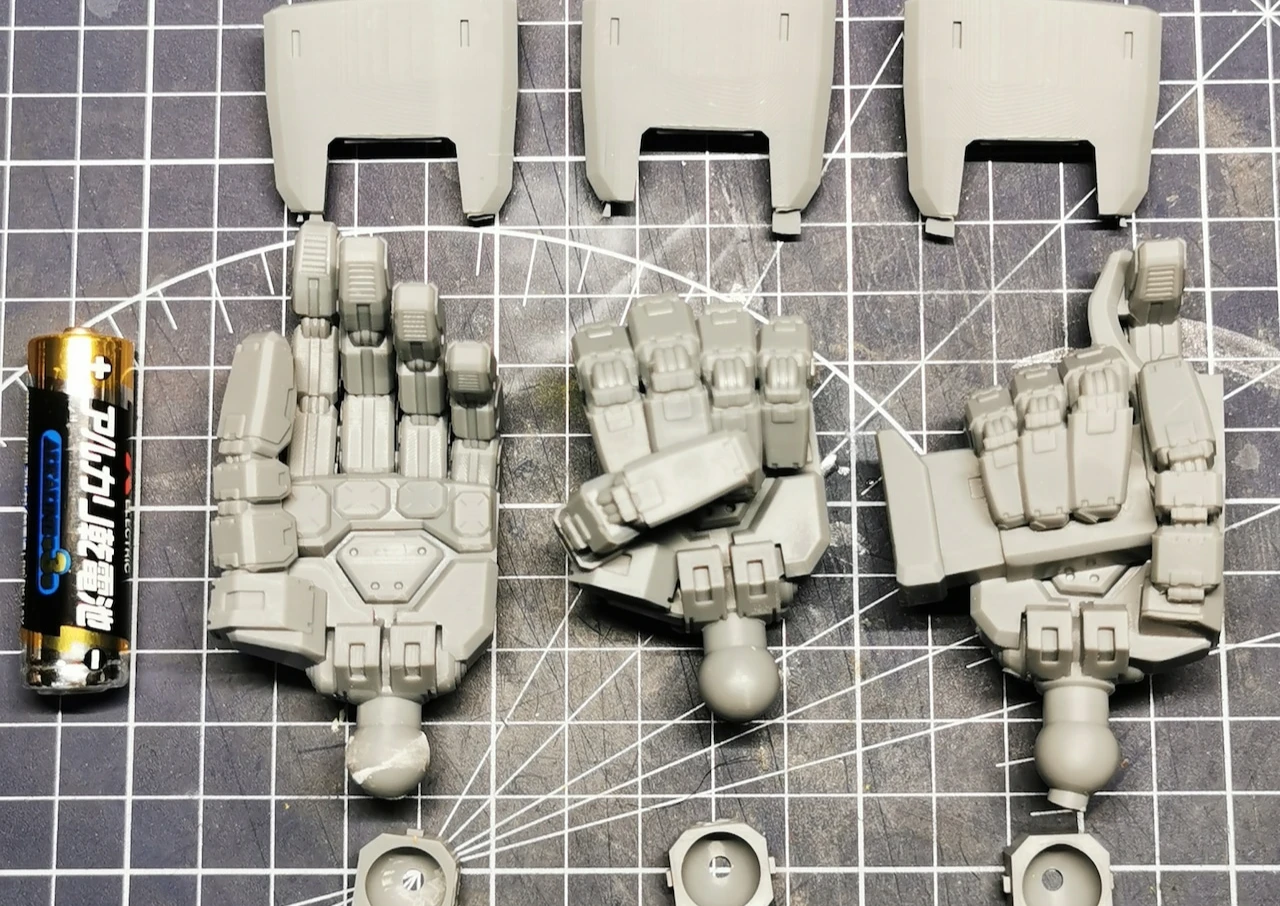
Another very popular category is plastic model kits, or Gunpla, best known from the Gundam anime. Gunpla fans collect scale models of combat robots, and in Japan you can find an enormous selection from various mecha anime.
There are also plastic models of anime characters, which can be assembled from many parts into action figures. The most popular kits do not require painting or gluing and can be built like a construction set, but there are also kits for enthusiasts that you can assemble, paint, and customize to your liking.
3. Customizing Existing Figures
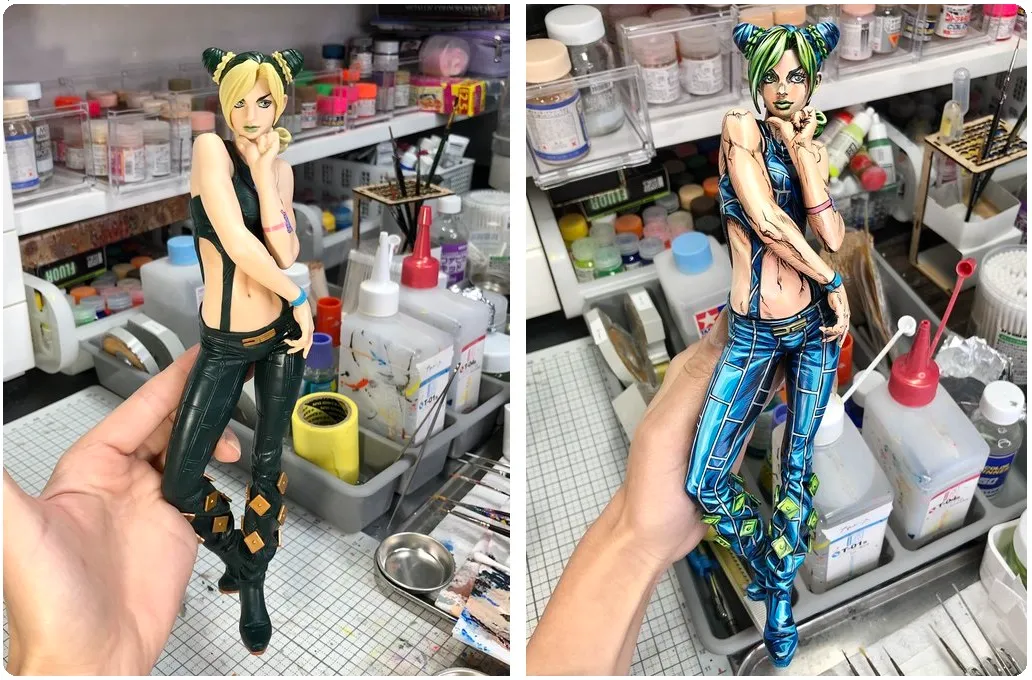
For those confident in their skills, you can move on to true customization: modifying existing figures to suit your own vision. Depending on your goals and abilities, you can:
- Create a custom display base for the figure
- Repaint the figure or parts of it
- Redesign the figure’s clothing
- Transform the figure beyond recognition
Enthusiasts often use game prizes for these experiments, which are affordable Japanese figures won from arcade machines. You can also buy them through regular stores and then modify them yourself. Typically, the figure’s glue is removed first by placing it in hot water or using a heat gun. After taking it apart, the necessary parts are sanded, repainted, or replaced.
For example, here is a custom Jolyne Cujoh from JoJo that was repainted in more authentic colors, or Matsuri Kanroji from Kimetsu no Yaiba, whose outfit was redesigned. Attempting this, especially with more expensive complete figures, should be done at your own risk. Only try it if you clearly understand the result you want to achieve and are confident in your skills.
4. Customizing Plastic Models
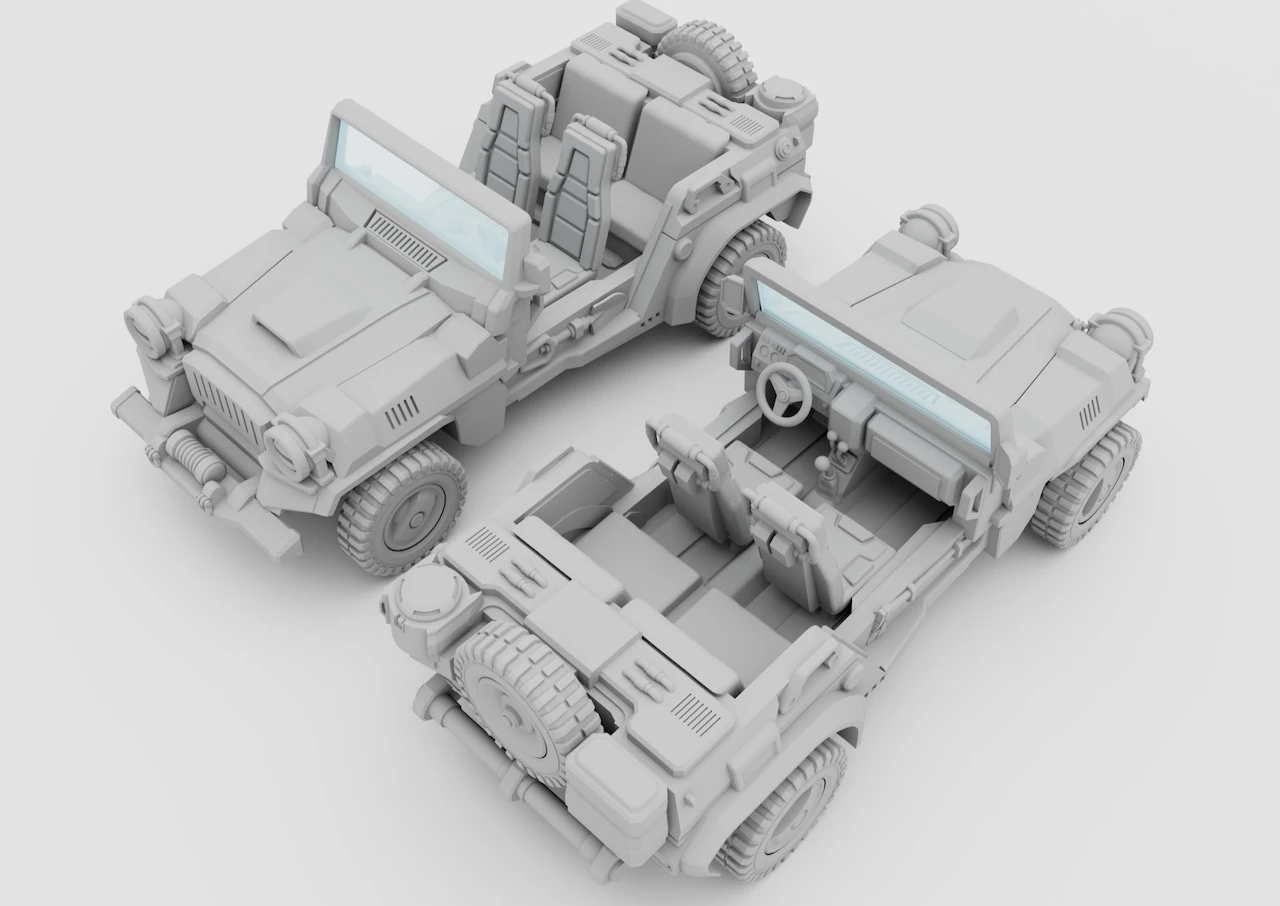
One of the most popular types is custom plastic models. Gunpla and scale model kits are a very popular hobby in Japan, so many people want to create their own custom combat robot, improve a favorite mecha, or modify it in their own way. The most skilled craftsmen, such as the well known Japanese modeler Mannen, a winner of many competitions, even create entire dioramas that include several scale plastic models at once.
There are many options for this, as Japanese stores produce a variety of custom parts that help you make your model not only better but also more unique. You can enhance poses, add weapons, or integrate additional mechanical details to bring your vision to life.
5. Fully Handmade Figures
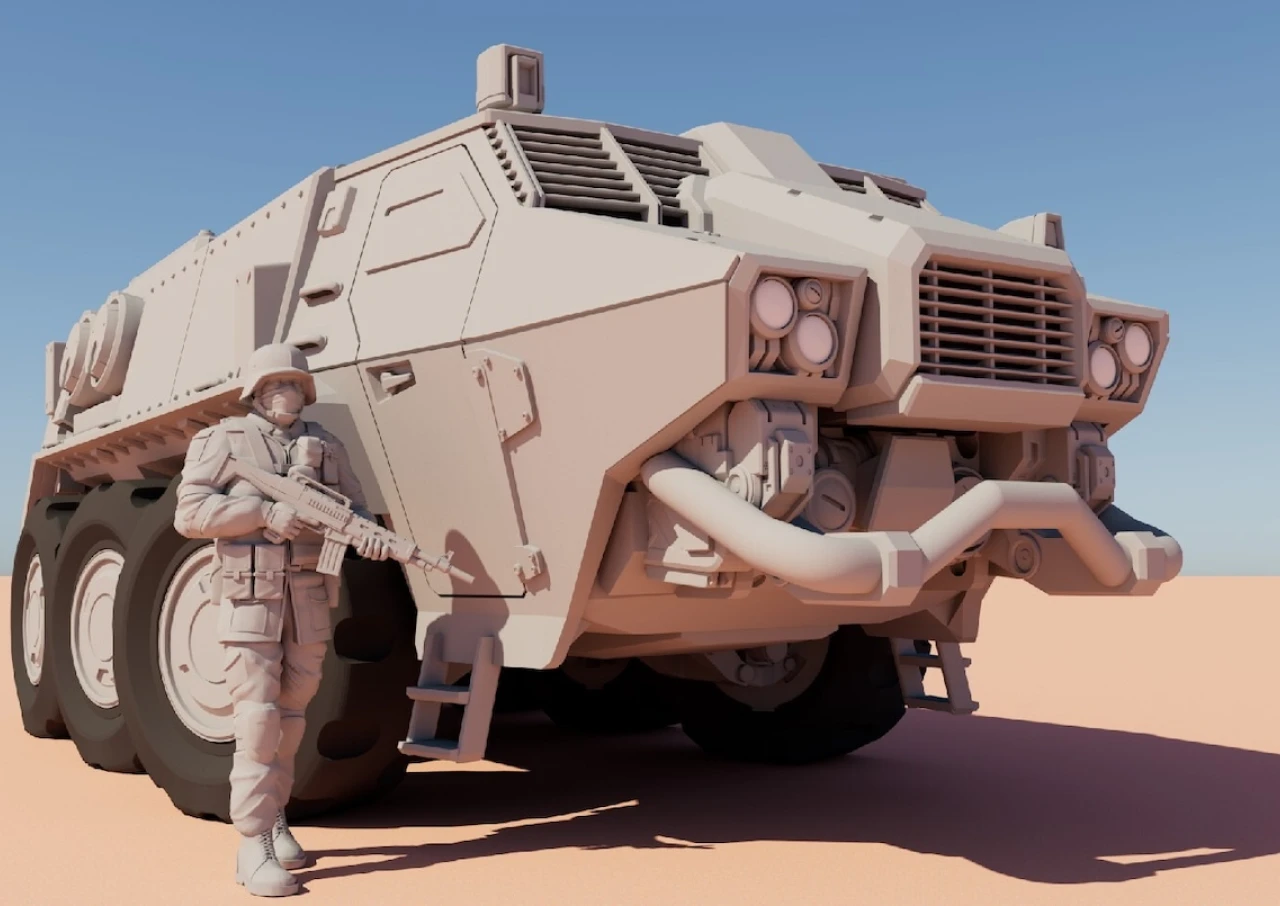
The final and most challenging stage is creating a fully handmade figure. Here, your creativity is limited only by your imagination, budget, and free time. You will need to be a sculptor, painter, and designer, in short, a true jack of all trades. There is a lot you can make, from paper models based on your own designs to large-scale polymer clay figures like this figure of Ellen from Zenless Zone Zero.
You can create your own anime figure or a Gunpla. If you want to make the process a bit easier, you can buy different parts separately and assemble them into a unique model. If you are serious about creating one, check out the recommended store Mannen.
There you will find a wide selection of custom parts for combat robots that will appeal to all Gunpla fans. Manipulator arms, rocket boosters, weapons, vehicles, decals, and other parts in various scales are 3D-printed, highly detailed, and will help you bring your mecha vision to life.
Step 2: Gather the Necessary Tools and Materials from Japan
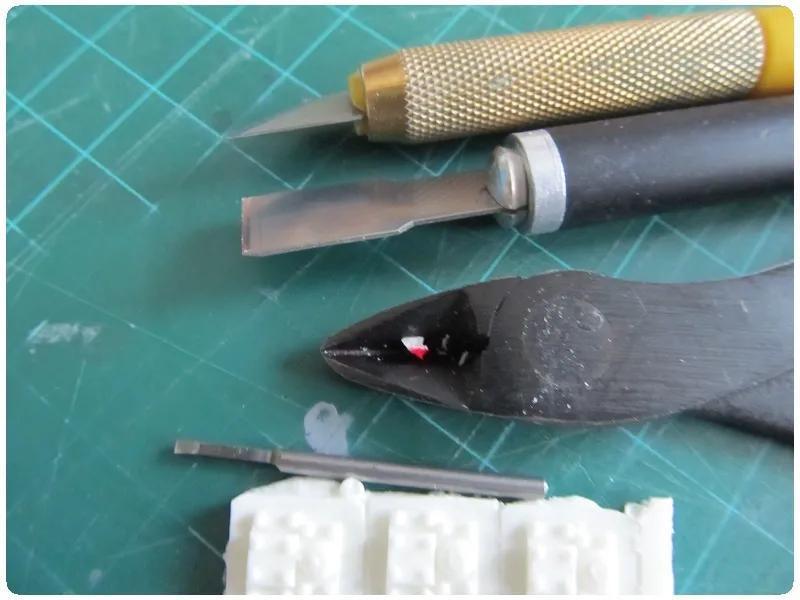
If you are confident in your skills and want to assemble a custom figure by hand, you will need to get some tools and accessories. Here are the most important ones:
- Self-healing cutting mat – This is an essential accessory for any modeler. You will use it to cut and work with plastic model parts. For convenience and scale reference, these mats usually have a grid pattern of various sizes.
- Sandpaper – This is used to polish the surfaces of plastic parts.
- Masking tape – This is used during painting to cover areas that should not be painted.
- Airbrush – This is used to conveniently and quickly color the parts.
- Modeling knife
- Putty
- Primer
- Brushes
- Paints
- Glue
You can start collecting your set of essential tools from Japanese online stores, where you will find authentic, high-quality tools and accessories. Model building is extremely popular in Japan, and local craftsmen and manufacturers truly know what makes good tools. That is why it is a great idea to get them directly from Japan.
For example, in the recommended store Schmittworks you can find special molding sheets that help create embossed rivets, and in the store Mannen you will find specialized tools and electronic equipment. On its website, you can also watch detailed videos on creating custom models by the store owner, such as robots like Tachikoma from the famous anime Ghost in the Shell.
Step 3: Assemble, Paint, and Customize the Figure
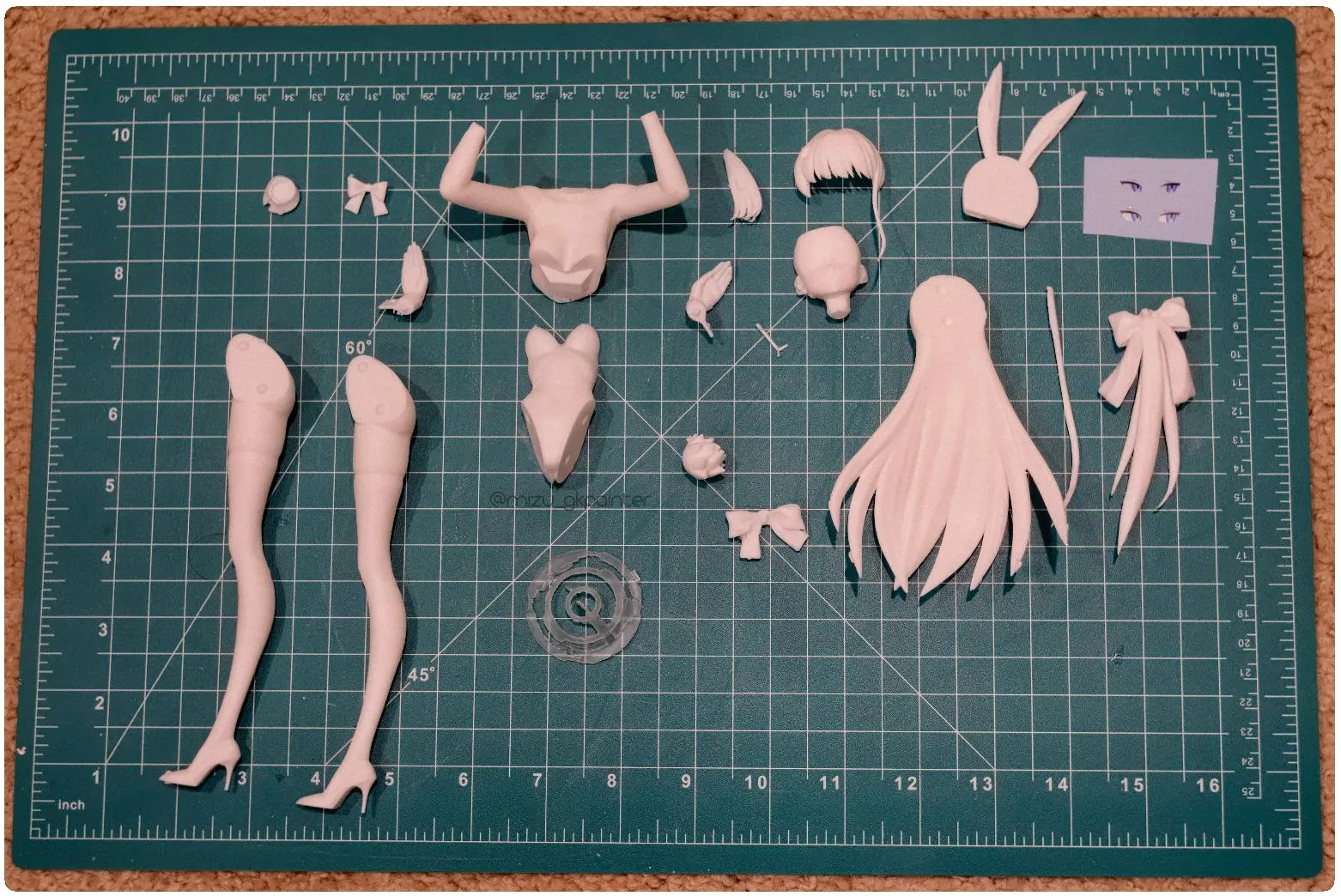
Once you have decided what you want to customize and have acquired a plastic model and the necessary tools, it is time to start the most challenging stage: the actual assembly and painting. For fans of custom figures, this process is the main enjoyment, something you cannot get from buying a pre-made figure “like everyone else’s.” The ability to assemble and paint custom figures and plastic models yourself is what sets them apart.
The process depends on the type of model you are working on. You might be customizing a ready-made figure, assembling a garage kit, or building large-scale models. For this guide, we will focus on the most popular option which is a garage kit. You can purchase a garage kit from Japan or, if you are an advanced modeler, create your own custom garage kit using a 3D printer.
Important! If you are a beginner, it is better to start with models at a scale from 1/8 to 1/6, this way you will not have to deal with extremely small parts. It is also best to choose kits with 10-20 parts, this will make assembly and painting easier. We also recommend checking out professional assembly guides, while here we will only outline the process in general.
How to Assemble an Anime Figure: A Quick Guide
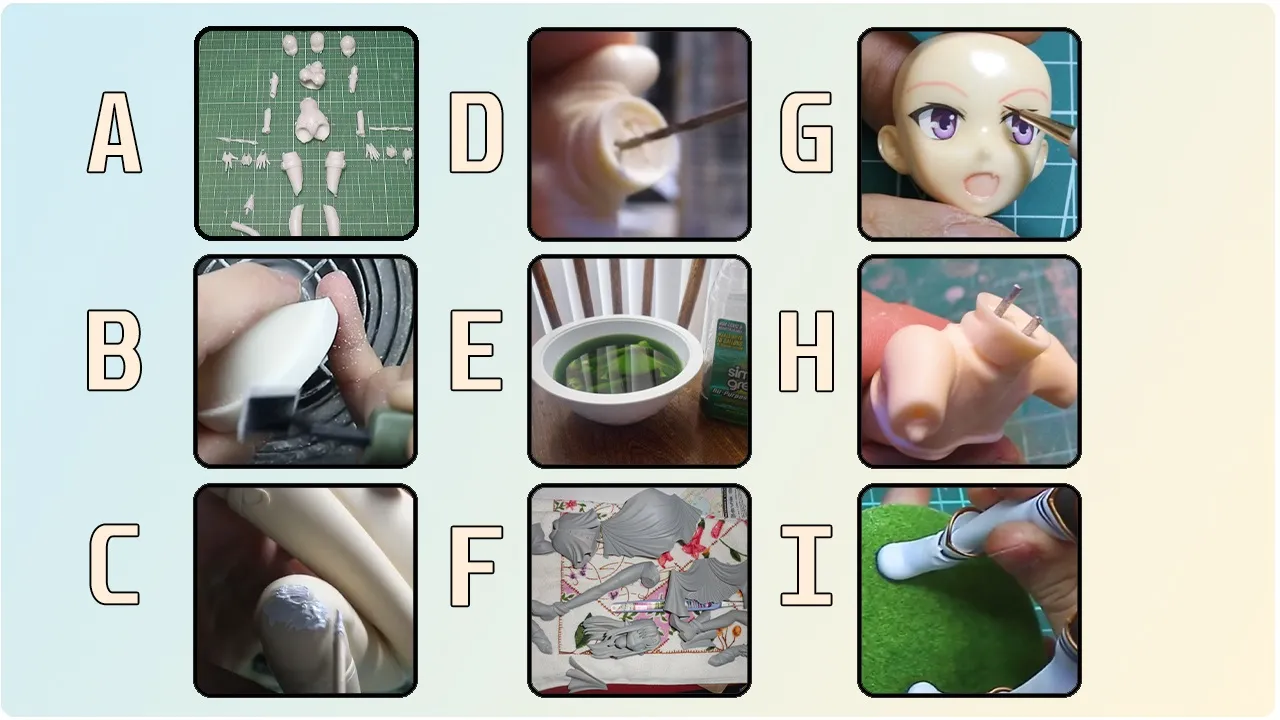
- Lay out all the parts in order on a mat, number them, and study them.
- Clean the kit parts from rough edges using sandpaper or special tools like a grinding wheel. It is important to make them as neat as possible before painting. For small details, you can also use a modeling knife. Note that garage kits can be made of PVC plastic, soft vinyl, or polyurethane resin, the latter should be handled carefully because it is more fragile.
- Use putty to hide minor defects and gaps on the parts, if any.
- Drill holes in the parts for the wire that will connect them. This helps the figure hold together securely when glued. Use a drill from 0.5 to 1.5 mm and wire of the same diameter.
- Soak the parts for 6-7 hours in a cleaning solution, then rinse with cold water.
- Apply primer, usually a gray paste that helps paint adhere better.
- Paint the figure. Acrylic paints work best. Note whether they are water- or alcohol-based. Then paint the face and eyes, or use decals. After painting, apply a protective matte coating to the parts.
- Insert wire of the correct diameter into the drilled holes and cut it with wire cutters, this will create pins for assembly.
- Assemble the figure and securely glue all the parts, then place the finished figure on a stand.
Step 4: Display Your Finished Work in a Safe Place
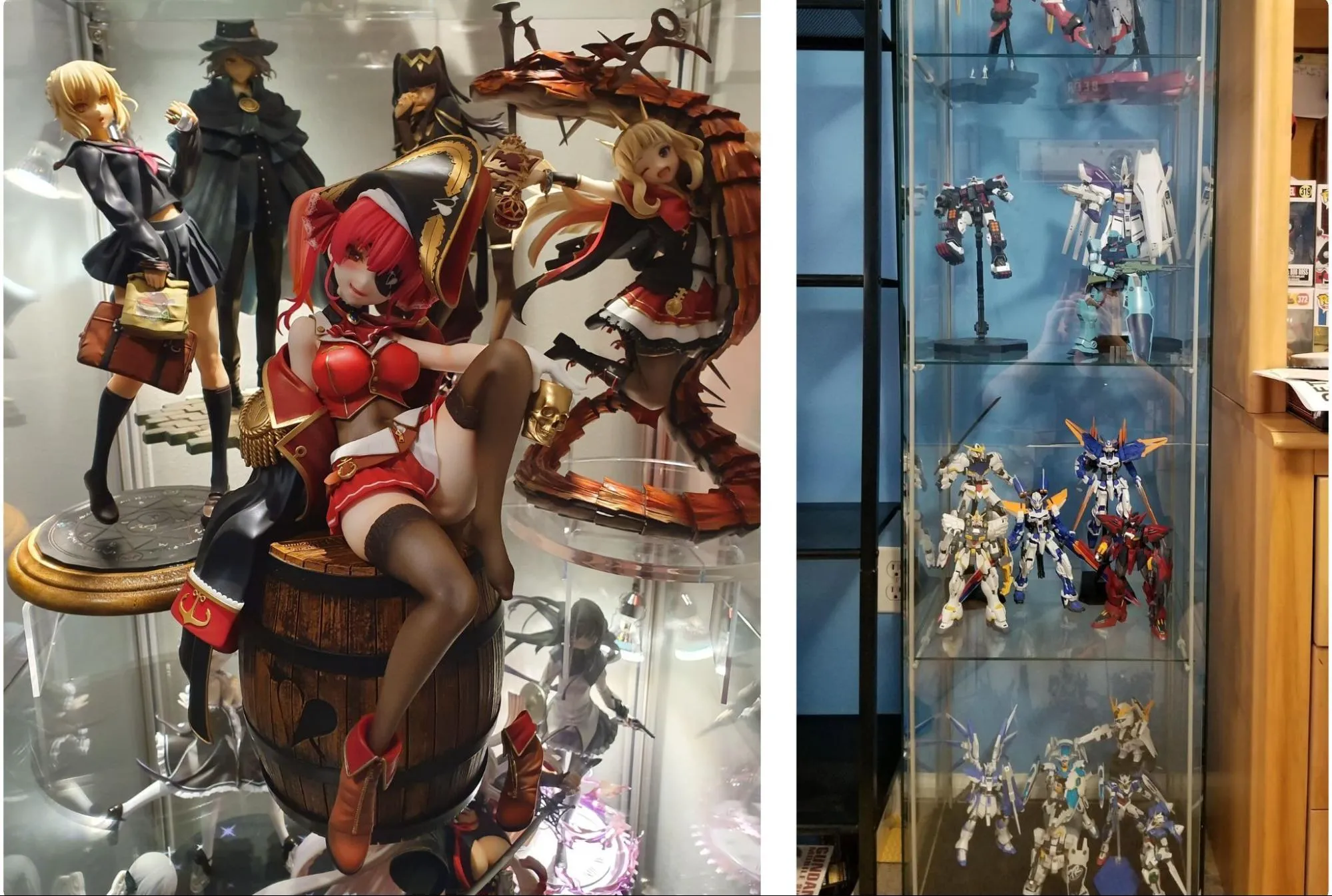
Congratulations if you managed to assemble or customize your first figure! Now you can place it on a shelf and enjoy the results. If you want to protect your creation securely, it is worth considering a display case. For example, a glass Detolf with lighting is ideal for a figure collection.
In it, your figures will be protected from dust, and you will not accidentally drop or break them. A display case is especially useful if you have pets or small children at home who could damage your collection. In addition, any figure looks much more attractive in a glass display case!
How to Buy Custom Kits and Tools from Japan
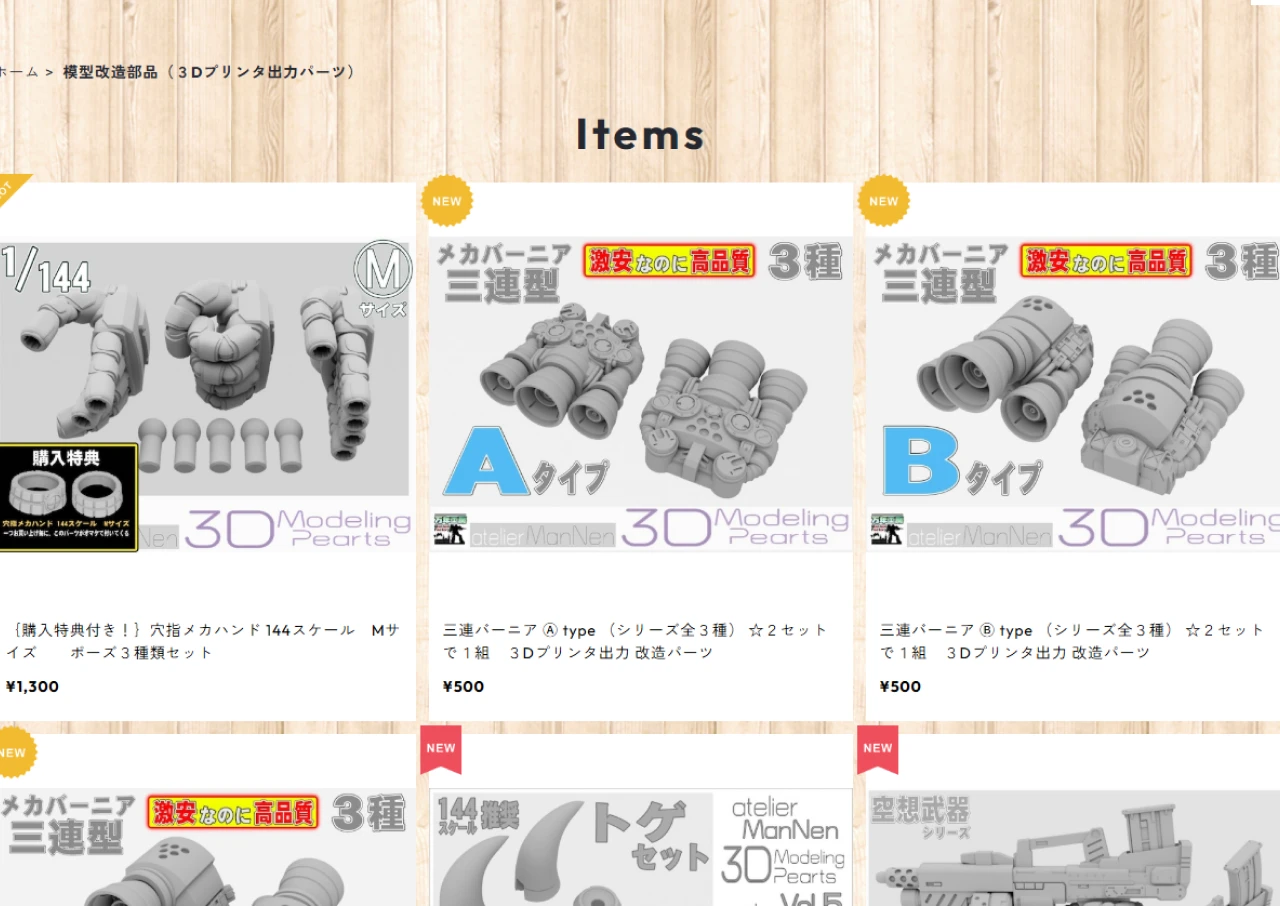
To purchase original custom parts and tools from Japan, it is enough to simply use ZenMarket. You can easily add the desired items to your cart from our recommended stores. These are trusted sellers who guarantee the quality and authenticity of their products. To do this:
- Go to the website of the store where you want to make a purchase, for example, Mannen, or Schmittworks. You will see a pop-up window indicating that the store supports purchases through ZenMarket.
- Go to the page of the item you are interested in. At the bottom of the screen, you will see a special ZenMarket window. In it, click the "Add to Cart" button to add the item.
- Confirm the addition to your cart on the ZenMarket website. You will be redirected to our site, where you can confirm the purchase in the opened window.
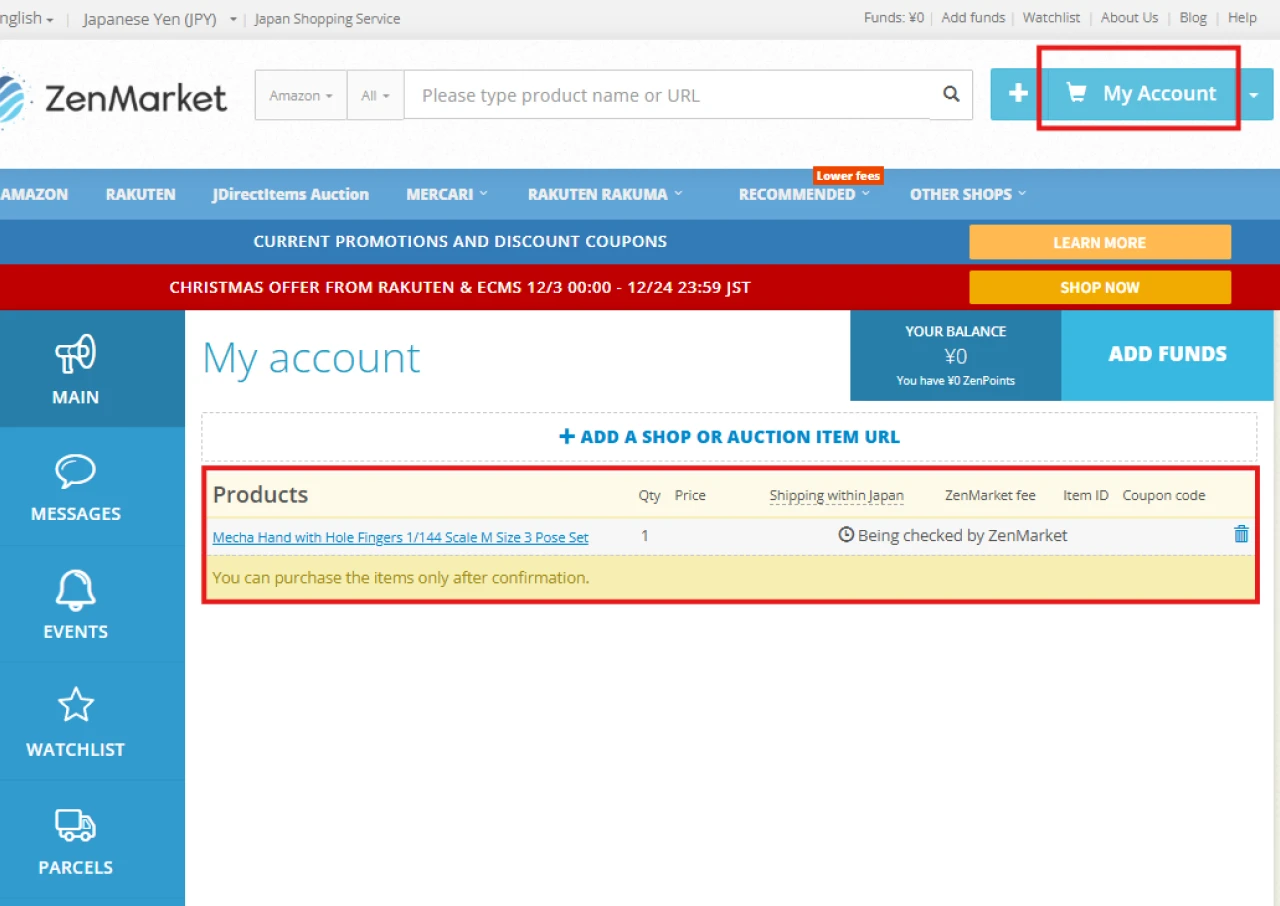
- Pay for your purchase in your ZenMarket account. After we process your order, you will receive an invoice. Further steps for adding items to a package, choosing, and paying for international shipping are explained in our separate guide.
💡 Also read: How to buy from Recommended Stores?
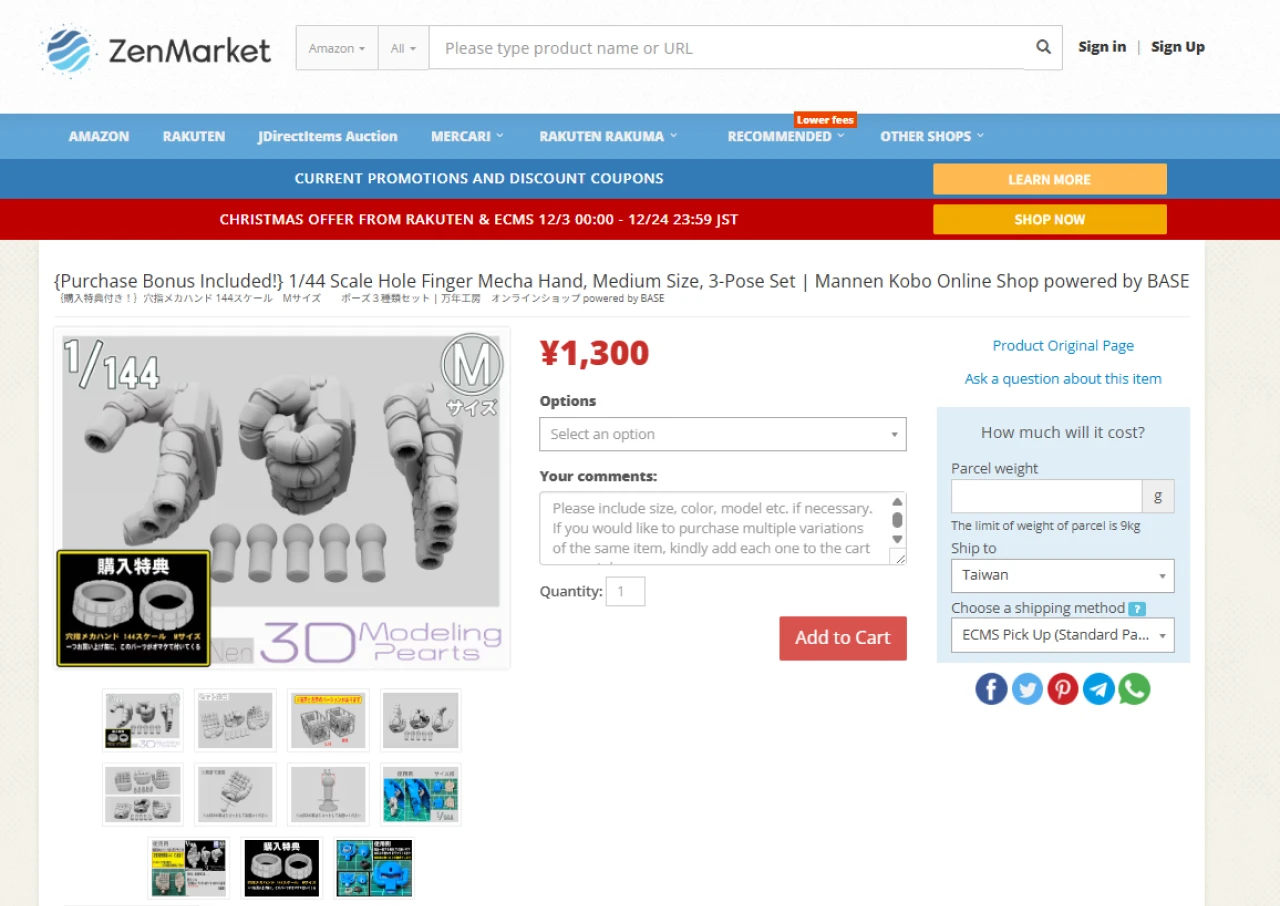
If you want to add garage kits, tools, and other custom figure parts found on Japanese marketplaces like Amazon and Rakuten, simply go to the item page on ZenMarket and click "Add to Cart". The purchase process will then be the same as described above.
What to Buy?
- MA9 Machine Gun and M919 Grenade Launcher at 1/144 scale – Custom weapon models that can be used when assembling your own Gunpla models and more.
- 6 mm Spherical Chisel – A specialized tool that helps modelers embed round custom parts during assembly.
- Hogan RG – Adhesive template sheet used by modelers to create rivets. Useful for assembling machinery, Gunpla, ship models, and more.
Conclusion
Custom figures and plastic models from Japan are closer to you than they may seem. Whether you have long been in this hobby, dream of making an anime figure, or simply want to explore the world of Japanese model building, authentic parts and tools from Japan will definitely come in handy. Let’s choose them together!
Have you signed up for ZenMarket yet?
ZenMarket is the place to get your hands on goods directly from Japan!
Sign up now!