Whether you’re deep into anime or just casually watching what’s trending, there’s a good chance you’ve stumbled into an isekai anime. This genre has exploded in popularity not just in Japan, but globally, thanks to mega-hits like Sword Art Online and Re:Zero. But did you know isekai roots run way deeper than the 2010s? We’re talking ‘90s classics and even references going as far back as the ‘70s!
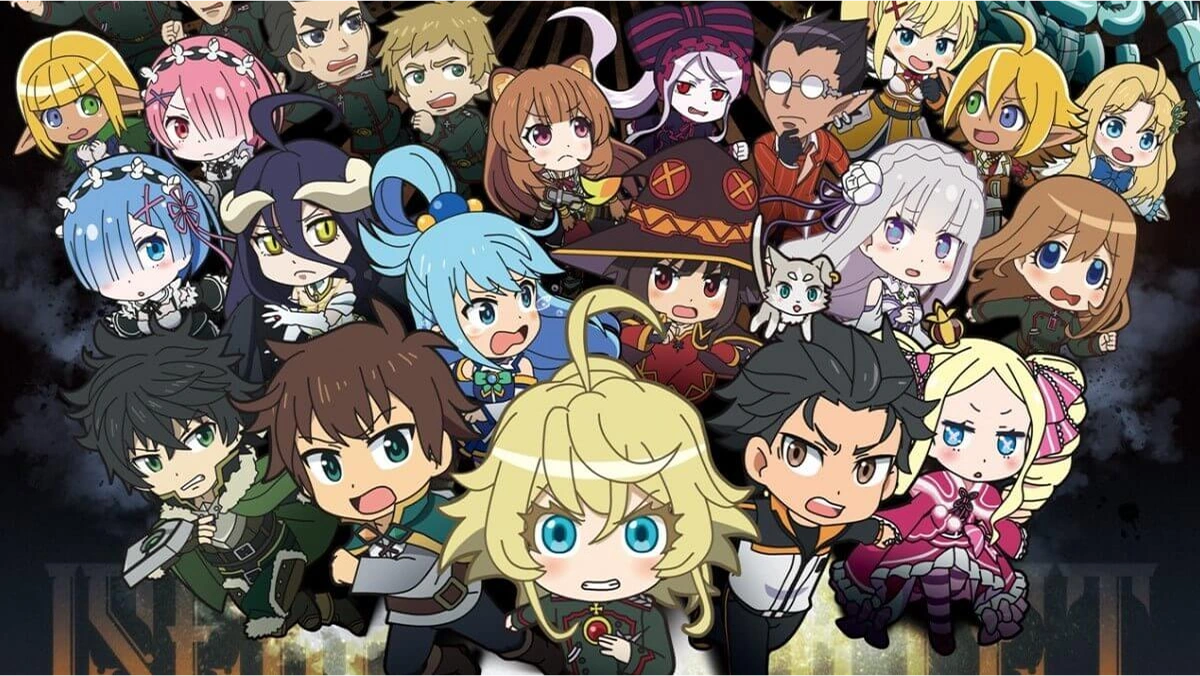
Before we drop our top 15 list, let’s break down what makes something isekai.
So, What Is an Isekai Anime Anyway?
The Definition of Isekai
The word isekai (異世界) literally means "different world" in Japanese. In anime, manga, and light novels, it refers to stories where the main character ends up—either by magic, death, reincarnation, or a freak accident—in a totally different world. Often, that world is a fantasy RPG-style realm, or sometimes a twisted version of reality.
Who Are the Protagonists of Isekai Anime?
Most protagonists are either teenagers or adult NEETs (Not in Education, Employment, or Training) who felt stuck or unfulfilled in the real world. Getting a second chance in a fantasy universe? Yeah, that’s the dream.
Why Is Isekai So Popular?
Escapism. Isekai hits hard in high-pressure societies like Japan, where many feel boxed in by rigid social roles. These stories offer a break from that grind: suddenly, you’re the chosen hero, the most powerful wizard, or even a slime god (we’ll get to that). It's also evolved into a massive playground for genres—comedy, romance, action, even reverse-isekai where the fantasy character comes to our world.
Okay, now that you're caught up, here are the 15 best isekai anime that defined (or redefined) the genre—ranked with both cult favorites and mainstream juggernauts.
Buy merch from all your favorite anime
15. Mushoku Tensei: Jobless Reincarnation
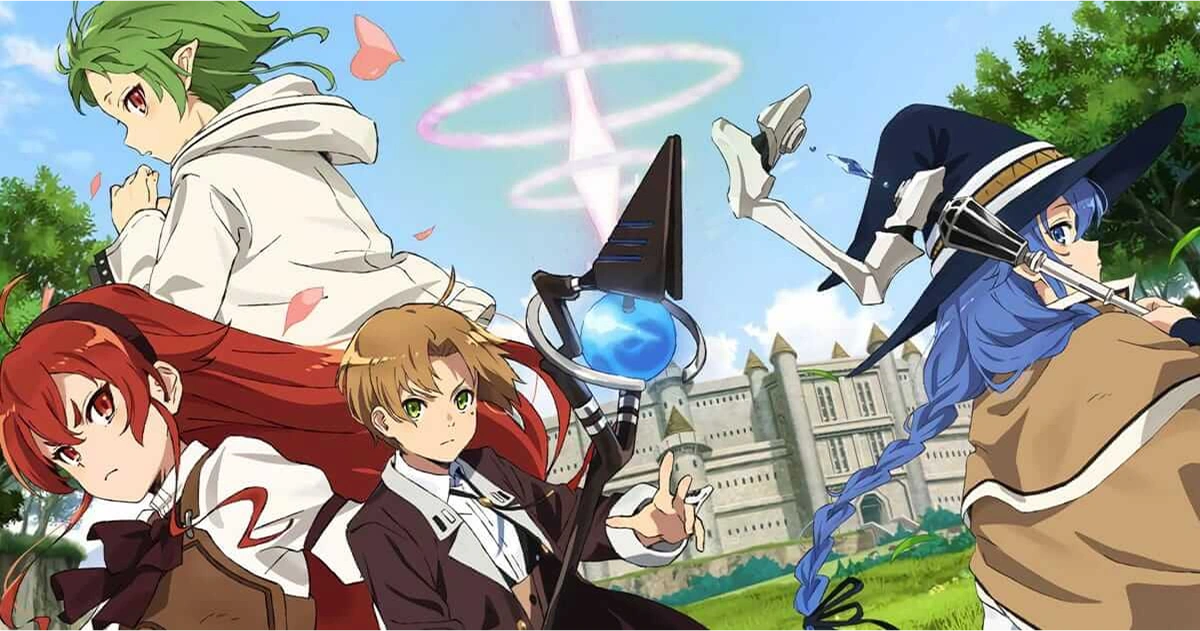
Dubbed the “King of Isekai,” this series is often credited with kickstarting the modern isekai boom. Based on a web novel from 2012, it tells the story of a 34-year-old NEET who dies and is reincarnated as a baby named Rudeus in a fantasy world.
What makes Mushoku Tensei different is its emotional depth—Rudeus doesn’t just gain powers, he tries to fix the traumas of his past life. The light novel sold over 10 million copies, spawned manga spin-offs, and a wildly successful anime series. If you want to understand what made isekai the genre of the 2010s, this is your blueprint.
14. The Devil is a Part-Timer! (Hataraku Maou-sama!)
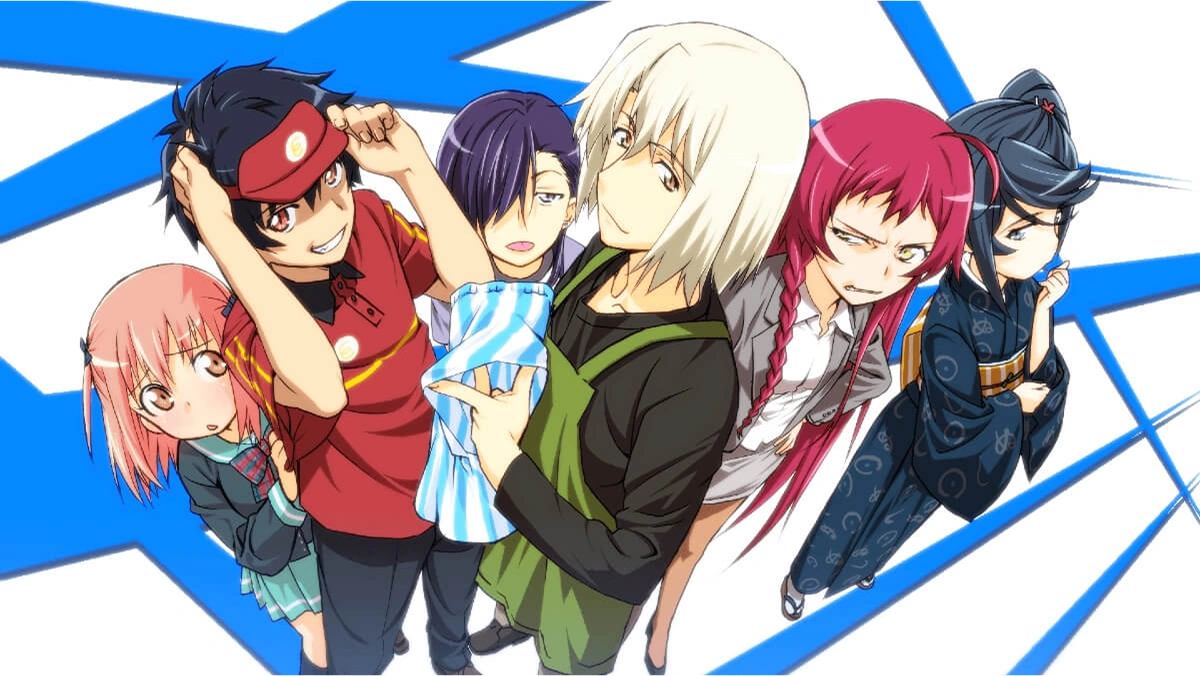
What if Satan ended up in modern Tokyo and had to work at a McDonald's knockoff? That’s the genius of The Devil is a Part-Timer!—a reverse-isekai comedy that flips the genre on its head.
Originally a light novel series (2011–2022), the anime follows Satan and his loyal general Alsiel, stranded in Tokyo with no magic or resources. Forced into minimum-wage jobs, they try to survive while plotting their return home—until their heroic nemesis, Emilia, shows up with her powers also nerfed.
It’s short, punchy (13 episodes), and perfect for anyone who likes their fantasy with a side of fast food and sarcasm.
13. My Next Life as a Villainess: All Routes Lead to Doom!
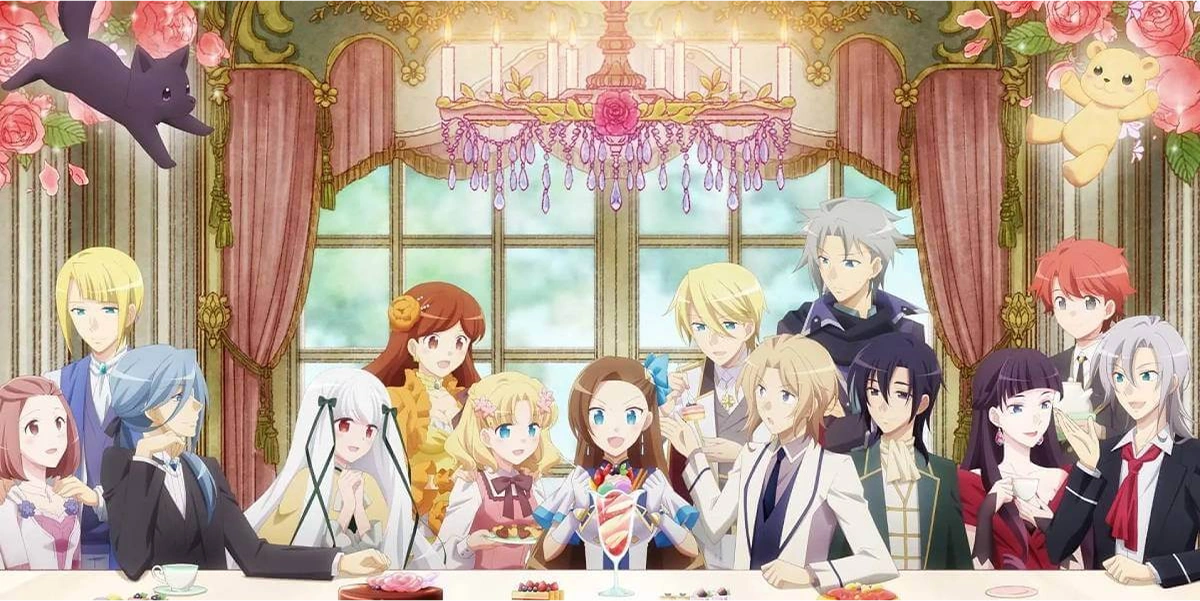
Calling all otome game fans—this is your isekai. After a head injury, Catarina Claes realizes she’s been reincarnated as the villain in her favorite dating sim, doomed to either exile or death.
Her mission? Avoid every bad ending. The twist? Her clumsy attempts to play nice end up winning everyone’s heart—including the game’s love interests.
It’s equal parts charming and hilarious, with strong voice acting and a refreshing spin on the genre. You’ll find yourself rooting for Catarina whether she likes it or not.
12. Re:Zero – Starting Life in Another World
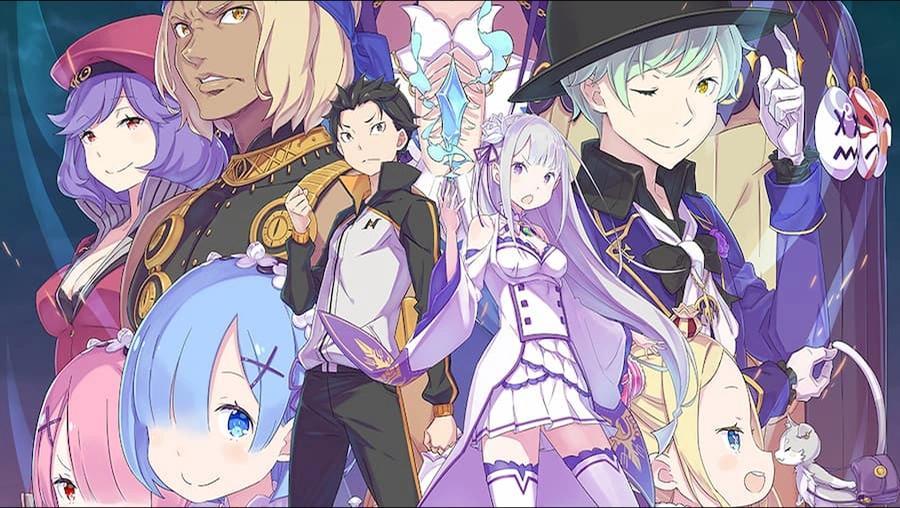
Ever wish you had a save point in real life? Subaru Natsuki does—unfortunately, it resets every time he dies.
Re:Zero was originally a fanfiction, believe it or not. Now, it’s one of the genre’s biggest emotional gut-punches. Subaru wakes up in a fantasy world and quickly finds himself in way over his head. The “return by death” mechanic adds a layer of psychological tension, especially when only Subaru remembers the alternate timelines.
It’s dark, addictive, and thought-provoking. Definitely not your typical power fantasy.
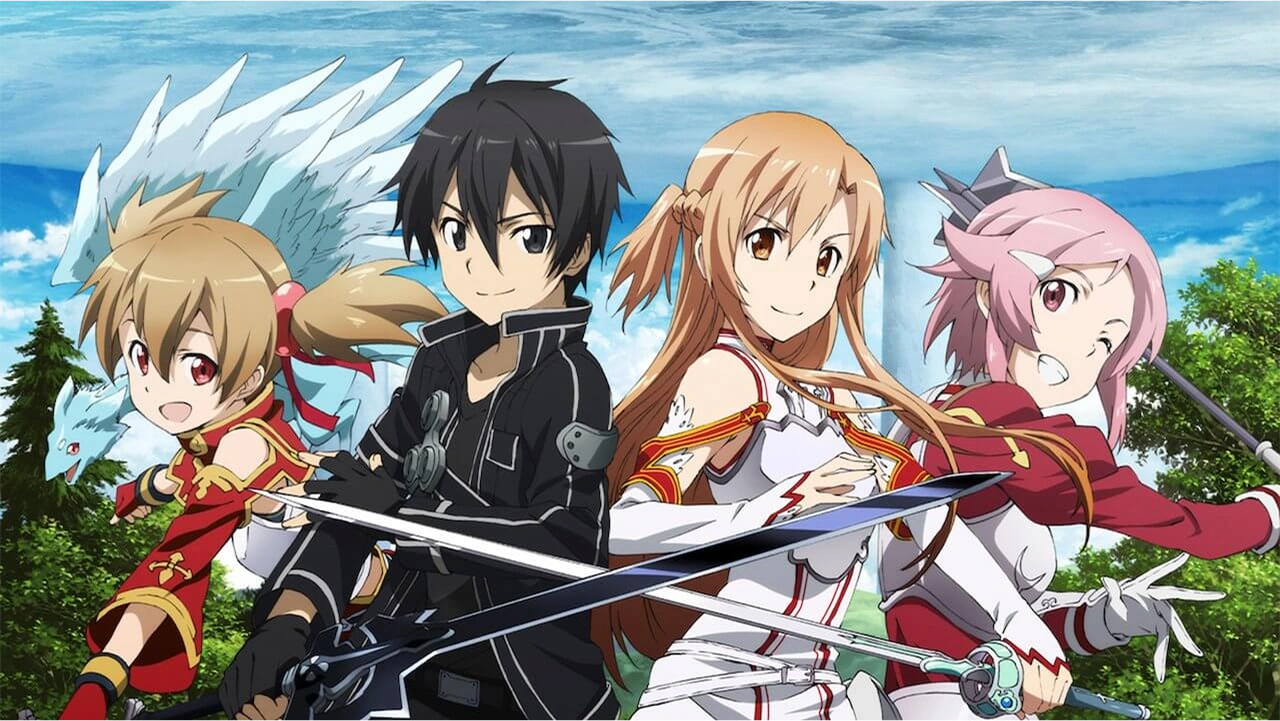
11. Sword Art Online
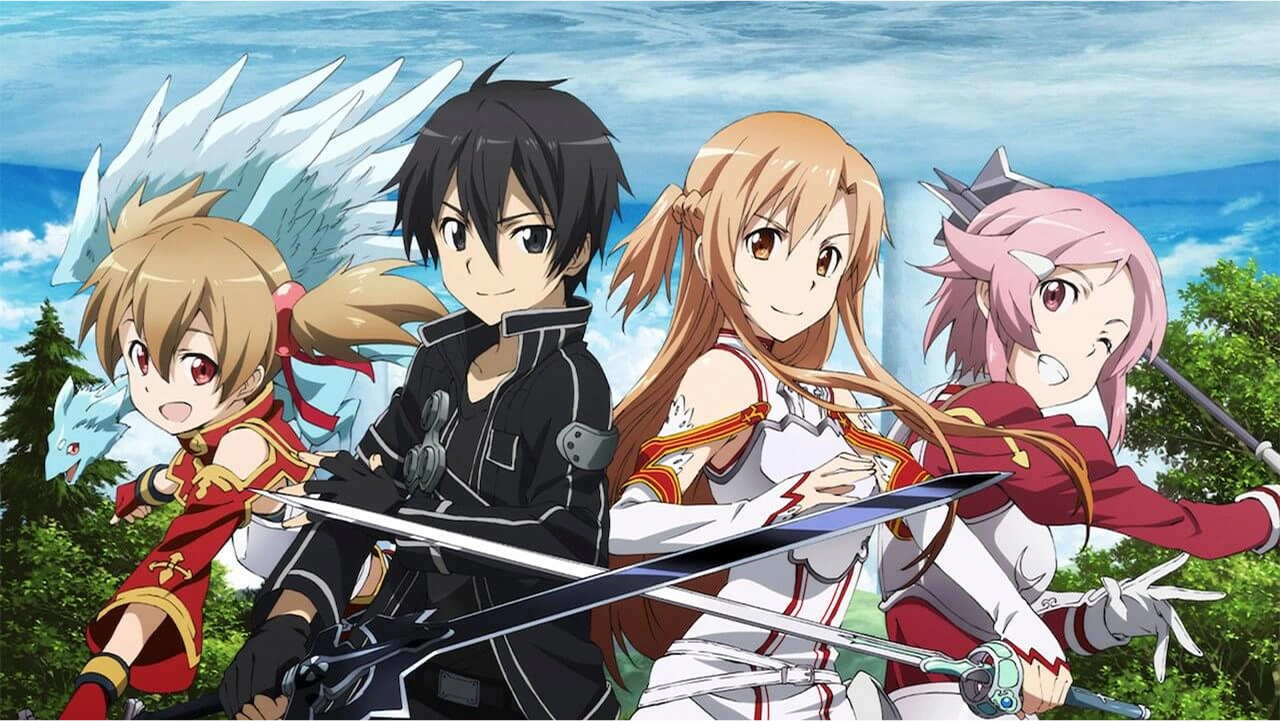
You can't talk isekai without Sword Art Online. Launched in 2009 as a light novel, SAO became a multi-media juggernaut with over 26 million copies in print.
The premise? Players are trapped in a VR MMORPG—if you die in-game, you die in real life. Kirito, a beta tester, uses his skills to survive and eventually escape, all while falling for the fierce Asuna.
Sure, it's polarizing, but it defined a generation and set the tone for game-based isekai.
10. KonoSuba: God’s Blessing on This Wonderful World!
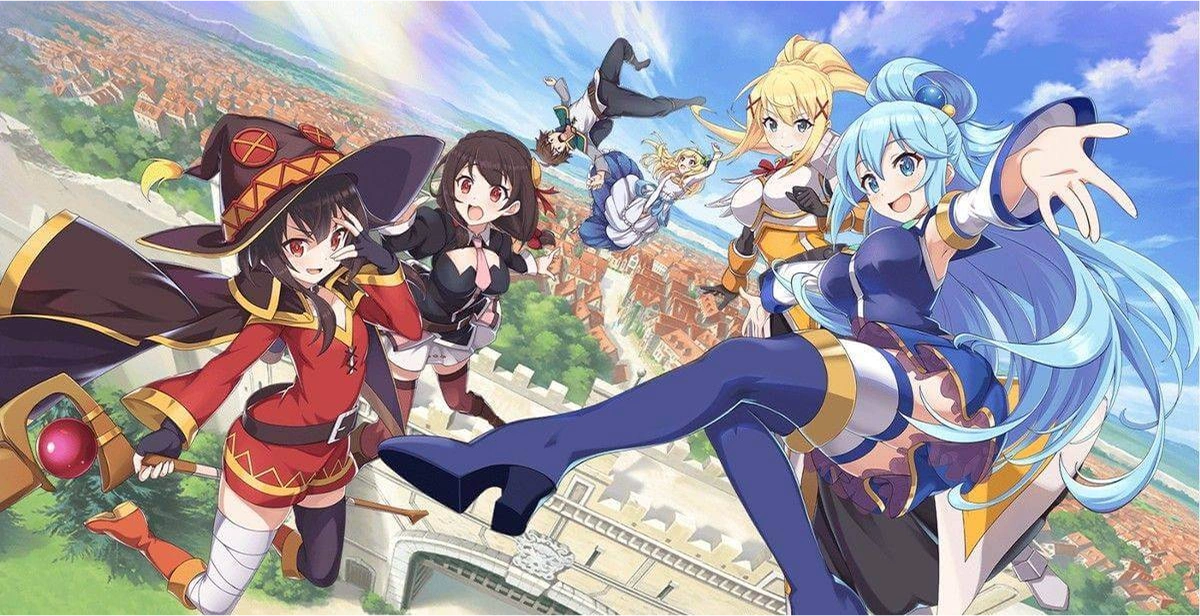
This one’s pure chaos—in the best way. After dying in an embarrassing accident, Kazuma is reborn in a fantasy world... with the useless goddess Aqua at his side.
Soon, they team up with a masochistic knight and an explosion-obsessed mage. Every quest goes wrong. Every character is dysfunctional. And it’s hilarious.
KonoSuba is a parody, but it nails every RPG trope so well, you can’t help but love it.
9. Fushigi Yugi
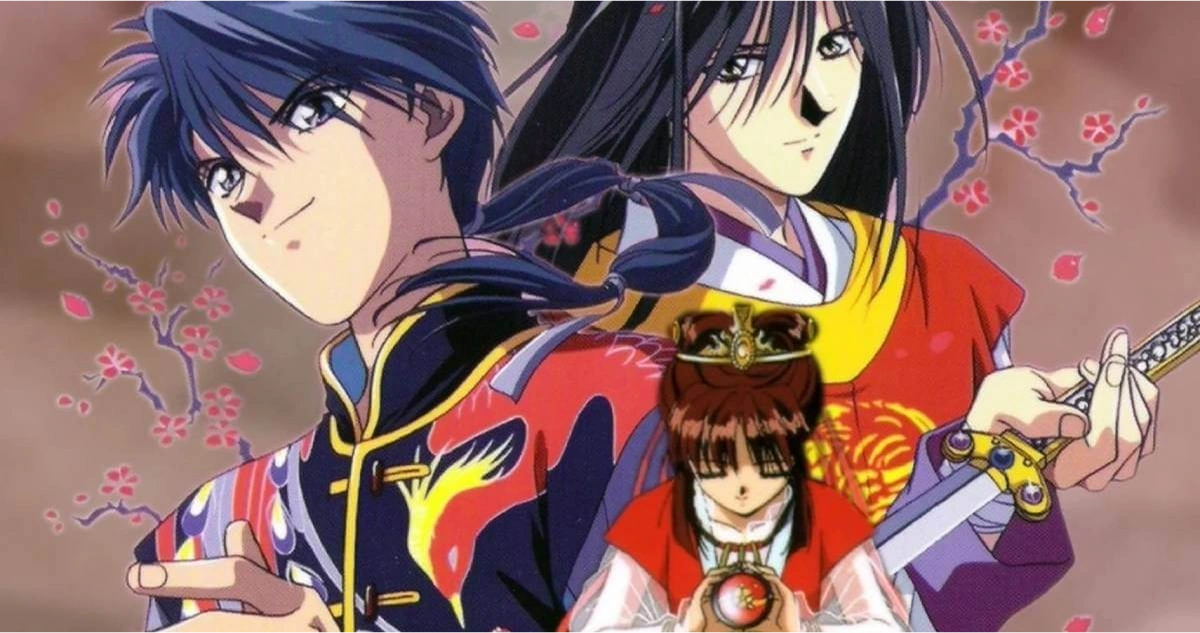
This '90s classic is a shojo isekai trailblazer. Miaka and Yui are transported into a mystical book set in a world inspired by ancient China. There, they’re chosen as rival priestesses with the power to summon gods.
Love triangles, war, betrayal—it’s all there. Plus, it inspired a wave of female-led isekai and spawned novels, musicals, and video games. Pure nostalgia fuel.
8. Inuyasha
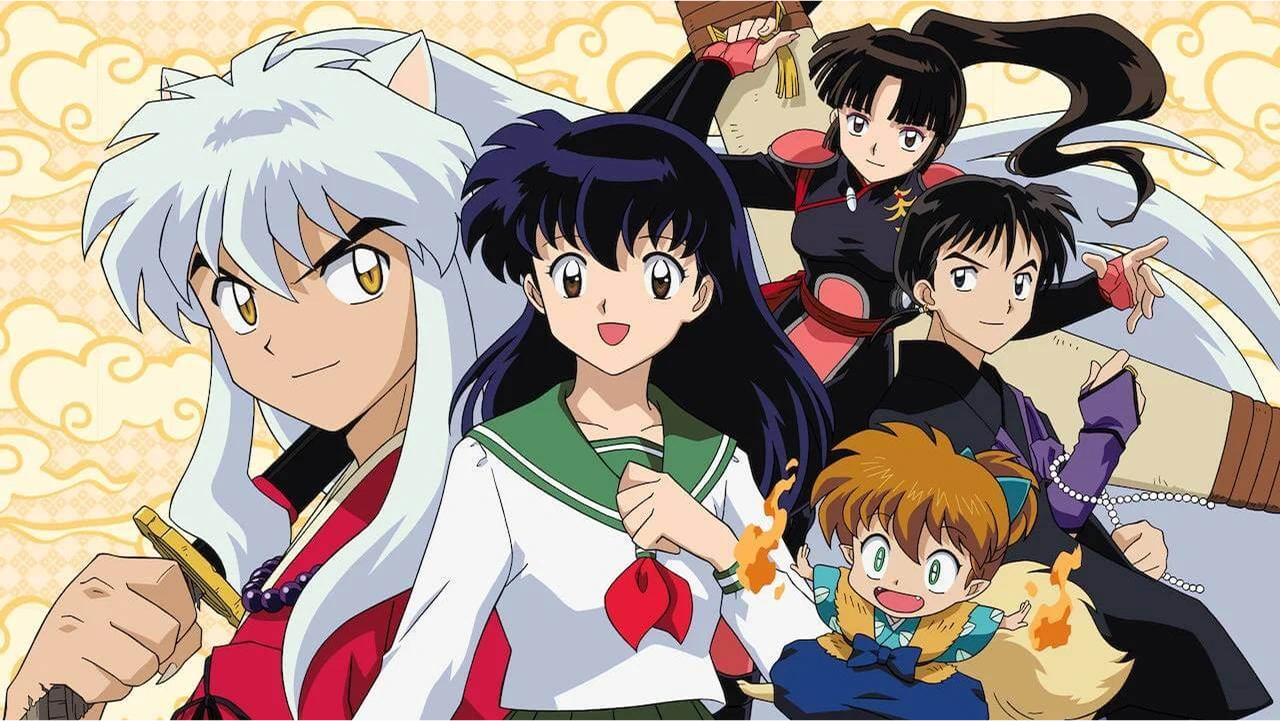
A cultural juggernaut. Kagome, a modern schoolgirl, falls down a well and lands in feudal Japan, where she meets Inuyasha—a half-demon sealed away by her own past life. Drama ensues.
The mix of historical fantasy, demon-fighting, and teen angst makes Inuyasha a staple of early-2000s anime fandom. It’s technically a back-and-forth isekai, with Kagome returning to Tokyo for school between battles. Iconic.
7. No Game No Life
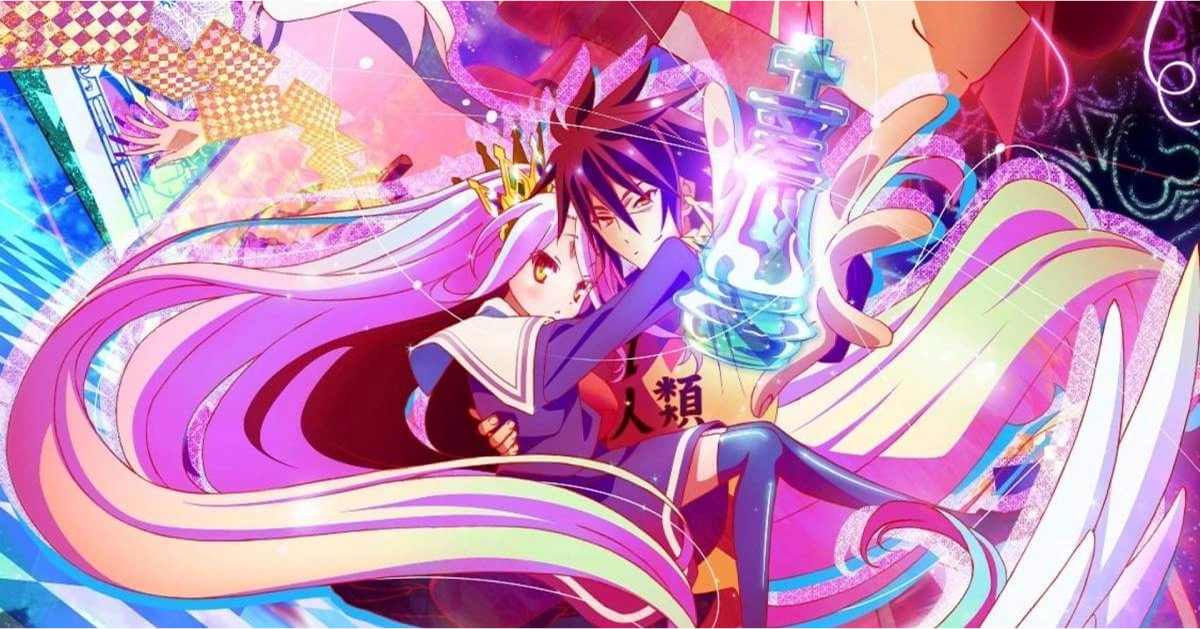
This one's for the strategy lovers. Sora and Shiro, genius NEET siblings, get transported to a world where everything is decided by games. No war, no violence—just brainpower.
Visually stunning and mentally stimulating, No Game No Life blends colorful animation with mind-bending puzzles and political intrigue. The only downside? Still waiting on Season 2.
6. Overlord
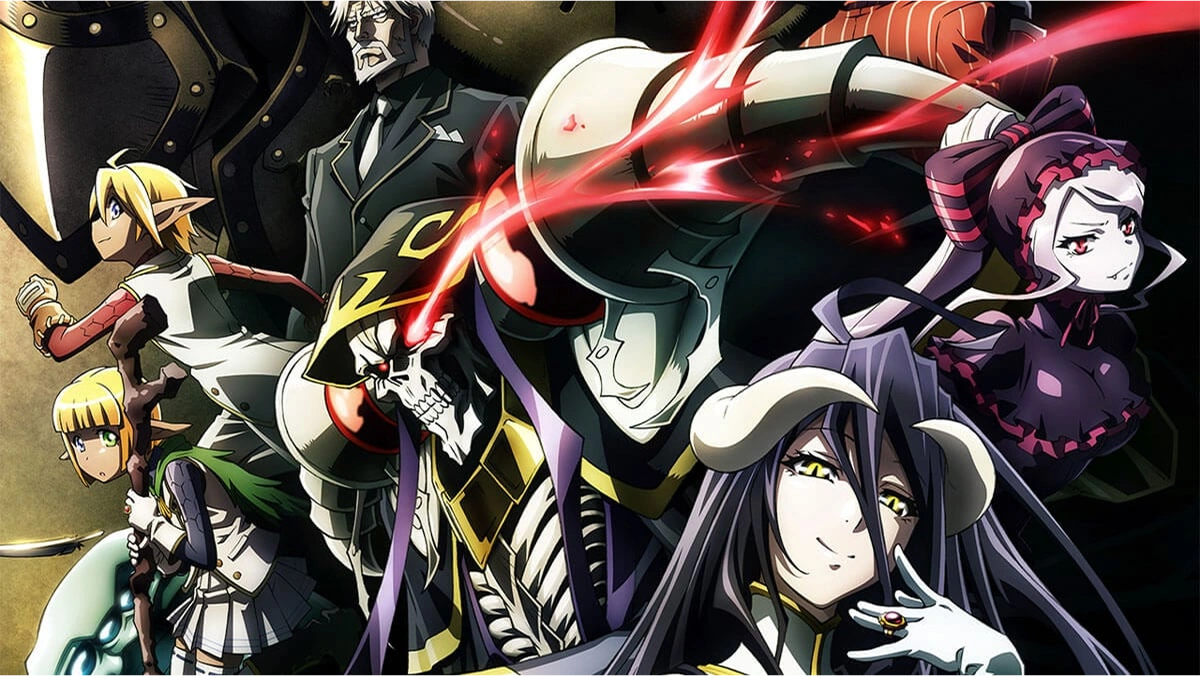
In this dark fantasy, a powerful player stays logged into a VR game past its shutdown—only to find he’s truly stuck, and the NPCs are sentient now.
Momonga, now the skeletal overlord Ainz, sets out to rule this new world. Overlord leans into the villain-protagonist angle, giving us deep world-building and moral ambiguity. A must-watch if you like your isekai with a sinister twist.
5. .hack//SIGN
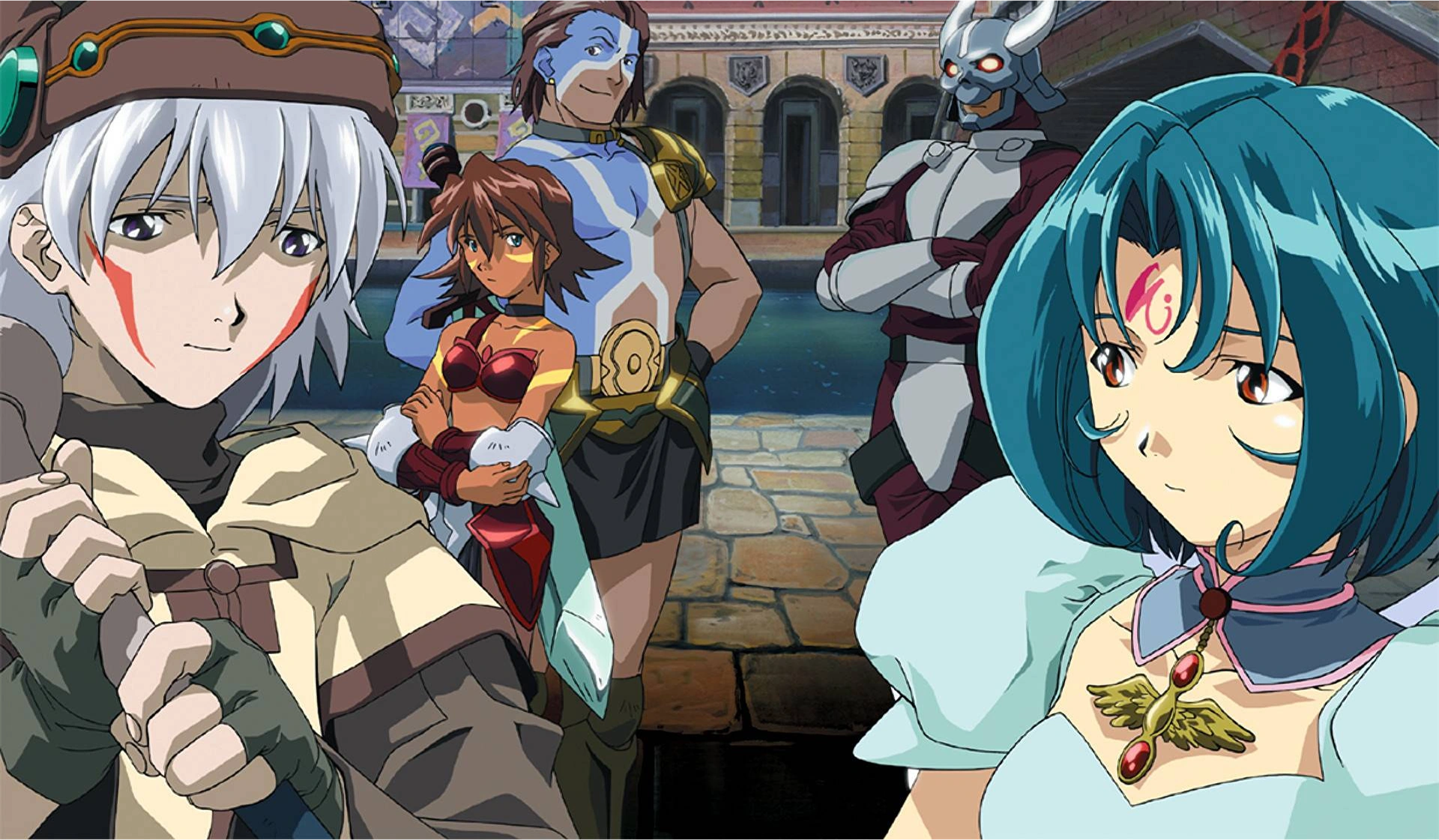
Before SAO, there was .hack//SIGN. This early-2000s anime follows Tsukasa, a player trapped in the online game “The World” without knowing how or why.
It’s more psychological and slow-burn than others on this list, but its emotional storytelling and ethereal soundtrack (by Yuki Kajiura) make it unforgettable. OG fans still swear by it.
4. The Vision of Escaflowne
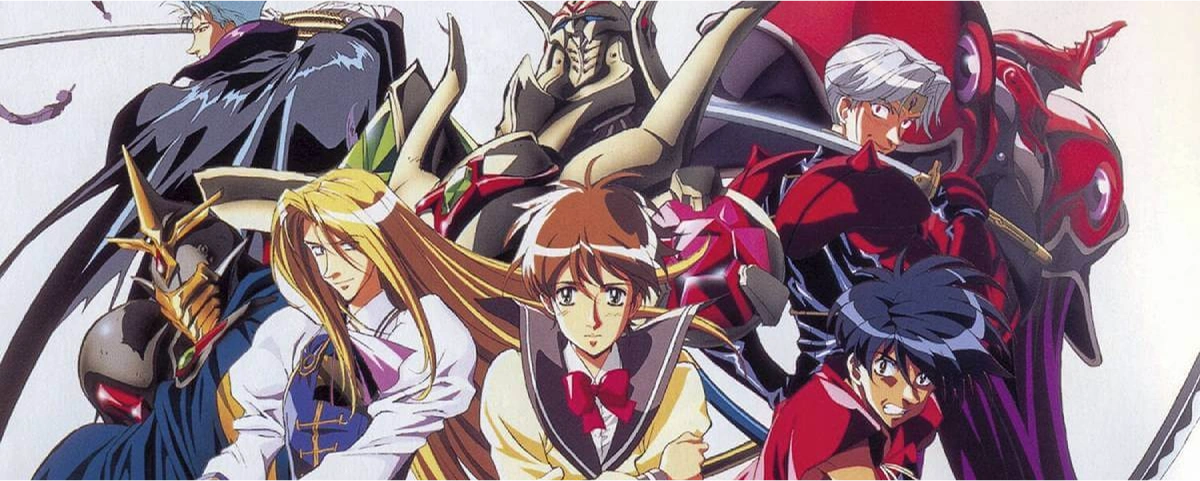
This 1996 gem combines romance, mech battles, and fate. Hitomi, a high schooler with psychic visions, gets pulled into a war-torn world called Gaia, where Earth and its moon hang in the sky.
With stunning animation by Sunrise and a sweeping story of war and love, Escaflowne is a cult classic that deserves more attention in today’s anime discourse.
3. That Time I Got Reincarnated as a Slime
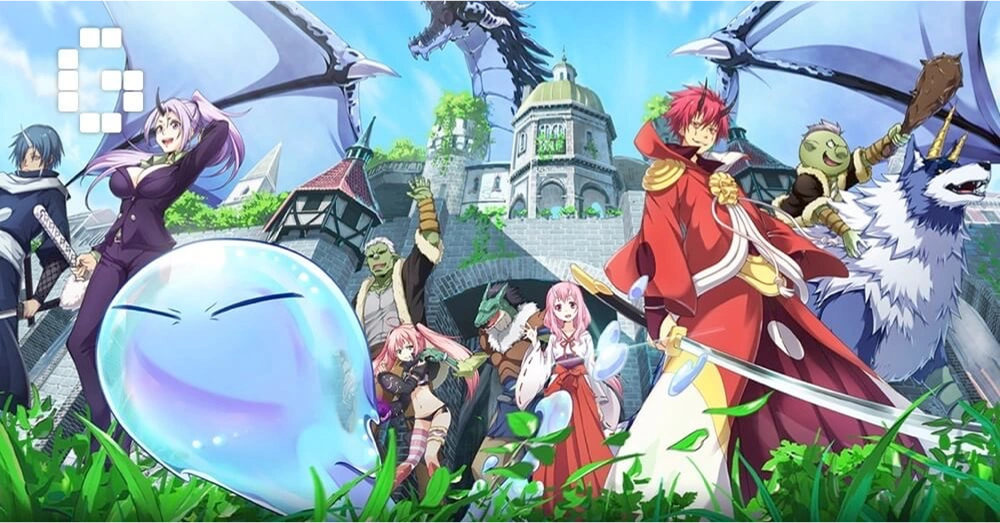
With over 25 million copies in print and multiple awards under its belt, the light novel that inspired That Time I Got Reincarnated as a Slime is one of Japan’s biggest modern hits. And honestly? It deserves the hype.
The story kicks off with Satoru Mikami, your average middle-aged office worker who dies tragically during a random stabbing. Plot twist: he wakes up in a fantasy world, reincarnated as... a slime. Yep, a literal blob. But not just any blob.
Satoru—now going by Rimuru Tempest—has a busted skill called Predator, which lets him absorb enemies and steal their abilities. It's basically the cheat code of isekai powers, and he uses it to level up fast, unite warring species, and build a whole dang nation.
Here’s why this series hits different:
- A non-human protagonist that flips genre expectations.
- A massive, diverse cast of characters you’ll actually care about.
- A super well-thought-out magic and skill system that keeps the action fresh.
It’s fun, it’s clever, and it’s surprisingly heartwarming. If you’re into world-building and watching a literal slime rise to the top, Rimuru’s your guy.
2. Magic Knight Rayearth
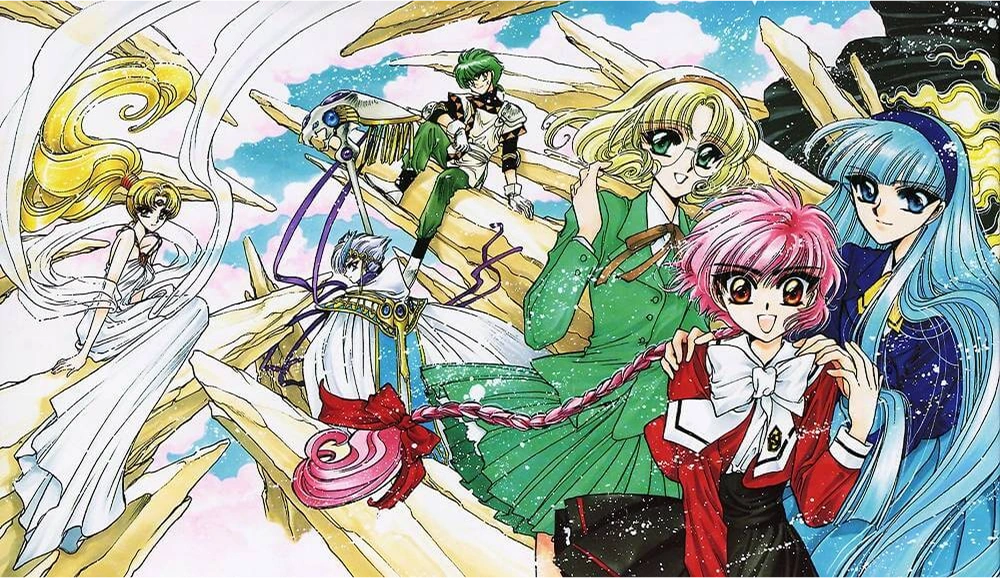
Before isekai became a buzzword, Magic Knight Rayearth and its sequel Magic Knight Rayearth 2 were already setting the stage. Debuting in 1994, this anime mashed up magical girl tropes, giant robots, and RPG-style quests into something totally unique—and it became a cult classic of the '90s.
Created by the legendary manga group CLAMP, the franchise exploded beyond just anime and manga. It spawned three OAVs and several video games for platforms like the Super Nintendo, Sega Game Gear, and Game Boy—basically everywhere 90s kids were gaming.
The story follows three schoolgirls—Hikaru, Umi, and Fuu—who are suddenly transported to the magical world of Cefiro, a land that survives entirely on the willpower of a single person called the Pillar of Support. With the world falling into chaos, these girls must become the legendary Magic Knights to restore balance.
Why does it still stand out? A few reasons:
- CLAMP’s character designs are pure eye candy—elegant, iconic, and instantly recognizable.
- The genre mashup was way ahead of its time: think Sailor Moon meets Gundam with JRPG plot twists.
- The artbooks? Absolutely stacked with gorgeous illustrations. A must for collectors.
Magic Knight Rayearth didn’t just contribute to isekai—it helped shape it, especially for stories led by strong female characters. If you love dramatic stakes, powerful friendships, and mechs with feelings, this one’s still a banger.
1. Digimon Adventure
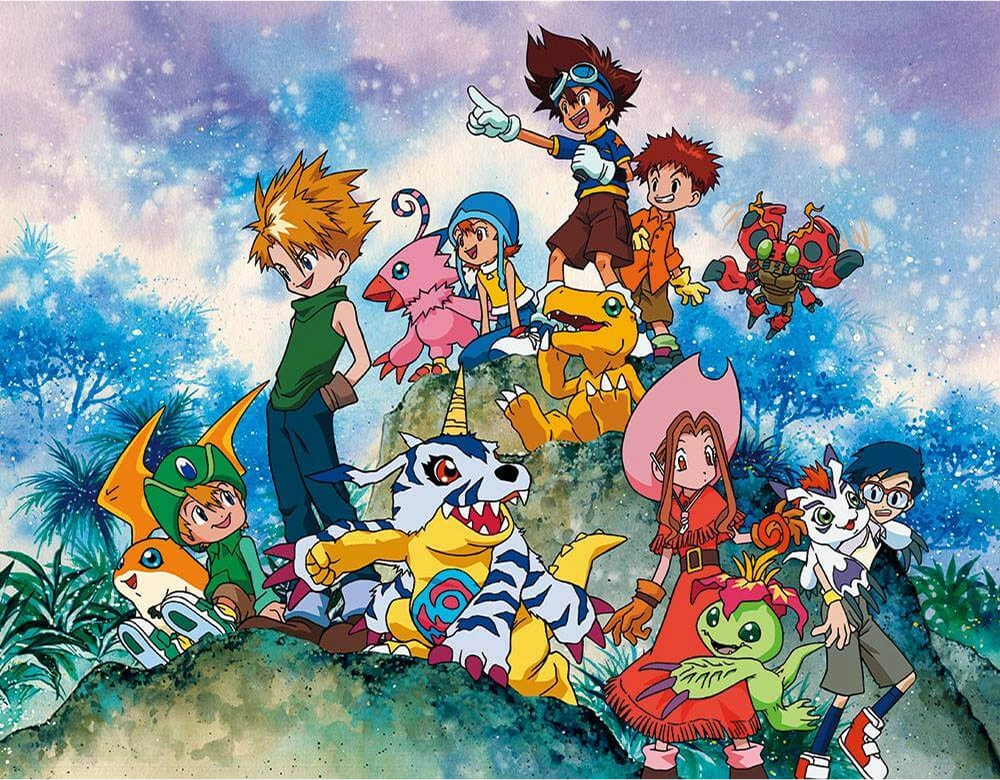
Let’s be real—Digimon Adventure wasn’t just a Saturday morning cartoon. For many fans around the world, it was their first taste of the isekai genre, even if they didn’t know the word for it yet.
Originally aired in Japan in 1999, this iconic anime follows seven kids—the DigiDestined—who get transported to the Digital World, a parallel universe made entirely of data hidden within Earth’s telecommunication networks. There, they meet their Digimon partners and face off against evil digital monsters threatening both worlds.
Beyond its cool battles and catchy theme song, Digimon Adventure hits deep with themes of friendship, responsibility, and self-growth. The characters—despite being kids—are put through emotional trials that force them to grow, trust one another, and face their own insecurities.
Even though it was aimed at a younger audience, Digimon Adventure holds up surprisingly well today. It’s nostalgic, yes—but it’s also a genuinely compelling, emotionally rich series that laid the groundwork for isekai storytelling in mainstream anime.
Final Thoughts: Why Isekai Still Captivates
From tragic reincarnations to power-fantasy comedies, isekai anime gives us all a chance to start over—whether as a sword-wielding hero or a lowly slime. With new titles dropping every season, it’s clear the genre isn’t slowing down anytime soon.
Buy merch from all your favorite anime
Why Shop With ZenMarket?
ZenMarket offers professional Japanese shopping and bidding services, compatible with Japanese online shopping sites. All you need to do is copy the product link and add it to your cart. Our team will verify availability, price, shipping, etc., so you can easily purchase the latest products from Japan without leaving your home! Want to understand our services better? Don't forget to read how to use ZenMarket.
Don't have a ZenMarket account yet?
Sign up