Did you know that Japan boasts the world’s longest tradition of fired-clay pottery? Some of the oldest known pieces date back an incredible 16,000 years! This article explores the captivating early history of Japanese ceramics and seeks to answer: what is the oldest pottery in Japan? Could it be Jōmon ware or masterpieces from the famed Six Ancient Kilns? Read on to find out!
Rokkoyo - The Six Ancient Kilns
Rokkoyo refers to six Japanese kilns operating continuously from the Middle Ages right through to the present day. These kilns – Seto-yaki, Tokoname-yaki, Echizen-yaki, Shigaraki-yaki, Tamba-Tachikui-yaki, and Bizen-yaki – are differentiated from kilns established in more recent times by their adherence to ancient methods. Essentially, Rokkoyo is homegrown Japanese pottery; entirely developed in Japan, before local potters were influenced by techniques imported from Korea and China.
● Bizen
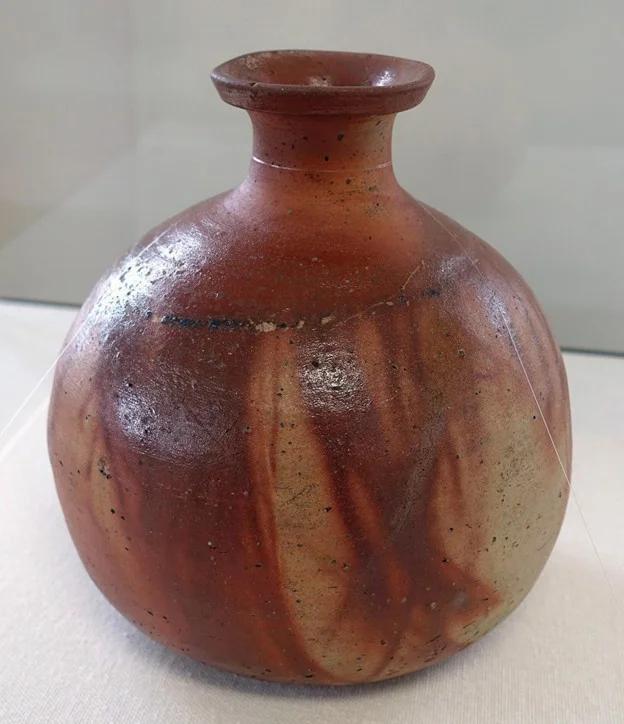
Bizen-yaki is a form of unglazed, high-fired stoneware that really showcases the simple beauty of raw clay. Bizen ware’s unique natural glaze effect is created when wood ash fuses onto the surface of the pots during firing, creating a finish that is highly distinctive for its organic tones and textures. Displaying a muted color palette and understated elegance, Bizen ware stands in clear contrast to later forms of Japanese pottery; many of which were influenced by mainland Asian techniques, and as a result often feature much more vibrant colors and intricate embellishment.
● Echizen
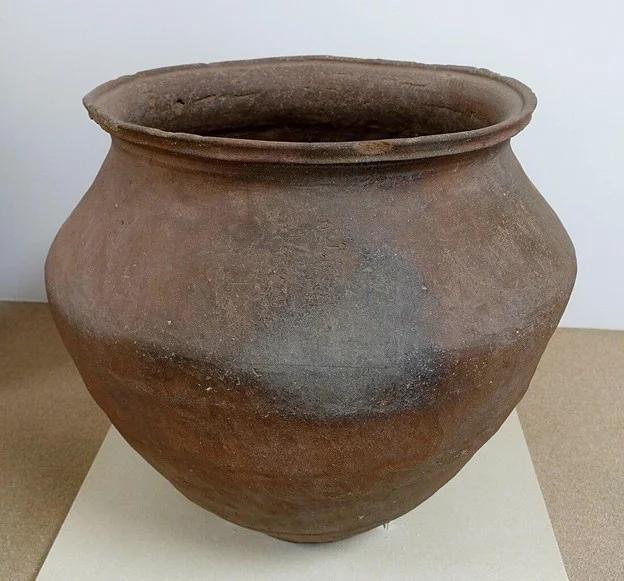
Echizen ware is a durable semi-porcelain pottery crafted in the town of Echizen, Fukui Prefecture. It is characterized by its rich reddish-brown hue and rustic, earthy appearance. Similar to Bizen ware, Echizen yaki is fired without additional glazes, achieving a natural glaze as wood ash fuses into the clay at high temperatures. Historically, Echizen ware primarily focused on practical items for daily use, including pots, jars, and tea utensils.
● Seto
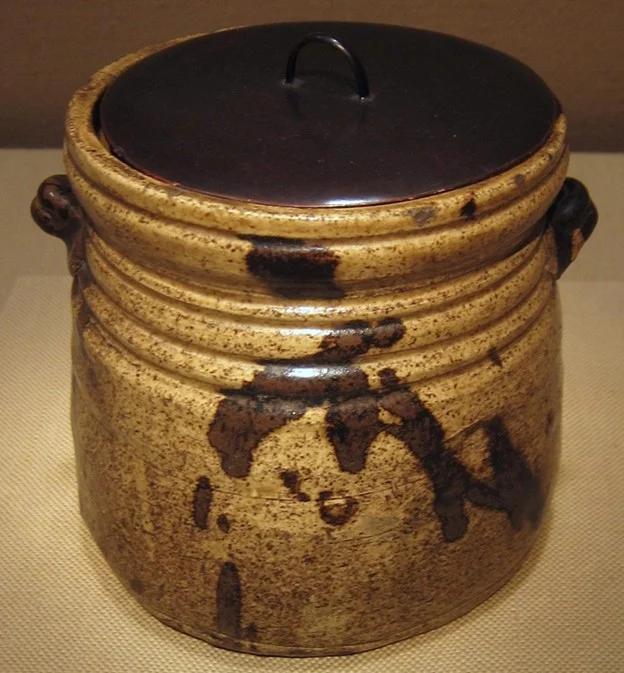
The production of Seto ware ceramics began 1,300 years ago during the Heian period, in the province of Owari. Not only was Seto unique among the Six Ancient Kilns in producing glazed items, but Seto ware is actually the oldest form of glazed pottery in Japan.
Seto potters utilized seven distinct types of glaze, including those derived from iron, copper, soil, and wood ash. The region's abundant natural resources, including silica-rich clay and a plentiful supply of high-temperature-burning wood, were a blessing for local kilns. Meanwhile, Seto clay's flame-resistance and durability minimized warping and cracking, allowing local potters to create highly intricate and delicate designs.
● Shigaraki
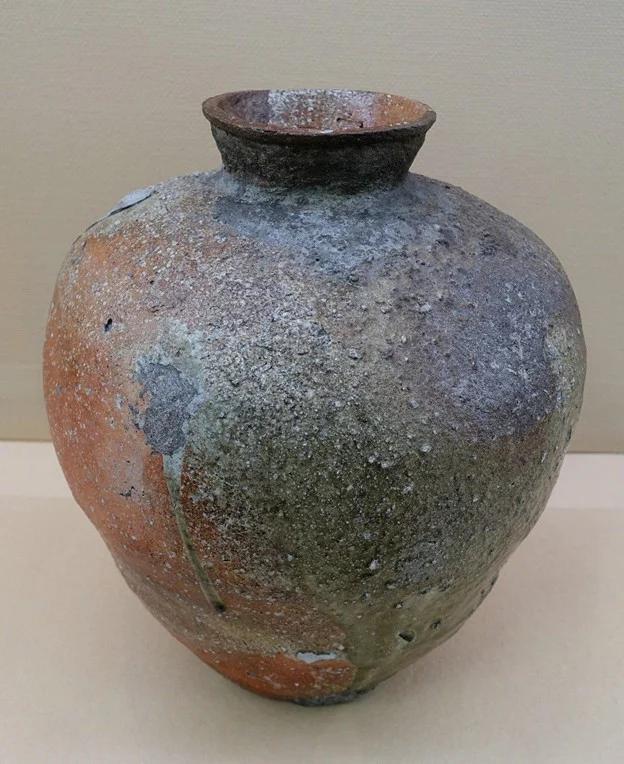
Shigaraki stoneware originates from the Shigaraki region of Japan. Archaeological evidence reveals old kilns in the ruins of Shigaraki village, with pottery fragments found at these sites dating back to the Kamakura and early Muromachi periods. It appears that Shigaraki potters initially drew inspiration from Bizen ware; suggesting that Bizen potters may have migrated to the Shigaraki region, bringing their knowledge and skills with them.
Early Shigaraki pottery mainly consisted of simple vessels like mortars, water jars, and bottles, all featuring somewhat understated decoration – likely indicating they were intended for everyday agricultural use.
● Tamba
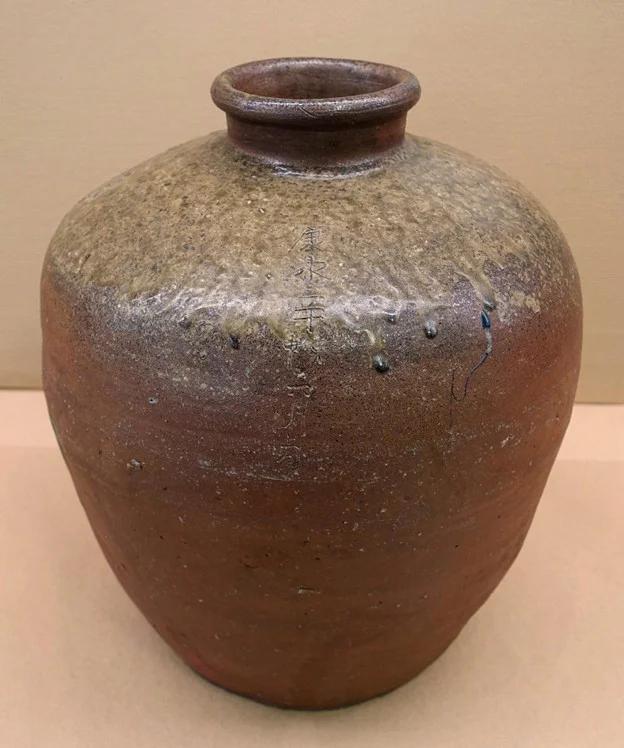
Tamba ware is a form of pottery from Hyogo prefecture that is renowned for its distinctive colors and straightforward patterns and textures. Tamba yaki is fired at very high temperatures in climbing kilns which are thought to have begun operation as far back as the Heian period (794-1185). As with most of Japan’s early ceramics, Tamba ware items were intended for daily use. These included pots, jugs, mortars and – later – also sake bottles and tea utensils.
● Tokoname
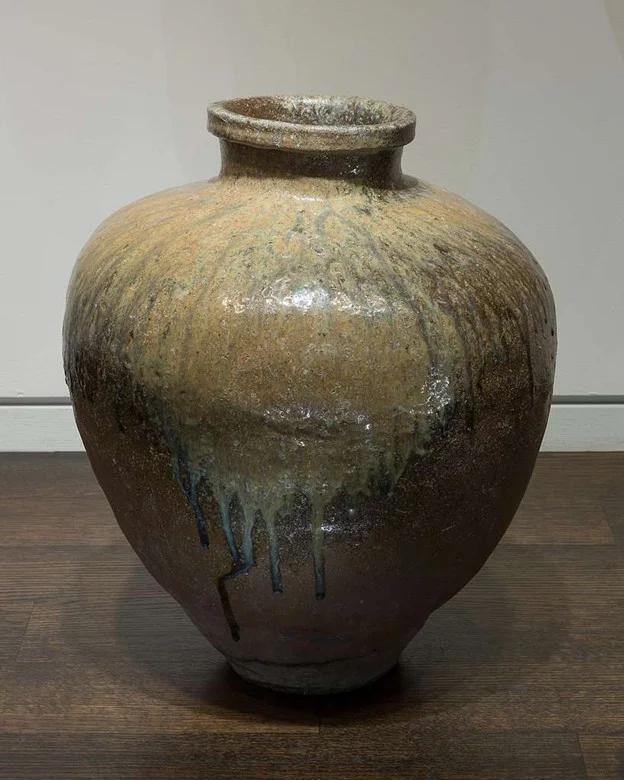
Tokoname-yaki was – and indeed still is – a form of pottery produced in Tokoname, Aichi prefecture, where production dates back to the 12th Century. Even among the Rokkoyo, Tokoname stood out as the largest pottery-producing region. At its peak, Tokoname is believed to have been home to around 3,000 climbing kilns – created by excavating into the local hillsides.
Tokoname clay is rich in iron, which gives Tokoname ware its distinctive color. When used to make teapots, the iron is also believed to enhance the flavor of the tea by reducing bitterness and acidity.
Ancient, But Not The Oldest
Boasting an uninterrupted line from medieval times to the present day, the Rokkoyo are undoubtedly among the very oldest pottery traditions still in continuous production anywhere in the world right now. As old as the Six Ancient Kilns may be, however, their output is not in fact the oldest form of pottery from Japan. That title goes to an even more antique civilization that predates the Six Ancient Kilns by well over a thousand years. Let’s take a look!
● Neolithic Ware
While pottery from the Six Ancient Kilns is clearly very old, Japan’s oldest pottery – and indeed some of the oldest pottery in the world – dates to the Jōmon period (縄文時代, Jōmon jidai), which lasted until roughly 300 BCE.
There is a degree of ambiguity and argument regarding the precise dating of Jōmon pottery, with some historians claiming that certain excavated fragments date all the way back to the start of the Jōmon period in the 14th millennium BCE. What is certain, however, is that Neolithic Jōmon ware precedes the Six Ancient Kilns by a very long margin.
● Jōmon-shiki (縄文式)
During the Jōmon period, Japan was inhabited by both hunter-gatherer and early agricultural societies. However, these groups were united by a common culture; one that produced a great deal of pottery. Indeed, the name of this society, Jōmon, means "cord-marked" and actually refers to the distinctive style of pottery produced by the early Jōmon peoples – illustrating just how important pottery was to this Neolithic culture. In turn, the Jōmon peoples were extremely important to the development of pottery – both in this part of the world and, arguably, far beyond.
● Rope Jars to Flame Pots
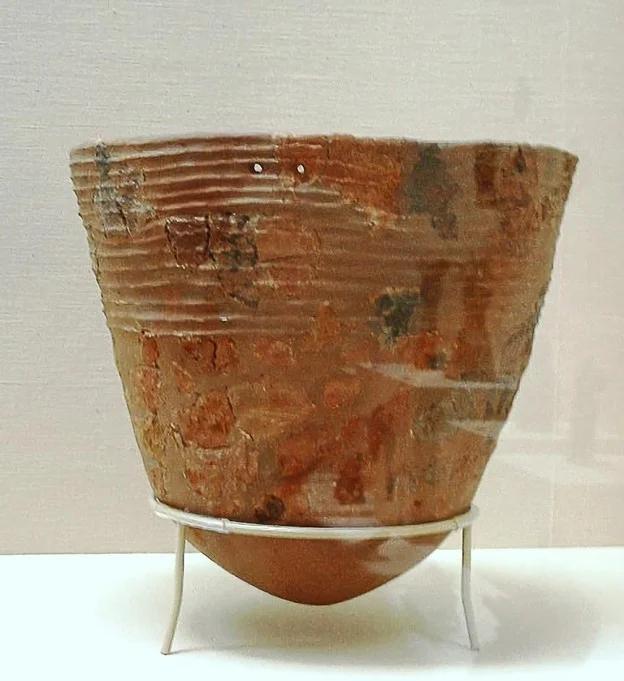
Jōmon pottery is recognizable from the characteristic patterns seen on the surface of the pots, which were created by pressing straw rope into the wet clay. As the potter’s wheel was only introduced to the Japanese archipelago from China much later, Jōmon pots were made by simply kneading and coiling the clay, which was then crudely baked in an open-pit fire.
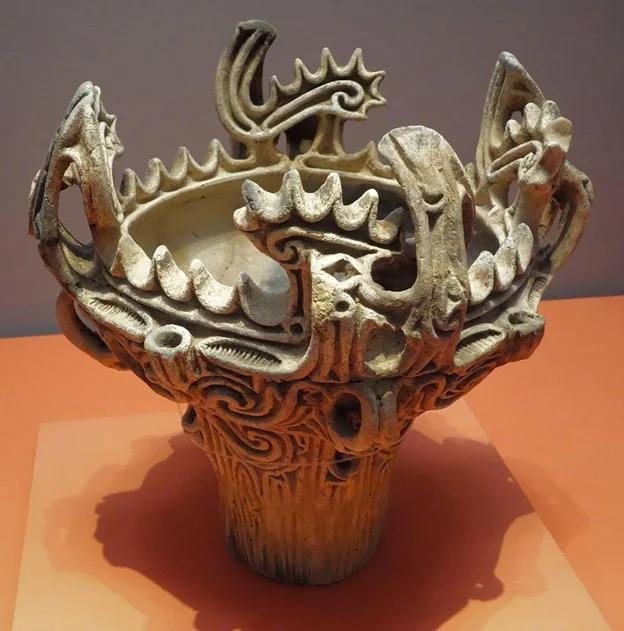
During the early Jōmon period, potters primarily produced simple round-bottomed storage jars and cooking pots. Over time, however, this repertoire expanded to include much more elaborate vessels, some with highly unusual “flame” embellishments on the rim.
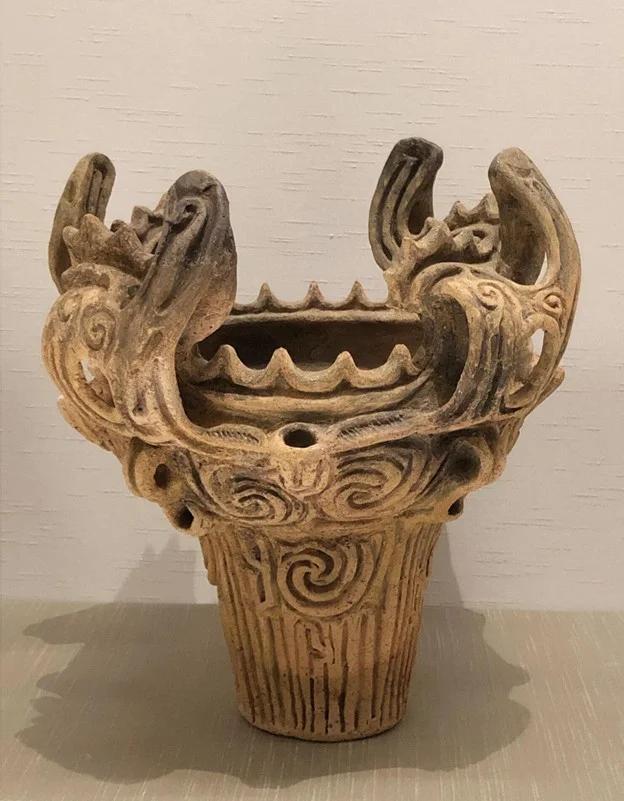
Photo credit
● Dogū (土偶)
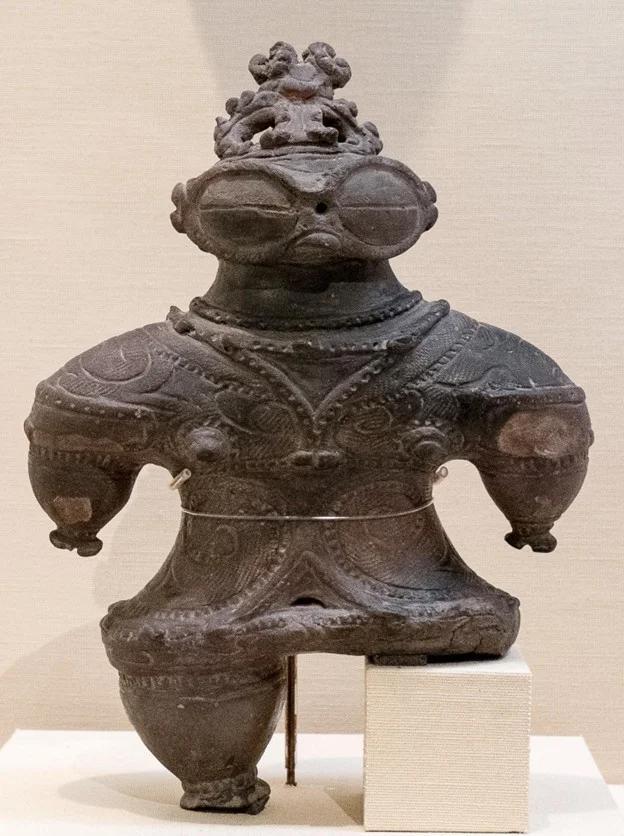
Photo credit
The Jōmon peoples also produced some rather fantastical humanoid or animal figurines, known as dogū (lit. "earthen figure”) – numerous examples of which have been unearthed throughout Japan. While the characteristics of dogū vary considerably – some are almost feline, some reptilian, others look more like bug-eyed knights or alien space-travelers – there is nonetheless a degree of consistency to their design.
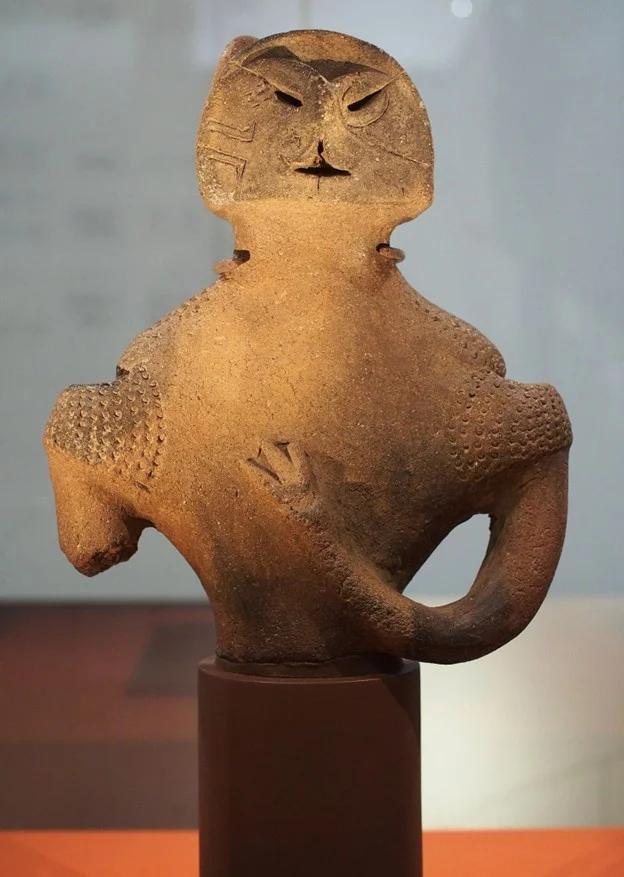
Photo credit
The precise purpose of the dogū is still unknown. Some historians, however, claim that they served as a kind of talisman – almost a proto-voodoo doll, if you like – with the goal of curing illness or guaranteeing safe childbirth through sympathetic magic. This theory is somewhat supported by the fact that most dogū that have been found are broken; apparently having been discarded after serving their purpose.
Conclusion
So there we have it; as old as the Six Ancient Kiln pottery traditions may be, pottery from the Jōmon period is a lot, lot, older. So if anybody ever asks you what is the oldest pottery from Japan, you know it’s not Bizen ware, nor Seto yaki, nor any of the other Ancient Kilns, but actually the fantastical works of the Jōmon hunter-gatherers, produced as far back as the Neolithic period!
These ancient artifacts provide a fascinating window into the ingenuity and culture of early humans. Perhaps the imaginative vessels and dogū of the Jōmons will even have inspired you to give pottery a go yourself? Or maybe you’re more interested in acquiring some contemporary Japanese pottery for your home or as a gift? Either way, if you’ve enjoyed learning about early Japanese pottery here, be sure to check out all the other in-depth Japanese pottery guides on our blog.
As a starter, why not expand your knowledge beyond the Jōmon period and the Six Ancient Kilns by checking out part one of our A-Z guide to Japanese pottery, and its sequel, the A-Z to Japanese Pottery Pt. 2. Happy reading!