Silk is synonymous with luxury when it comes to the fashion world. Japan is best known for the use of silk in traditional garments, among many other textiles. These textiles present the cultural heritage of Japan, as well as craftsmanship values such as attention to detail.
In the modern fashion world, Kyoto silk is slowly gaining traction when it comes to international luxury. Through the efforts of renowned fashion designers and Japanese companies, these traditional textiles have reached millions of fashion fans around the world through events like the Paris Fashion Week.
History of Tango Chirimen
(Image source)
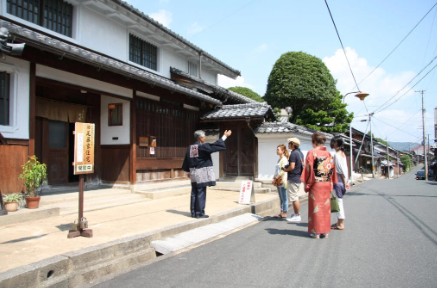
Kyoto silk is locally known as tango chirimen, which is a type of textured silk first developed in the 8th century in Kyoto. Due to constant innovation, the age-old traditional art of making tango chirimen is preserved through Japanese kimonos being manufactured using this type of silk.
The Chirimen Kaido (Silk Road) was the center point of traditional textiles in Japan, where traders had different textiles. Because of the damp weather conditions, silk became popular in the area as it was not suitable for dry climates. Subsequently, the process of creating tango chirimen requires a lot of water.
Shop Fashion from Japan
Key Qualities of Tango Chirimen
Tango chirimen has unique qualities that make it different from other types of silk. These qualities are possible thanks to the century-old ways of crafting textiles in Kyoto. Here are the key qualities of tango chirimen:
Crimps (Shibo)
(Image source)
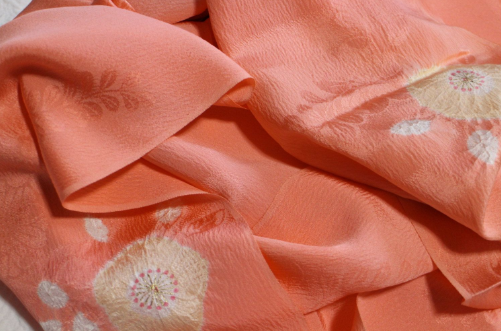
The primary quality that sets apart tango chirimen from other silk textiles is the presence of crimps or “shibo.” The woven silk with crimps allows the material to be crease-resistant. Additionally, this technique improves the color vibrance during the dyeing process.
Crimps also add depth to the silk fabric, which gives the garment a unique texture. If you’re a fan of textured materials, tango chirimen or Kyoto silk is a great choice for you. The presence of shibo in Kyoto silk gives the impression that Japanese culture emphasizes attention to detail and intricate designs.
Unique Diffused Luster
(Image source)
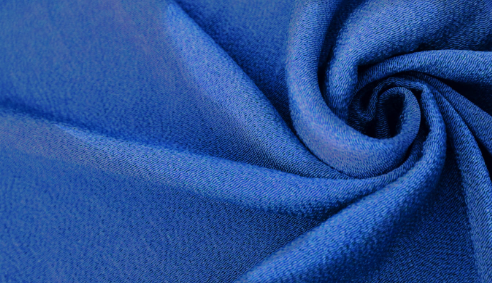
Because the fabric is covered in shibo or crimps, it allows light to reflect differently than regular or other types of silk. Tango chirimen gives a comforting feel when you wear it out in the sun because the light is somewhat diffused thanks to the crimps giving it a unique texture.
This feature of tango chirimen is seen in pieces with a uniform dark color, such as black and blue. The texture of the creases creates an irregular light reflection on the surface. However, tango chirimen with intricate designs are also capable of reflecting light this way.
Soft Yet Crease-Resistant
(Image source)
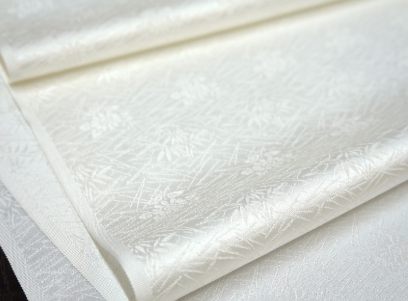
Silk is generally crease-resistant and soft to wear, but tango chirimen is specifically soft in a different way. The crimps created through the art of shibo allow the silk to form a reinforced texture that keeps it from creasing.
If you’re looking for new pieces for your wardrobe, Zenmarket has the latest trends in fashion and more. With items imported straight from Japan, we’ve got authentic and stylish outfits just for you.
Durability
(Image source)
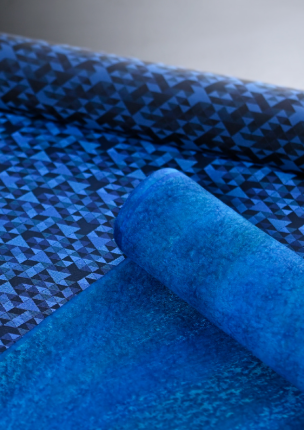
Because the shibo technique is used to create tango chirimen or Kyoto silk, it stands durable against the test of time. This is because the crimps reinforce the textile to maintain its durability. Japanese culture emphasizes timeless pieces, which is why the tango chirimen is made to withstand wear and tear.
Shop Fashion from Japan
History of the Nishijin Brocade
 (Image source)
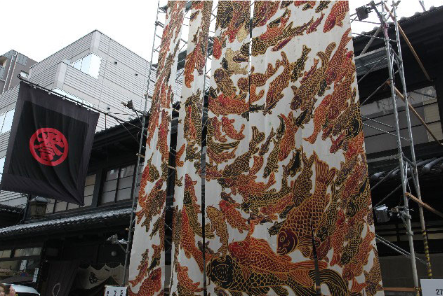
Another age-old tradition, the Nishijin brocade (nishijin ori) started production around 250 A.D., becoming popular around the 15th century amid a civil war. As such, the name “nishijin ori” meant a Western military encampment brocade stuck due to its war background.
During the Meiji period in the 1800s, the Jacquard loom from Europe paved the way for mass production of the Nishijin brocade technique. Today, this technique is still being used to create intricately woven textiles suited for kimonos and the like.
Key Elements of the Nishijin Brocade
The process of making nishijin brocade textiles is a unique one. Focusing on the use of dyed threads to create designs, it is also regarded as a form of artistic weaving. Here are the key elements of the nishijin brocade:
Natural Motifs and Patterns
(Image source)
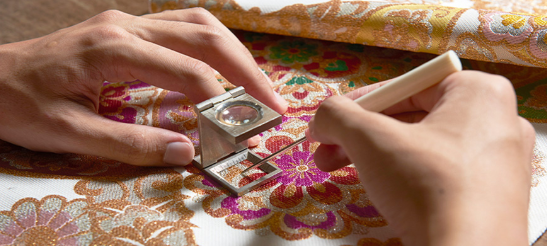
The Nishijin brocade allows weavers to create natural elements as part of the design, such as floral arrangements and geometric shapes mimicking trees and clouds. Birds are also often seen as part of the textile design.
Use of Gold and Silver Threads
(Image source)
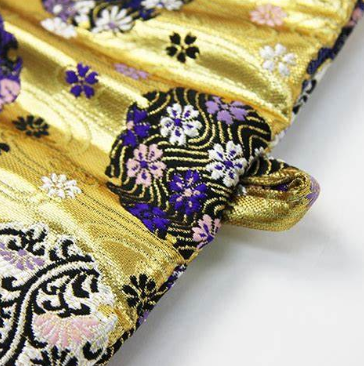
What makes the Nishijin brocade unique from most textiles is the use of gold and silver threads to add detail to each design. It is similar to the kintsugi process in Japanese lacquerware, which highlights cracks with gold to emphasize the imperfections of an object.
Vibrant Colors
(Image source)
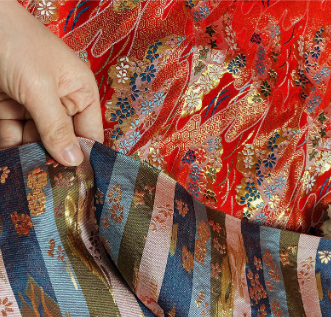
As mentioned above, the Nishijin brocade uses dyed threads, most of which are vibrantly colored. These can be used to create various patterns and designs that feature culturally-symbolic elements. High-quality dyes are used in making Nishijin brocade textiles.
Also Read: THE FUTURE OF JAPANESE STREET FASHION: EMERGING TRENDS FROM TOKYO'S UNDERGROUND SCENE
Shop Fashion from Japan
Modern Kyoto Silk Production
(Image source)
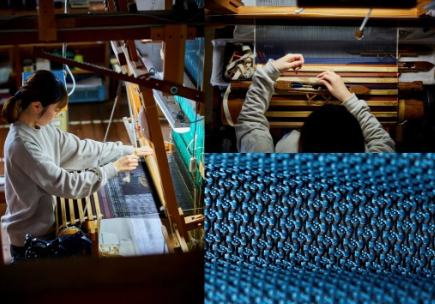
In the modern age, many textile studios are continuing the traditional ways of creating Kyoto silk. Founded by Yasuhiko Kusunoki, Kuska Fabric centers on entirely hand-made productions. Among their products include neckties and stoles (shawls).
Because Kusunoki realized that the art of producing tango chirimen was not possible through mass production, he resorted to handcrafting techniques. The result is a set of intricately woven products that are handmade with human expression.
Impact of Kyoto Silk on Global Runways

(Image source)
Kyoto silk has been featured on the runway countless times. Gucci, a worldwide fashion brand, partnered with Kyoto-based Hosoo to create outfits based on the Nishijin brocade technique. This is a huge step as it brought Kyoto silk to the international luxury fashion scene.
As mentioned earlier, Paris Fashion Week also got a taste of Japanese textile traditions, and Kyoto silk has been featured often. This attracted different aspiring designers and fashion enthusiasts globally, which also allowed more people to learn about Japanese textile-making.
Conclusion
Kyoto silk, with its rich history and unparalleled craftsmanship, continues to captivate the world of fashion. From the textured elegance of tango chirimen to the intricate artistry of Nishijin brocade, these textiles embody centuries of tradition while adapting to contemporary luxury.
As global fashion houses and independent artisans alike incorporate Kyoto silk into their designs, they not only celebrate Japanese heritage but also ensure its continued relevance in modern style. With its growing presence on international runways, Kyoto silk stands as a testament to the timeless beauty and innovation of Japanese textile-making.
Have you signed up for ZenMarket yet?
ZenMarket is the place to get your hands on goods directly from Japan!
Sign up for FREE now