The hospitality industry around the world focuses on caring for the guests. However, in Japan, a particular style of hospitality, known as "omotenashi", focuses on sincerity where nothing is hidden from plain sight. It describes the selfless dedication of a saleslady or receptionist to their customer, leaving no detail behind.
Omotenashi enriches the customer experience in luxury retail because it allows the customer or guest to have a more personalized service with attention to detail. Let's have a look at this Japanese concept of hospitality and how it redefines the customer experience.
A Brief History of Omotenashi
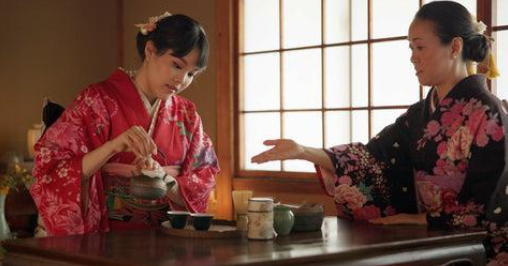 (Image source)
The traditional Japanese tea ceremony is considered one of the pillars of omotenashi. Conceptualized by Sen no Rikyu, this ceremony has intricate steps that must be followed. From choosing tea utensils to preparing the tea, this practice requires a lot of attention to detail - not just for the ceremony itself but particularly for the guests.
Searching for your dream look? Look no further! Zenmarket delivers authentic, brand-name products straight from Japan to your doorstep. Whether you're chasing the latest trends or indulging in a casual browse, Zenmarket is your go-to destination for style, quality, and convenience. Shop now and discover what sets us apart!
The goal of the tea ceremony is to make the experience of the guest worthwhile and unforgettable. Thus, this became the root of omotenashi and modern Japanese hospitality. The idea is to provide for the guest or customer with utmost attentiveness to detail to make the experience remarkable.
Shop Fashion from Japan
Key Elements of Omotenashi in Luxury Retail
As luxury retail requires a more personalized approach to the customer due to brand reputation and product prices, omotenashi fits perfectly in this niche. Here are some key elements of omotenashi in luxury retail:
1. Personalized Products and/or Services
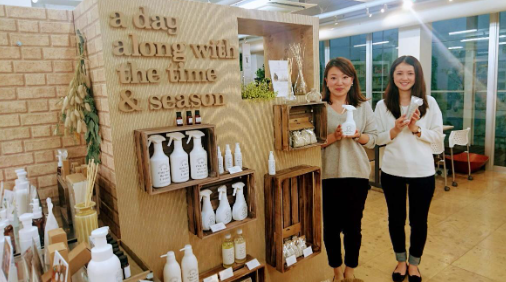
(Image source)
As omotenashi focuses on the customer's needs with no detail spared, the experience becomes personalized. For instance, a customer can explore additional options with their purchased item, such as personalized names or colors. If the purchase is a gift, wrapping services may be available to them.
To make the customer experience more personalized or tailored to their needs, this may require customer data, which should be gathered ethically and with consent. Another way to make personalized customer experiences eventful is to give rewards to returning customers or those who spend a particular amount.
2. Wholehearted Customer Care
 (Image source)
Becoming genuine and wholehearted to customers is one of the defining elements of omotenashi in luxury retail. This means no detail is hidden from the customer, and every aspect of the product and/or service is explained to them.
Oftentimes, in traditional luxury retail, there may be a tendency to hide product faults or aspects that may turn off the customer. However, in the case of omotenashi, every detail is given to the customer so that they can make a more informed purchase decision.
One example is by giving the customer a whole set of similar products that they want and telling them apart through their pros and cons. For instance, in cosmetics, a certain product may be suitable for oily skin but not for dry skin.
Shop Fashion from Japan
3. Attention to Detail
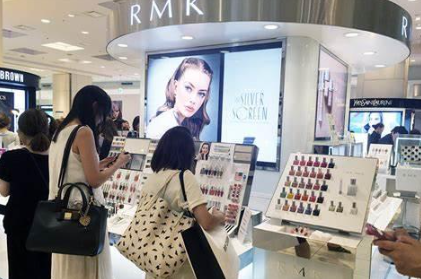 (Image source)
What makes omotenashi a great concept to include in luxury retail is the attention to detail. The customer experience is greatly improved if the products are presented up to the last detail so that the person can easily decide on what to buy.
Thus, a retailer or salesperson must know the product they are selling. For example, make-up products should be sold by those who know how to choose them based on skin type, color, and the like. This will allow them to easily make suggestions on products that their customer might be looking for.
By being detail-oriented in luxury retail, the customer becomes more satisfied because the retailer or salesperson has similar or greater knowledge when it comes to the product at hand.
4. Anticipated Customer Needs

(Image source)
Smart retailers and salespersons know how to anticipate the needs of their customers. By attending to what they believe the customer might also need, it creates a warm and welcoming shopping experience.
For instance, if a person is buying lipstick, the retail staff can also suggest other make-up items to complete their look, such as blush-on or eyeshadow. If they are buying fountain pens, the retailer may suggest planners or other stationery items.
5. Gratefulness to the Customer
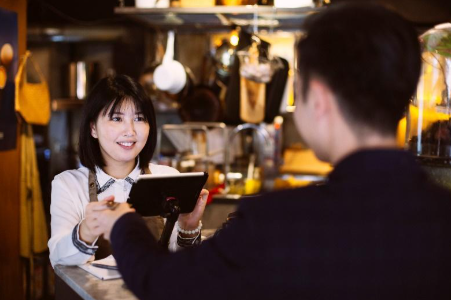
(Image source)
In the concept of omotenashi, retailers are grateful to the customers and treat them as a blessing in their daily lives. Thus, they give a lot of importance to their customers through rewards or discounts. For instance, frequent buyers may be given a patron card to earn points with every purchase.
How Omotenashi is Practiced in Luxury Retail
As we've covered the key elements of omotenashi, Japanese businesses have incorporated them in various ways. Here are some of their innovative steps:
Also Read: THE FUTURE OF JAPANESE STREET FASHION: EMERGING TRENDS FROM TOKYO'S UNDERGROUND SCENE
1. Store Layout
 (Image source)
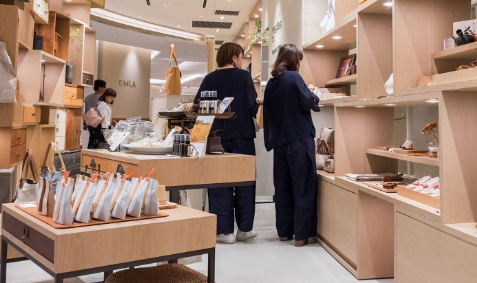
Omotenashi focuses on improving the customer experience. Thus, a carefully planned store layout must allow the customer to easily get products with ease. The store should be convenient to navigate and all items must be grouped accordingly so that customers won’t run in circles.
2. Product Design
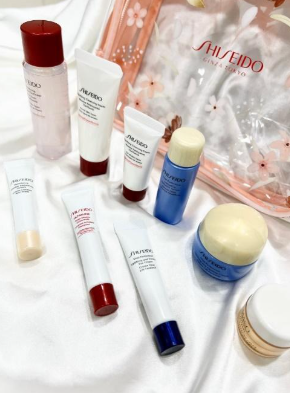
When it comes to attention to detail, product design must be considered with the customer in mind. For instance, some make-up products have been designed to fit into travel pouches, and some are designed to act as a 3-in-1 product (eyeshadow, lipstick, and blush-on).
Shop Fashion from Japan
3. Digital Services
 (Image source)
With the dawn of the digital age, social media plays an important role in building reputation and gaining customer trust for companies. Thus, even in luxury retail, the practice of omotenashi endures when it comes to social media promotion and/or through online shop orders.
4. Customer Feedback
 (Image source)
Omotenashi places great importance on what the customer wants, which is why customer feedback is vital to the business. Through customer feedback, retailers can adapt to the changing needs of their target market.
Conclusion
Luxury retailers incorporating omotenashi extensively improve customer satisfaction through personalization, attention to detail, and a worthwhile shopping experience. By bringing together every detail and aspect of the product and/or service, the customer feels special with every purchase.
Whether it’s a loyalty program that enables them to earn points with every purchase or a gift with a particular purchase amount, omotenashi in luxury retail will raise the reputation of a company or store due to their hospitality towards customers.