Almost every beginner climber asks this, especially after a few sweaty gym sessions, an uncomfortable rental-shoe experience, or the first time a pair of tight climbing shoes starts rubbing the skin raw.
For most climbers, the default answer has always been “no.” Climbing shoes are designed to fit closely, sometimes aggressively so, and the idea is to feel the foothold as directly as possible. But that does not mean socks have no place in climbing. In fact, for climbers who care about hygiene, comfort, odor control, friction reduction, and keeping their shoes cleaner over time, dedicated climbing socks can make a lot of sense.

Check out Japanese climbing socks designed for comfort, hygiene, and feel.
That is where Japanese climbing socks from PER-ADRA are worth discovering. They are among the most widely worn climbing socks in Japan, and international shoppers can access them through the official PER-ADRA online shop using ZenMarket, a proxy shopping service that helps people overseas buy from Japanese stores. We will explain how ZenMarket works later in this guide.
PER-ADRA’s climbing socks are made specifically for use inside climbing shoes, with options such as TABI Socks, ICE Socks, and SOLID Socks listed in the store’s socks category.
Why Most Climbers Go Sockless
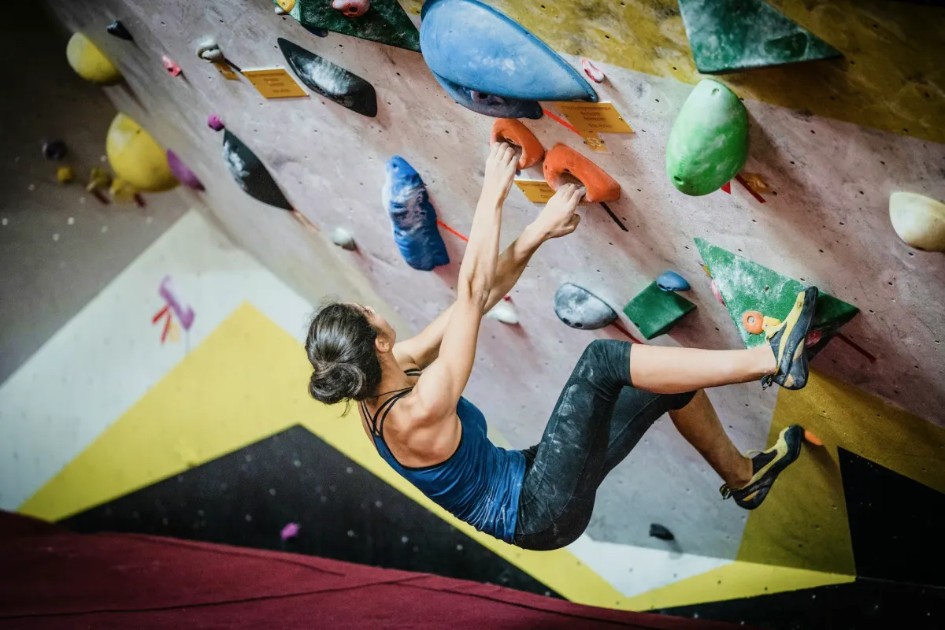 To understand when climbing socks are useful, it helps to know why many climbers avoid them. Climbing shoes are designed to fit tightly and precisely, helping climbers stand on small footholds, smear on slabs, hook with the toe, and apply pressure through the big toe. Because of this close fit, many climbers prefer wearing them barefoot.
The main reason is sensitivity. Direct contact with the shoe can make it easier to feel subtle pressure changes, which matters on small or technical footholds. Regular socks are often too thick, and they can dull feedback, change the fit, bunch inside the shoe, or make tight shoes feel uncomfortable.
However, going sockless is not the only serious option. It simply means ordinary socks are usually not ideal for climbing shoes. A thin sock made specifically for climbing can offer a better balance between feel, fit, and comfort.
This is especially relevant for rental shoes. Beginners often use rentals before buying their own pair, but shared shoes can raise hygiene concerns. Wearing socks creates a layer between your foot and the inside of the shoe, making the experience feel cleaner and more comfortable.
Even with your own shoes, hygiene still matters. Climbing shoes are not very breathable, so sweat can build up during long sessions, especially in warm gyms or humid climates. Socks will not completely remove odor, but they can help reduce direct sweat contact with the shoe interior.
When Wearing Socks Makes Sense
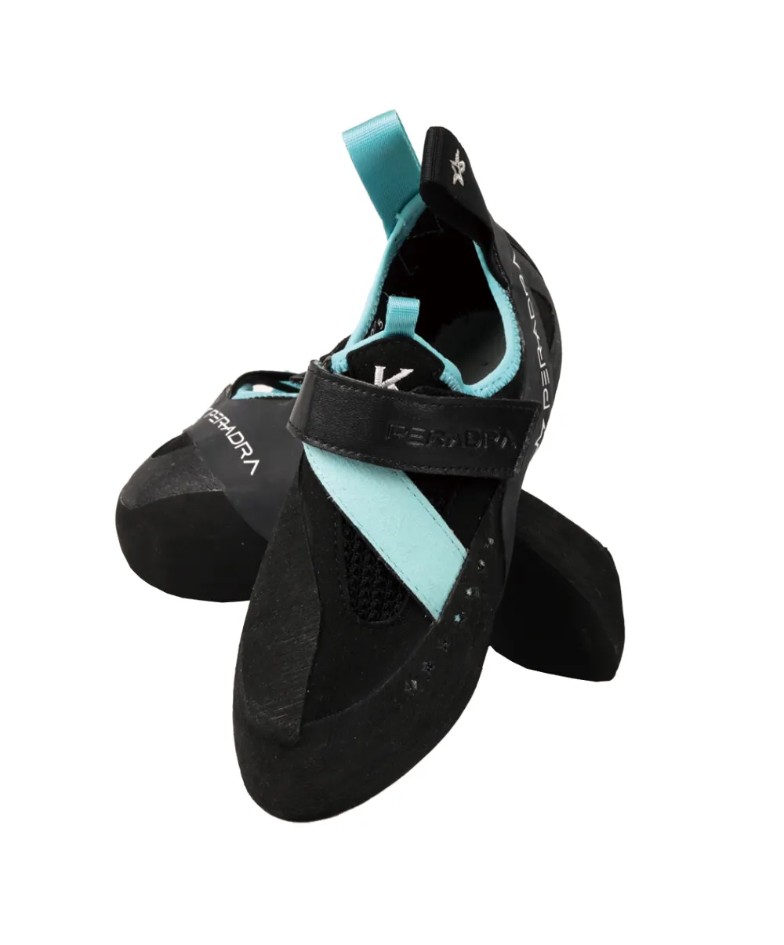
Wearing socks with climbing shoes comes down to personal preference. Some climbers will always prefer the direct barefoot feel, while others find that a thin, purpose-built sock improves comfort enough to be worth it. The key is knowing when socks are especially useful.
For beginners and rental-shoe users, hygiene is the biggest reason. If you are still using gym rentals, climbing socks can make the experience feel cleaner and more comfortable. They can also reduce the awkward feeling of putting bare feet into shared footwear.
For long indoor sessions, socks can help with friction. Climbing shoes are tight by design, and repeated attempts on problems or routes can cause rubbing around the toes, heel, or sides of the foot. A thin layer between the skin and shoe may help ease friction-related discomfort, especially during longer gym days.
Socks can also be useful for climbers who sweat heavily. Barefoot climbing in a tight, warm shoe can quickly lead to a slippery, damp feeling inside the shoe. A dedicated climbing sock can help manage that sensation without feeling as bulky as a regular sports sock.
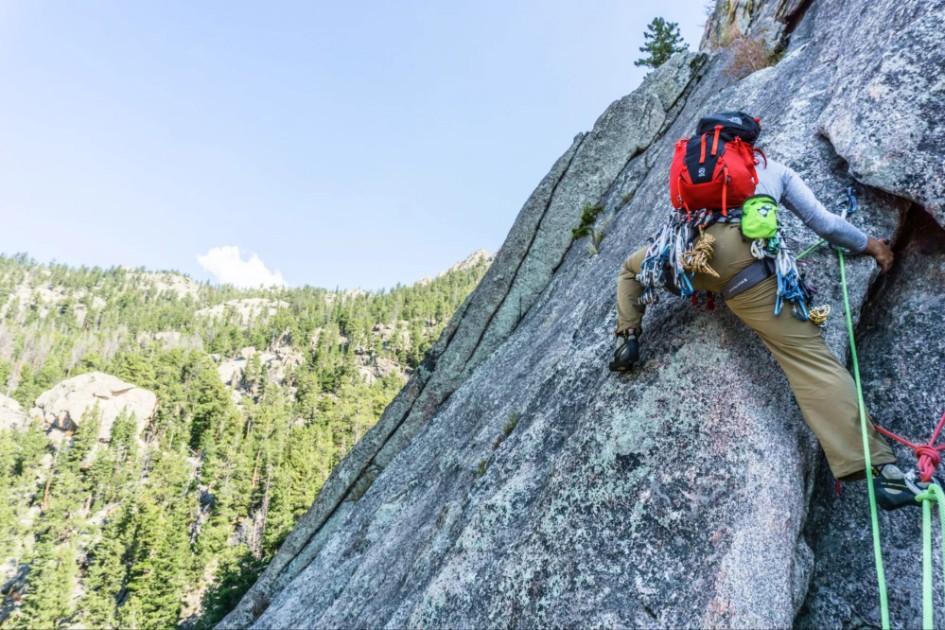 Seasonal conditions matter too. In cold outdoor conditions, such as winter cragging or ice climbing approaches, many climbers think more carefully about warmth and comfort. Standard thick socks may not work well inside tight rock shoes, but thin climbing socks can be a practical option when you want a small comfort layer without completely changing the shoe’s feel. For true cold-weather or ice climbing, footwear choices may be different, but the same principle applies: the right sock should support the activity rather than fight against the shoe.
Socks can also be worth considering if you own an expensive pair of climbing shoes and want to keep the inside cleaner over time. Climbing shoe prices have been rising in many markets, and while socks cannot guarantee longer shoe life, reducing direct sweat contact is a practical way to care for footwear that you use frequently.
Choosing the Right Socks: Why Japanese Climbing Socks Stand Out
Ordinary cotton, running, or gym socks are not made for climbing shoes. They are often too thick, may wrinkle inside the shoe, and can reduce the precise feel climbers need on small footholds.
PER-ADRA climbing socks are designed differently. Made in Nara, one of Japan’s leading sock-producing regions, they are thin, close-fitting, and built specifically for use inside climbing shoes. The goal is to improve comfort and hygiene while preserving as much of the barefoot feel as possible.
In Japan, PER-ADRA socks are used by climbers ranging from beginners to advanced climbers and professionals. The lineup includes SOLID Socks, TABI Socks, and ICE Socks, giving climbers options for everyday training, split-toe sensitivity, or warmer conditions.
The TABI Socks are especially notable because the split-toe design separates the big toe, helping maintain a more natural sense of toe placement. PER-ADRA also uses slip-resistant yarn at the toe and heel, plus mesh construction around the midfoot for breathability, making them far more purpose-built than ordinary socks.
Design is another reason PER-ADRA stands out. The brand offers a wide range of color options, with new seasonal colors released every year. Because climbing shoes are often dominated by black rubber, colorful socks can add personality to an otherwise heavy-looking setup.
PER-ADRA socks are enjoyable as a fashion item as well as climbing gear. The founder is also a fashion designer with 35 years of experience, so real attention is paid to color and design alongside climbing-specific functions.
PER-ADRA TABI Socks
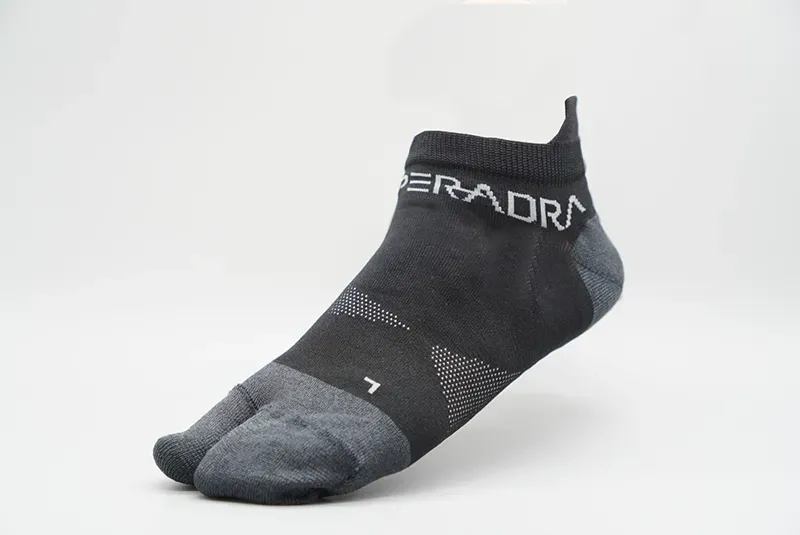
Japanese style split-toe climbing socks designed to help preserve big-toe sensitivity and a natural feel inside climbing shoes.
PER-ADRA TABI Socks are a strong choice for climbers who are curious about Japanese climbing socks and want to preserve toe sensitivity as much as possible. The tabi-style split toe separates the big toe, which can help maintain a more precise feeling through the front of the shoe.
For climbers who worry that socks will make their shoes feel vague or disconnected, TABI Socks are a practical place to start. They are especially appealing for climbers who like the hygiene and comfort benefits of socks but still want a close, sensitive fit.
PER-ADRA ICE Socks
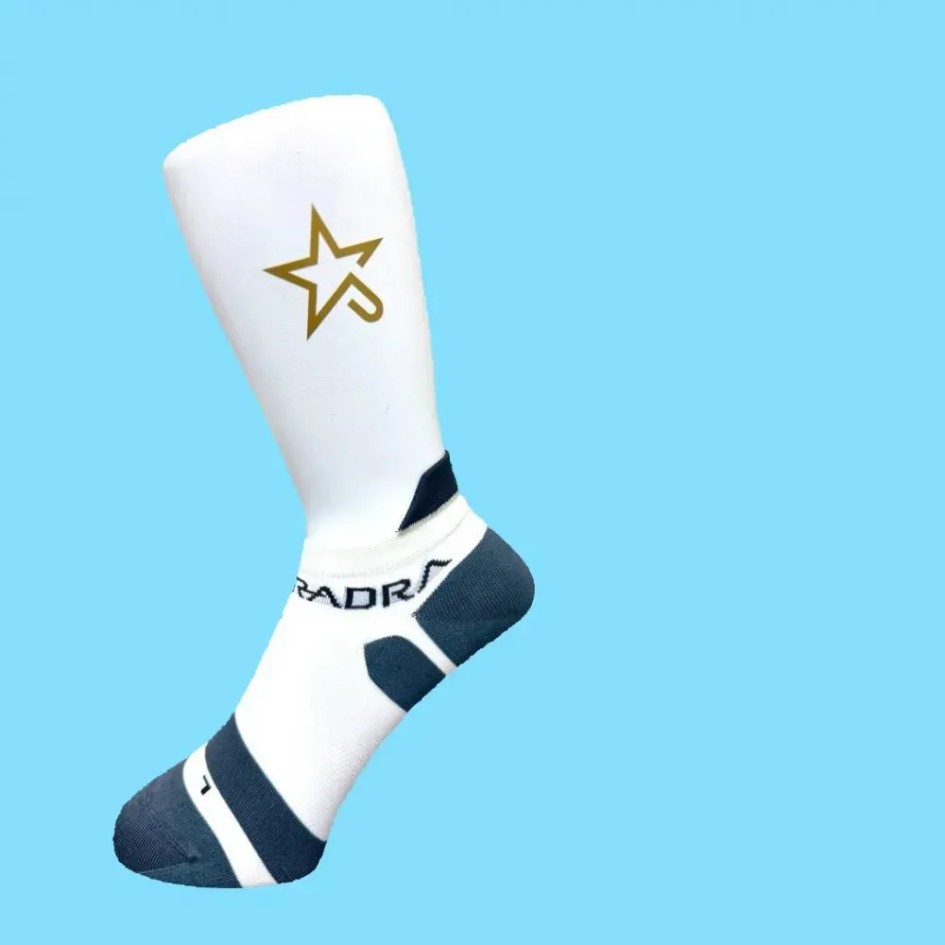
Cooling-oriented climbing socks for warm gyms, humid conditions, and long sessions.
PER-ADRA ICE Socks are designed for climbers who want a cooling-oriented option. They can be useful for warm gyms, humid climates, summer climbing sessions, or climbers whose feet tend to sweat heavily.
While no sock can completely eliminate sweat or odor, choosing a sock designed for climbing conditions can help make long sessions feel more comfortable. ICE Socks are a good option for climbers who often feel overheated inside their shoes or want a seasonal sock for warmer conditions.
PER-ADRA SOLID Socks
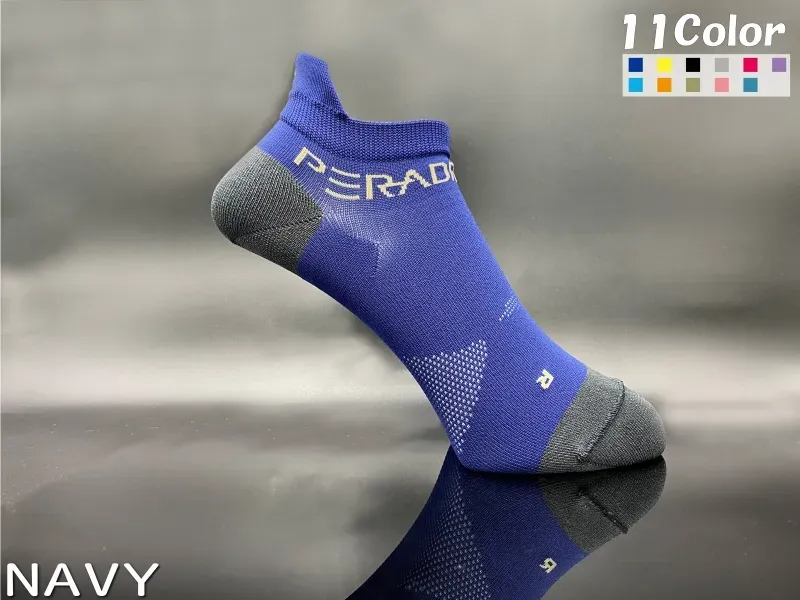
Thin, everyday climbing socks made for comfort, hygiene, and a close fit during regular training.
PER-ADRA SOLID Socks are a versatile everyday option for climbers who want a simple, thin climbing sock for regular training. They are suited to beginners, indoor climbers, rental-shoe users, and experienced climbers who want a cleaner, more comfortable shoe experience without a bulky sock.
The SOLID line is also a good entry point if you are not sure whether climbing socks are for you. They offer the core benefits climbers are usually looking for: a close fit, reduced direct skin contact, help with sweat and odor, and a layer that may ease friction during longer sessions.
How to Buy from PER-ADRA

Create a ZenMarket account and start shopping from Japan with ease.
For climbers outside Japan, ZenMarket makes it possible to buy PER-ADRA climbing socks on their site and get them shipped to you. Instead of dealing with Japanese checkout pages, overseas payment limitations, or international shipping restrictions, you can use ZenMarket as a proxy shopping service.
Simply browse the PER-ADRA socks category, choose the style you want, and copy the product page URL into ZenMarket after you make your account. ZenMarket can purchase the item on your behalf, receive it at their warehouse in Japan, and then ship it internationally to your address.
💡 Also read: How to buy from Japan? ZenMarket proxy Shopping tutorial
Conclusion
So, do you wear socks with climbing shoes? The honest answer is: it depends.
Many climbers prefer to climb barefoot because they want maximum sensitivity and the closest possible fit. That preference is valid, especially for advanced climbers who are used to the feel of their shoes. But socks can also be a smart choice, particularly for beginners, rental-shoe users, long-session gym climbers, people who sweat heavily, and anyone who wants to keep the inside of their shoes cleaner.
The important distinction is between ordinary socks and dedicated climbing socks. Regular socks are often too thick, but PER-ADRA climbing socks are made specifically for climbing shoes. They are thin, close-fitting, and designed to support comfort and hygiene while preserving the barefoot feel as much as possible.
For climbers in English-speaking countries who may not often see Japanese climbing socks in local stores, PER-ADRA offers a useful look at how climbing footwear comfort is approached in Japan. With TABI Socks, ICE Socks, and SOLID Socks available through PER-ADRA, the brand gives climbers several ways to add comfort, hygiene, color, and personality to their climbing routine without giving up the close feel that climbing shoes are known for.
Don't have a ZenMarket account yet?
Sign up