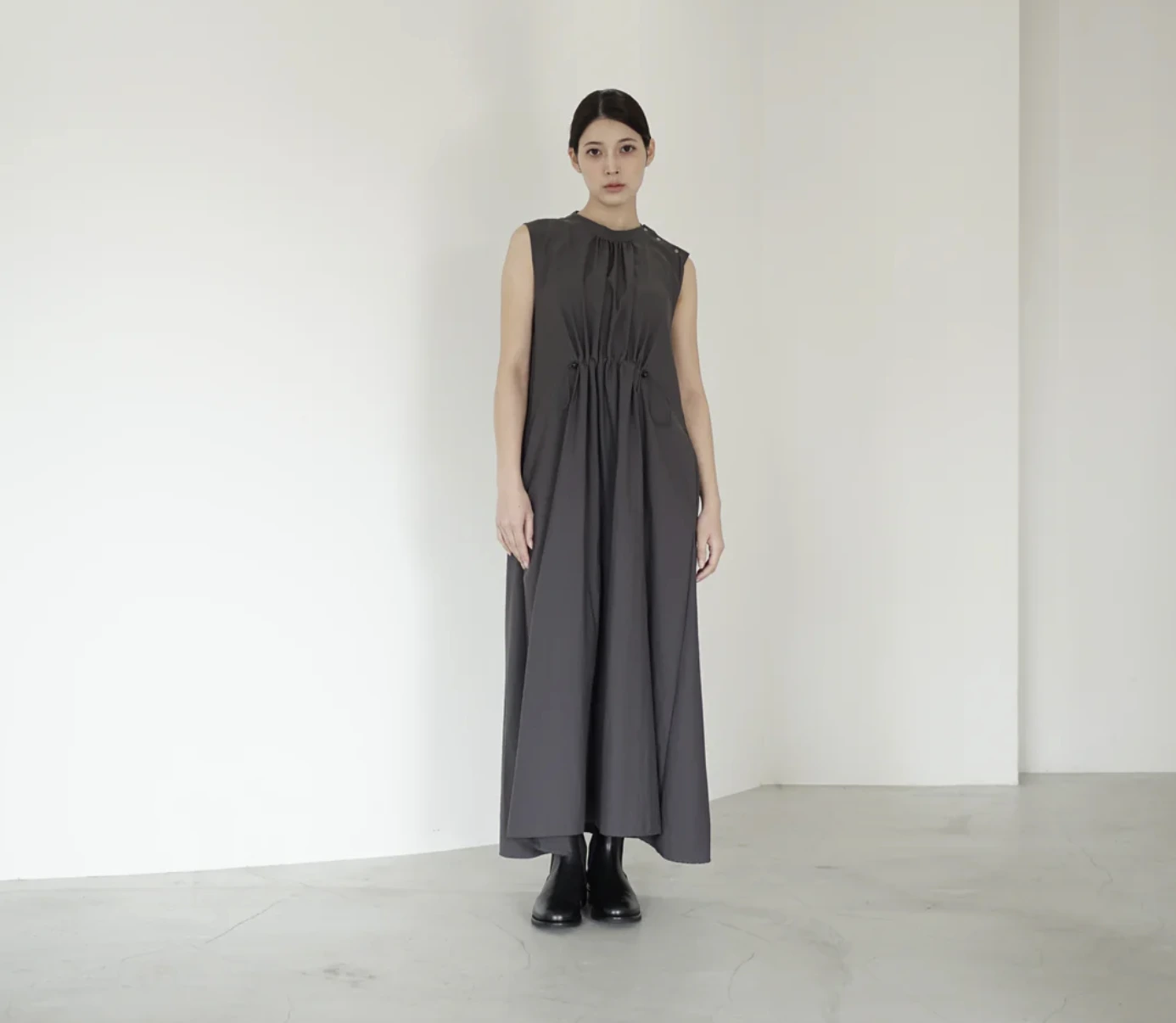
 A masterclass in minimalist design; the Gathered Dress from Itochi.
Japanese minimalist fashion distills form and function into designs that celebrate essence rather than excess. But what makes minimalist Japanese fashion feel so modern? In this article we trace the historical development of Japan’s minimalist style, while showcasing a selection of minimalist items from contemporary Japanese designers.
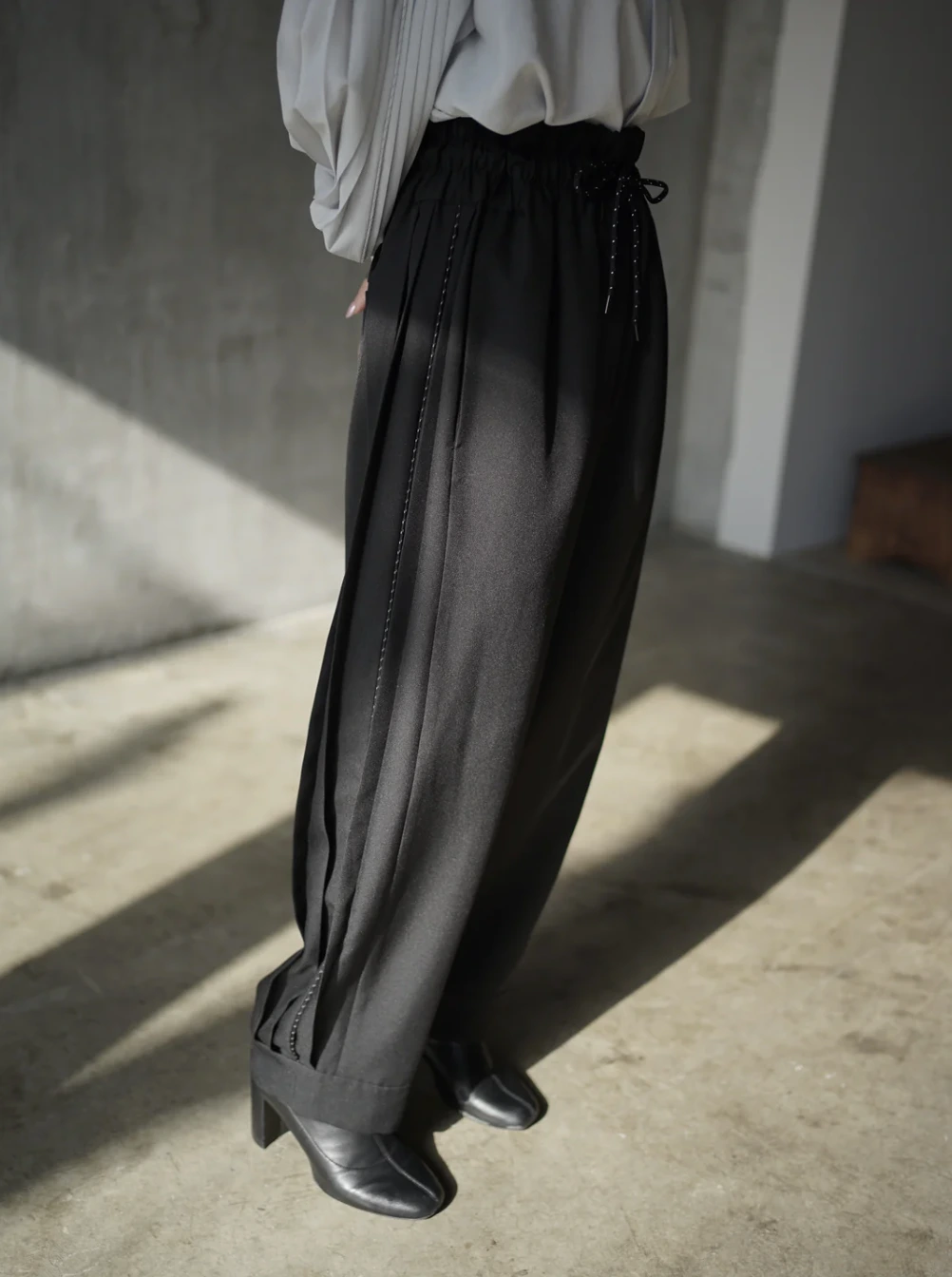
Multi-pleat pants from minimalist fashion brand Itochi.
The Origins of Japanese Minimalist Style
In order to understand the evolution of Japanese minimalist fashion, we’ll need to dig deep into Japanese culture and art history. Whereas many other representational artistic traditions have valued realism and anatomical accuracy, traditional Japanese art and design often attempts to depict the essence of its subjects in the most economical way possible. After all, why use 100 brush strokes to communicate what can be said in three?
As a result, traditional Japanese art was valued less for its precise recording of every detail, and more for the artist’s ability to impressionistically capture the subject’s essence; distilling it down to the most important elements.
What makes a fox a fox, and not a ferret? Or a crow a crow, and not a cuckoo? In the Japanese aesthetic tradition, the goal is to capture the subject’s intrinsic nature without engaging in superfluous description.
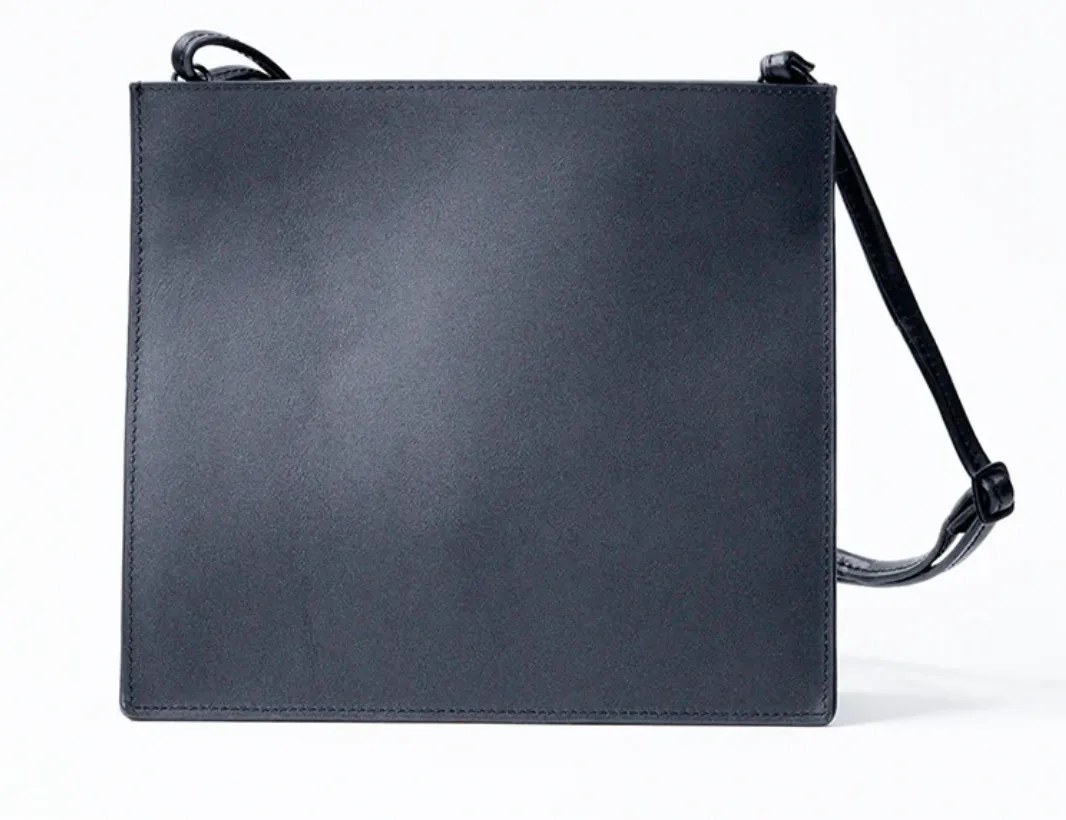
The essence of a shoulder bag, encapsulated in minimalist form, and crafted in recycled leather by Less Is.
What Makes Japanese Fashion Modern?
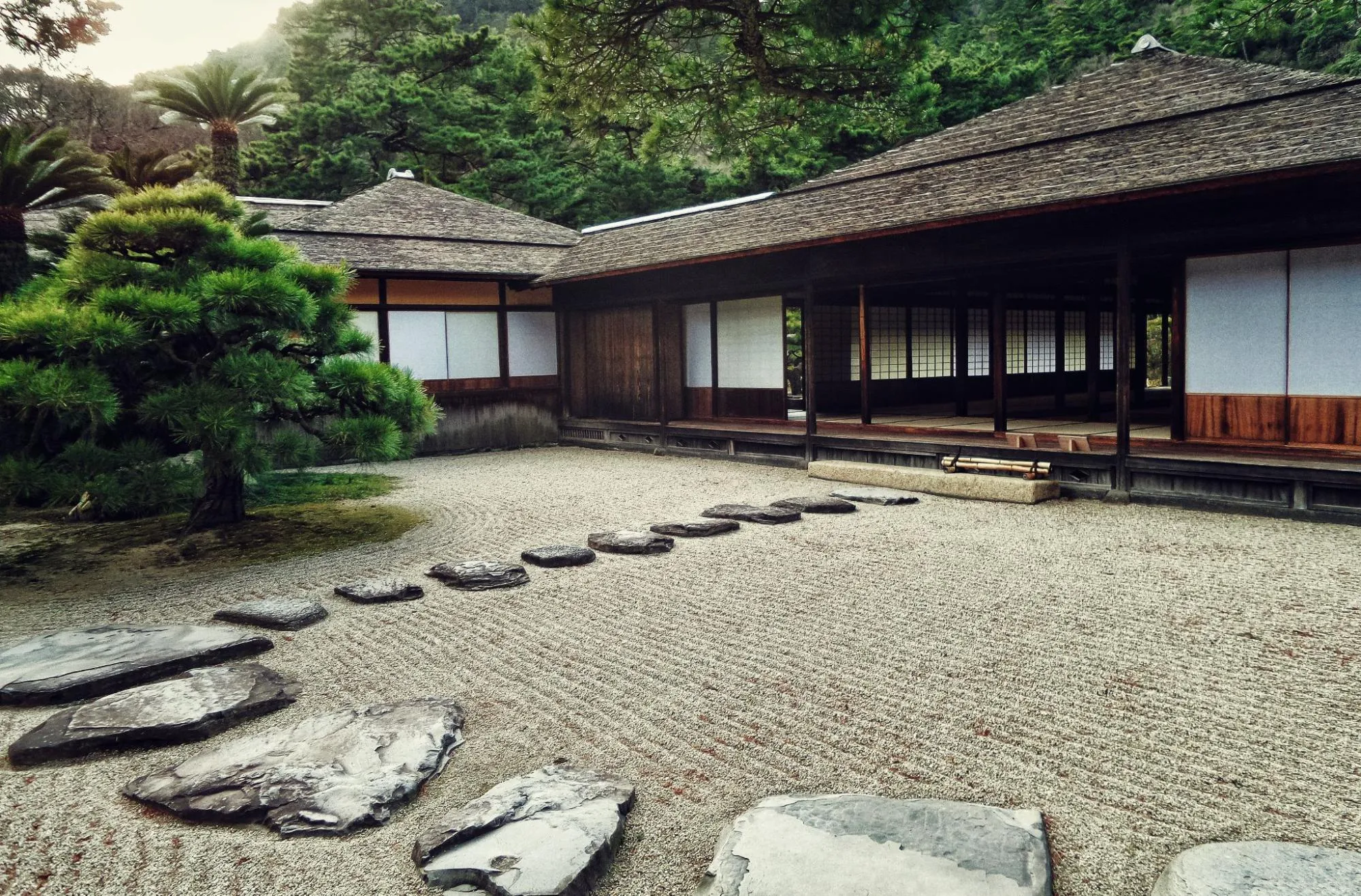
The clean lines and balanced asymmetry of traditional Japanese design strongly influenced Western Modernism. Image credit.
When considering contemporary Japanese fashion, modern Western influences are often mentioned; particularly the influence of Americana, workwear, and sportswear on Japanese streetwear and denim brands. But what we consider to be “modern Western design” was in fact hugely influenced by Japanese aesthetics in the first place.
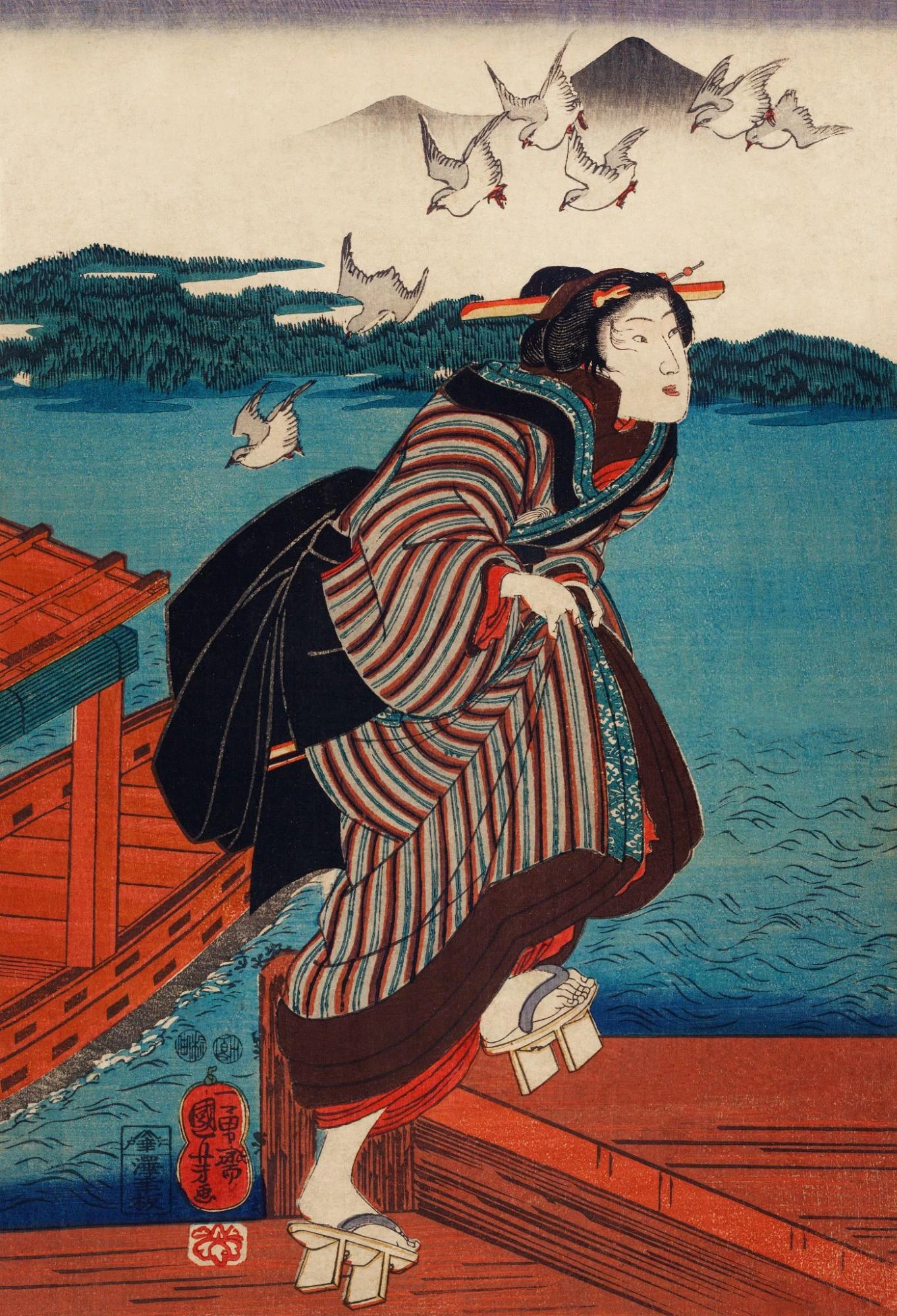
A woodblock print by Utagawa Kuniyoshi (1753-1806). Image credit.
If you’ve ever looked at an 18th century Ukiyo-e woodblock print and thought it seemed surprisingly modern, that’s because in some ways it is modern. Japanese art of that period played a significant role in forming what we now consider to be Modernist aesthetics. From the legendary Bauhaus to architectural luminaries such as Frank Lloyd Wright ("elimination of the insignificant”) and Mies van der Rohe (“less is more” ), the clean lines and uncluttered forms of Modernism owe a huge debt to Japan.
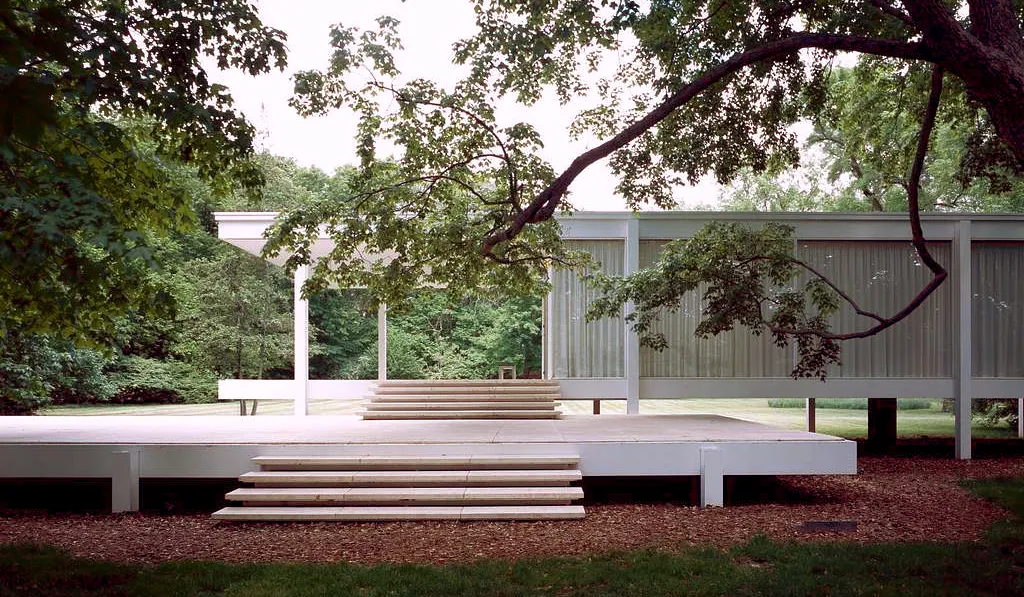
The Farnsworth House, Plano, Illinois, designed by architect Ludwig Mies Van der Rohe. Image credit.
Ironically, then, a big part of what makes Japanese fashion modern is actually its adherence to Japanese tradition.
Why Is Minimalist Style Clothing So Popular In Japan?
That’s all very well, but why is minimalist style still among the most dominant aesthetics in contemporary Japanese fashion today? To answer this question, it might be helpful if we make a brief geographical detour.
Italy is also a country renowned for its fashion industry. But Italians are famously outgoing, talkative, and expressive in language. So while the two nations share a reputation for fashion manufacturing excellence, the “national character” of Italians is notably different from that of the typically more withdrawn and succinct Japanese.

Italian Baroque design; in many ways the antithesis of Japanese minimalism. Image credit.
Of course, there are always many exceptions to such cultural stereotypes. Yet they often contain a significant degree of truth, too. Arguably there is a direct correspondence between the stereotypical Italian national character – extrovert, highly expressive, at times even noisy – and the nation’s often flamboyant design aesthetic. Italy is the birthplace of the Baroque, after all: almost a visual echo of a lively dinnnertime conversation in a Roman trattoria.
By contrast, in Japanese culture, silence, restraint, and the ability to say much with just a few words are qualities that are often highly valued. As is the listener’s ability to “read the air.”
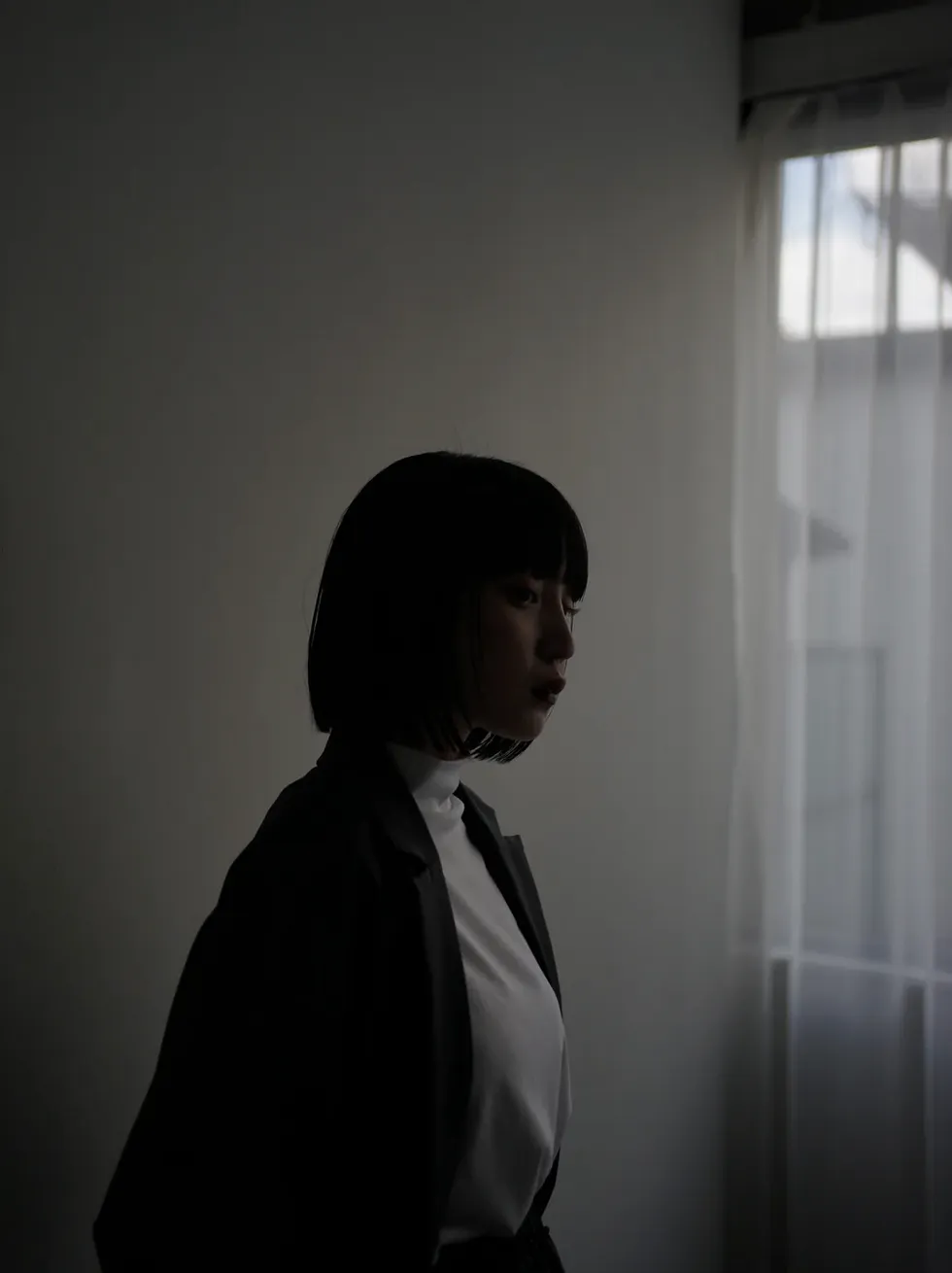
In praise of shadows: Japanese aesthetics have long cultivated an appreciation of darkness, silence, and empty space. All clothes by Itochi.
It’s perhaps not surprising, then, that Japanese artists in general, and the nation’s fashion designers in particular, often express this minimalism in their work. Meanwhile, schooled in the arts of precision and self restraint, the Japanese fashion-buying public also appreciates the understated beauty of minimalist style and the wabi-sabi appeal of asymmetry.
Minimalist Japanese Fashion On the Global Stage
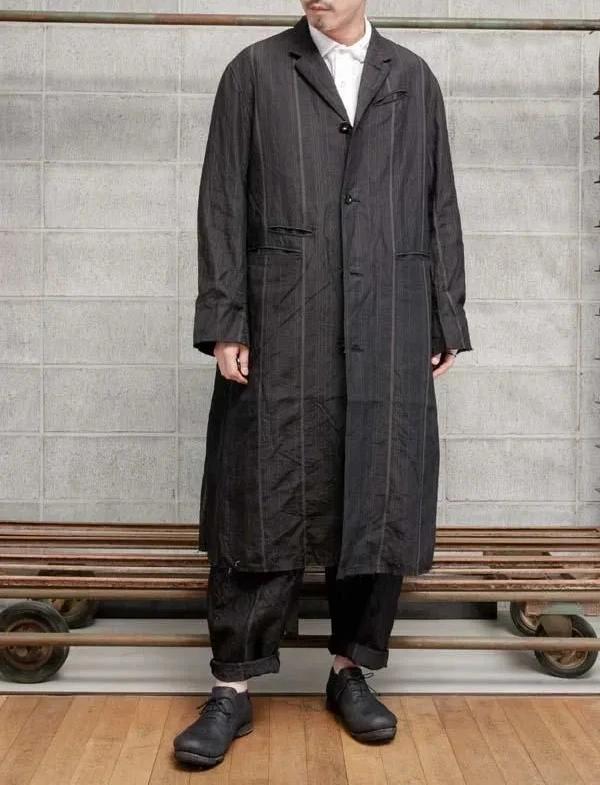
From minimalist Japanese fashion brand Klasica comes this exquisite overcoat in pure ramie. Available at Kyoto boutique Vektor.
Of course, Japanese minimalist fashion has long found fans far beyond the nation’s borders, too. And contemporary brands from all over the world frequently look to Japanese minimalist designers for inspiration.
To be clear, in the early 1980s when the designers Rei Kawakubo of Comme des Garcons and her compatriot Yohji Yamamoto first showed their collections in Paris, reception among Western critics wasn’t unanimously positive. And Issey Miyake didn’t receive a universally warm welcome when he arrived in the city some years earlier, either.
But history isn’t on the side of those negative voices. Indeed, the three designers quickly established themselves as the apex of the international avant-garde. A position they continue to occupy today; in no small part due to the fresh, minimalist style that they brought to European runways, establishing black clothing as the default choice for anyone looking to achieve understated sophistication.
What’s So Unique About Japanese Minimalist Fashion?
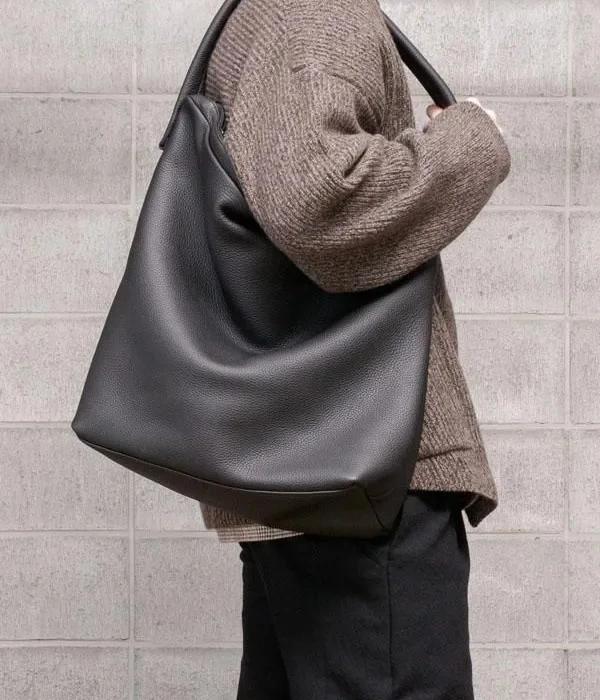
Designed by Devoa, this ultra minimal shoulder bag is made from recycled leather. Get it via Vektor.
What makes Japanese minimalist fashion so special, though? After all, Scandinavian fashion is also quite minimal in style. What sets Japanese minimalist fashion designers apart?
Whereas Northern Europe’s minimalist designers tend to be quite utilitarian in their output, arguably the best Japanese minimalist fashion brands offer an extra degree of sophistication. And whether it’s done consciously or otherwise, Japanese designers frequently draw upon a traditional Zen Buddhist design ethos to produce clothing that is both clean in form and yet aesthetically nuanced – at times even deliberately flawed. So while Japanese minimalist fashion is free from superfluous adornment, it’s often also technically advanced and exhibits a subtle complexity and attention to detail that’s rarely found elsewhere.
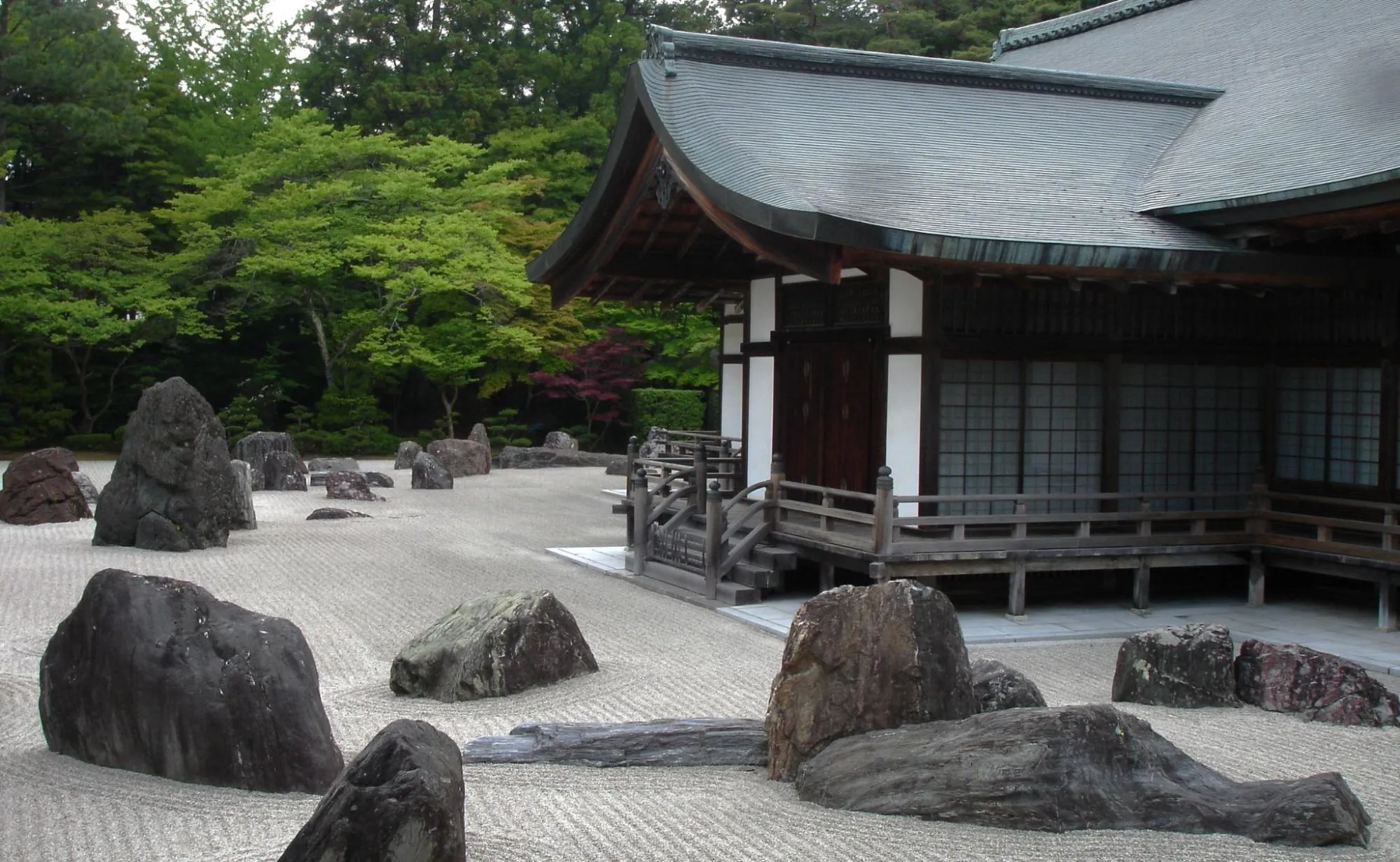
Principles of Zen Buddhism continue to hold a subtle influence over minimalist fashion aesthetics. Image credit.
However, mastery of minimalist style means much more than simply paring things back to their core elements: minimalism shouldn’t be a byword for either basic nor boring. Indeed, this is where the real challenge of producing minimalist fashion lies; without all the fussy decorative elements found on less ‘restrained’ fashion items, all focus is now on those few elements that remain. So they better be pretty darn good!
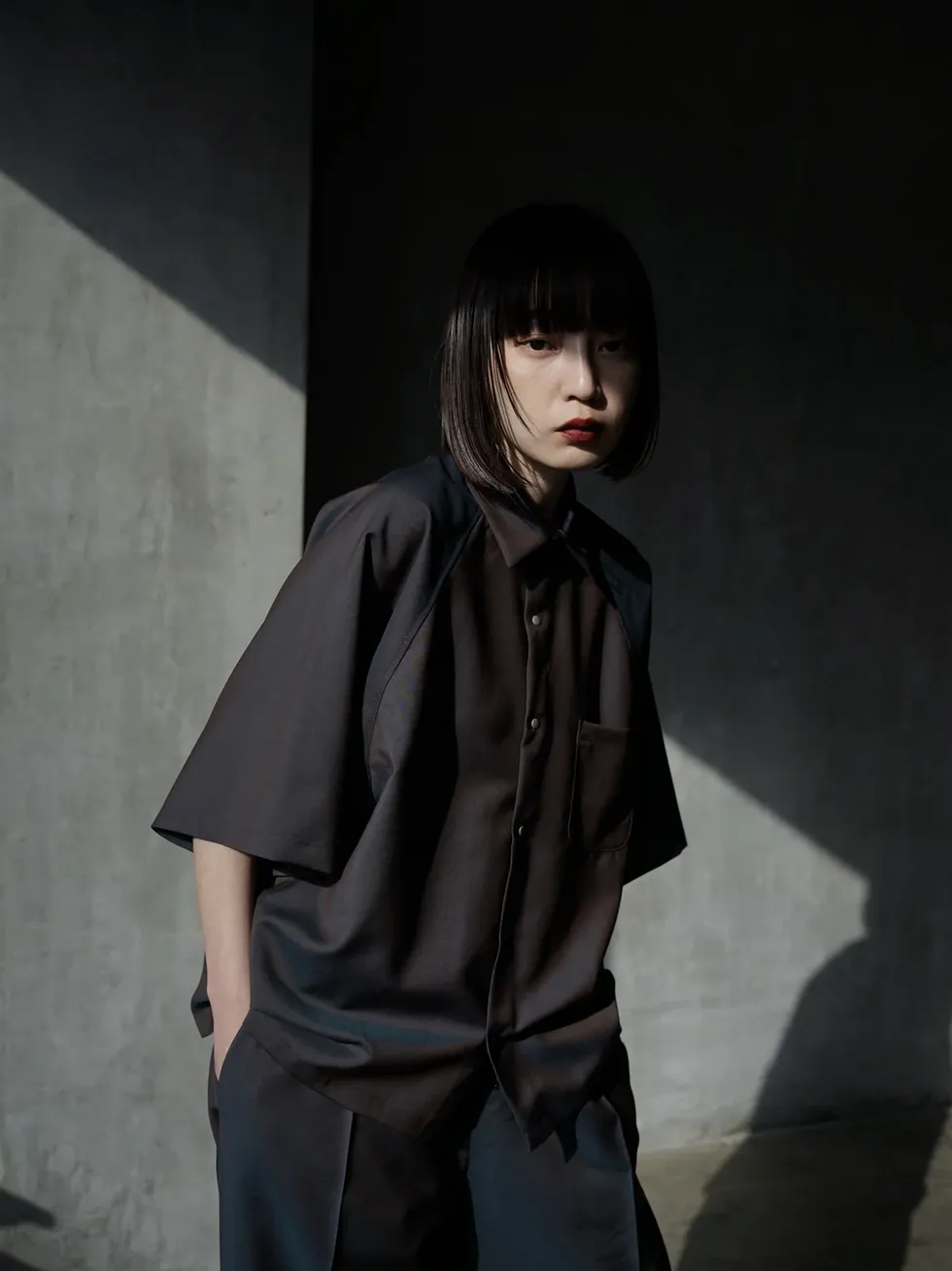
A half-sleeve raglan shirt in wool and mohair from Japanese minimalist style maestros Itochi.
The skill of Japanese minimalist fashion designers lies in creating stripped-back clothing that is beautifully balanced in design, expertly tailored to the body, and puts great emphasis on the more subtle details – aspects that help to transform a garment from the merely mundane to the truly magnificent. These details often range from the use of superior materials and advanced manufacturing methods, through to the unique character bestowed by hand-production techniques.
Cutting-Edge Japanese Minimalist Fashion Brands You Should Know
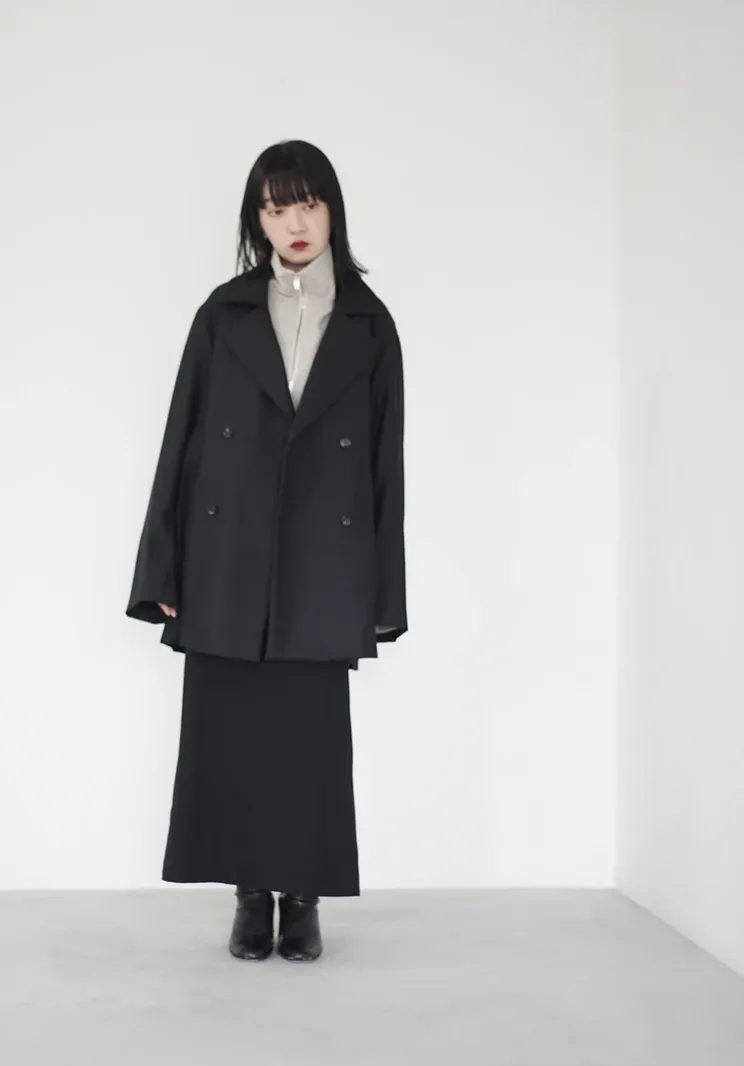
Unisex Japanese minimalist fashion from Itochi.
Comme, Yamamoto, Miyake: these icons of Japanese minimalist fashion are of course very well-known. As are successors such as Undercover, Sacai, Kolor etc. Today, though, there are numerous more underground Japanese brands pushing the boundaries of minimalist style. For now, many of these still fly below the radar of the international fashion media, making them highly desirable to those who favor exclusivity over the mainstream.
While it can often be difficult to find products by these designers outside of Japan, the labels Itochi and Less Is are now available to overseas buyers via ZenMarket. As are garms from several other cutting edge designers curated by multi-brand boutique Vektor. Here we give an overview of each, recommending a handful of pieces from their current collections.
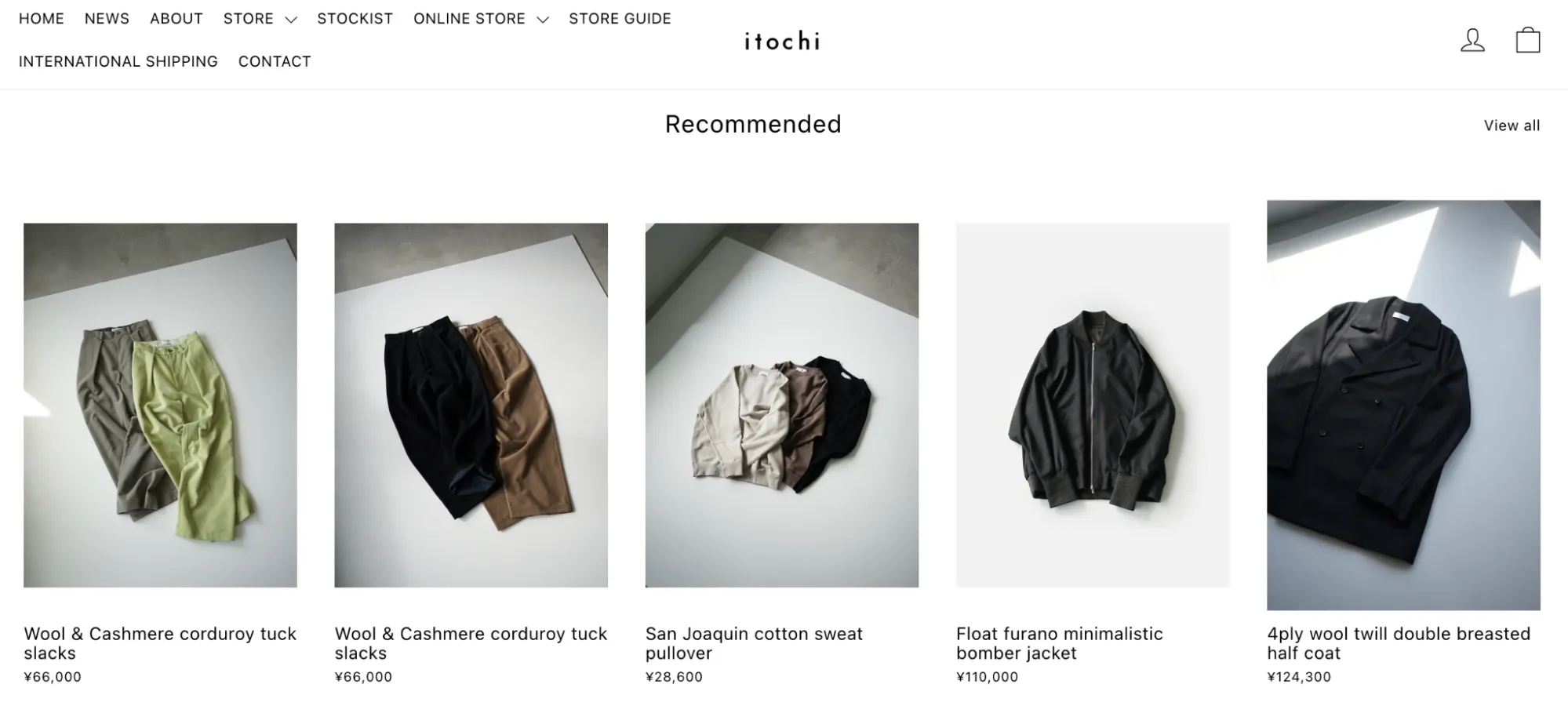
While the output of some minimalist designers can seem a little dry – perhaps simply too practical – Japanese brand Itochi manages to adhere to solidly minimalist principles while injecting a thrilling dose of sensuousness into their designs. On their website you will find sexy and confident apparel for minimalist sophisticates – of all genders – produced in premium materials, and stylishly presented with high quality photography that reflects the brand’s dedication to exemplary aesthetics.
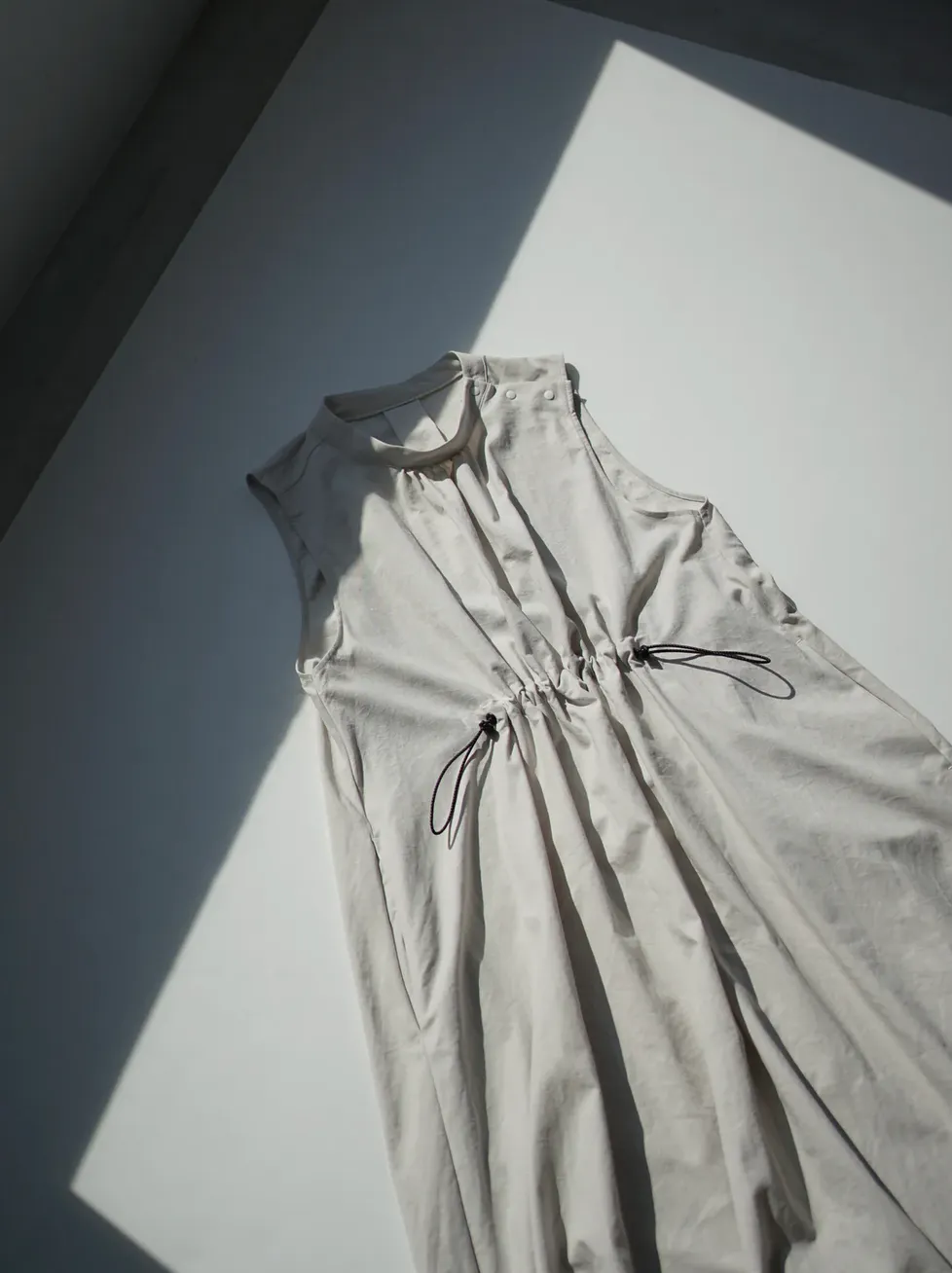
The Gathered Dress in nylon twill is pictured here in Mist Gray, but comes in a sufficient range of neutral colors to satisfy all but the most adventurous of minimalists. It features a pared-back sleeveless design and a simple stand-collar, focusing all attention on the innovative sportswear-inspired waist detail.
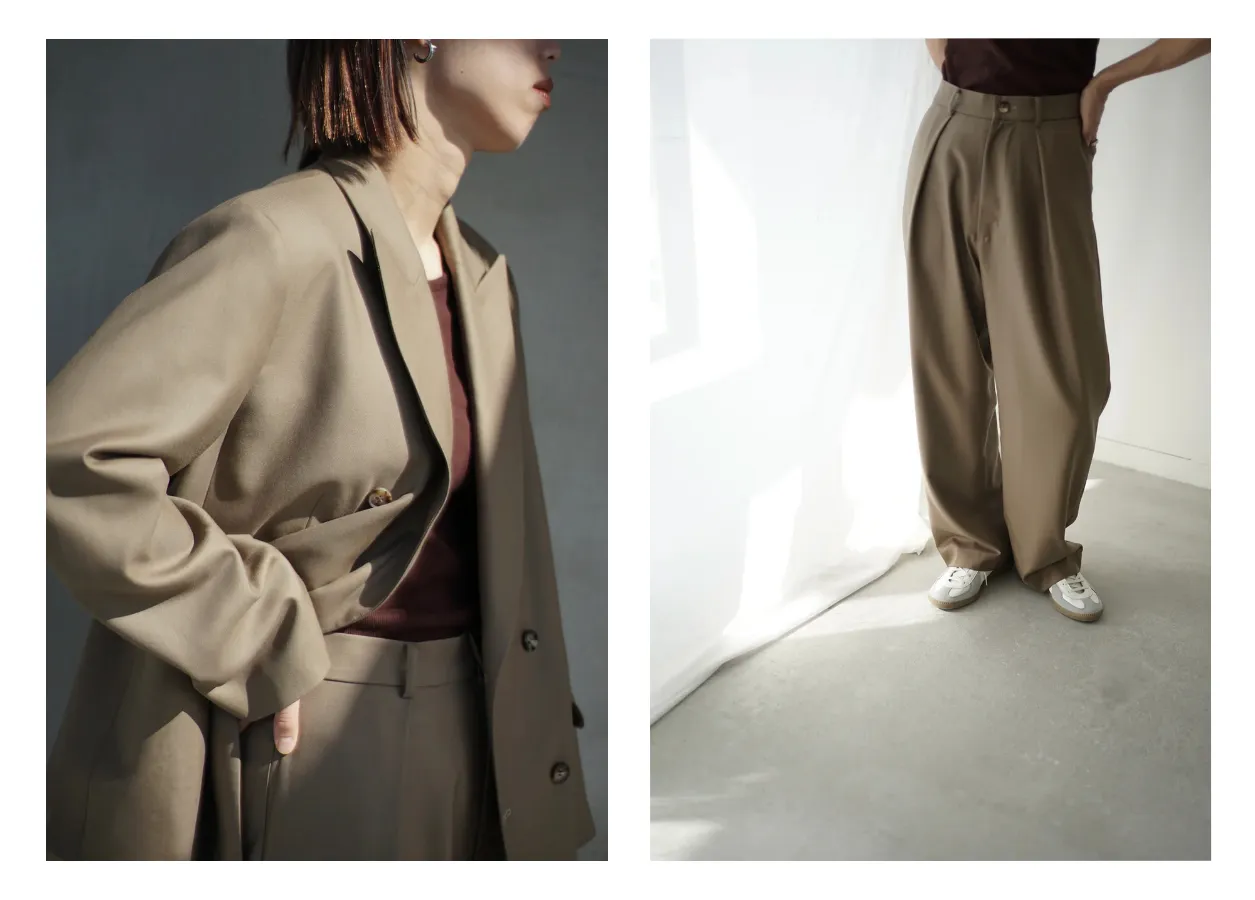
One of our favorite pieces from Itochi is this slinky suit in Super 120s wool. Comprising a double breasted jacket and a pair of loose single-pleat slacks, the whole ensemble was meticulously crafted in Japan.
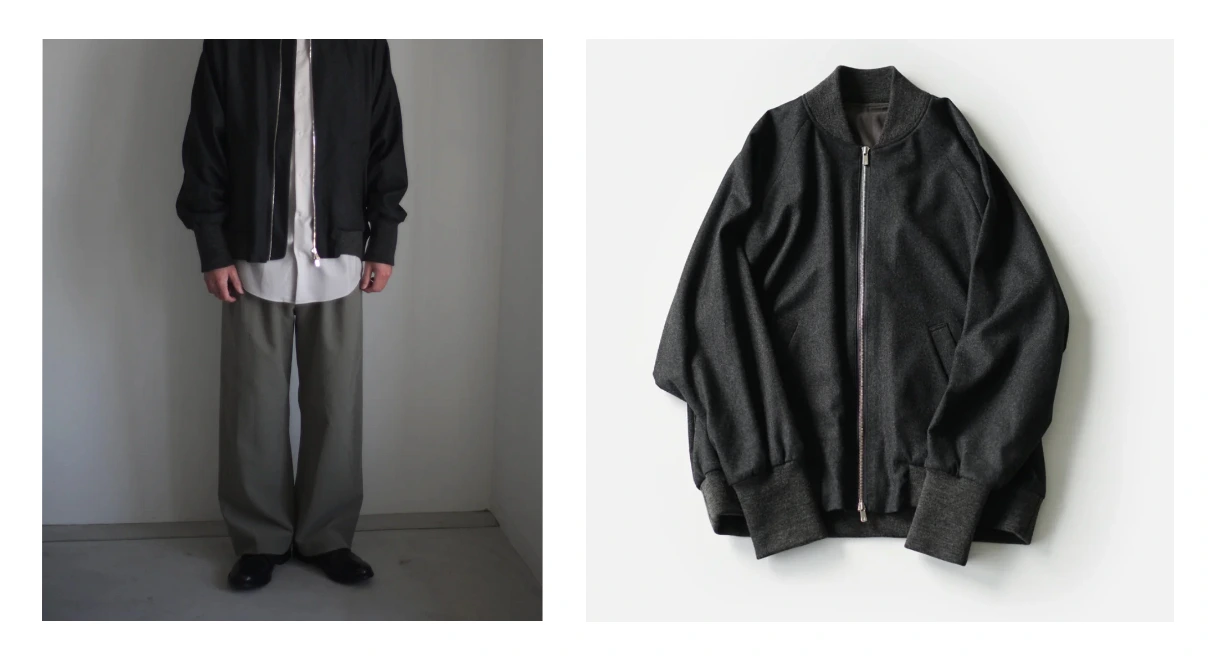
Unlike more maximalist designs, which tend to lock the wearer into a predetermined direction, minimalist garments can easily be dressed up, down, or pretty much anywhere else you might want to take them. Indeed, in the hands of a creative dresser, minimalist clothing can serve as the ultimate canvas for self expression. The Float Furano bomber in wool flannel is a prime example: pair it with slacks or a skirt for a dressy combo; or take it to the streets with the addition of sportswear or more militant styling.
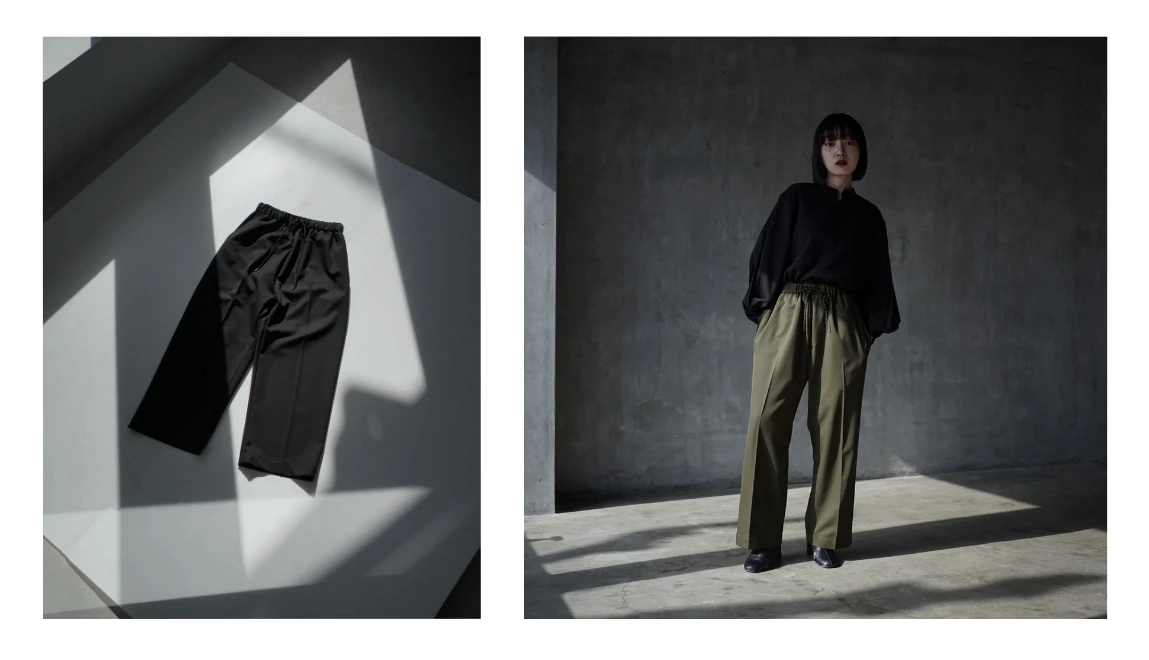
Cut in a densely woven wool fabric from a local mill, the Itochi Easy Pants drape beautifully. Available in olive and black.
View all Itochi items on ZenMarket
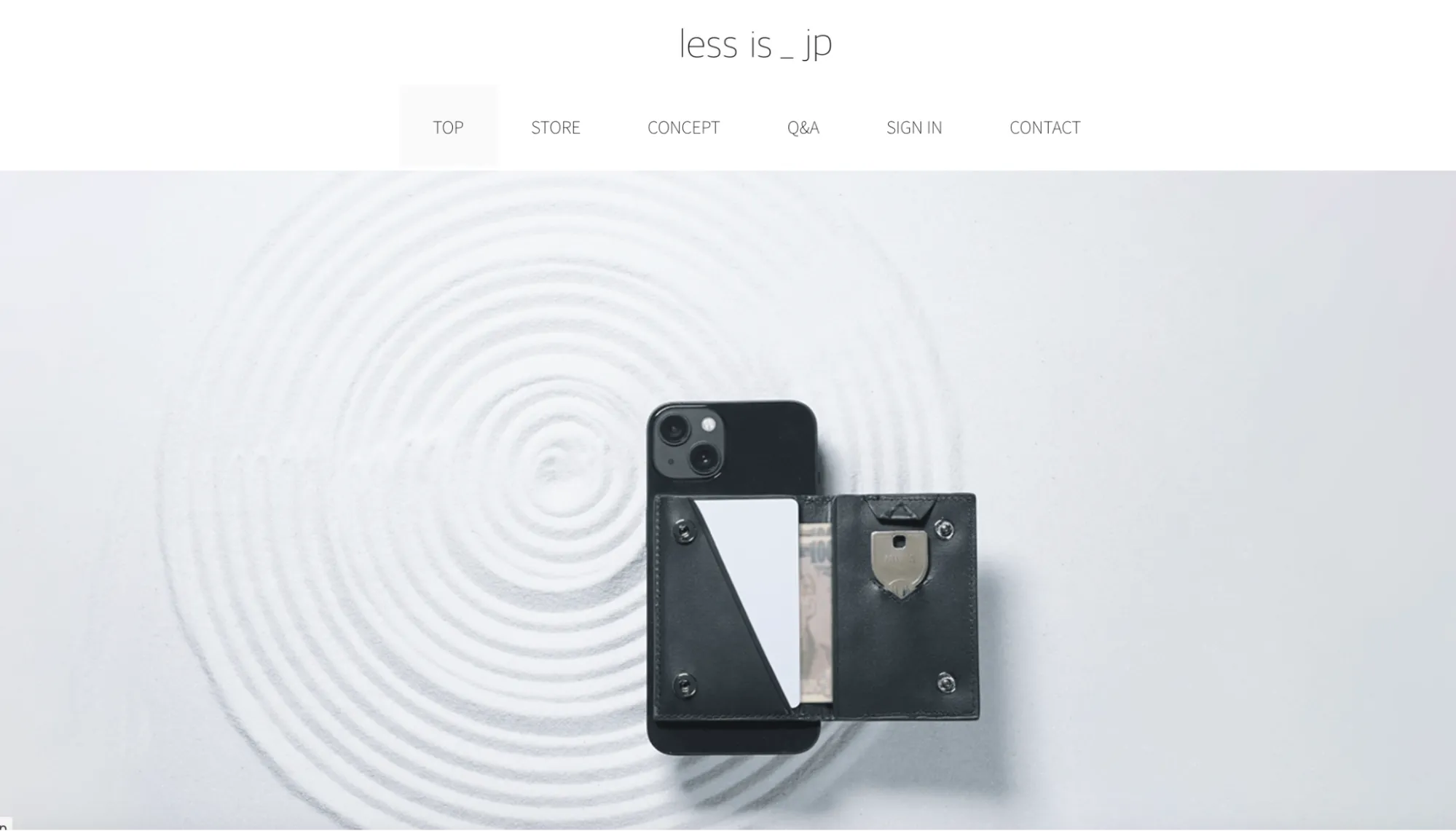
Less Is wear their minimalist credentials on their sleeves. Not only in name, but often quite literally; this is a brand dedicated to designing clean and discrete solutions for carrying – and often wearing – everyday technology and other modern essentials. Sometimes this takes the form of clothing with an array of hidden pockets. Other times it’s simple bags or wallets. All created with that combination of unfussy form and superior materials that is found in only the very best Japanese designers.
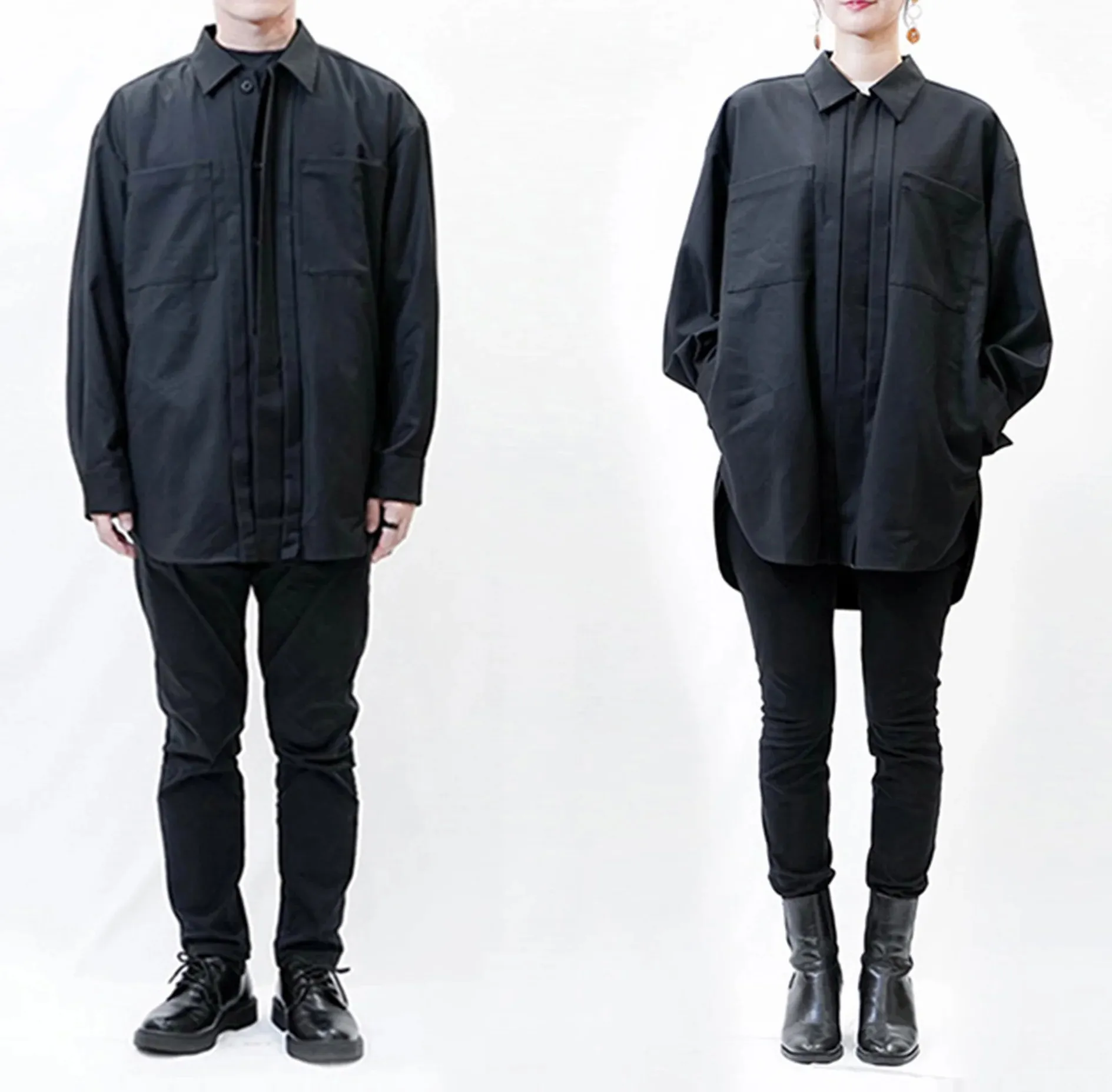
If you’ve ever wanted to wear your workspace, but consider most shoulder bag and backpack solutions clunky and unappealing from a design perspective, the Less Is Bagless Shirt may well be the answer.
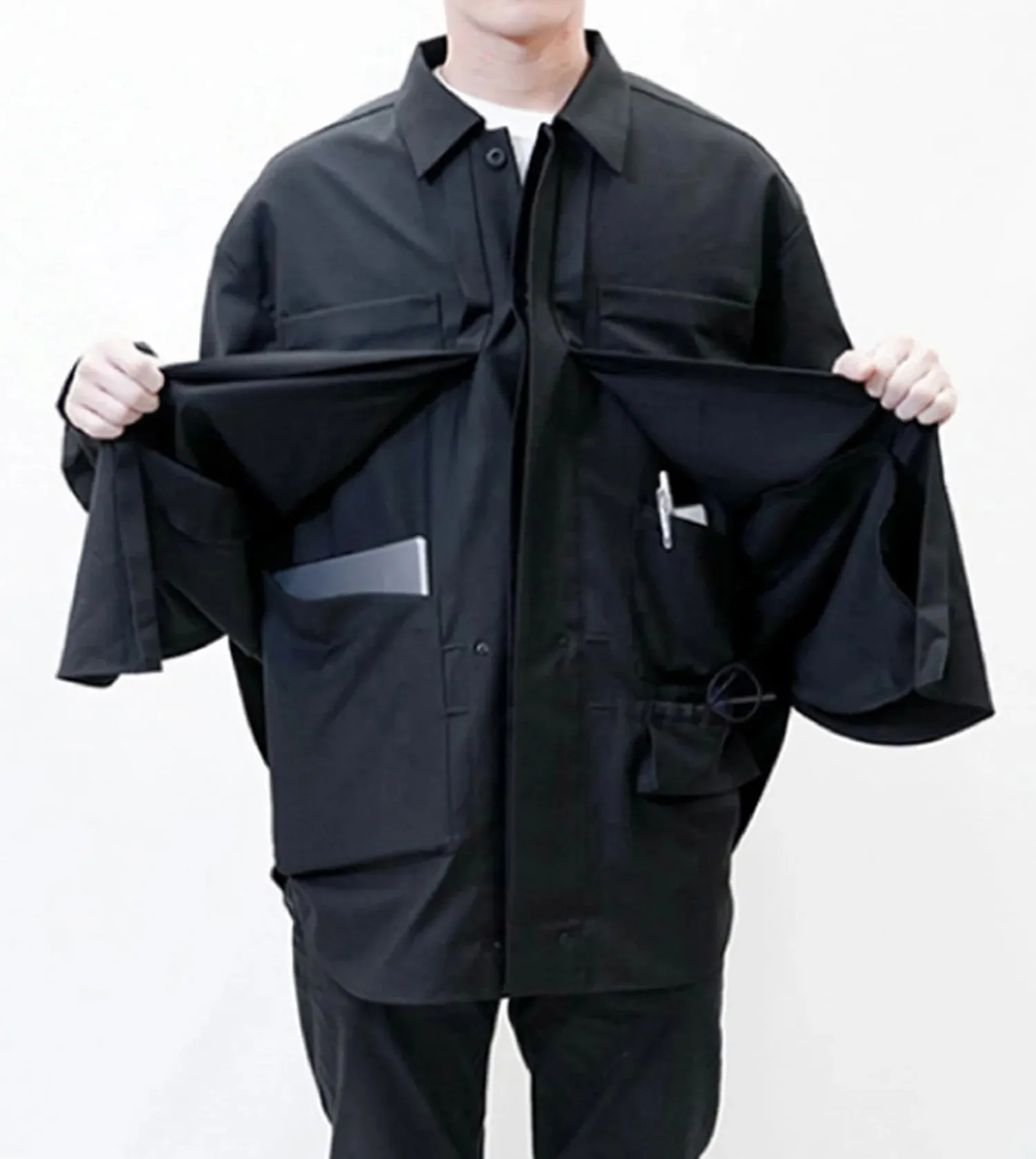
With room for a 14” laptop, tablet, smartphones, and featuring a full 10 multi-functional pockets, style-conscious digital nomads searching for a compact and carefree mobile-office solution need look no further.
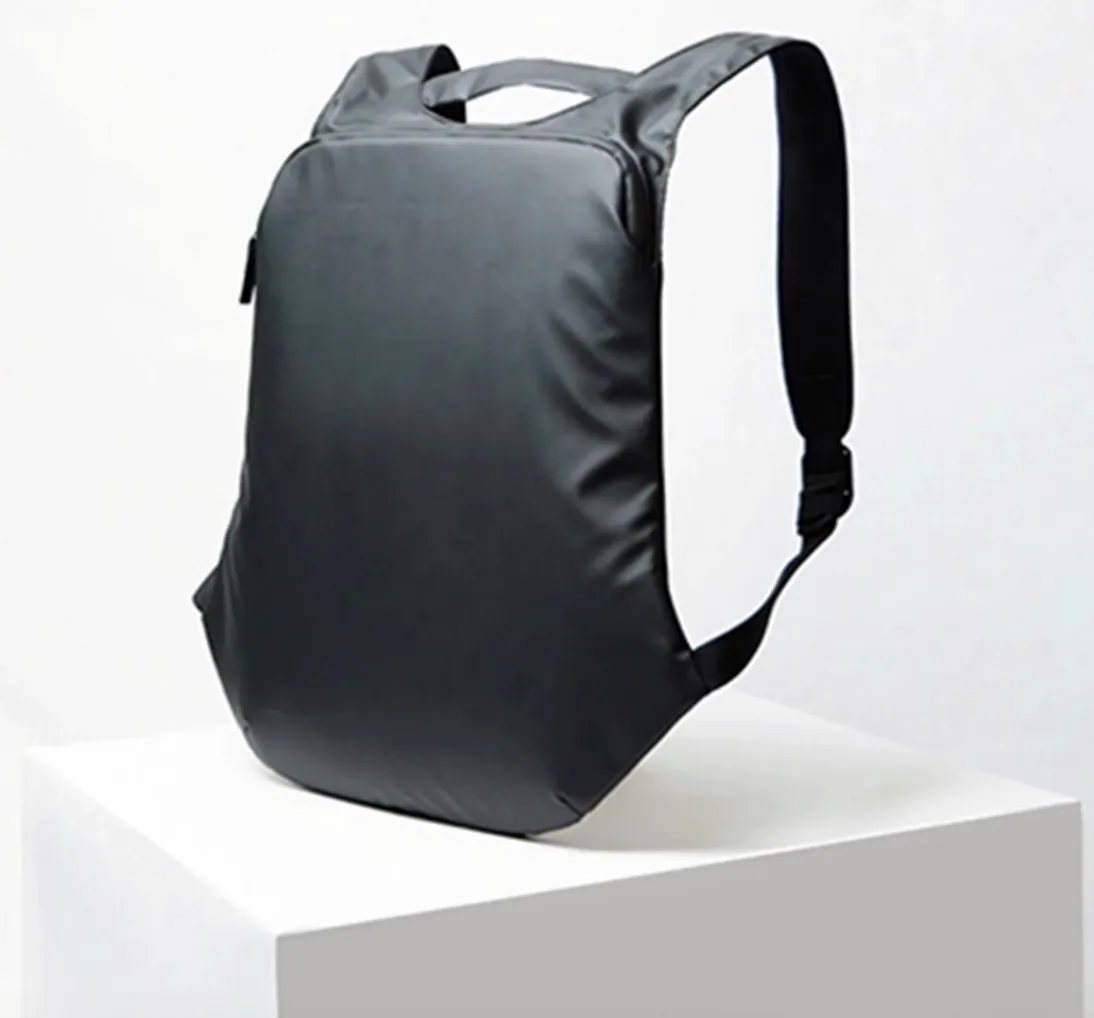
A slightly more traditional luggage proposition this time, but created with the same attention to detail, practicality, and sleekness of form. The Minimum Backpack takes accessory design to new levels of minimalist excellence. Super lightweight, and made in durable CORDURA fabric, this slimline solution will nonetheless house a 15” MacBook.
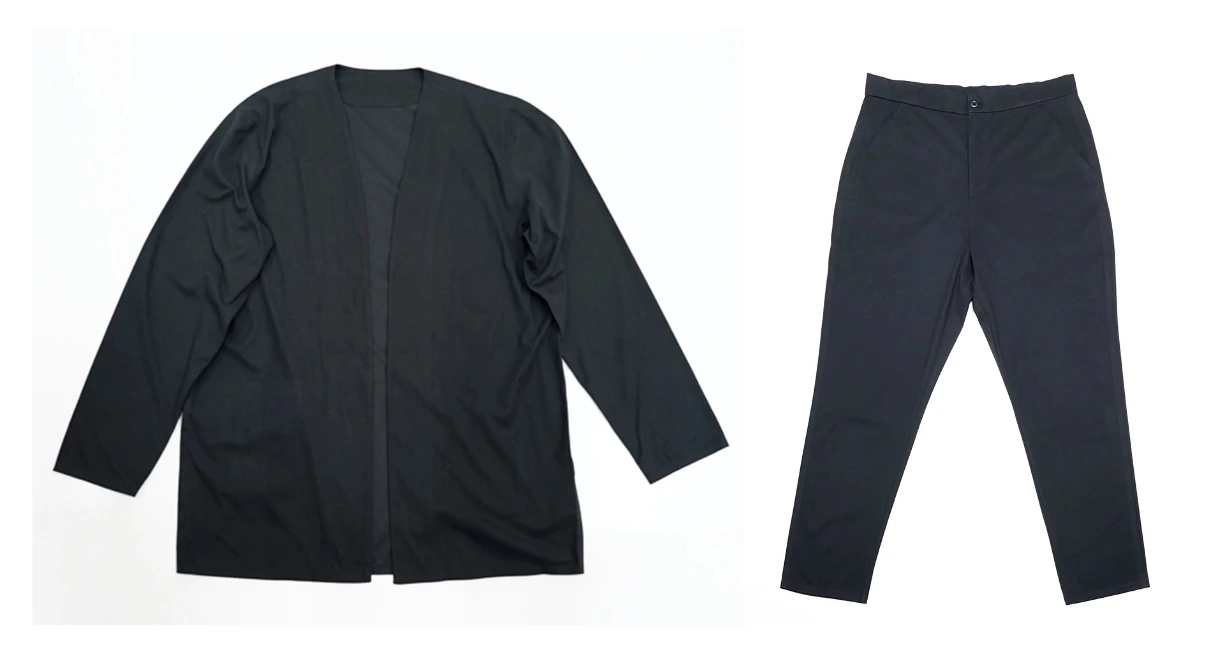
Less Is also offers a number of stylish minimalist fashion items that perfectly complement the Bagless Shirt and Minimum Backpack. Case in point: the cardigan and pants pictured here are designed to pack away wrinkle-free and as small as possible, making them the perfect business-travel outfit for fashion-forward minimalists.
Find minimalist items at Less is
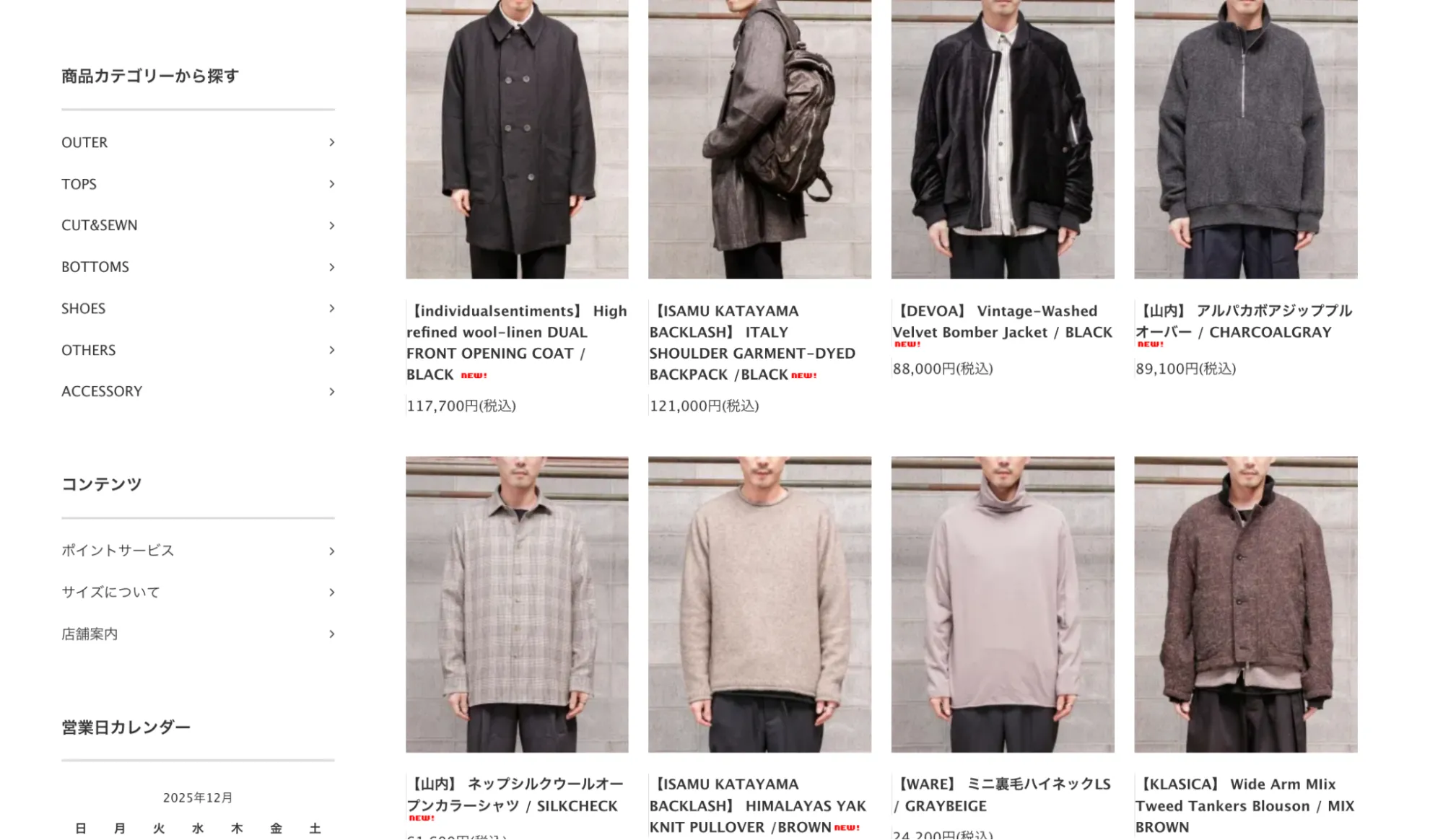
Vektor is a Kyoto-based “select shop” (A Japanglish term, effectively meaning a multi-brand boutique) carrying an exclusive range of edgy homegrown menswear brands – many of which epitomize the Japanese minimalist fashion design ethos.
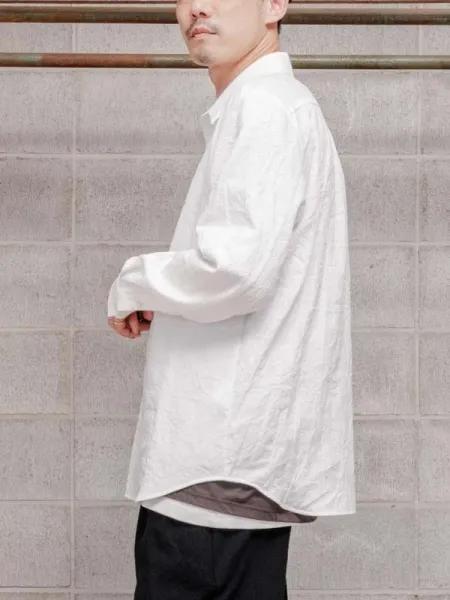
From the Yamauchi brand comes this salt-shrunk chambray shirt in pure ramie. A linen-like bast fiber related to the nettle family, ramie was once a very popular clothing material in East Asia, but is today rather difficult to find. Which is a real shame, as it’s got solid eco-credentials and is way stronger than cotton. It also imparts a paper-like crinkled texture to garments, which is certainly a big part of the attraction here; adding a notable degree of wabi-sabi appeal to the otherwise classic shirt design.
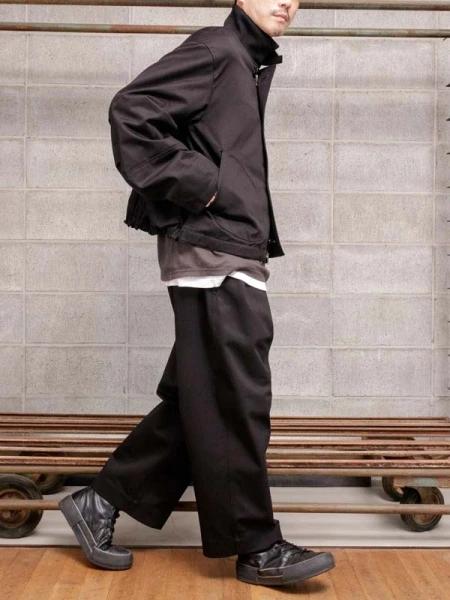
There are strong US Navy deck-jacket vibes to this oversized funnel-neck blouson from current “it brand” Klasica. Made from sturdy cotton canvas, with wool ribbing, it’s not only extremely stylish, but hardwearing and warm, too.
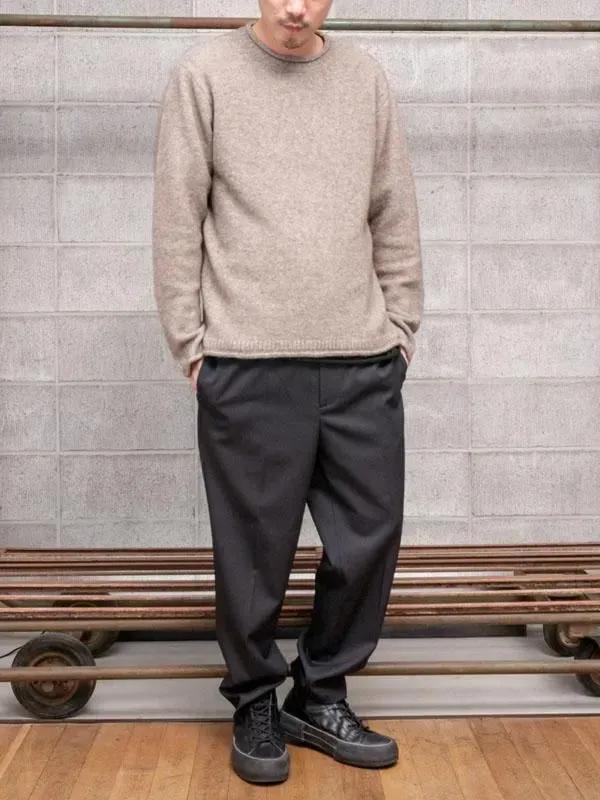
Let’s talk about yaks for a second. They are hairy, and live in the Himalayas at altitudes of over 3,000 meters. Needless to say, it gets pretty cold up there. But yaks don’t feel it, you see, due to all that ultra-insulating wool. Now you can wear their wool too, in the form of this clean-lined sweater from Japanese minimalist fashion brand Isamu Katayama Backlash. Simple, sumptuous, supremely warm, and super soft!
View Vektor items on ZenMarket
Conclusion
Ultimately, Japanese minimalist fashion stands out for its ability to transform simplicity into refined sophistication, fusing tradition with innovation. While there are relatively few overseas stockists of Japan’s minimalist-style designers, you can now get your hands on items from Itochi, Less Is, and Vektor via ZenMarket. Simply sign up for your free account, and we’ll take care of the rest!
Don't have a ZenMarket account yet?
Sign up