Why settle for low-quality cookie-cutter fashion when some of history's finest textiles are within easy reach? The growing trend for upcycled kimonos isn't just about transforming exquisite Japanese fabrics into contemporary pieces, though. It’s a movement rooted in quality, sustainability, and unmatched style.
From heirloom-worthy silks to bold, graphic prints, vintage kimono fabrics offer endless possibilities to refresh your wardrobe while honoring centuries of fine Japanese craftsmanship.
Ready to give fast fashion the slip? In this guide we discover why upcycled kimonos are the ultimate creative and ethical fashion choice.
The Benefits of Upcycled Kimonos: Quality and Sustainability
Quality
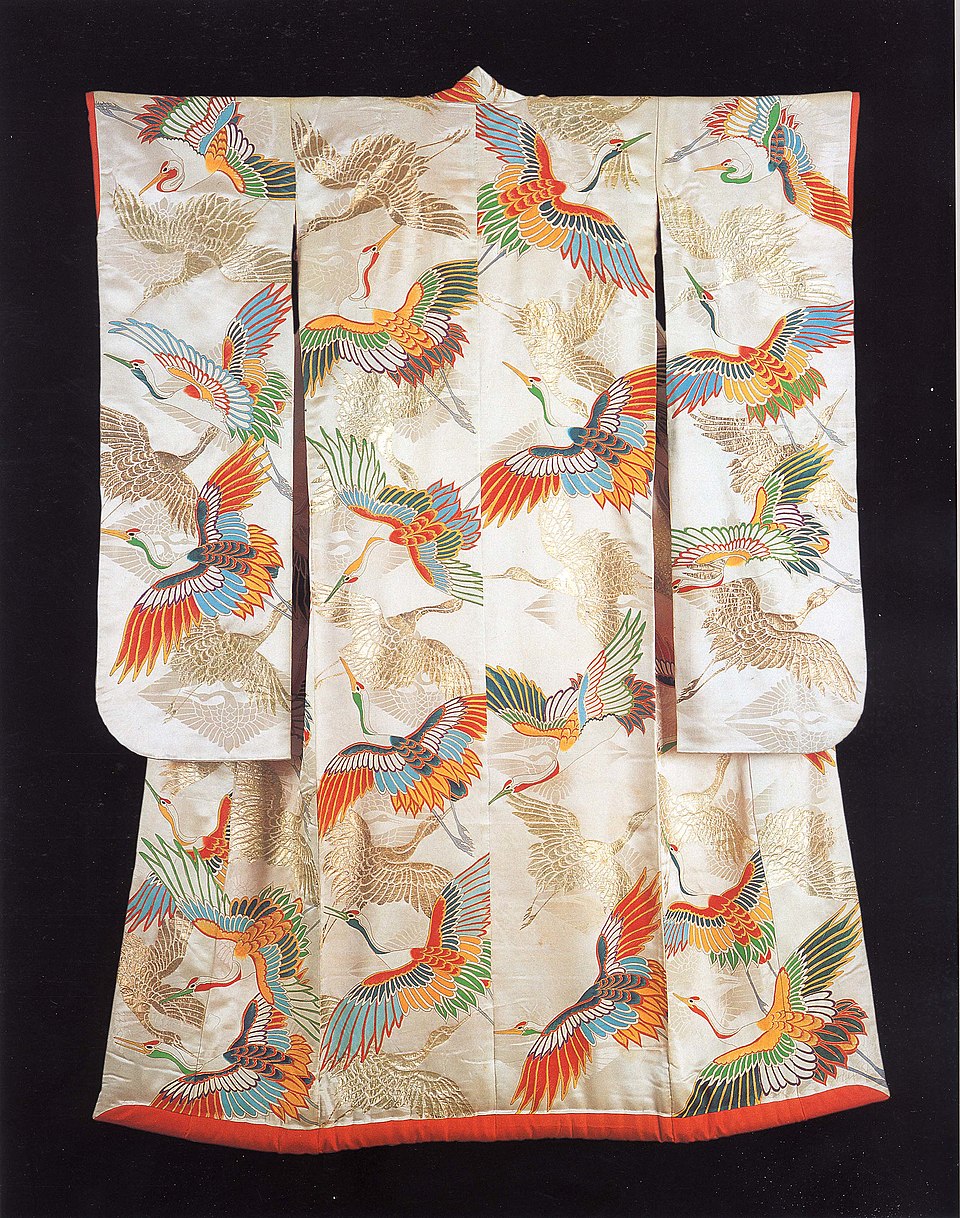 Image credit
Japan boasts one of the most exceptional textile-making traditions in the world. Whether it’s finely woven silk, painstakingly thread-dyed kasuri cotton ikat, or more rustic peasant fabrics in ramie or hemp, vintage and antique Japanese textiles are highly sought after by collectors across the globe.
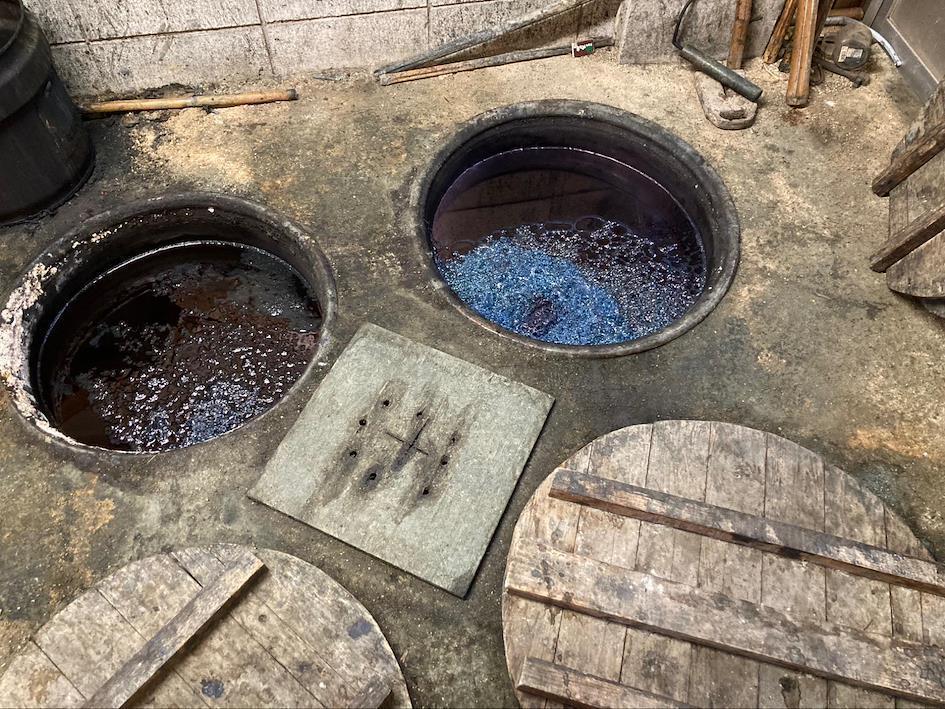
Natural fermented indigo dye vats in Fukuoka Prefecture, Kyushu.
However, while it’s still possible to find magnificent handwoven and naturally dyed cloth being made in Japan today – if you know where to look – the reality is that the Japanese textile industry largely shifted to industrial methods about 100 years ago.
Let’s be clear though; in Japan industrial doesn’t necessarily mean poor quality. Far from it; in fact many excellent textiles are produced in Japan on a large scale even now. Although the finest ones are typically still made on vintage mechanical looms dating back to the middle of the last century.
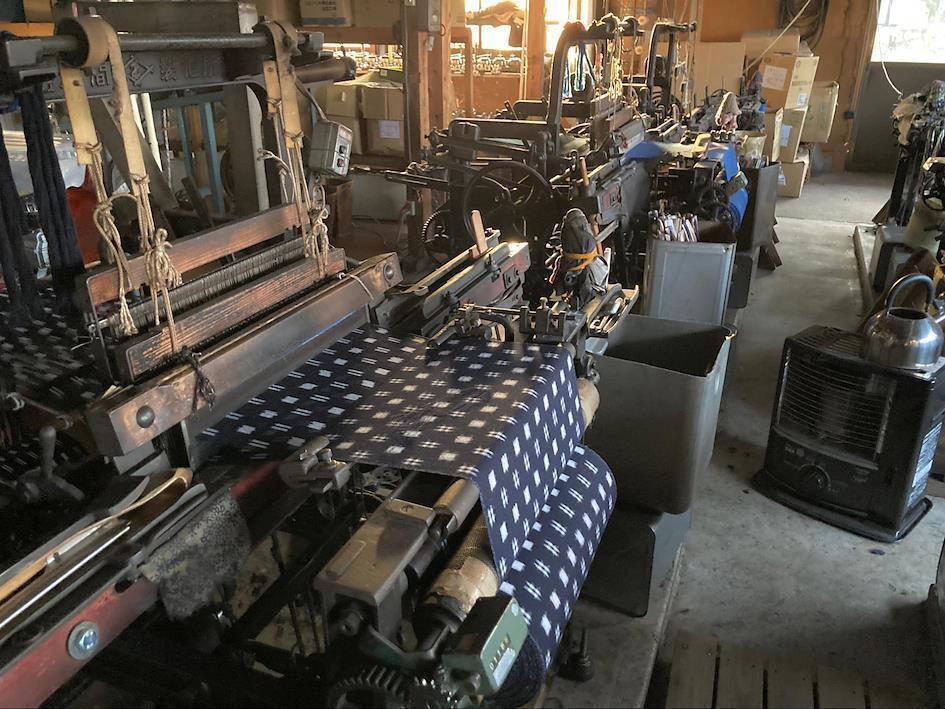
Vintage looms for weaving Kurume Kasuri.
Nonetheless, it’s widely considered that Japanese industrial manufacturing in general reached its peak sometime around the 1970s and ‘80s. As in most industrialized nations, however, the trend since then has been to cut corners and send production offshore in a bid to reduce costs.
This means that, on average, antique and vintage kimono fabrics are likely to be higher quality than those made today.
Practicality and Style
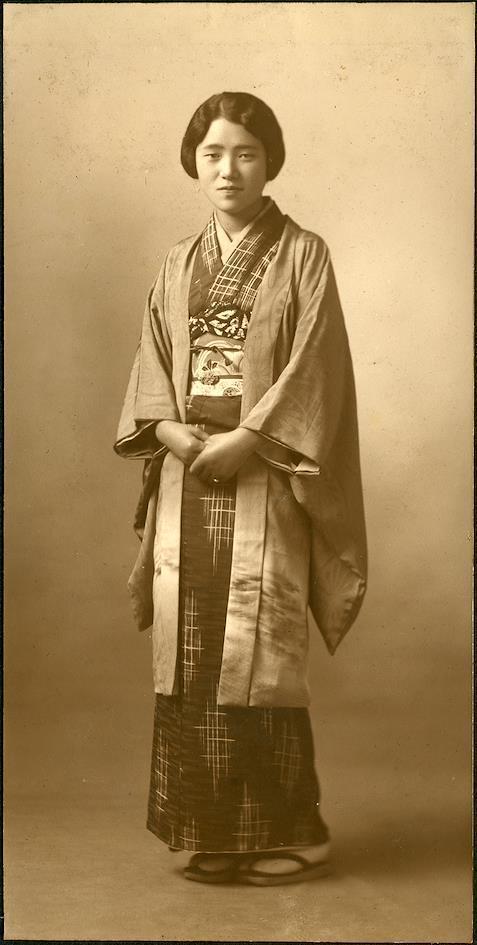 Image Credit
The patterns on vintage kimono fabrics are highly diverse, ranging from very traditional and delicate floral motifs, to bold, graphic, fun (and occasionally even quite terrifying) designs that look like they were ripped from the pages of a contemporary manga - despite perhaps being 100 years old! And the sheer variety of repurposed and deadstock kimono fabrics available means that there’s something for everyone; even the fussiest of fashionistas will likely find tons of vintage kimono fabrics that fit their personal taste.
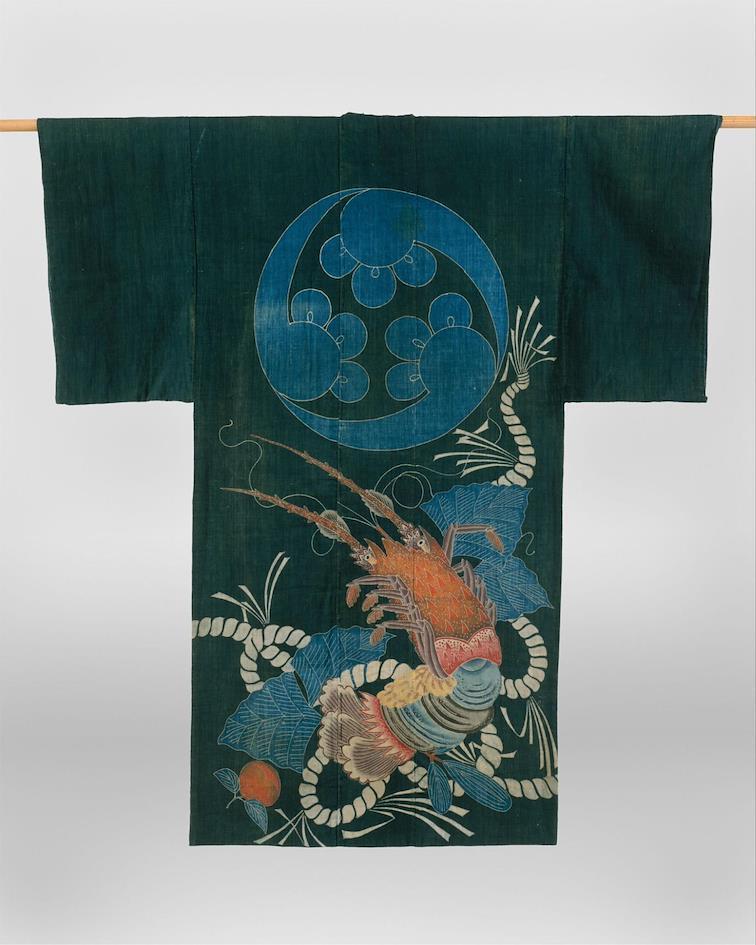 Image Credit
However, although most people agree that kimonos are incredibly beautiful and elegant, the fact is that not everyone will feel comfortable donning traditional Japanese clothing for everyday wear.
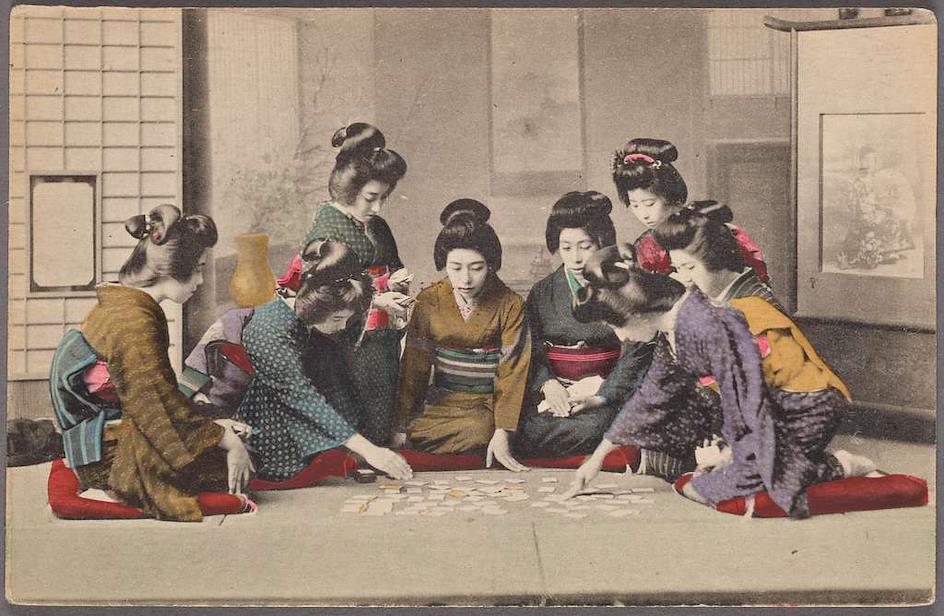 Image Credit
Aside from anything else, putting on a kimono in the traditional manner is actually quite a complicated and time-consuming process. And if it’s done properly, it requires a whole bunch of extra undergarments and accessories. What’s more, beginners will probably require help from another person when getting dressed in a kimono; not ideal when you’re rushing to make it out the door first thing on a Monday morning.
It’s also worth keeping in mind that there are many different kinds of kimono, and unless you are a geisha, not all the designs are really practical for everyday wear. Just imagine trying to operate industrial machinery while wearing a furisode (振袖) and you can probably see what we mean.
On top of this, while most Japanese people are delighted to see foreigners wearing kimonos, perhaps not everyone will feel comfortable wearing the traditional costume of a culture that is not their own. For many others, though, it simply comes down to a question of taste; feeling that a kimonodoesn’t really fit their personal style, but nonetheless absolutely loving vintage kimono fabrics. Both are valid reasons for potentially not wanting to wear a kimono, but are decisions best left to each individual to decide for themselves.
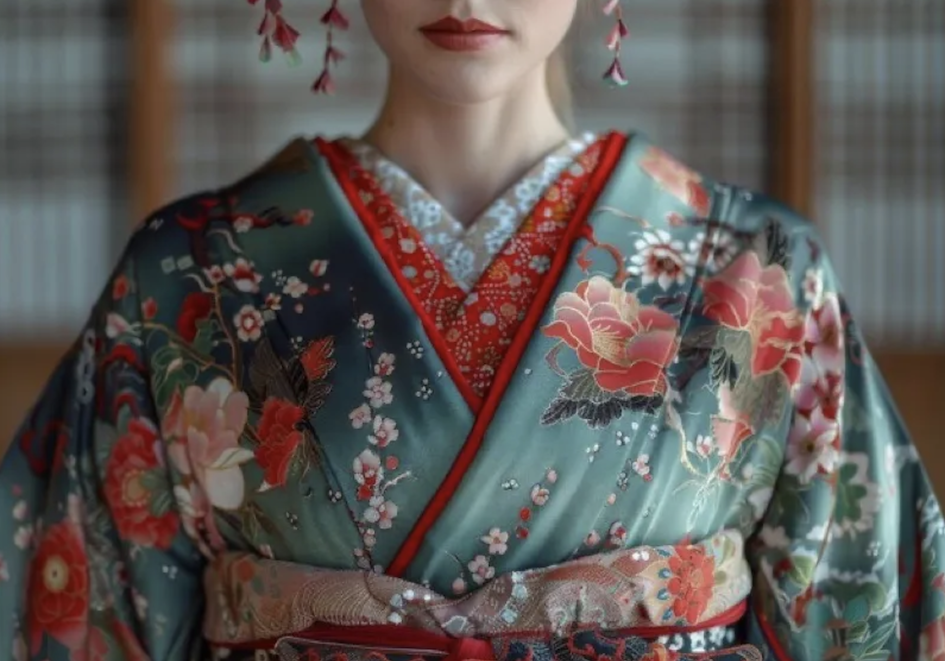 If you fall into any of these categories, then investing in upcycled kimonos – i.e. contemporary fashion pieces made from vintage kimono fabrics – is likely going to be the best solution for you. This way you get to enjoy all those fabulous vintage Japanese textiles, but repurposed into on-trend fashion designs that can easily be integrated into your daily looks - and without any of the potential drawbacks sometimes associated with wearing an actual kimono.
Sustainability
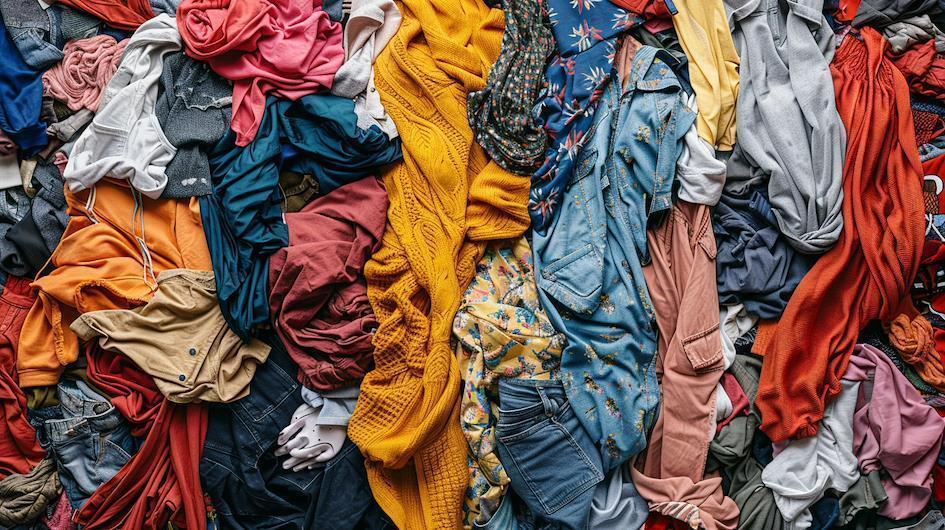 Image Credit
It’s an often-repeated factoid that the fashion industry is one of the most environmentally and socially damaging in the world. Most of us are aware of the problems caused by fast-fashion sweatshops producing cheap and low quality items that end up as landfill after being worn only a handful of times. However, it’s not just making the clothes themselves that’s so damaging, but also producing the textiles used to make those clothes.
This is another strong argument in favor of purchasing upcycled kimonos over clothing made out of new fabric. With so many unique, high-quality, and beautifully-designed fabrics already in existence - and often just gathering dust in closets - it surely doesn’t make much sense to keep producing more. Especially as these new fabrics will likely be inferior to those made many decades ago.
Upcycling vintage kimono fabrics is an excellent way of clothing yourself without any compromise in style - while also avoiding pretty much all the environmental and societal damage associated with the production of contemporary fashion items. That’s a fashion flex that feels as good as it looks!
Modern Style Ideas for Repurposed Kimono Fabric
This is all very well, but exactly what kind of contemporary fashion items can be made from vintage kimono fabrics?
The short answer is almost anything! Indeed, when it comes to upcycled kimonos, the only real limit is the designer’s imagination. But to give you some ideas, in this section we’ve chosen a variety of contemporary fashion designs from a couple of our favorite Japanese upcycled kimono fashion stores, Kimono Story and Miki Lirry – most of them made from repurposed kimono fabric!
-
Dresses, Tops, and Blouses
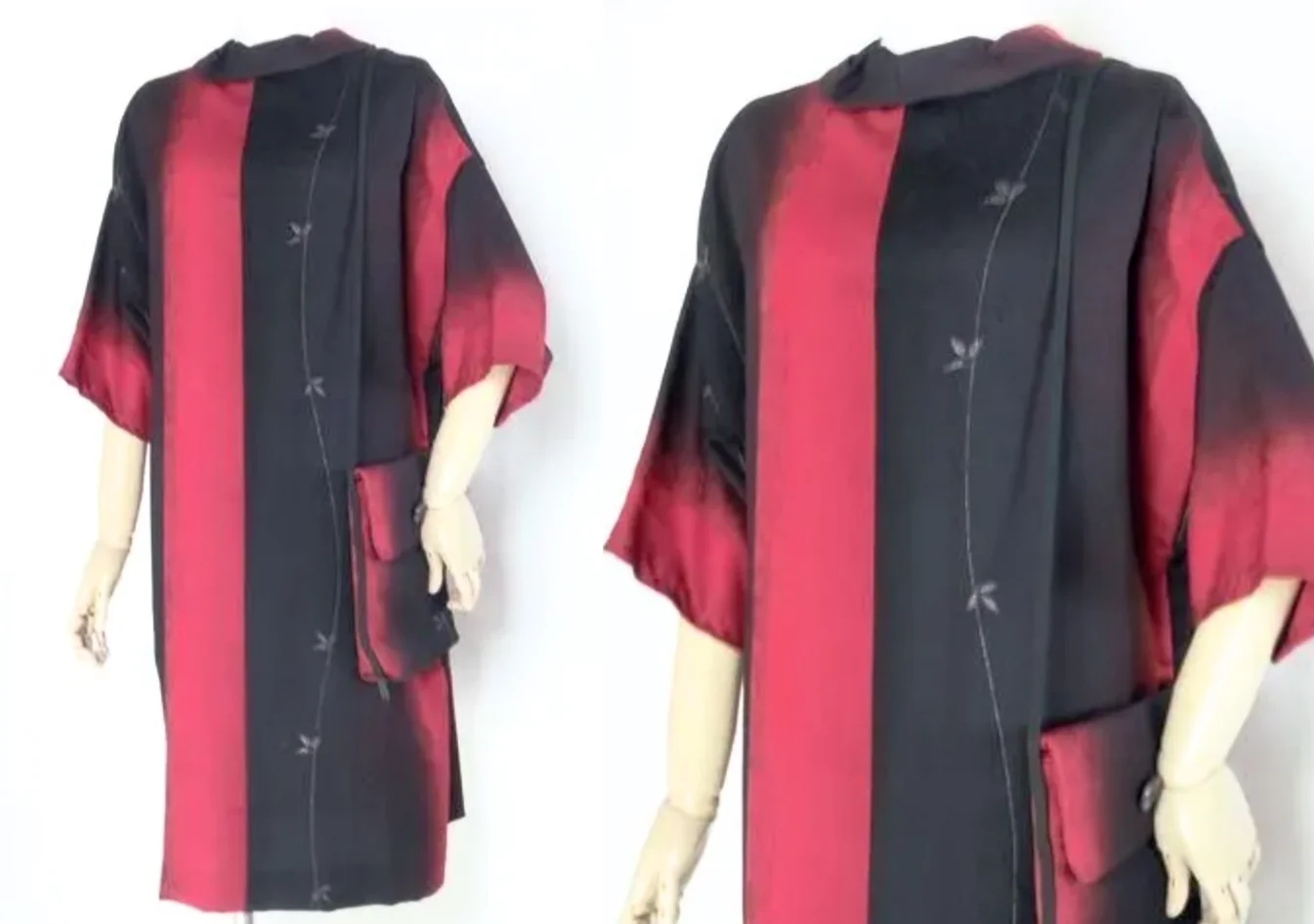
Crafted from a vintage haori in 100% silk, and offering both a contemporary silhouette and casual half-length sleeves, this botanical-print tunic dress from Miki Lirry is a highly versatile upcycled kimono statement piece. Combined with some classy accessories and heels, it will make for a very chic bit of evening-wear. Alternatively, pair it with sandals or sneakers for a much more laid-back vibe.
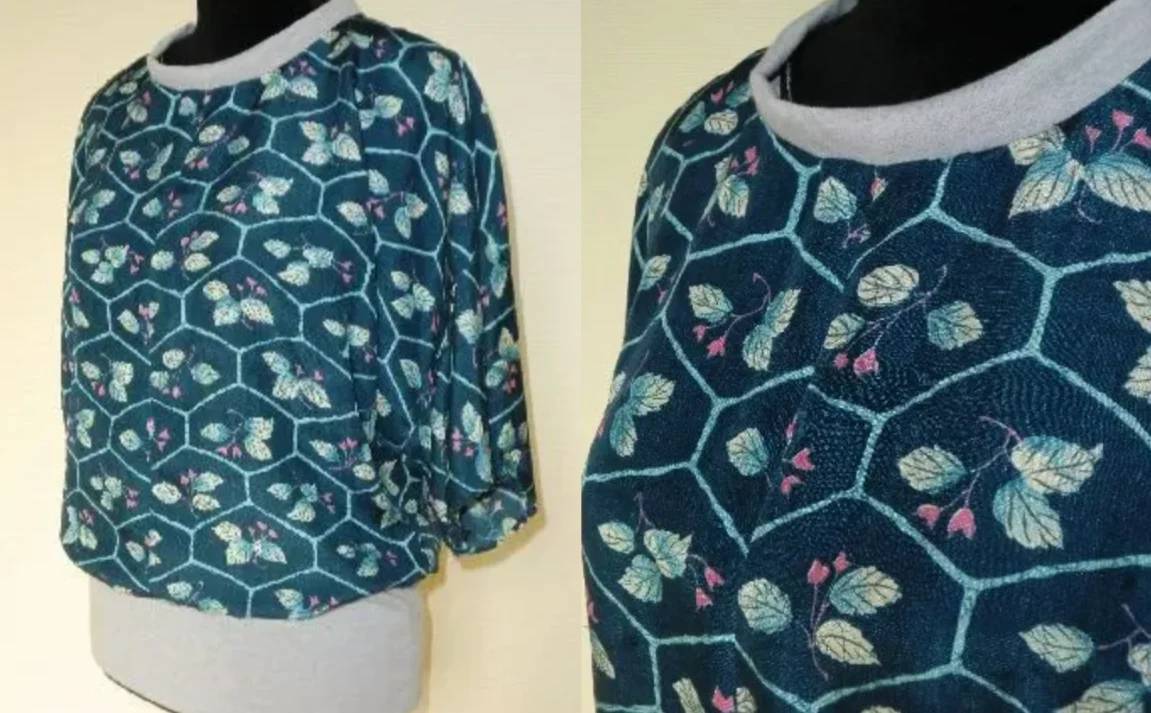
Here’s another vintage haori that has been successfully reworked into a much more modern, sporty, and offbeat look with the addition of some sharp contrast ribbing at the neck and sleeves. The resulting leaf-motif silk upcycled kimono top would combine equally well with a skirt and stockings as it would with low-slung canvas work pants and a pair of Converse or Vans.
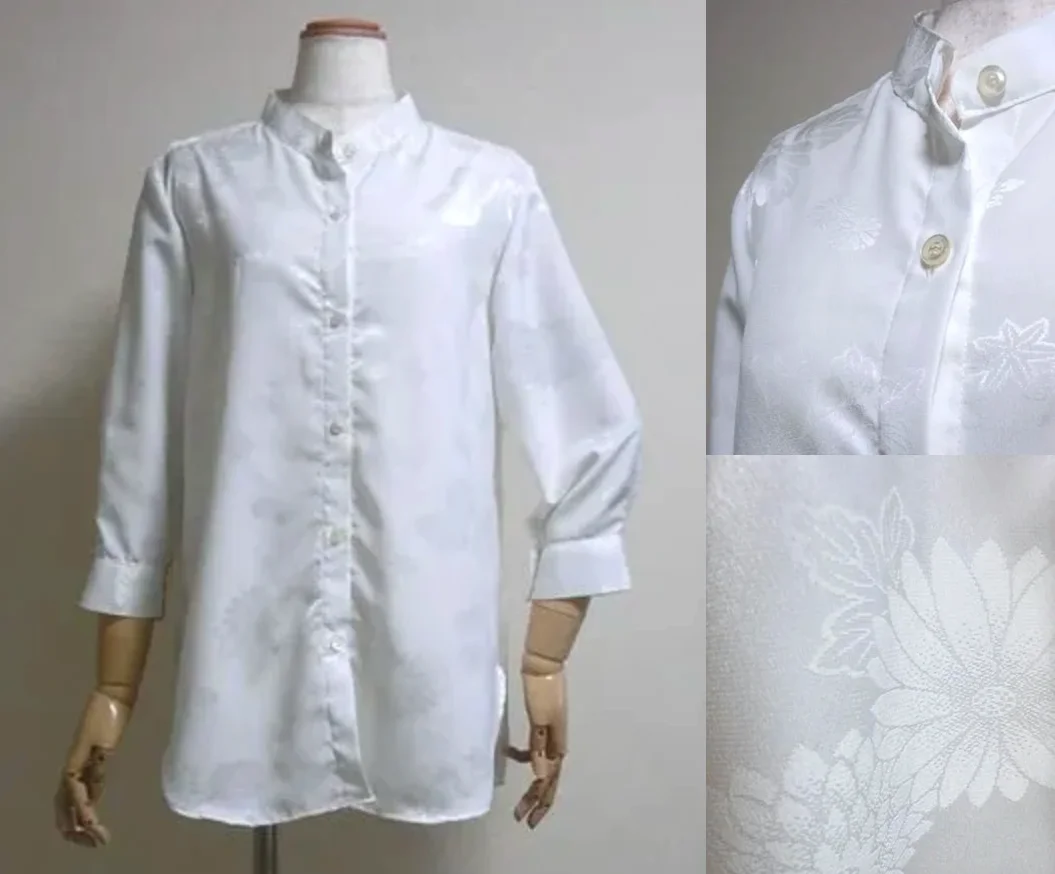
Not all vintage kimono fabrics are bold. And nor do all upcycled kimonos need to be extrovert. As case in point, this delicate stand-collar blouse features an elegant and subtle flower design in tone-on-tone white. Made from a vintage kimono undergarment in pure silk, the blouse features a classic button-down placket, cuffed half-length sleeves, and gentle gathering at the yoke for greater mobility. Variations on this design can be made to order in the same fabric.
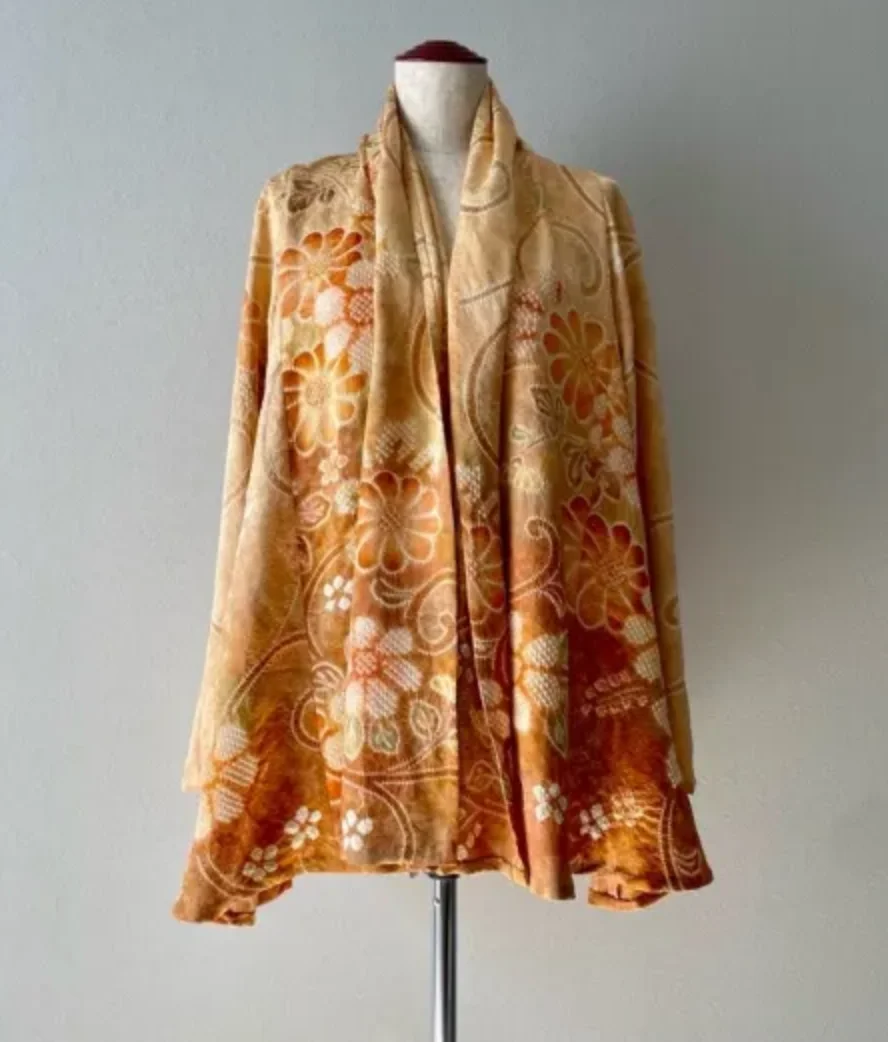
A retro flower motif adorns the vintage kimono fabric used to make this soft, slinky jacket from Kimono Story. With its elegant minimalist design and opulent shimmer, it’s a number that’s clearly best suited to leisurely evenings spent entertaining.
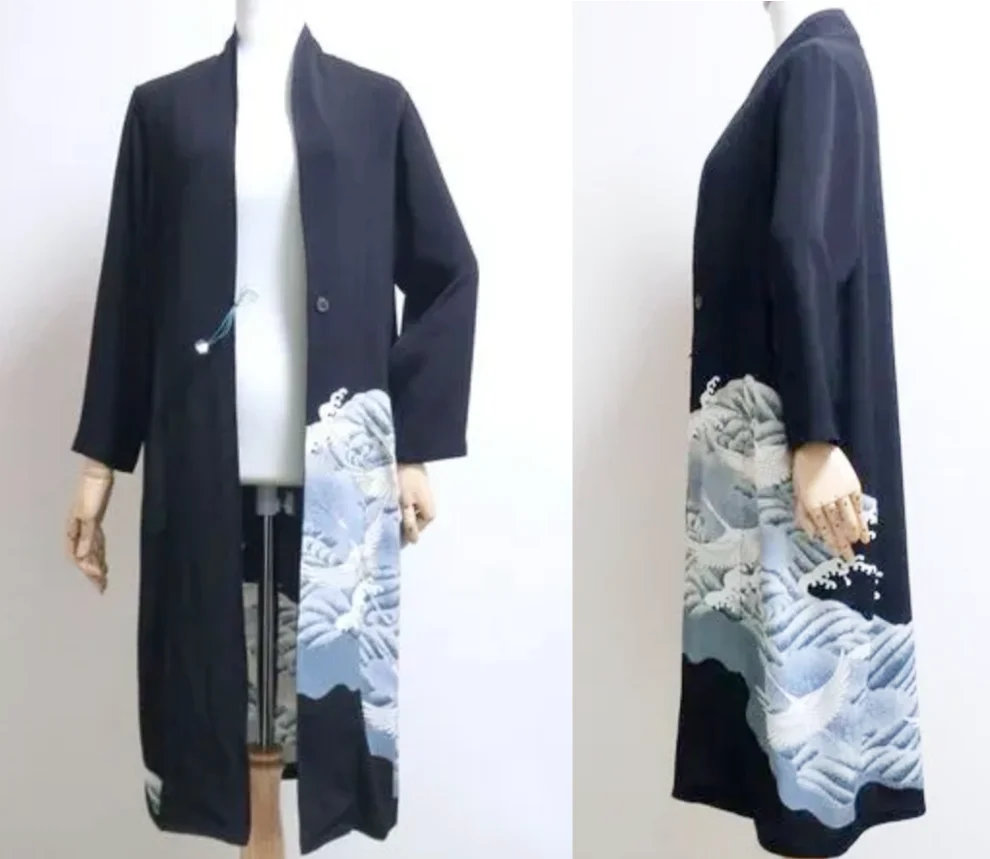
For this upcycled kimono, Miki Lirry took an elegant and lightweight vintage kimono fabric, featuring a classic crane and wave pattern, and turned it into an ultra-chic bit of contemporary outerwear. This is another super-adaptable garment that could work just as well as classy evening-wear as it would in an edgy streetwear fit. It all depends on how you style it.
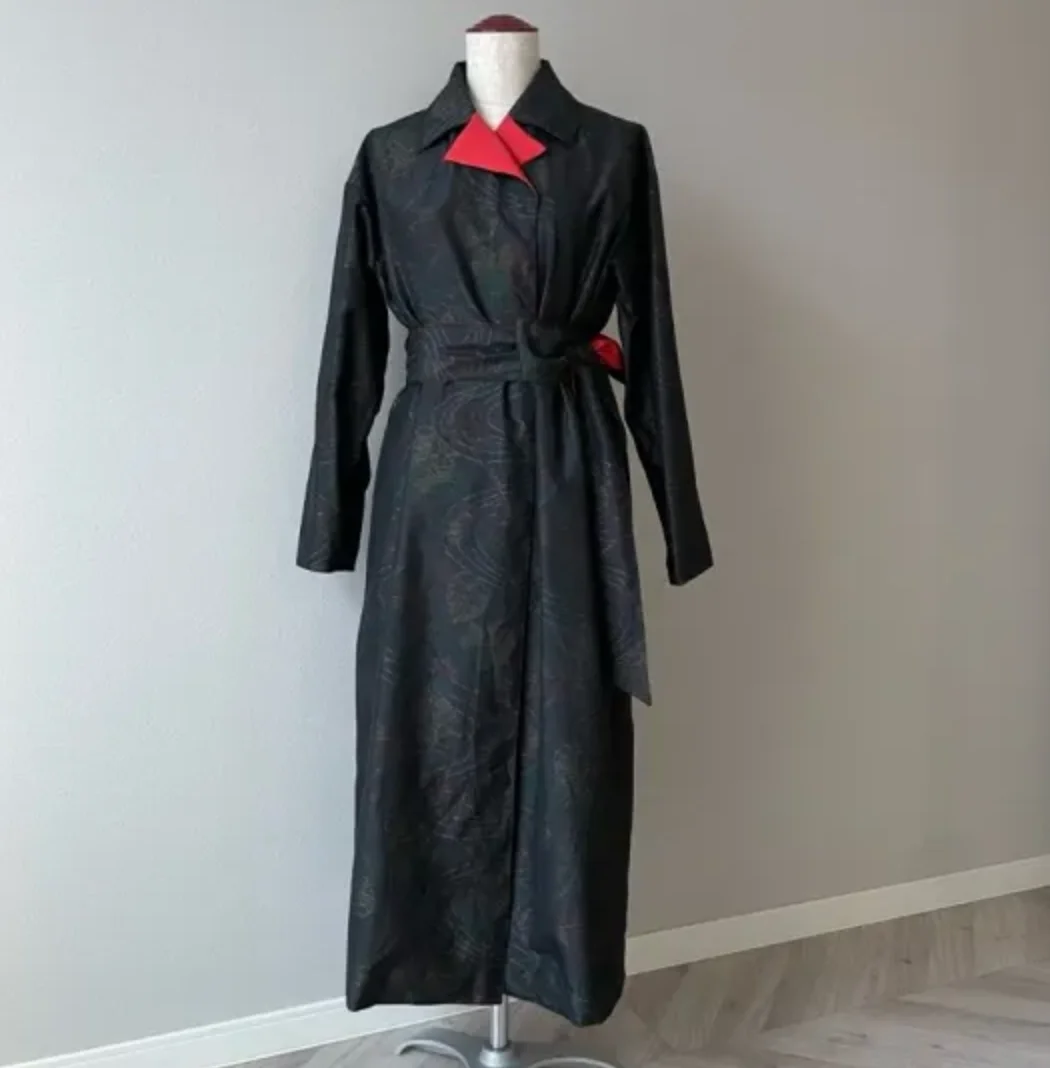
Lightweight and luxurious, this upcycled kimono coat-dress offers the smooth yet slubby allure of pure pongee silk. Featuring an understated floral pattern with the deep black sheen of crow’s feathers, the design is neatly offset at the collar with a flash of fiery red facing. Classy!
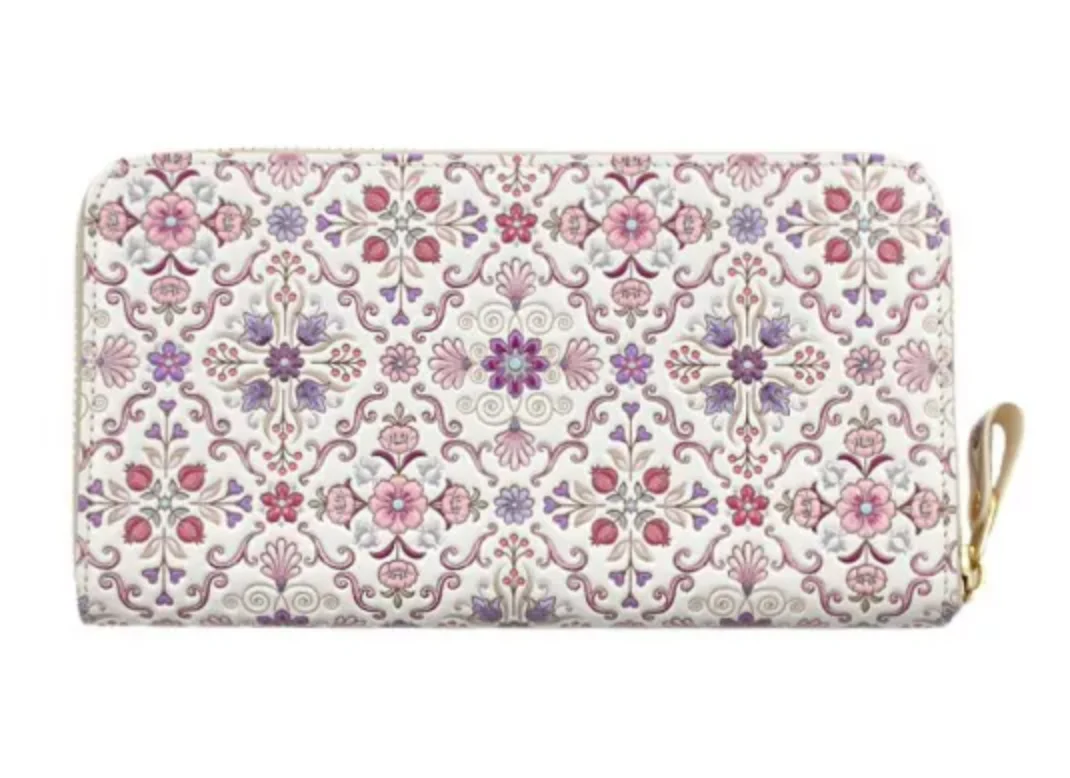 As sophisticated and luxurious as any brand-name designer purse, but exclusively handmade to order, the Asakusa Bunko wallet from Kimono Story is sure to be a conversation starter. While not actually an upcycled kimono, Asakusa Bunko started life as a kimono maker, and this leather wallet builds upon the brand’s kimono-making expertise. From its discrete exterior form, featuring a pleasing floral motif, to its functional fan-shaped interior, it’s a piece that epitomizes the excellence of Japanese craftsmanship.
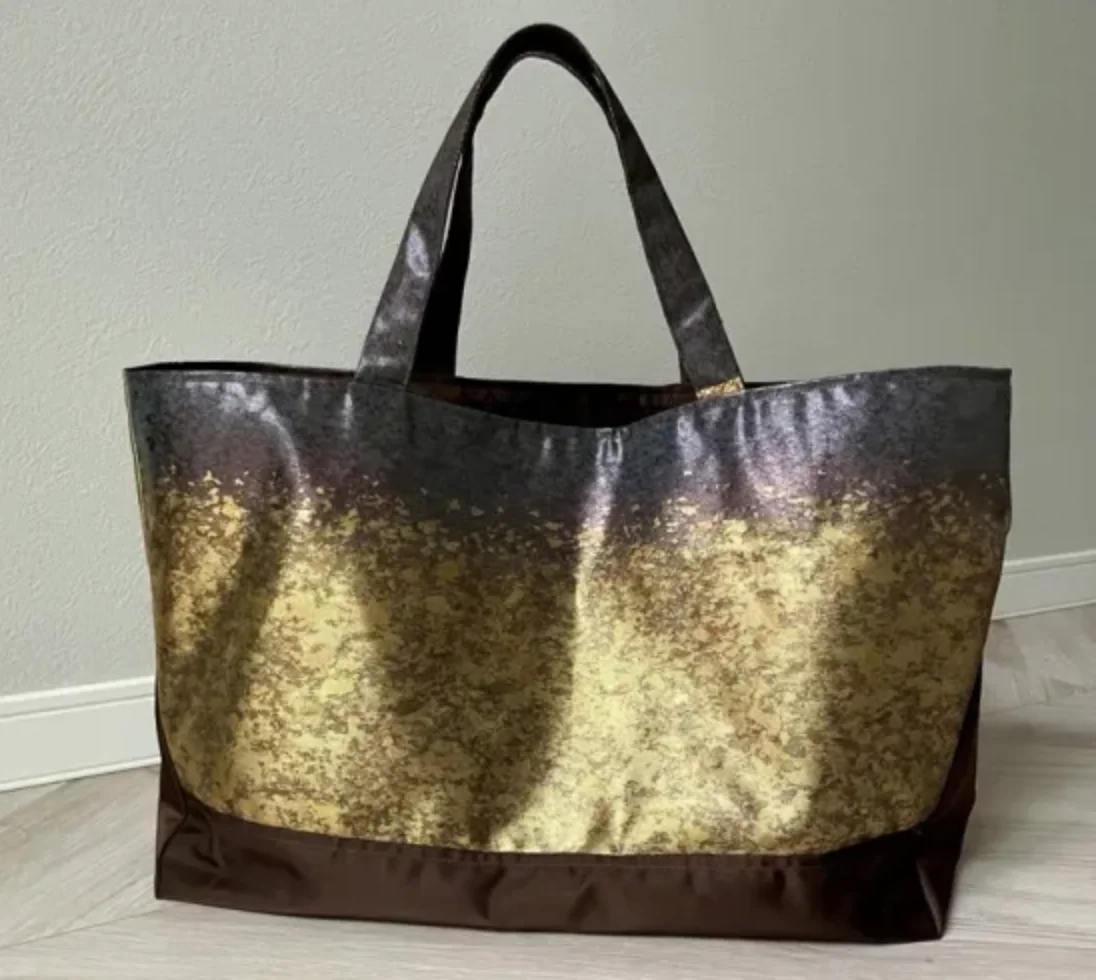
Technically, this elegant shoulder bag isn’t made from upcycled kimono fabric either, but from a vintage obi; the sash or belt traditionally worn around a kimono. Nonetheless, both the rich metallic-toned exterior and the luxurious lining are made from 100% silk. So whether you pair it with an outfit made entirely from upcycled kimonos, or something else entirely, this bag will add a very chic finishing touch to almost any look.
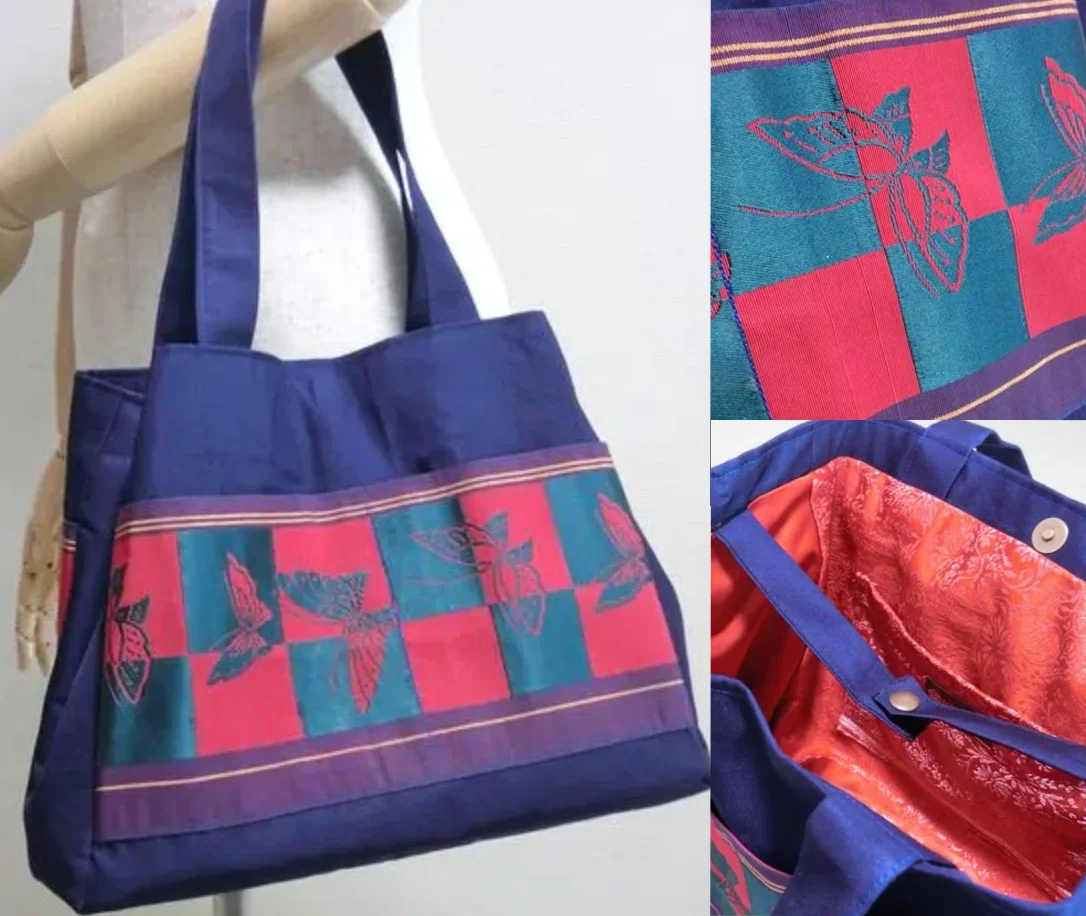
Boasting a lively and contemporary design, this delightful tote bag was crafted from three different vintage obi; a butterfly-themed Hakata-ori from Fukuoka for the central band, while both the main body fabric in blue and the red lining started life as silk obi from Nagoya.
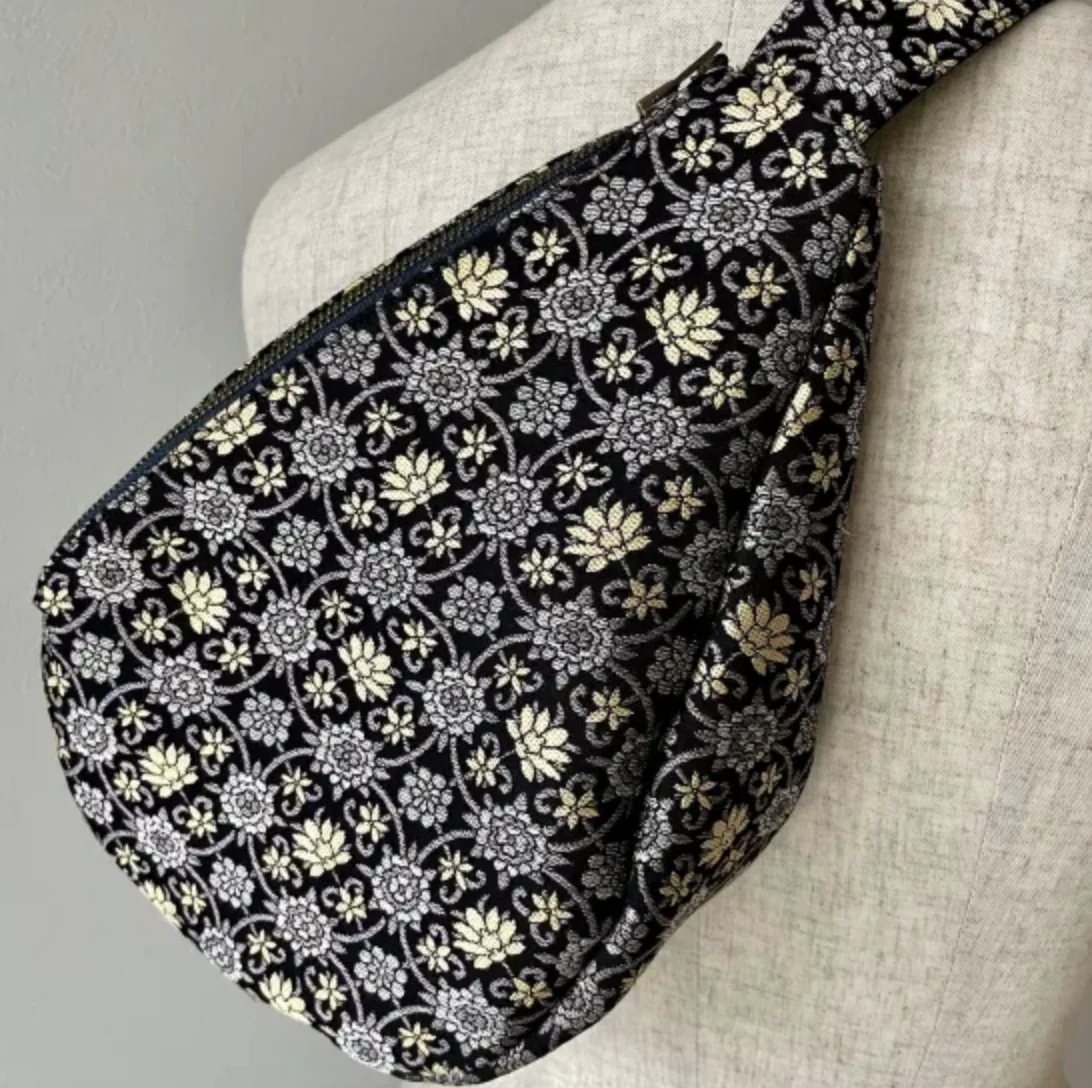
Also made from a repurposed silk obi, but offering a more urban vibe that will combine brilliantly with contemporary streetwear, is this stylish cross-body bag in pale yellow, midnight blue, and gray.
DIY Upcycled Kimonos
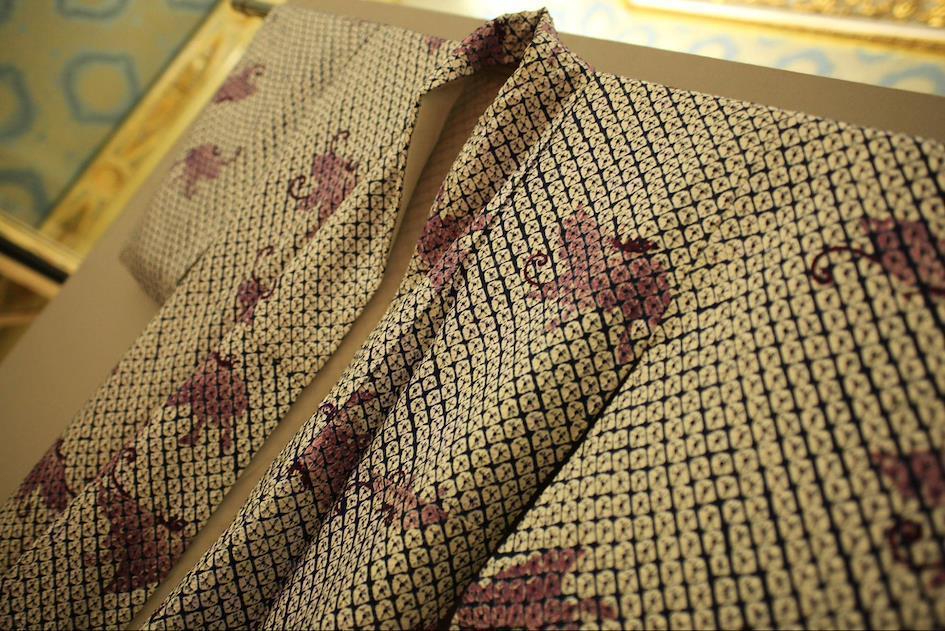
Image Credit
We hope you have found the above selection of upcycled kimonos inspiring. If you are a passionate sewer, you might want to try upcycling vintage kimonos into new garms yourself. But where to source good vintage kimono fabric?
Where To Find Vintage Kimono Fabric in Japan?
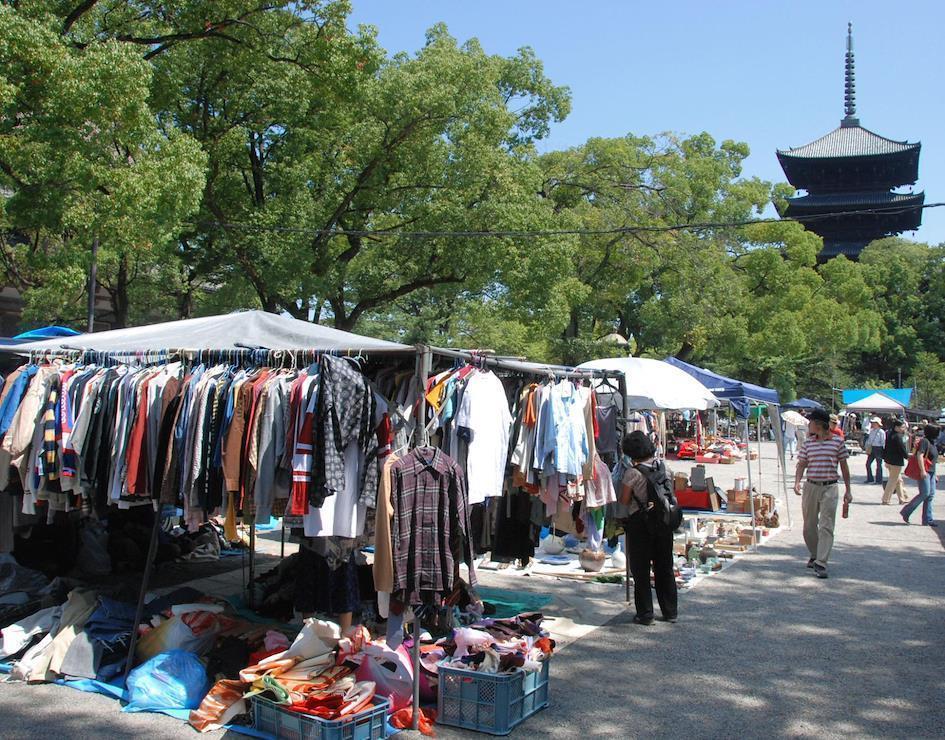 Image Credit
If you will be visiting Japan, vintage kimonos can often be bought relatively cheaply at Japanese flea markets - such as those held regularly in the grounds of temples and shrines in Tokyo, Kyoto, Osaka and other major cities. Alternatively, the local refuse departments of many municipalities in Japan have their own “recycling” centers; effectively thrift stores where good quality items that were either thrown away or donated by the public are resold at bargain prices. And among the old furniture and wide-collared ‘70s suits on offer there, it’s also common to find a good selection of used and vintage kimonos.
Where To Find Vintage Kimono Fabric Online?
If a trip to Japan isn’t immediately on your horizon, there are thankfully several online sources for vintage kimono fabric. To purchase direct from Japan, your first ports of call should probably be Mercari and Rakuma; both are excellent places to shop for second-hand kimonos, and doing so is super easy via ZenMarket. Alternatively, searching Etsy and eBay can also uncover great pieces from time to time. Similarly, vintage kimonos, yukata, and even rolls of deadstock kimono fabric, can sometimes be found on vintage clothing apps such as Depop and Vinted. Meanwhile, in some countries such as Australia and the US, it’s not unusual to find local companies that specialize in importing vintage kimonos from Japan.
Conclusion
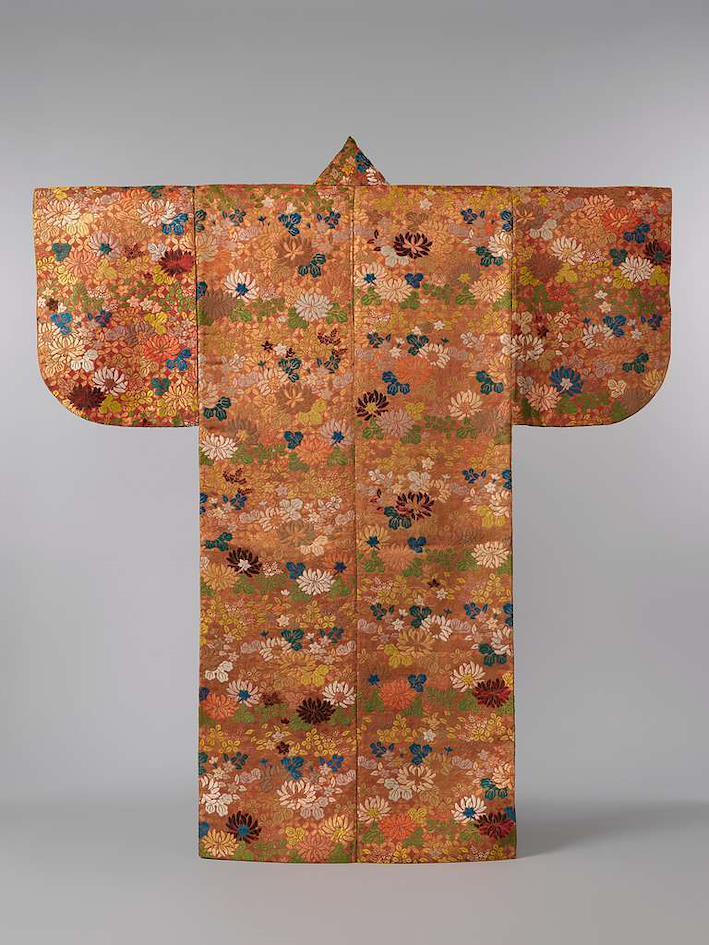
Image Credit
By embracing upcycled kimonos, we honor Japan’s rich textile heritage while also contributing to a more sustainable future. At the same time, incorporating these versatile and exquisite fabrics into your wardrobe can be a great way of developing a unique personal style.
Ethical and unmistakably chic, why not make vintage kimono fabrics a central element of your look today? Whether you are curious to give dressmaking with vintage kimonos a try for yourself, or simply want to buy some stylish ready-made upcycled kimono clothing from Japan, we hope you’ve found plenty of inspiration for your future creative endeavors here in our guide to upcycled kimonos. To view more exquisite upcycled kimono products, be sure to head on over to Kimono Story and Miki Lirry!
Have you signed up for ZenMarket yet?
ZenMarket is the place to get your hands on goods directly from Japan!
Sign up for FREE now