Attention to detail is a way of life for the Japanese - and also a defining feature of their arts and crafts. In the fashion world, obsession with detail - influenced by the Japanese - is slowly but surely taking over different brands and designers.
This approach to creating new outfits has significantly changed fashion craftsmanship all over the world. Not only does it improve the overall quality of the outfit but it also significantly increases customer satisfaction and brand loyalty.
The Concept of Monozukuri
(Image source)
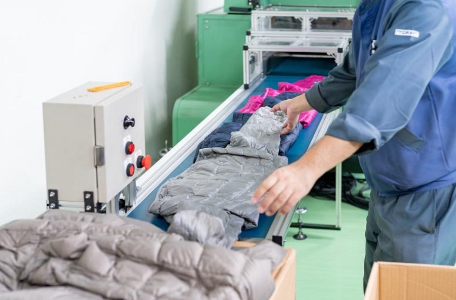
Monozukuri is a word that translates to “manufacturing process,” which refers to how anything is made. In the case of craftsmanship, the Japanese use monozukuri as an ideology that gives value to precision in the creative process. No detail is left behind to uphold quality.
Shop Fashion from Japan
Key Elements of Monozukuri
What makes monozukuri a way of craftsmanship? Different features of this philosophy are already practiced by many renowned designers all over the world to improve their creations and boost their global presence. Here are the key elements of monozukuri:
Attention to Detail
(Image source)
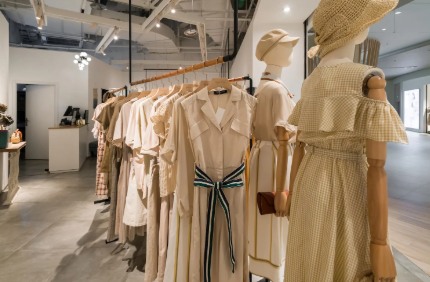
As mentioned earlier, monozukuri greatly emphasizes the meticulous preparation and creation of a product. Each process is reviewed in detail to ensure that the finished product passes a certain standard. Attention to detail is highly valued by Japanese crafters - fashion designers included.
The Kaizen Concept
(Image source)
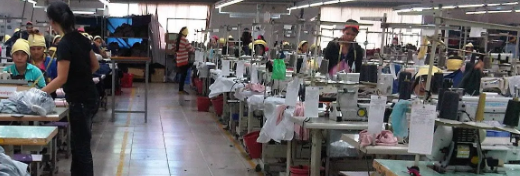
Also known as continuous improvement, kaizen represents a large part of monozukuri as it is the center of innovation. Through this concept, manufacturers continuously take constructive criticism and feedback to help improve their current products and/or methods of production.
In the Kaizen philosophy, a piece of work goes through an iterative design process, which means it continuously gets improved through various feedback and refining. Attention to detail is achieved this way because no aspect of the design is left unquestioned.
Kaizen is applied in many different disciplines, but the result in the fashion industry is improved quality in outfits and garments. This may include better quality control processes up to the smallest stitch defect and optimized use of resources and textiles.
Traditional Techniques
(Image source)
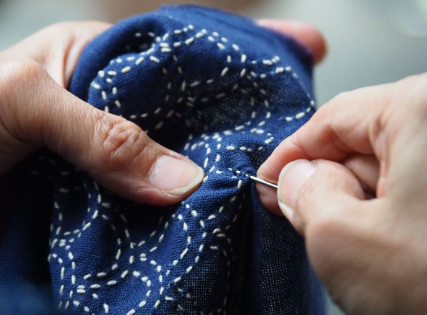
Embroidery and hand-stitching are both popular elements seen in the Japanese fashion scene. Due to the intricate designs that display the beauty of Japan and its culture, such elements are slowly being incorporated into global luxury fashion brands.
Fashion enthusiasts highly value the use of traditional craftsmanship amidst the advancements in technology. Because Japan is a country that places high importance on culture and tradition, they have become a great example to the world of fashion when it comes to paying respect to traditional art forms and craftsmanship techniques to produce quality outfits and textiles.
Harmony in Innovation
(Image source)
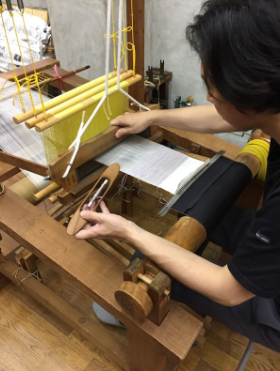
Through monozukuri, each creation is made with balance and harmony in mind. For instance, traditional techniques can be partnered with modern innovations. Not every process is fully automated or entirely hand-made - most garments can be made using both traditional means and technology.
A harmonious combination of tradition and innovation helps improve the creative process of a fashion designer. For instance, traditional embroidery and weaving techniques can be applied to modern outfits, such as denim. Harmony in innovation may also include using unconventional materials and processes.
Sustainability
(Image source)
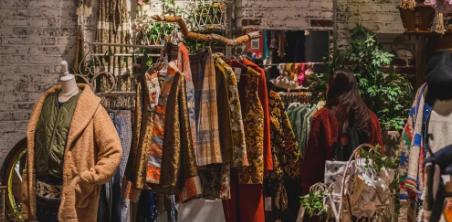
The Japanese are well-known for incorporating natural elements in their design. This symbolizes their great love and respect for nature, which is why most of the production processes using the monozukuri concept reduce carbon footprint and waste. Each product is carefully crafted to extend its durability.
Eco-friendly methods and materials are also commonplace in the Japanese fashion scene. Many companies resorted to methods that produce less waste to reduce the impact on the environment, benefiting generations to come.
Omotenashi (Customer-Centric)
(Image source)
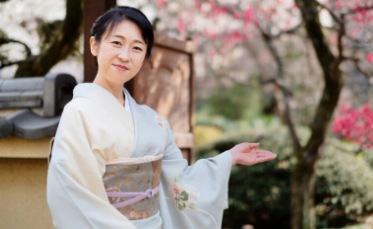
The word “omotenashi” is a Japanese concept that is customer-centric, with the word meaning “nothing hidden”. As part of the Japanese work culture, omotenashi is practiced in almost every discipline and niche - including the fashion scene.
When omotenashi is applied in the fashion industry, it translates to personalization. This can mean bespoke garments or suits that match the needs of the customer. Personalization makes a customer happier and more willing to purchase from a brand, increasing their loyalty.
Shop Fashion from Japan
Monozukuri in Global Fashion
The global fashion scene has significantly improved thanks to the pioneering efforts of different well-renowned fashion designers. Monozukuri raised the global standards when it came to manufacturing quality outfits as brands began centering more on high-quality craftsmanship.
Also Read: THE FUTURE OF JAPANESE STREET FASHION: EMERGING TRENDS FROM TOKYO'S UNDERGROUND SCENE
The creative process of many designers from Japan also started making waves in the global fashion scene thanks to their attention to detail and meticulous craft process, resulting in stunning completed looks. Let’s have a look at some of them and their awe-inspiring works:
Issey Miyake
(Image source)
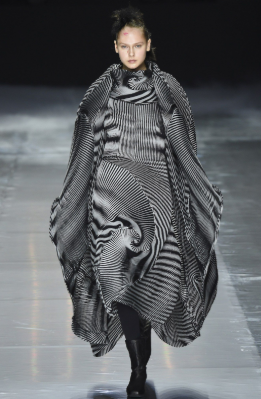
Blending innovative technology with cultural traditions, Issey Miyake is a pioneer of monozukuri in the fashion industry. The attention to detail can be seen in his flowy pieces that incorporate geometric designs.
In traditional Japanese garments, geometric figures are commonly seen and stripes are commonplace. Issey Miyake has incorporated this idea into his designs, which stood out in various fashion events. The variance in his geometric outfits in terms of color combinations and line thickness greatly embodies the monozukuri concept of attention to detail.
Shop Fashion from Japan
Yohji Yamamoto

(Image source)
When it comes to avant-garde designs that feature the concept of monozukuri, count on Yohji Yamamoto’s creations. His works put together attention to detail and unique blends of colors to create sophisticated outfit looks.
Most of Yohji Yamamoto’s combinations are made under the techwear aesthetic - putting together style and functionality. His ideas of combining unlikely elements are greatly applauded in the fashion world as a great way of paying attention to detail.
Whether it’s the latest trends or a simple browse of many different outfit pieces, Zenmarket has much to offer. With items imported straight from Japan, feel free to check out various selections for your fashion needs. Check out Zenmarket today!
Junya Watanabe

(Image source)
Kaizen is the center of Junya Watanabe’s fashion designing principles. He uses different types of fabrics and employs unconventional yet effective techniques in manufacturing garments. Junya Watanabe believes that continuous improvement helps with the quality of his work.
Most of Watnabe’s works include out-of-the-box ideas. However, many Japanese elements can still be seen, such as stripes and squares, often mimicking traditional paper lanterns. Such ideas not only make his works stand out in fashion events, but they also give way for Japanese culture to be discovered globally.
Conclusion
Japan’s meticulous approach to craftsmanship, embodied in the philosophy of monozukuri, has left a lasting impact on the global luxury fashion industry. By prioritizing attention to detail, continuous improvement (kaizen), and the fusion of tradition with modern innovation, Japanese designers have set new standards for quality and creativity.
Their influence can be seen in the rise of sustainable practices, customer-centric designs (omotenashi), and a renewed appreciation for handcrafted elements in high fashion. As global brands continue to adopt these principles, Japan’s dedication to precision and artistry will undoubtedly shape the future of fashion, ensuring that excellence remains at the heart of every creation.
Have you signed up for ZenMarket yet?
ZenMarket is the place to get your hands on goods directly from Japan!
Sign up for FREE now