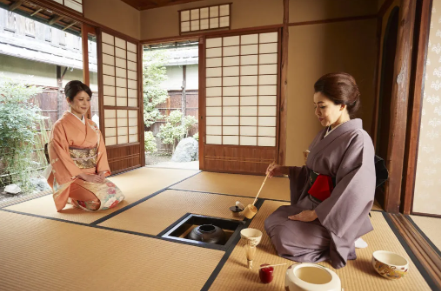
Japanese culture often incorporates attention to detail and living in the present - such is expressed through the traditional Japanese tea ceremony, otherwise known as “sado” or “chanoyu” (way of the tea). This practice has inspired the luxury fashion scene due to its tranquil feel.
Today, the Japanese tea ceremony is seen in the fashion world through the Kimono - a traditional Japanese garment - still being used today as part of their cultural identity. Kimonos gained popularity due to their unique and intricate patterns with the comfort of silk.
History of the Japanese Tea Ceremony
(Image source)
During the Edo period, the Japanese tea ceremony went hand-in-hand with kimono-making, alongside other concepts such as “wabi-sabi” (acceptance of imperfection) and Zen Buddhism. Originally, tea ceremonies were practiced by the samurais, focusing on attention to detail and high respect for their culture.
Tea ceremonies in Japan were also a way for people to demonstrate their social status towards guests and, at the same time, express their sincere hospitality. Silk and lacquerware were among the frequently traded goods in Japan during the Edo period, which fueled the tea ceremony and Kimono scenes.
Also Read: THE APPEAL OF JAPANESE FASHION: WHY GLOBAL SHOPPERS SEEK OUT HARAJUKU, LOLITA, AND VISUAL KEI STYLES
Elements of the Japanese Tea Ceremony Aesthetic
In the luxury fashion scene, the Japanese tea ceremony has become an inspiration to create unique and stylish outfits that focus on comfort and attention to detail. Here are some noteworthy elements of the Japanese tea ceremony aesthetic, as seen in luxury fashion:
Use of Elegant Patterns
(Image source)
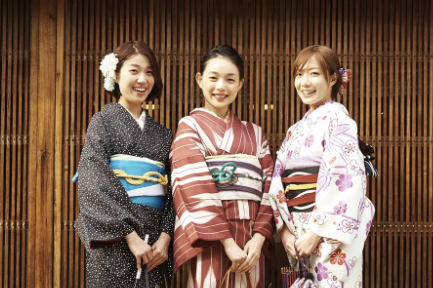
Reflecting the tea ceremony’s attention to detail, Kimonos inspired by this tradition are often designed with various patterns and colors that look elegant and pleasing to the eyes. Most motifs or designs used in these garments often include natural elements.
The use of natural elements is a way for the Japanese to pay high respect and regard for nature. The Japanese believe in simplicity and harmonizing with nature, as seen in their Zen Buddhism concepts. You will mostly see floral designs, such as the sakura (cherry blossoms), which is one of the icons of Japan.
Looking for the ideal outfit? Zenmarket has all your fashion needs from a wide selection of items imported from Japan. Feel free to browse our products to complete your wardrobe. Zenmarket is your go-to store whether you are looking for something particular or simply window-shopping.
Use of Silk Fabric
(Image source)
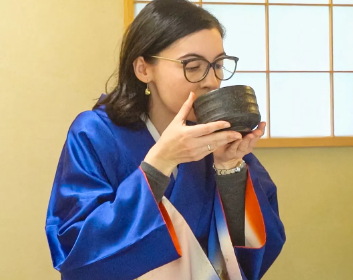
When we say luxury fashion, we often think of silk garments. Kimonos, often used in Japanese tea ceremonies or inspired by it, are usually made of silk. The use of silk represents the Japanese way of valuing comfort and luxury and placing great importance on a cultural tradition.
Silk is a cloth often associated with comfort and harmony with nature, which is why it is the best choice for Kimonos inspired by the Japanese tea ceremony. The kimonos can range from a wide variety of colors and different types of silk, with the most popular one being “chirimen”, used on formal occasions.
Accessories and Ornaments
(Image source)
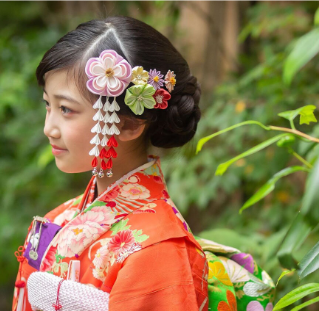
As the Japanese tea ceremony pays high attention to detail, fashion accessories are often added as part of the look. This can include traditional hair ornaments often matched with the Kimono. Similar to the Kimono, the motif is usually floral and nature-inspired.
(Image source)
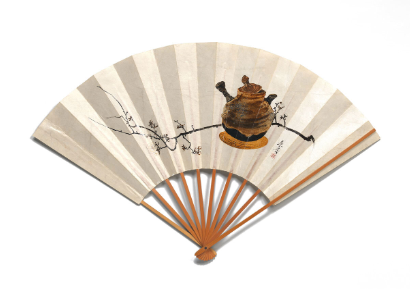
Traditional Japanese fans can also become part of the completed motif of the tea ceremony. The images are usually handpainted with intricate designs and often depict natural elements or cultural symbols. In this case, the Japanese fan has the image of the traditional tea ceremony.
Focus on Minimalism
(Image source)
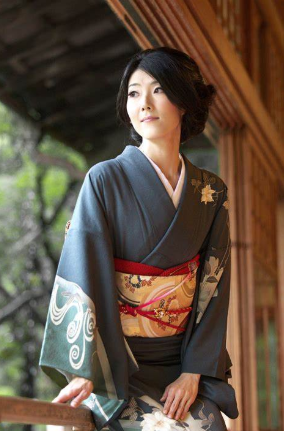
The way the Japanese create their outfits is by combining simplicity and functionality. Similar to the Japanese tea ceremony, most outfits inspired by this tradition feature minimalist elements. The simplicity is based on the idea that the tea ceremony is often done in a tranquil place only with surrounding natural elements.
Also Read: THE FUTURE OF JAPANESE STREET FASHION: EMERGING TRENDS FROM TOKYO'S UNDERGROUND SCENE
Tradition Meets Modern Luxury Fashion
The Kimonos traditionally used in Japanese tea ceremonies have taken a step up through the craftful ideas of various designers. Here are some Japanese designers and their take on the Kimono in modern times:
Issey Miyake
(Image source)
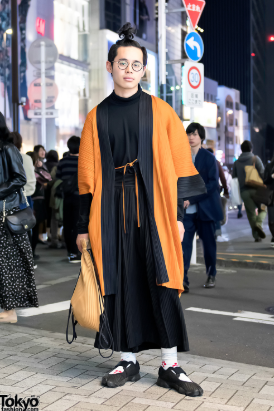
Known for his blend of Kimonos with modern motifs, Issey Miyake has a wide range of flowy elements that will surely suit your wardrobe if you’re into such. In this particular look, the Kimono is combined with pleats for a more modern design while retaining the traditional Japanese elements.
Takayuki Yajima of Y & Sons
(Image source)
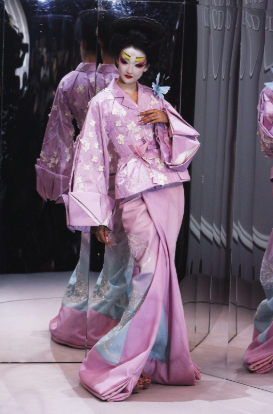
Designing the Kimono for everyday life use, such as sleepwear or going outside, Takayuki Yajima of Y & Sons conceived the idea of wearing a Kimono outside of cultural traditions. He claims that with the modernization of Japan, there is a need to incorporate traditional Japanese elements into everyday clothing.
Yasuko Furuta
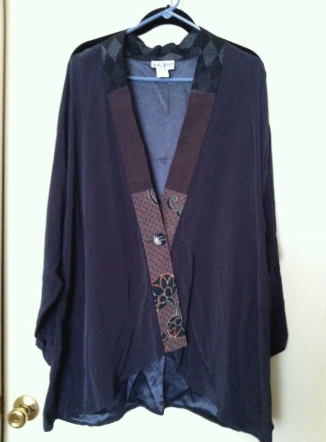
(Image source)
When it comes to Kimono, Yasuko’s artsy and one-of-a-kind designs give importance to Japanese culture. The idea is to wear a Kimono with the freedom to choose where to wear it and how to wear it, such as whether on special occasions or even just on regular days.
Jotaro Saito
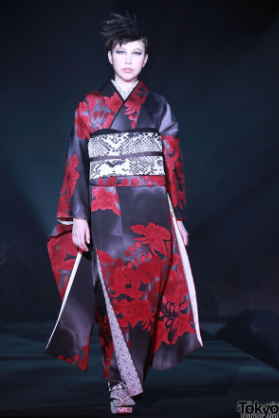
(Image source)
Bold colors and patterns are the key features of Jotaro Saito’s Kimono creations. Still incorporating traditional elements such as floral patterns and geometric designs, the focus of this designer is to achieve a “total look” complete with the obi sash, featuring a harmony of elements put together.
Hiroko Takahashi
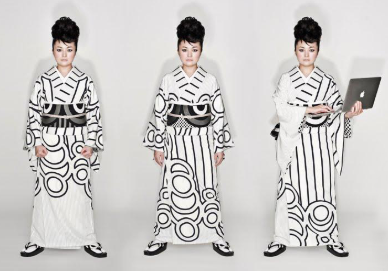
(Image source)
If you’re into gender-neutral clothing and also want something inspired by the Japanese tea ceremony, look no further than Hiroko Takahashi’s designs. The distinctive feature of this designer is the use of geometric patterns, embracing minimalism and simplicity - combining modern elements with traditional clothing.
Also Read: SUKAJAN SOUVENIR JACKETS FROM JAPAN
Shop Kimono from Japan
Conclusion
The Japanese tea ceremony has gone a long way in history into modern times. Through its incorporation into the luxury fashion scene by way of the Kimono, the world can catch a glimpse of the fine art of preparing tea in tranquillity and harmony.
We hope these Kimono styles inspire you!
Have you signed up for ZenMarket yet?
ZenMarket is the place to get your hands on goods directly from Japan!
Sign up for FREE now