Tarakajima Senkou
Highlights:
- Plant-based dyeing
- Traditional means and traditional hands
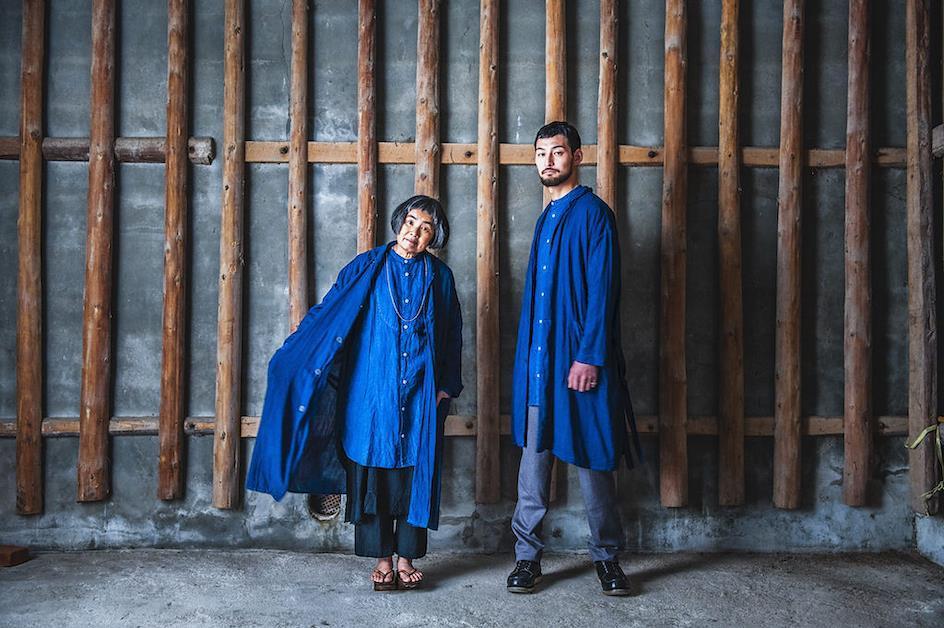
Takarajima Senkou is a traditional dye house that adopts the use of a Japanese age-old colouring technique called natural indigo dyeing. By dyeing clothings of other companies through this means, this brand supports local farmers who supply them with indigo plants. They are also provided with dyes from other Asian countries, e.g Myrobalan from the Indian Himalayas, empowering local artisans past Japan. They encourage regenerative fashion in the sense that their original line, like fine wine, gets better with age. It is unisex and age-neutral.
Also Read: THE APPEAL OF JAPANESE FASHION: WHY GLOBAL SHOPPERS SEEK OUT HARAJUKU, LOLITA, AND VISUAL KEI STYLES
BRING
Highlights:
- Recycling Initiatives
- Eco-friendly production
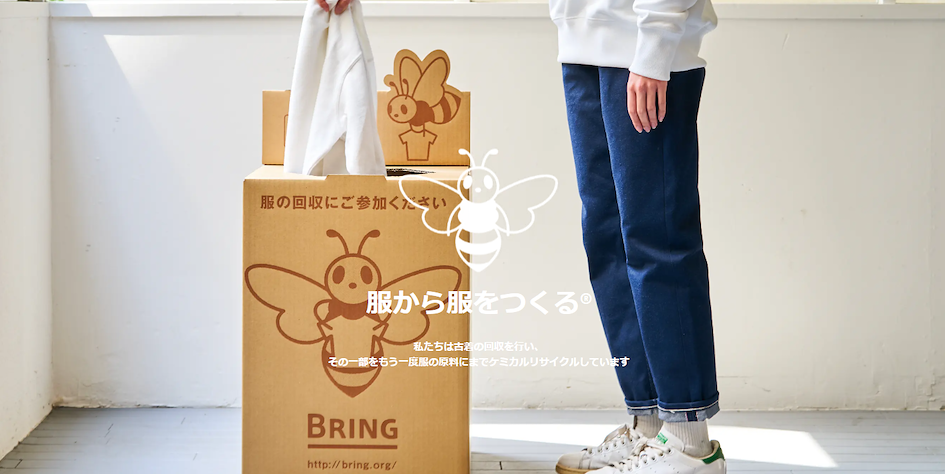
This brand recognizes the tons of materials that go to waste at the end of every fashion year. BRING partners with retailers and consumers to gather such textile and clothing for reuse or recycle. Materials are either re-used to produce t-shirts, shorts, etc, or broken down in materials for use. This encourages limited use and circulation of resources.
Shop Fashion from Japan
Also Read: THE FUTURE OF JAPANESE STREET FASHION: EMERGING TRENDS FROM TOKYO'S UNDERGROUND SCENE
Lovst Tokyo
Highlights
- Eco-friendly initiatives
- Slow fashion
- Vegan friendly
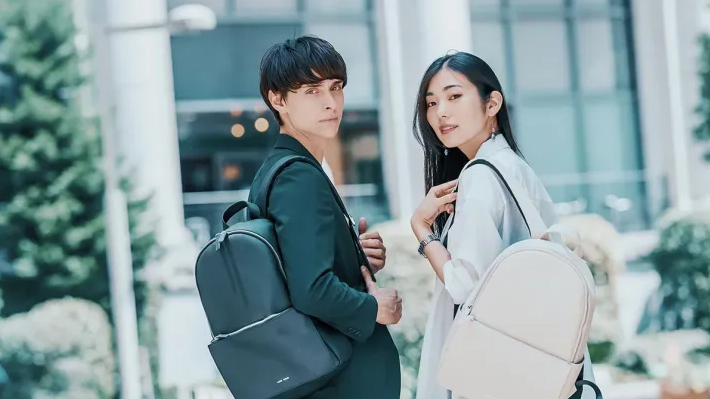
Lovst Tokyo displays creativity in its bid to uphold sustainable fashion. The brand is known for its production of backpacks, shoes, etc, using vegan leather. In early 2021, apple leather came to Lovst Tokyo's stage and received support from its crowdfunders. Its materials, though long-lasting on products, are biodegradable even within six months. The brand encourages circular living, and therefore, gives repair services for their product.
Also Read: HOW TO BUY DEARMYLOVE CLOTHES FROM DREAMS JAPAN
Kapok Knot
Highlights
- Vegan friendly
- Fair labour practices
- Cultural Influence
- Environmentally responsible
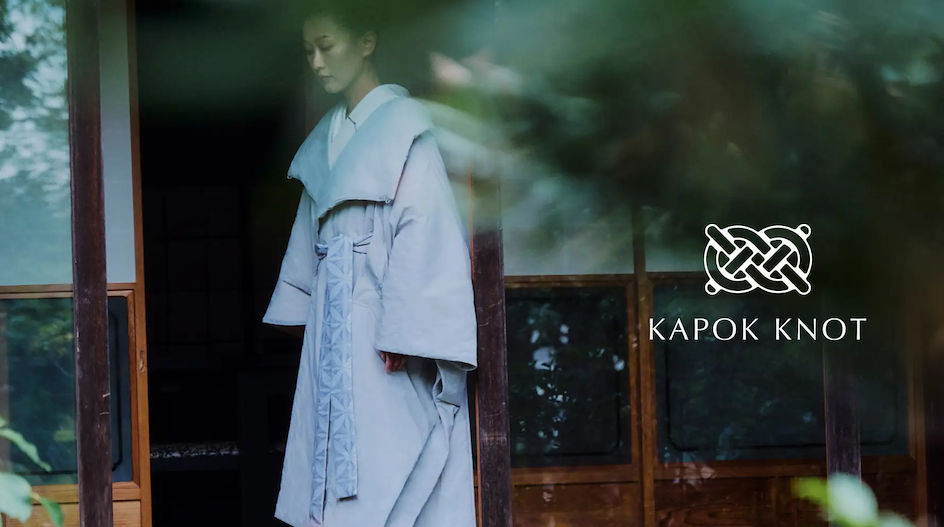
Following a legacy of fashion, this brand upholds sustainable fashion with the use of Kapok fibres in production. Not only does this help for guilt-free fashion conditions, it is also environmentally friendly in the sense that it is biodegradable, reduces carbon footprint and reduces waste.
Kapok Knot is exemplary in fair labour practices by creating its own supply chain. That is, the brand works directly with the producers of the products, rather than the conventional middlemen. Also, it employs the hands of local artisans. Hence, it upholds slow fashion and low-impact production while being inspired by Japanese culture.
Itoshiro Yohinten
Highlights
- Eco-friendly practices
- Traditional methods
- Slow fashion
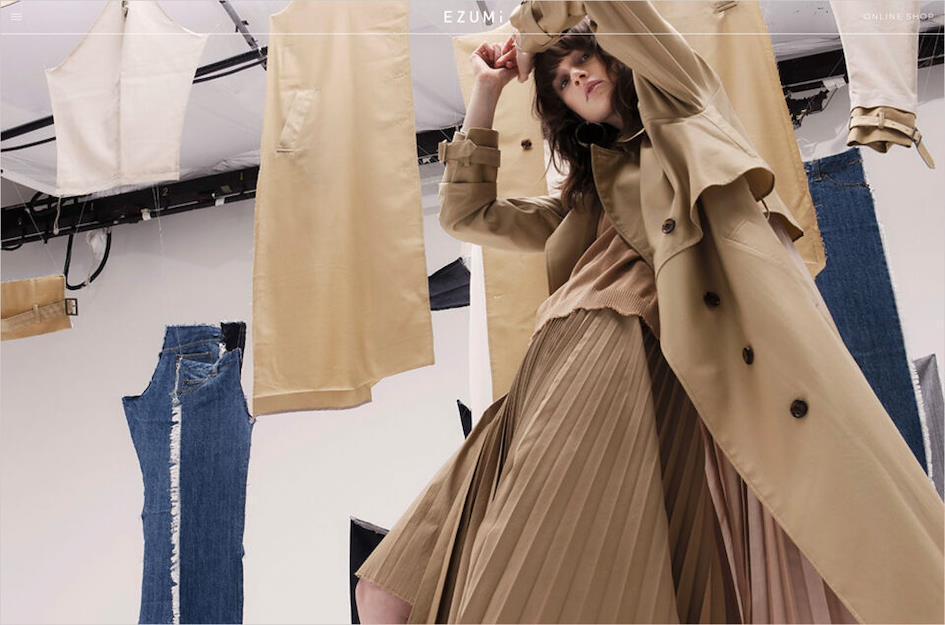
Itoshiro Yohinten has its hands deep in Japanese artisanal heritage. The brand does not compromise in its production of good quality products while using reduced impact materials, organic fabrics and natural dyes. Its timeless pieces display the ability of the cultural hands of the people of Itoshiro. Also, Itoshiro Yohinten's focus on durability encourages slow fashion, alongside their small-batch curated releases.
Also Read: SUKAJAN SOUVENIR JACKETS FROM JAPAN
Maito Design Works
Highlights
- Eco-friendly production
- Traditional roots
- Slow fashion
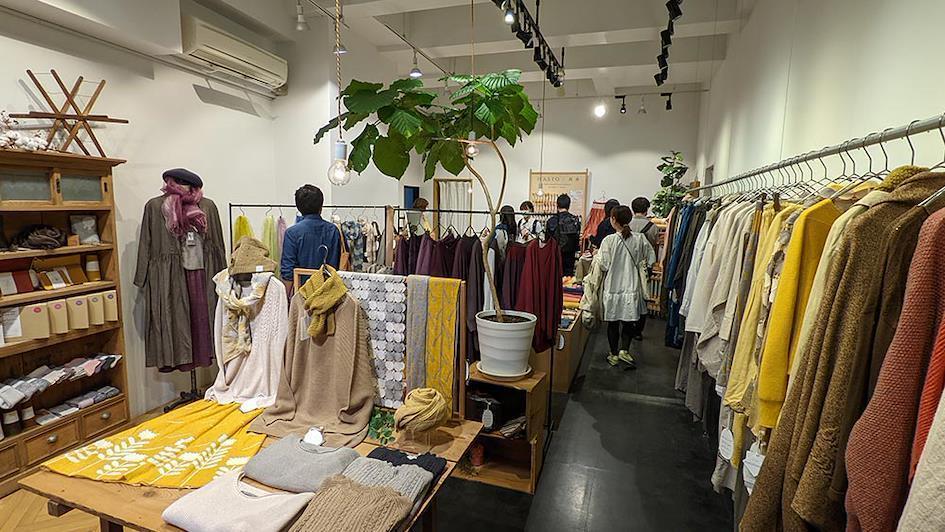
Maito Design Works uses traditional and natural dyeing methods from plants and minerals. They employ the use of an indigo dye called 'Ai-Zome'. This practice is rooted in Japanese tradition which is something the brand is keen on.
In addition to this, to encourage waste reduction, this Japanese brand employs seamless knitting using 3D technology and ensured minimal thread use. Their product endurance and high quality encourage slow fashion.
Usaato
Highlights
- Ethical fashion
- Eco-friendly production
- Traditional methods
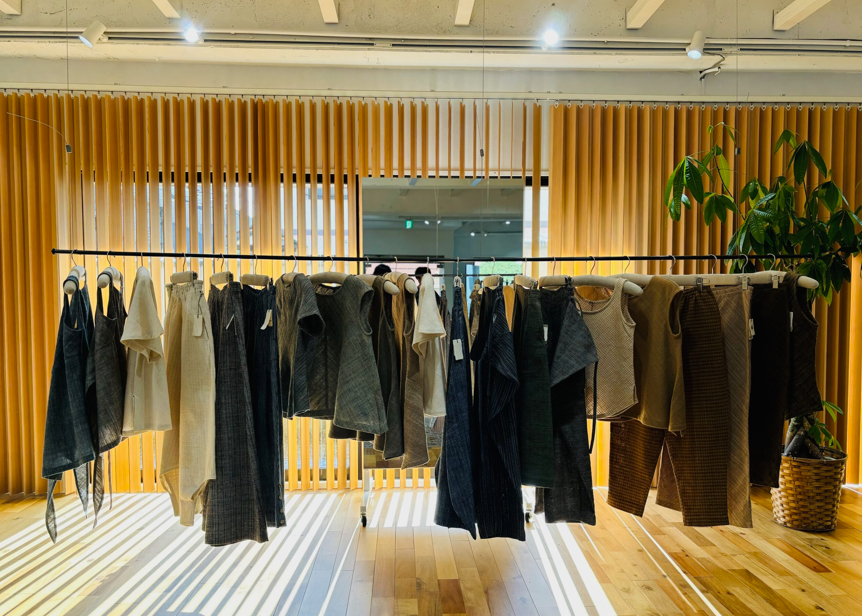
This Japanese Design brand screams ethical fashion. Its production methods are traditional. From the use of natural (plant-based) dyes, weaving and hand-spinning to employment of artisans from Thailand and Laos, this brand upholds its bid for sustainability in fashion. The labour-friendly conditions have helped to create good ties between villages involved. These conditions include the opportunity for artisans to display artistry in their individual craftsmanship.
KUME

Highlights
- Slow fashion
- Renewable energy
- Eco-friendly production
KUME is a Japanese t-shirt producing brand that's nearly nine decades old. It has seen and embraced different methods of production and now uses a mix of renewable energy sources such as hydroelectric power, wind, etc. The brand uses high-quality cotton in its t-shirt production and supports seamless knitting to reduce production waste and carbon footprint. These two factors ensure that t-shirt durability is to the standard thereby putting a pause to fast fashion trends.
Sasquatchfabrix
Highlights
- Low impact production
- Eco-friendly
- Slow fashion
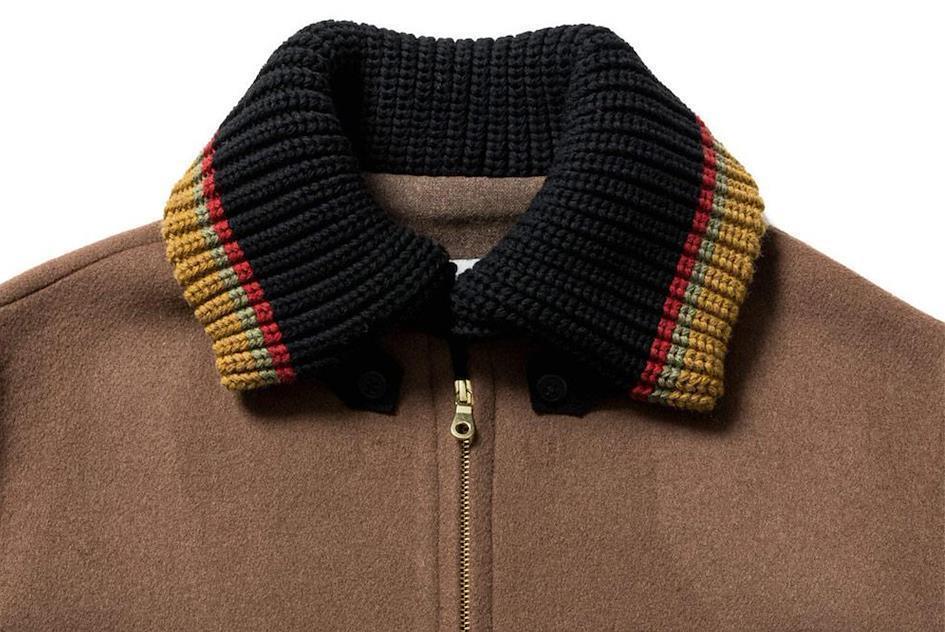
This fashion brand is known for its timeless pieces thanks to its blend of modernity with Japanese heritage. Products of Sasquatchfabrix are known to be long lasting. To encourage low impact manufacturing, the brand makes use of natural dyes and organic cotton. The brand also works with local artisans to produce some of its fashion pieces. For example, in its corporation of embroidery (sashiko) and patchwork (boro) which is done with leftover textiles.
People Tree
Highlights
- Ethical fashion
- Eco-friendly production
- Fair trade policies
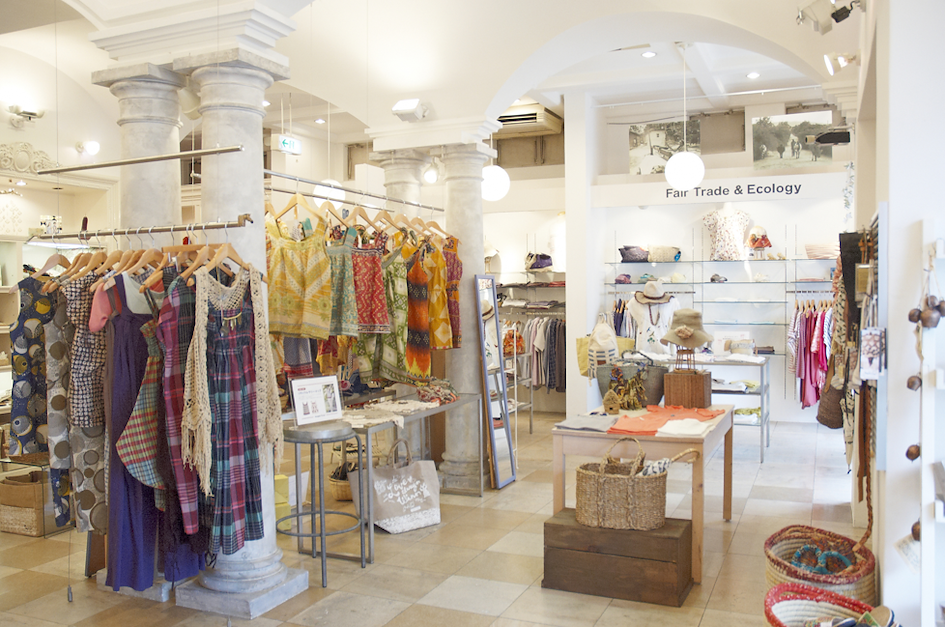
This brand has strong English ties but was founded in Japan. They were one of the first brands to embrace ethical fashion. By choosing to use natural, and biodegradable substances, People Tree promotes eco-friendly production. In fact, they set up an organic cotton project in Bangladesh.
Apart from this, People Tree is big on fair trade. They partner with Non-Governmental Organization and fair trade organizations to ensure that their fair trade values and policies are upheld. People Tree employs local artisans and farmers while also collaborating with international designers. It is said that People Tree will even pay the local artisans upfront if there is need.
Conclusion