Japanese fashion has long melded traditional values and practices into design. From the basic kimono to the theory of wabi sabi, the Japanese have devised creative ways of merging traditions with modern conveniences.
Kintsugi is one of the Japanese age-old practices that has been rising in popularity worldwide. You may have come across this on social media - think of a video of someone fixing up a broken plate and lining the cracked pieces with gold. This art has been around since ancient times and here we’ll find out how it has significantly influenced modern design.
Celebrating Traditions in Modern Days
Despite the strong influence of the West brought about by social media, Japan did not let new trends take over. Instead, it has cleverly taken its traditional arts and practices and fused them with modern devices to create something unique and fascinating.
Japan is one of the most polarizing nations in the sense that it lives in both the past and the future. From its architecture to its art, culture, and fashion, one can see many instances of the old and the new being combined in perfect harmony. Here are some examples:
Also Read: THE APPEAL OF JAPANESE FASHION: WHY GLOBAL SHOPPERS SEEK OUT HARAJUKU, LOLITA, AND VISUAL KEI STYLES
1. Wabi Sabi

This aesthetic principle revolves around transience as well as imperfection. Most garments in this mould are uneven and androgynous, simple, serene, and detached from the material world. Many international designers were influenced by this style during the late 70s including those in London, New York, and Paris.
2. Shodo
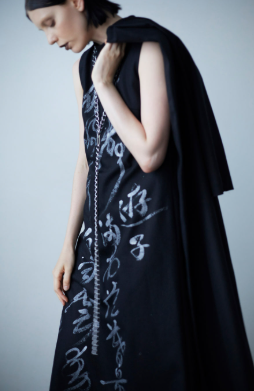
Japanese calligraphy is an honored form of artistic expression. It is not limited to writing characters; instead, each stroke and line conveys a meaning along with the words presented. Calligraphy is often incorporated into interior design in the form of scrolls and design pieces. It can also be found in fashion pieces to help convey meaning and add artistic value.
3. Embroidery
Japanese embroidery is versatile and intricate. It is used not only to decorate a garment but also to mend and reinforce it. When clothing was scarce and valuable, stitching techniques helped make clothing last longer and look presentable as well.
Sashiko is a decorative running stitch used to patch or embroider clothing. Its designs are generally geometric and inspired by natural objects like waves, mountains, and plants.
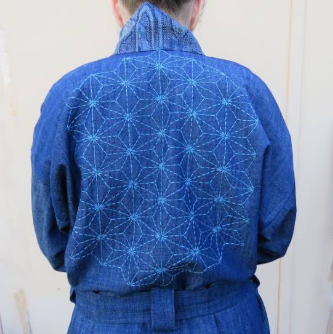
(Image source)
Boro is a mending technique that involves layering and patching. Meticulous work is done to creatively fix damage in a cloth without leaving a trace of where it was before. Many videos can be found on social media showing Boro being used to fix damaged garments.

(Image source)
ZenMarket is the ultimate platform in finding authentic, stylish Japanese pieces. Visit the website to see their wide range of products and styles.
4. Katazome
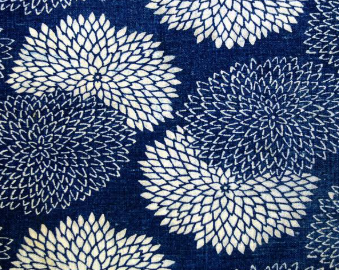
This is the art of dyeing cloth with the use of stencils. This method has long been used in traditional celebrations and has also inspired many artists during the Art Deco movement.
Also Read: How to incorporate Japanese street style into your wardrobe
Whether it’s popular streetwear brands or the most niche fashion items, ZenMarket can give it to you. ZenMarket sources from supplies all over the world to help you build a wardrobe suited to your taste.
Kintsugi
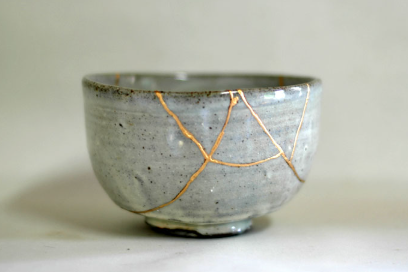 (Image source)
Kintsugi is one of the trending Japanese techniques on the internet. Watching a beloved piece's detailed repair work and enhancement can be satisfying. But what exactly is kintsugi all about?
Kintsugi is the art of fixing broken pottery. Broken areas are carefully mended with urushi lacquer and then dusted with powdered metals - often gold, silver, or platinum.
The philosophy behind kintsugi is similar to wabi-sabi, which embraces flaws and imperfections. Its focus is on highlighting the cracks as events in the life of the object, meant to be celebrated rather than covered up.
What makes kintsugi appealing worldwide is that everyone has something that they cherish - an old cup gifted by someone who has passed or maybe a plate that serves as a reminder of childhood. Kintsugi not only repairs these sentimental objects but also celebrates its life and the memories it brings together.
Kintsugi in Modern Design
Kintsugi has made its way into modern living in the form of art and interior pieces.
Nowadays, there are many stores selling ceramic items with the kintsugi theme.
It is also utilized in artwork such as paintings and pottery.

(Image source)
The technique has also inspired interior design and architecture and has been incorporated into floors, counters, and accents.
Kintsugi Applied in Fashion
The fashion scene has taken notice of the kintsugi rage and has masterfully blended it into artistic fashion pieces.
Sustainability has become a paramount element in fashion. Kintsugi is a creative and stylish solution that lets designers upcycle and repurpose materials.
The applications of kintsugi allow designers and even regular people to repurpose old or defective garments and turn them into something fashionable. This method not only minimizes waste but also effectively reduces the industry’s environmental footprint, which has been a long-standing issue.
Here are some examples of how kintsugi has been applied to modern fashion:
Also Read: THE FUTURE OF JAPANESE STREET FASHION: EMERGING TRENDS FROM TOKYO'S UNDERGROUND SCENE
1. Jewelry
 (Image source)
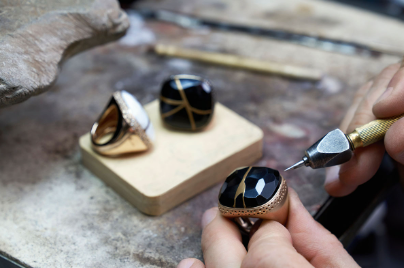
Defective gems that were typically disposed of are now being repurposed into lacquerware. Fissured areas are meticulously treated and linked together. The finished gem is then set and coated with urushi and finally applied with gold dust to create that familiar kintsugi appearance.
2. Patchwork
 (Image source)
Patchwork draws inspiration from the kintsugi approach. Traditional techniques like sashiko are used to create high-fashion apparel that promotes both craftsmanship and sustainability.
3. Garment Repair
 (Image source)
Boro mends imperfections using gold thread, using the trademark that kintsugi is known for. Denim is another way to apply mending techniques and also incorporates gold paint for an extra touch.
4. Shoes
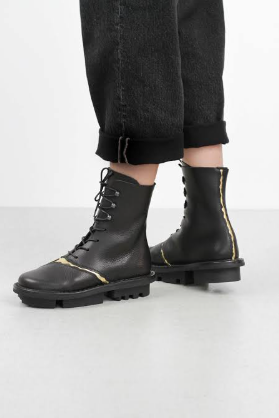
Kintsugi is utilized as a stylish approach to repair or repurpose old or damaged shoes. There are also brand new shoes that are purposefully created with the kintsugi touch in the market.
Shop clothes from Japan
Conclusion
Kintsugi is a Japanese technique that speaks to the heart - it reflects a beautiful principle that imperfections can be celebrated rather than hidden away. This principle is a testament of Japan’s appreciation towards individuality and self-expression. This sentiment has successfully echoed itself worldwide and has evolved the art into an influential technique in the fashion industry on a global scale.
Discover the endless style possibilities at Zenmarket! You can reach us at any time; Zenmarket has got you covered. Explore our selection and find your next favorite piece today!