Japanese influences are a dominant influence in high fashion - from the runways of Paris fashion week to the luxury boutiques all around the world, the Japanese touch can be seen in various manifestations. Why are global brands so obsessed with the Japanese that the term Japonisme has been coined by French artists? Let’s find out. 
Japonisme
Overview
Designers and brand leaders all over the world look up to and emulate the values that Japanese culture has imprinted into the fashion industry. Japanese fashion is mainly known for its cohesive blend of tradition and modernity, combining traditional aesthetics with innovative methods and cutting edge technology to create garments that stand out in both quality and aesthetic.
One of the main driving forces that pioneered Japan’s influence in global fashion was the Harajuku movement. This culture, born from enmeshing the creativity of different young minds and the constant pursuit of perfection, led to a revolution in Japanese streetwear that is still manifesting its influence today.
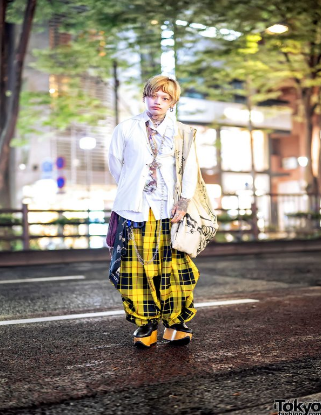
Example of the Harajuku movement
The unique statement of individuality born from Harajuku culture inspired many designers abroad. Because of this movement, global brands embraced the colorful and playful approach. It also led to a broader perspective towards incorporating cultural elements into fashion design - the structure of the traditional kimono and yukata have often been used as a reference to modern garment design.
Japonisme exerted a strong influence in major designers in the 80s and 90s - their strong, avant garde approach was a unique and fresh take for their Western counterparts. The use of symbolism and seasonal influences in designing garments was adapted by leading designers.
Also Read: THE APPEAL OF JAPANESE FASHION: WHY GLOBAL SHOPPERS SEEK OUT HARAJUKU, LOLITA, AND VISUAL KEI STYLES
Concepts Derived from Japanese Values and Aesthetic
Global brands and leaders in the fashion industry took inspiration from the values presented in Japanese culture and successfully incorporated them into their own art. These practices are the strongest influences that Japanese creativity and values have shared with fashion brands:
Also Read: THE FUTURE OF JAPANESE STREET FASHION: EMERGING TRENDS FROM TOKYO'S UNDERGROUND SCENE
1. Style Blending
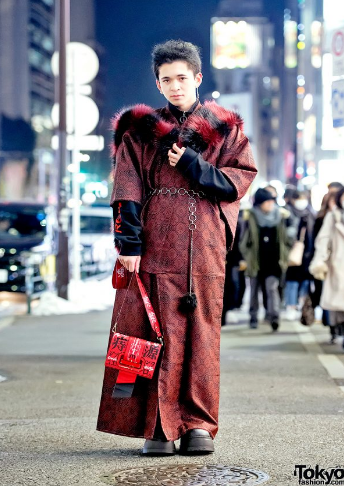 Example of Japanese style blending
Traditional and modern techniques are fused in a harmonious way. Japanese fashion has found a way to effectively blend traditional concepts and techniques with innovative methods to bring out the maximum charm, comfort, and durability of a garment. Traditional styles are beautifully combined with modern designs to create a unique, eye-catching appearance.
Also Read: HOW TO BUY DEARMYLOVE CLOTHES FROM DREAMS JAPAN
2. Layering
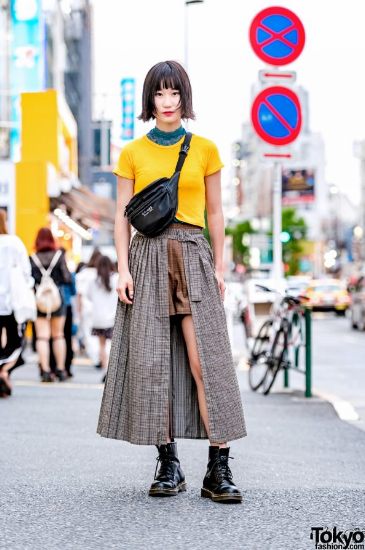
Japanese art of Layering
The Japanese revolutionized layering as a process of styling clothes. Even basic and simple garments can stand out by tastefully combining different elements and textures.
3. Bold Colors and Patterns
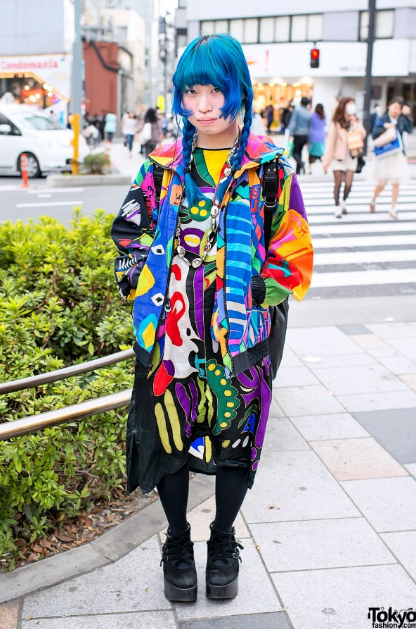 Bold Colors and Patterns in Japanese Fashion
Harajuku culture played a significant role in the acceptance and use of bright, vibrant colors. What was once considered loud and excessive is now seen as a unique statement on individuality.
Also Read: SUKAJAN SOUVENIR JACKETS FROM JAPAN
4. Statement Accessories
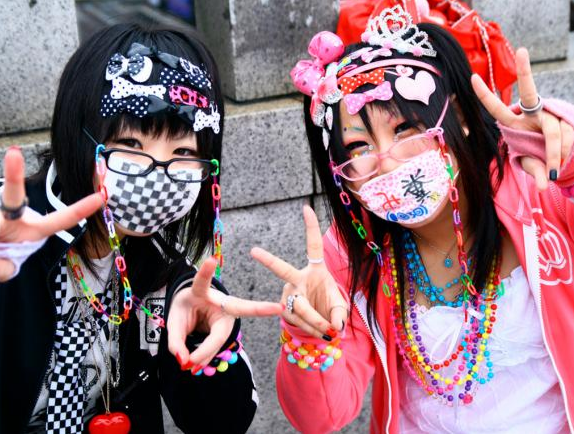 Accessories in Japanese Fashion
Accessories used to be minimal or functional in nature. The Japanese, however, utilize it in a way that expresses someone’s unique personality and style.
5. Gender Fluidity
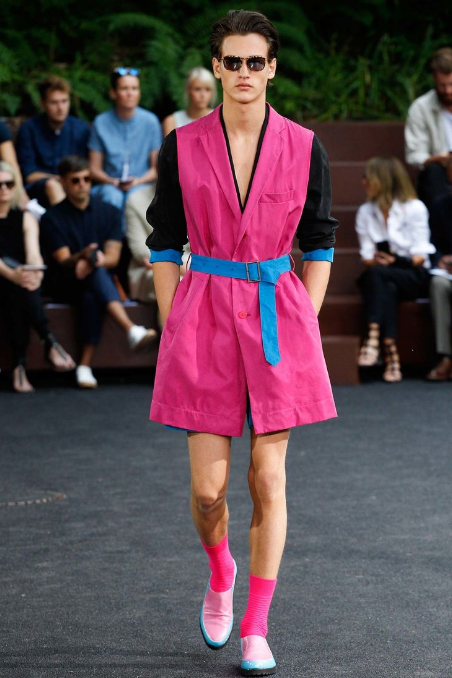 Gender Fluidity in Japanese Fashion
Many Japanese designers like Issey Miyake and Yohji Yamamoto played with the concept of androgynity, creating pieces that challenged traditional female silhouettes to create revolutionary designs. These designs that created “men’s clothes for women” inspired global designers such as the likes of John Galliano and Alexander McQueen.
6. Sustainability
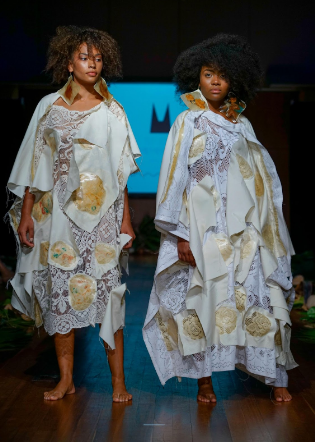
Sustainability in Japanese Fashion
As a culture highly engrained with nature, the Japanese value sustainability above anyone else. Traditional techniques that respectfully circle back to history and culture are still majorly utilized in design practices.
Many global brands replicate Japanese practices on sourcing from local materials and artists. Upcycling, recycling, and minimalism are also major concepts that have changed the fashion landscape for good. The Japanese have created a culture that encourages reduced waste and celebrates the use of secondhand items and materials.
ZenMarket offers a plethora of tasteful, timeless pieces straight from Japan. Looking for the perfect style to match your personality? Look no more. ZenMarket lets you choose from different Japanese brands and so much more.
Major Approaches Adapted from Japanese Fashion
The following are design elements and approaches that are mainly attributed to Japanese culture and techniques:
1. Androgyny
Rei Kawakubo, the founder of the Japanese fashion house Comme des Garçons, is one of the most well-known designers whose influence continues to fuel the creativity of the global fashion industry.
His gender fluid designs that defied the common laws of fashion in the 80s led to designers adapting androgynous presentations in garments. Issey Miyake and Yohji Yamamoto were also strong contributors in what is now known as the De-Construction movement.
2. Avante-Garde
The Harajuku movement gave birth to many subcultures like gyaru, lolita, and visual kei, all of which prominently featured striking designs and accessorizing to maximize impact and self-expression. Tomoaki Nagao, who found the Bathing Ape, is one of the greatest influences. The brand continues to be one of the biggest streetwear brands in the world.
3. Minimalism
On the other end of the spectrum, Japanese designers introduced minimalism. The style emphasizes simplicity and elegance, keeping only a select number of items and incorporating effective styling and layering techniques to create a finished look. Yohji Yamamoto’s debut in the 1980s Paris fashion week changed the landscape with his predominantly black garments that featured loose, asymmetrical designs that were atypical for the era. He continues to exert influence in the field along with Issey Miyake and Tadashi Shoji.
4. Wabisabi
The design celebrated the concept of “ma” or negative space. Wabisabi finds beauty in imperfection. The approach repopularized the idea of deconstruction. Kawakubo’s designs are the perfect illustration of this concept. Junya Watanable, his protege, is well-respected for his cutting-edge designs that have stood out in the industry.
Top Designers Inspired by Japanese Influences
Giorgio Armani’s Hommage au Japon in the 1980s featured an all-Japanese couture collection. It also presented tables, chairs, and ceramics. He mentions in a Guardian article being inspired by Japan’s soulful minimalism and clean, vibrant lines.
John Galliano was particularly inspired by the use of black in Kawakubo’s runway designs. In the Autumn 1994 of Paris Fashion Week, he majorly featured black-themed designs paired with oriental touches in his Ready to Wear collection.

Black-themed designs paired with oriental touches in his Ready to Wear collection
Alexander McQueen’s La Poupée in Spring 1997 used Japanese-inspired silk trousers, dresses, and outerwear.
In Summer 2013 Prada showcased a Japan-inspired collection in Milan, Italy. It featured satin kimono wraps, satin skirts, tunic dresses, and graphic flower motifs.
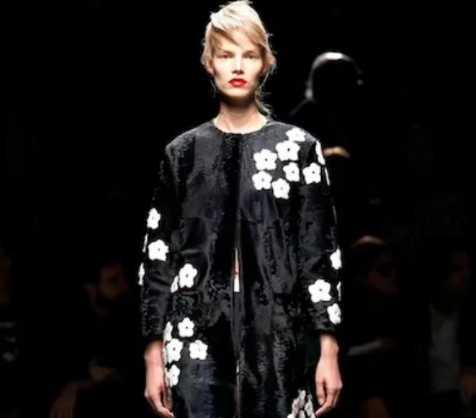
Prada showcased a Japan-inspired collection in Milan, Italy, Summer 2013
Many brands also tend to collaborate with Japanese designers - In 2003, Takashi Murakai partnered with Marc Jacobs to create a series of Louis Vuitton handbags, The famous Multicolored Monogram collection is part of their collaboration.
Shop clothes from Japan
Also Read: KIM KARDASHIAN SHOPS CHANEL BAG IN JAPAN
Conclusion
Japanese values and culture are an awe-inspiring mixture of tradition, discipline, harmony, and self-expression. Many continue to be fascinated by Japanese culture and have effectively incorporated them into their own values, aesthetics, and practices. Japan will continue to be an influential power in the fashion industry for many years to come.
Have you signed up for ZenMarket yet?
ZenMarket is the place to get your hands on goods directly from Japan!
Sign up for FREE now