The concept of minimalism has been widely adopted in many forms, such as architecture and design. Fashion has also adopted the minimalistic approach in both commercial and luxury spaces.
The Japanese approach to minimalism has widely inspired fashion on a global scale. While simplicity is the key element of minimalist fashion, it surprisingly covers a broad range of subcultures in style. Here, we’ll discuss two of these subcultures currently on the rise.
What is minimalism in fashion
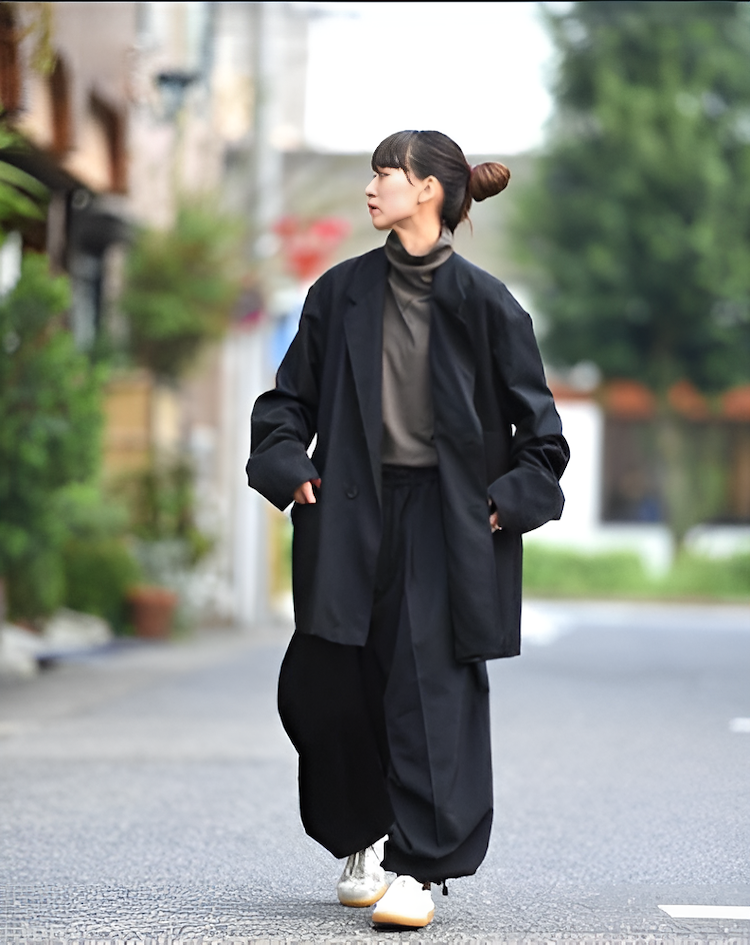
Minimalism is generally a fashion style that aims to curate a wardrobe with simplistic, tasteful garments that will remain elegant and timeless. Simplicity, elegance, and sophistication are the key points in minimalist fashion.
Also Read: THE APPEAL OF JAPANESE FASHION: WHY GLOBAL SHOPPERS SEEK OUT HARAJUKU, LOLITA, AND VISUAL KEI STYLES
Origins of Japanese Minimalist Fashion
The Japanese have long valued simplicity and elegance. From its aesthetic in design to traditions and practices, Japanese culture embodies a tranquil, harmonious atmosphere that inspires respect.
Japanese design incorporates “ma”, or the idea of negative space. Negative space is the unoccupied area between two or more objects in a composition or design. It helps create balance and contrast. Additionally, it introduces a visual interest while avoiding an overwhelming design with excessive elements.
The Japanese kimono is an excellent illustration of the “ma”. Its simple silhouette perfectly reflects the beauty of negative space.
Minimalist fashion rose in popularity during the 1980s together with the booming popularity of Japanese streetwear. Pioneers of the movement, such as Rei Kowakubo, Yohji Yamamoto, and Issey Miyake brought with them the concepts of minimalism through their respective brands.
The timelessness in their products have helped them maintain a strong influence in the fashion industry up to this day. Zenmarket carries brands like A Bathing Ape and Comme de Garçons who perfectly execute minimalism in their designs.
Also Read: THE FUTURE OF JAPANESE STREET FASHION: EMERGING TRENDS FROM TOKYO'S UNDERGROUND SCENE

(Photo: Japanese Minimalist Fashion)
Key Elements of Minimalism
 (Photo: Men wearing minimalistic outfit)
Minimalism can easily be recognized because of these key characteristics:
Simplicity. Minimalist pieces avoid clutter and keep with simplistic elements by using basic garments and layering them in a harmonious manner. Clean lines and simple shapes are predominant in a minimalist fashion.
Functionality. Minimalism avoids unnecessary frills and keeps only the most important factors like comfort and ease of movement. Garments are often loose-fitting to achieve this.
Sustainability. Modern designers adopt sustainable practices, using quality and long-lasting locally-sourced materials to create a piece that will last for a long time.
Neutral Colors. Most minimalist clothes use neutral tones like black, white, grey, and beige. These colors are the most versatile and place value more on design rather than palette.
Natural Fabrics and Materials. Most garments use wool, cotton, linen, or wool as they are the most comfortable but are also durable.
Also Read: HOW TO BUY DEARMYLOVE CLOTHES FROM DREAMS JAPAN
The Mori Girl Style
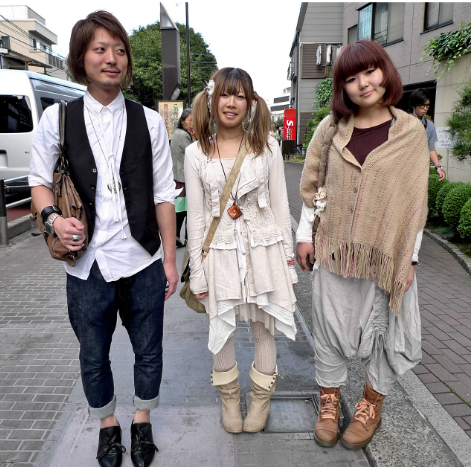
(Photo: Japanese people dressed in Mori Kei Style)
Mori-kei, also known as mori girl, directly translates to “forest girl”. It is called a natural fashion, revolving around natural themes like forests, woods, and other things of nature.
Mori girl began in 2006 when a social network admin posted a photo of her outfit on mixi. One of the users commented on her, stating that she looked like she was from the forest. This interaction caused the rise of the concept and soon magazines and media began to circulate the trend.
Traits of Mori Girl Fashion
Mori girl is characterized by loose, flowy clothing, natural fabrics, and earth tones. Neutral shades like brown and beige are the most preferred bases, as well as earthy tones of green. However, mori girl can also adapt other colors attributed to nature, like pinks from florals or even blue hues reminiscent of bodies of water. Bright colors and loud prints, however, are highly discouraged.
Accessories are incorporated in a minimalist fashion to a limited degree. In the case of mori girl outfits, scarves are the most popular choice, followed by large bags, baskets, straw hats, or small accessories made with lace.
Also Read: SUKAJAN SOUVENIR JACKETS FROM JAPAN
Subcultures of Mori Girl Style
Mori girl can be divided into smaller substyles or sister styles that are distinct but all retain the main elements of the style.
Mori boy is the male counterpart of mori girl style. Natural colors and fabrics are also used predominantly. Sweaters and baggy pants are the most common garments. Again, scarves play a large role in the style.
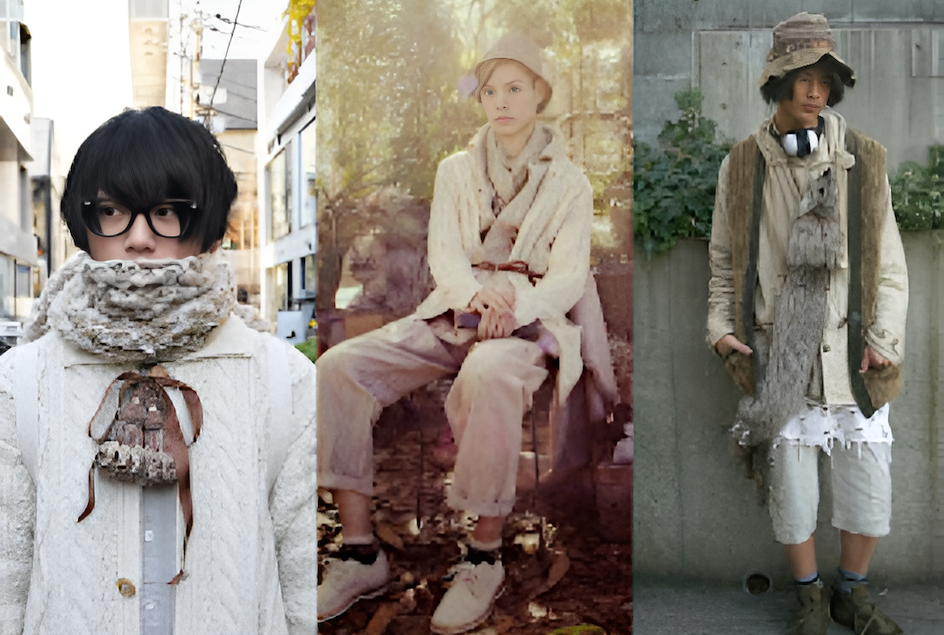
(Photo: Mori boy style)
Hama kei is a natural style that incorporates beachy elements. Lace and layers remain, partnered with concepts like seashells, anchors, and nautical themes. Different shades of blue make this style distinct. It is also generally more minimalist than mori kei, usually only composed of a top, skirt, and a shawl.
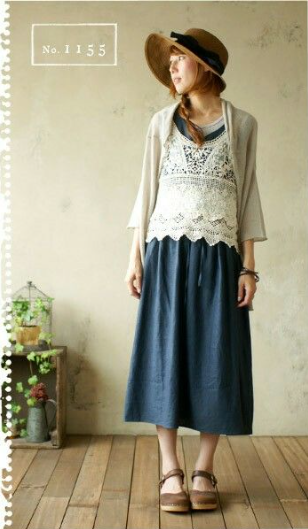
(Photo: Hama kei style)
Yama kei is a mountain version of mori. Activewear are also added into the mix due to the hiking or camping concept. These are usually paired with loose cardigans or vests. Layers are usually simpler in nature.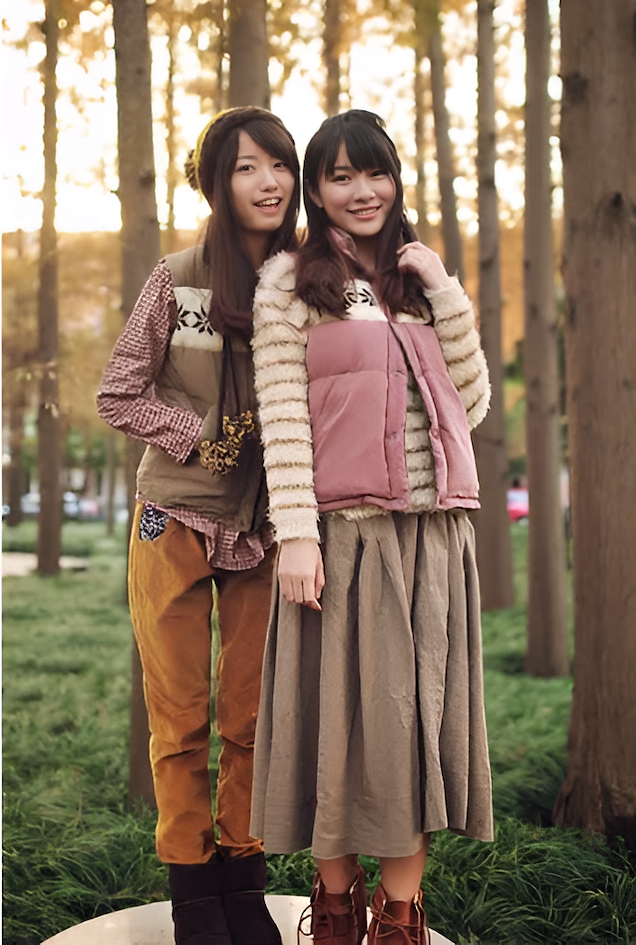
(Photo: Yama kei style)
Natural kei is the closest to minimalist style with its use of loose clothing, layers, and basic garments. Vintage and organic looks are popular, but natural kei is so broad that it can be interpreted in many ways. A-line dresses, baggy pants, and long skirts all fit into this category.

(Photo: Natural kei)
The Normcore Style
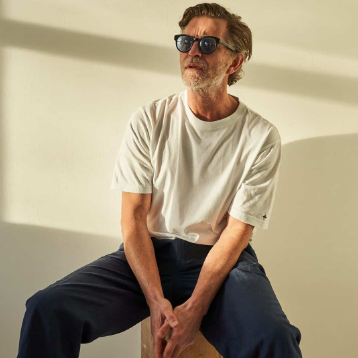
(Photo: Man dressed in the Normcore style)
Normcore is a rising trend but is also considered an anti-trend. What does this mean?
The goal of normcore is to create an average, unpretentious style that resists fast-moving fads and trends.
It started out as an attitude or concept, first appearing in Ryan Estrada's 2008 webcomic and then being used by trend forecasting group K-Hole.
Eventually, normcore was adopted in fashion as an unremarkable state of dress. Normcore avoids any elements of standing out, usually using the most basic and essential garments like T-shirts, polo shirts, jeans, and sweatpants.
Shop clothes from Japan
Key Elements of Normcore Fashion
Normcore perfectly mirrors the idea of minimalism and further reduces layering and accessories to the minimum. Normcore is different from a lack of style - it embraces normality but remains stylized and self-aware.

(Photo: Example of Normcore fashion)
Less is more. Layering is limited to the minimum and accessories are usually simple if not avoided. Functionality and comfort are prioritized.
Subtlety is key. Accessories are generally for practical uses and must retain the overall outfit’s simplistic look.
Durability is essential. Normcore aims to avoid trends and intends to remain timeless and practical. Thus, clothing is expected to be durable as the style’s versatility naturally leads to pieces being worn on numerous occasions.
Also Read: KIM KARDASHIAN SHOPS CHANEL BAG IN JAPAN
Conclusion
Mori girl and normcore are two extremely different styles tied together by the concept of minimalism. While they appear to be entirely different, both embody the simplicity and comfort that minimalism conveys with its pieces.
The best advantage of mori girl and normcore is that they are not tied to specific brands. People are free to experiment with different brands and mix different items to achieve the most comfortable style.
Zenmarket offers a plethora of brands to choose from. Whether you’re looking for a cardigan for a whimsical forest fairy look or a practical, timeless white shirt that you can just fish out of the closet at any time, Zenmarket has it all.
Have you signed up for ZenMarket yet?
ZenMarket is the place to get your hands on goods directly from Japan!
Sign up for FREE now