In recent years, the archive fashion trend has skyrocketed. You may have stumbled upon it on your Instagram explore page without realizing it. The most known archival pieces in modern-day include Issey Miyake Sport’s IS varsity to Raf Simons’s Riot bomber.
As a general rule, archive pieces are works released in earlier seasons by high-end designers. Most of the Japanese Archive fashion were pieces created in the 1970s to the 1990s. These pieces created a strong reaction to common fashion during that time as well as influenced related fashion houses.
This article will go more into depth on what Archive Fashion in Japan is. As well as who were some of the most influential designers within Japanese Archive fashion and where you can see and purchase these pieces.
What is Japanese Archive Fashion?
Many archive pieces were made by Yohji Yamamoto, Jun Takahashi, and Rei Kawakubo. It’s no surprise then to see people wearing these rare pieces, for example, in the Urahara area. You can access these pieces on websites like Mercari or JDirectItems Auction in Japan. However, be prepared that it will still be a battle to get your hands on these pieces due to the high demand.
It can also mean becoming an archivist of your favorite designer, collecting, researching, and reselling the pieces out of pure love. Generally, archive clothing means owning any piece of clothing from a designer’s past work, but in the last few years, it started to mean owning pieces from historically significant collections.
It is similar to sneakerhead culture, stamp collecting, or collecting Pokemon cards, but in a fashion sense. However, fashion archivists are more interested in the old rather than the new. As high fashion and street fashion have become more accessible, archive fashion seems to become the last piece of authenticity. It means researching and hunting to become an archival fashion collector, and having money is not enough.
It had become popular with the rise of hip-hop fashion when Kanye West’s Yeezy collection was inspired by vintage Raf Simons pieces that he discovered - where else- than in Japan.
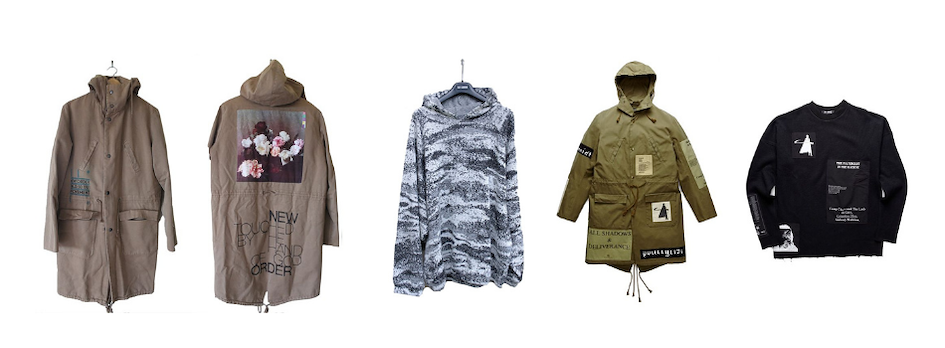
However, what most people consider ‘key archival brands’ is a small selection of designers often cited as an inspiration for newer designers. Some are even paying homage to these designers. This includes, among others, the first wave of Japanese designers who had shows in Paris, such as Yohji Yamamoto, Comme des Garçons, and Issey Miyake. One common thing is that their archive pieces capture one particular time period for these designers. Sometimes, their designs tell the stories of entire movements, such as the birth of streetwear thanks to Ura-Harajuku brands like A Bathing Ape and Undercover.
Although generally, any vintage piece from a designer’s past can be called an archive piece, the term now defines something more than just a piece of clothing from a designer’s past collection. Instead, an archive piece is usually one of a designer’s “greatest hits,” a very rare and popular garment from one of their most significant collections.
Issey Miyake
One of those sought-after designers is surely Issey Miyake. He effortlessly combines traditional with modern elements, such as the paper suit or contemporary pieces made with kimono fabrics. Since 1994, Issey Miyake stopped being involved in his menswear collection, making the pieces even more valuable.
Yohji Yamamoto
When Yohji Yamamato presented his collection at a Paris fashion show, his raw, unfinished, and thrown-together designs shocked the industry. His loose silhouettes and all-black outfits have gained a cult status between artists and creatives alike. His collections’ rare use of color has created some standout archive pieces.
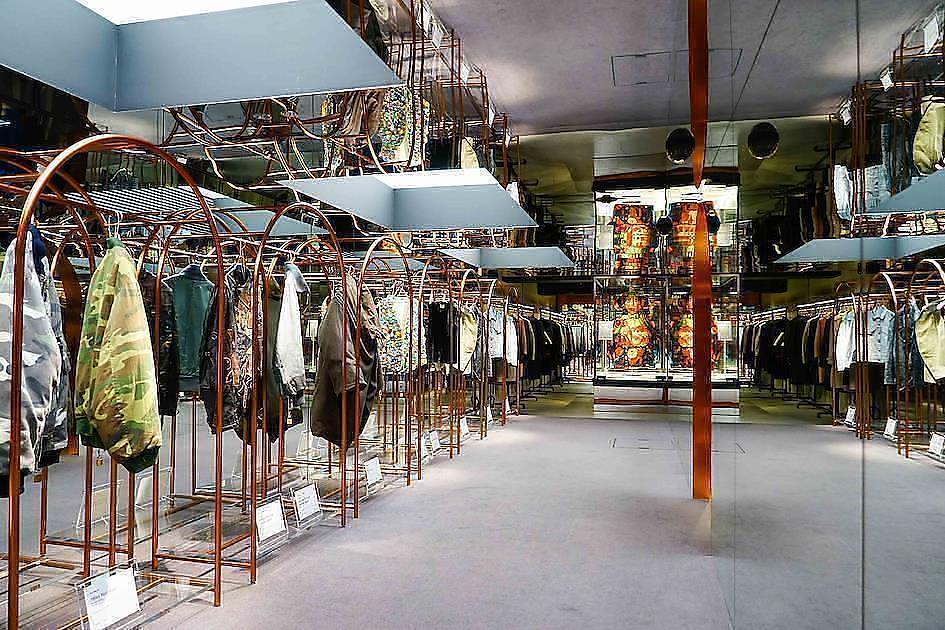
Usually, these archive pieces are scattered worldwide. However, there is a place in Japan that keeps all these archive pieces in one place, like a museum with all the rarest works from the most wanted collections from a designer’s career. There is a store hidden from the main streets, in the underground of Shibuya, containing simply the best of the best. For example, Margiela’s Artisanal line, Raf Simons Riot collection, Undercover Scab - the Archive Store has everything you can think of.
The Archive Store
The Archive Store contains clothes from the most sought-after designers in the industry. It was founded in 2018 as a place where fashion enthusiasts can learn more about the history of the pieces. They sometimes also host special exhibitions where they showcase the works of a specific designer.
The second-hand market focused more on the newer pieces when the store started. That’s how the Archive store was born - the creators wanted to preserve the past archival fashion pieces and redefine them to create new trends.
The space is something between a retail store and a fashion museum. They want to present the pieces that changed fashion. That’s why they also have a museum space, where they show “Art Pieces.” They also carefully select the items that represent the feeling and characteristics of each designer.
At the Archive Store, the archive pieces and customers can get closer than ever before. That means you can touch the pieces, try them on, or take pictures. However, these pieces are rare and valuable, so they need to be handled with care. Keep in mind that visitors can not try on the pieces at the museum.
At the Archive Store, the works of designers who influenced today’s fashion are displayed. Rei Kawakubo and Yohji Yamamoto are two designers who pushed the boundaries in the 80s. When elegant looks were mainstream, their all-black looks were the center of attention. The materials and silhouettes used for the boro clothing were called “boro-look” and considered avant-garde. The two designers’ appearance on the fashion scene was called the “The Black Shock.” Their abstract, philosophical approaches were a complete revolution for western fashion and greatly inspired today’s top designers.
(Source: Sabukaru Online)
The pieces on display at the museum have significant historical value and are vital for passing down knowledge. It is crucial to pay respect to creations when collecting these pieces. Thanks to the media and exhibitions, the store gets offers from avid collectors following the brands since the beginning. However, not all pieces in the store are for sale.
Presenting modern-day fashion enthusiasts with the past has a significant meaning. These lines give more exposure to these pieces, further raising the value of archive fashion.
In the last decade, the demand for archive fashion has taken the world by storm. Having an interest in both the present and the past allows you to understand the piece’s background. Fashion history should be more of a “study” than just clothing.
With many designers switching to haute couture, the artistic value of fashion should rise. Staying home is also a new standard, so more luxurious clothing can be worn at home.
The demand for archive fashion will also continue to rise, so the archive pieces will be harder and harder to collect, making the pieces more expensive.
As for the Archive Store, their role as an educational institution for fashion will become more apparent. Their biggest mission is passing the culture down and verbalizing fashion history for future generations.
With archive pieces, there was a dilemma that most people could not understand the significance of the pieces at the time. Like many works of art, this means archive pieces gain their real value after some time has passed and after the item’s story has been passed on. Pieces with solid ideas and concepts are meant to be understood and passed down for a more extended period.