An Introduction to the World of Japanese Calligraphy
Japanese calligraphy is globally-renowned as a beautiful and refined graphic art-form. But there’s so much more to this fascinating Japanese tradition than merely pretty writing. In fact, to portray Japanese calligraphy as nothing more than decorative script is to do it a great disservice. Aesthetics, creative-expression, philosophy, spirituality, self-discipline, knowledge, and personal development; the ancient Japanese art of Shodō has it all.
So just what is Japanese calligraphy exactly? And for those interested in giving Shodō a go for themselves, which calligraphy tools and materials are truly essential?
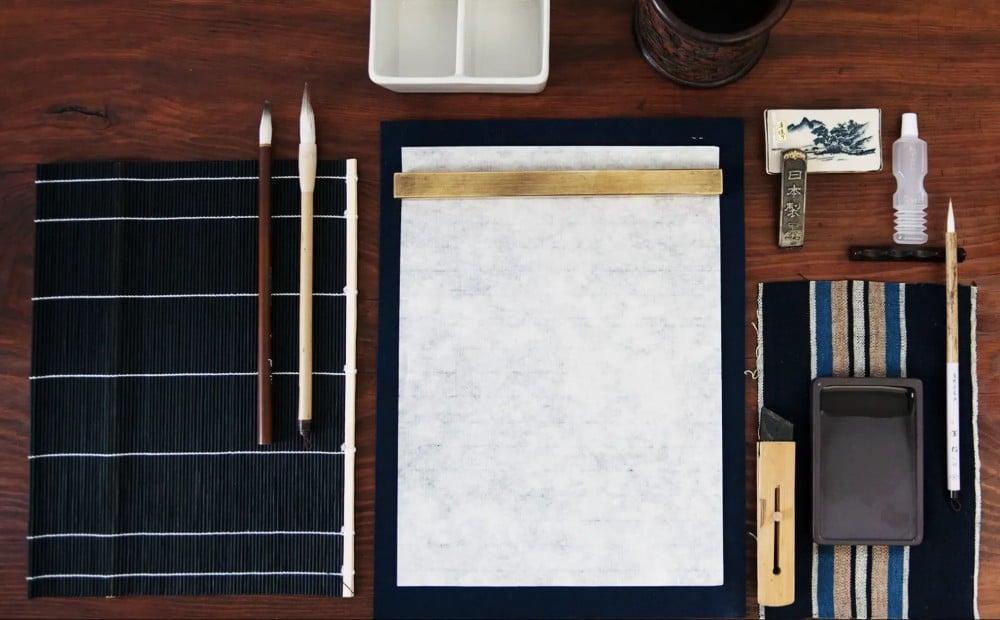
In this guide, we’ll explore the history and philosophy of Shodō, plus recommend the best Japanese Shodō supplies for your first foray into Japanese calligraphy. Read on!
What is Japanese Calligraphy?
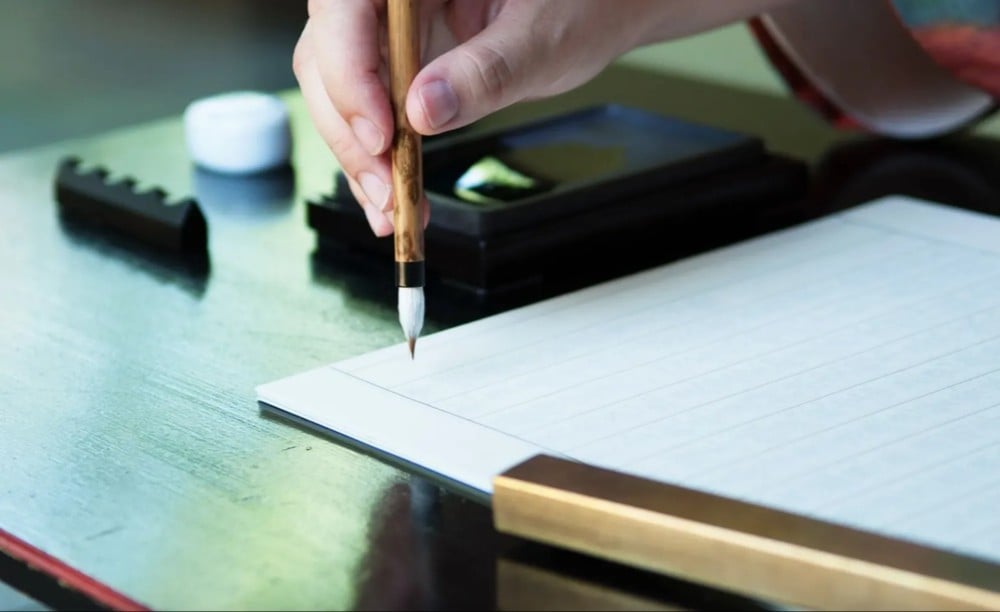
At its most basic level, Shodō is, of course, a decorative method of writing. But it’s one that very much emphasizes the flow of energy and the expression of the calligrapher’s emotional state. This can be contrasted with the European tradition of calligraphy, which is typically a lot less spontaneous and usually produced in the service of some greater purpose – as decoration in a book, for example – rather than being valued in and of itself, in the way that Japanese calligraphy is.
A Very Brief History of Shodō
Although Japanese Calligraphy is a truly ancient art, by the time calligraphy reached these shores it was already a fully-formed system, shaped by hundreds of years of philosophical, artistic, and cultural evolution in China. In fact, for the first couple of centuries, Japanese calligraphy remained very much tied to the Chinese tradition, with scholars and aristocrats typically learning calligraphy by copying classical Chinese texts.
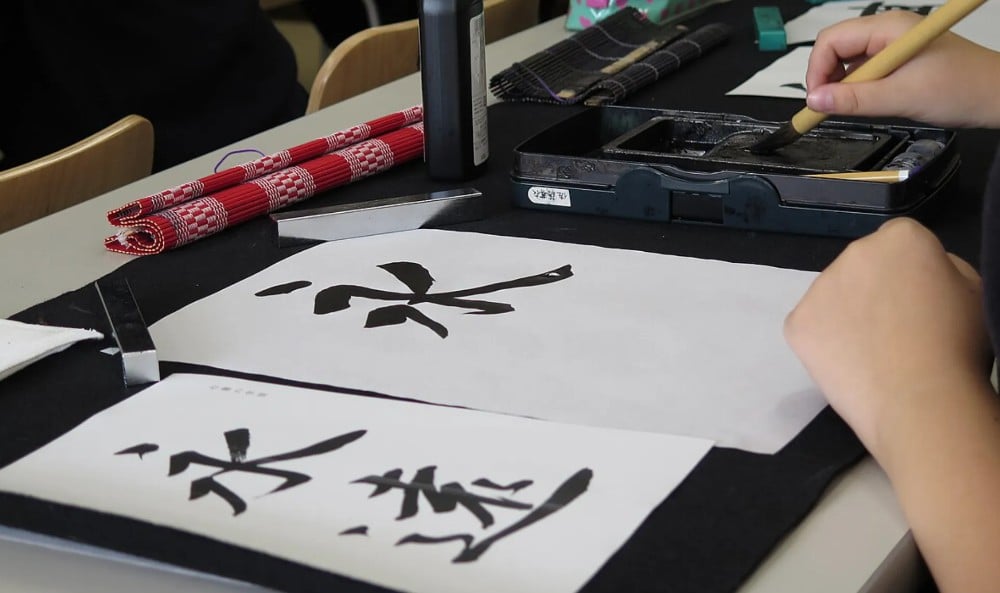 Image credit.
With the invention of the Japanese hiragana and katakana writing systems, however, Shodō developed its own local identity, and by the 9th century AD a truly distinct form of Japanese calligraphy had emerged. Later, the influence of Zen Buddhism and a long period of national isolation further strengthened this unique Japanese character, until it solidified into the Shodō we know today.
The “Way” of Sho
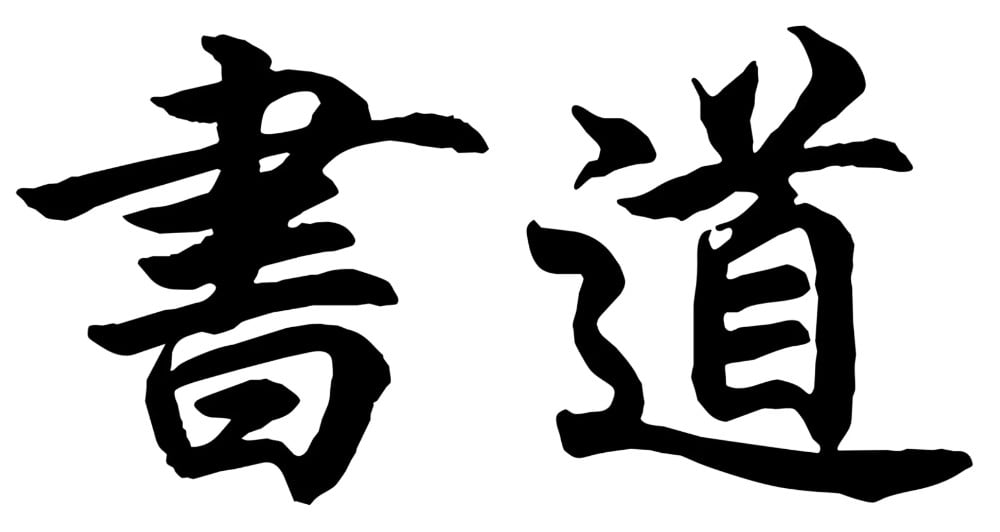 Shodō, written as Shodō. Image credit.
The word Shodō comprises of two kanji characters: 書 and 道. The first, “sho”, simply means to write. More interesting, however, is the second kanji. An evolution of the Chinese concept of “tao”, the word “dō” means a way, a path, a discipline even. Indeed, a “dō” is not something you merely do. Rather, you dedicate yourself to it. Live it, breathe it, become it.
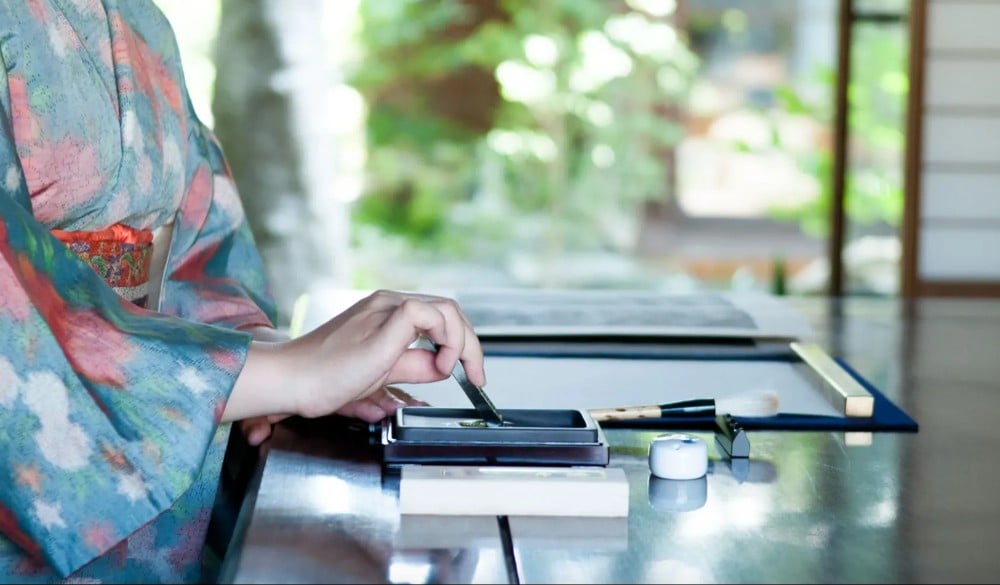
This being the case, studying calligraphy involves a lot more than merely learning to write clearly and developing an appreciation for aesthetics. In fact, to most practitioners, calligraphy is not simply a system of written communication and artistic expression, but also a method of self-knowledge and development. Simultaneously a mirror of the mind, and a tool for transforming the image reflected in that mirror.
Just consider your own signature and it will be obvious that handwriting reveals something of our personal character. What better way, then, to learn about that character – and even to change it – than by consciously examining, critiquing, and training it on a regular basis?
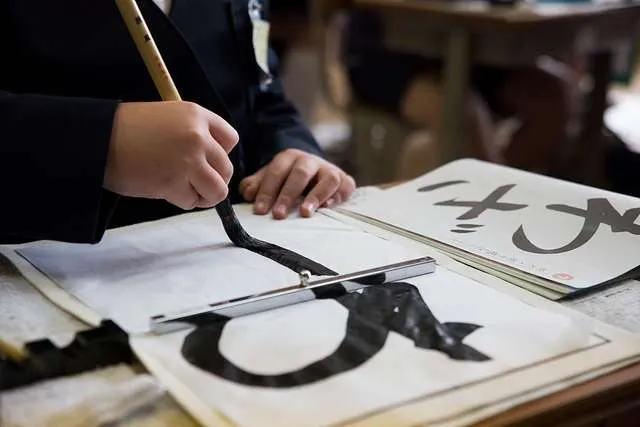 Calligraphy is widely taught in Japanese schools. Image Credit.
Although a master calligrapher aims for unfiltered and spontaneous expression, the first steps upon that path are very clearly defined; there is little room for improvisation. The kanji writing system is built on individual characters that fit into equal-sized squares, executed with a fixed number of strokes in a precise sequence. So when students first start practicing calligraphy, they are encouraged to maintain a calm, humble, and patient mindset; resisting impulsiveness. Indeed, impatience can be a real obstacle to mastering the way. First you must diligently learn the rules; only then can you productively forget them.
The ultimate goal of the calligrapher is non-mindedness (mushiri in Japanese); a clear, Zen-influenced, mental state in which the ego disappears and the calligrapher becomes merely a conduit for the writing – and perhaps also for higher forces. A master calligrapher is one who has learned to flow completely, truly in the moment and never looking back. This is like life itself, where there can be no repeats - and should be no regrets.
With that thought in mind, let’s now turn our attention to more practical matters; the calligrapher’s tools and where to get them.
Essential Japanese Shodō Supplies
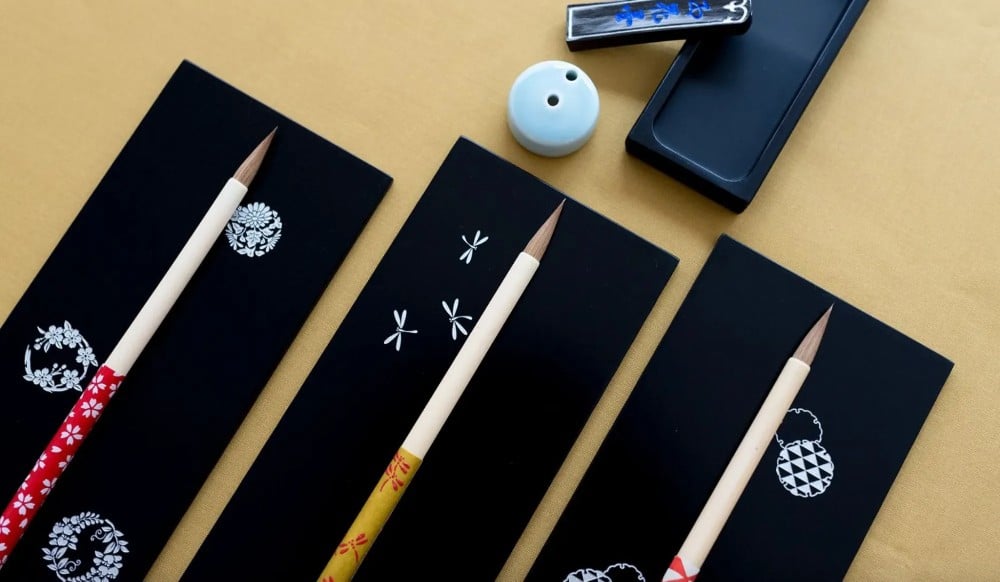
Whether you want the convenience of a ready-made Shodō beginner’s kit, or you’re looking to put together your own custom Japanese calligraphy set from individual items, ZenMarket’s partner store, Shoyu, has you covered.
Visitors to Japan will of course want to check out one of Shoyu’s physical stores in Kyoto, Nara, or Osaka. But for those living overseas and looking to get started with Japanese calligraphy right now, you can easily have high quality Japanese Shodō supplies shipped to you from the Shoyu webstore by signing up for a free ZenMarket account.
While you’ll also find a selection of more general stationery and art products such as western-style paper and fountain pens here, the Shoyu webstore is primarily dedicated to the Japanese art of Shodō. And beyond essential supplies, Shoyu even offers affordable Japanese calligraphy lessons online - with direct personalized feedback from esteemed calligraphy masters.
First though, you’ll want to get yourself fully equipped for the job. And for that you’ll be needing “The Four Treasures of the Study” (bunbō shihō) – that’s the basic tools to you and I.
As it must serve as a direct conduit between the artist and the writing surface, the brush is the single most important item in the Japanese calligrapher’s arsenal. Choose carefully: ensure the head is beautifully conical and the tip is sharp and pointed.
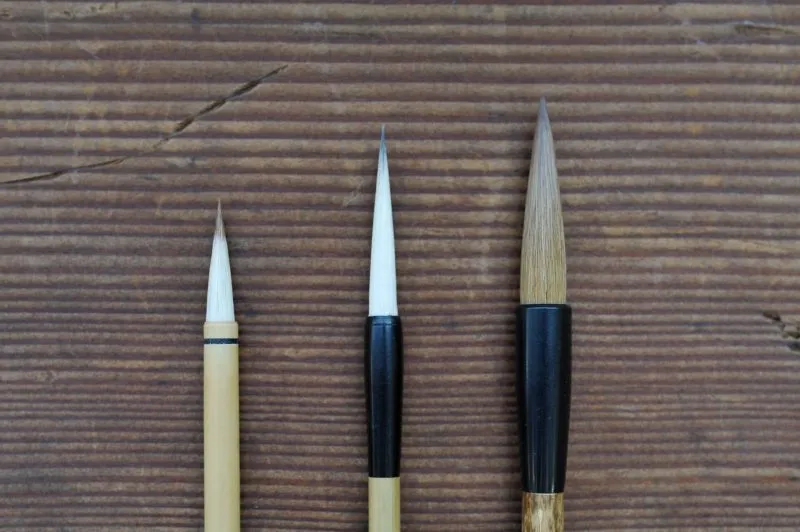
A wide variety of brushes exist – made from an almost equally wide variety of materials – each with a specific purpose. However, new students typically start out with a brush that’s quite firm, only later graduating to softer brushes, which are notoriously difficult to control.
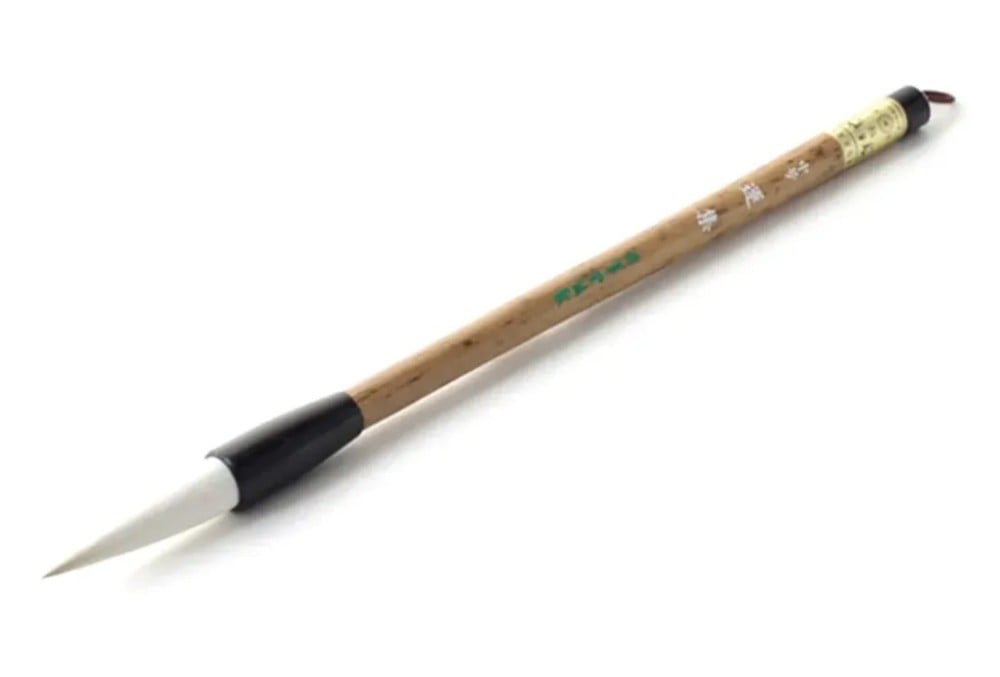
A good place to begin, then, is the medium-sized Unshu from Shuhitsudo. Made from pliable sheep’s bristle, it’s a brush that’s not only versatile and easy to handle, but comes at a very affordable price; ideal if you’re still uncertain whether Japanese calligraphy is right for you.
Ink is thought to have arrived in Japan from China at roughly the same time as written language; around the 4th-5th Century AD. Initially this was ink made from pine soot, but Japan later developed its own method of producing ink from oil soot.
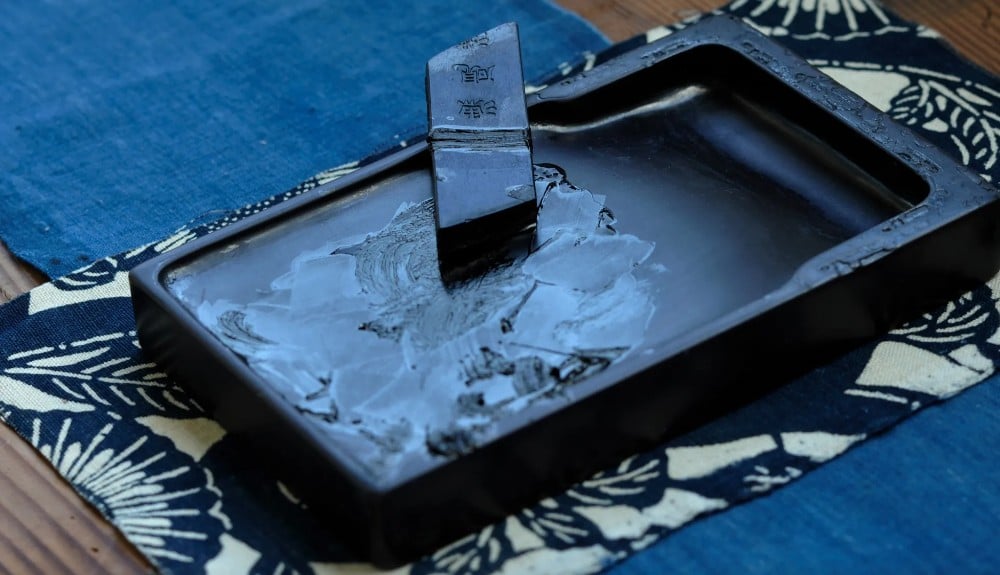
Today most Japanese calligraphy ink is made from burning sesame, tung, or rapeseed oil; which create fine, uniform soot particles. Pine soot ink still exists, but is now considered something of a luxury item, due to the scarcity of high quality pine.
Whatever the raw material used, though, the resulting soot is then mixed with gelatin and a fragrance before being dried in molds to produce a solid block of ink. When it’s time to work with the ink, the calligrapher simply prepares a little of the block with water.
Calligraphers use an inkstone to rub solid ink with water, but preparing ink is not a task that requires physical force. Instead, one rubs it slowly, relying solely on the ink’s own weight, whilst savouring its fragrance and calming the mind. This act of ‘rubbing ink’ serves to settle the mind and prepares one mentally for the act of writing.
Ideally, one would prepare their own ink to truly appreciate the essence of calligraphy, but for beginners, liquid ink is probably the easiest way to get started. This not only saves time, but means that you will become accustomed to the correct consistency of calligraphy ink before attempting to grind your own.
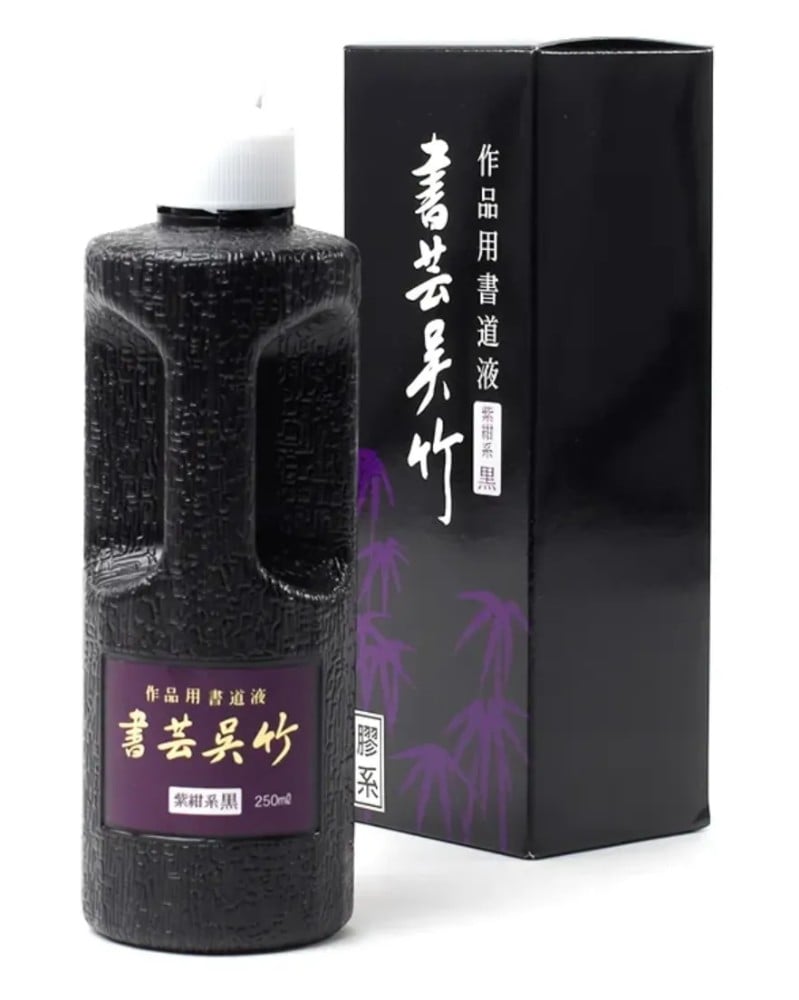 This premixed oil soot ink in deep navy is ideal for aspiring calligraphers.
That liquid ink can be used immediately of course makes it very convenient. However, note that premixed ink has a limited shelf life – typically around two years – meaning that it’s not the best solution for those who only occasionally dabble in calligraphy.
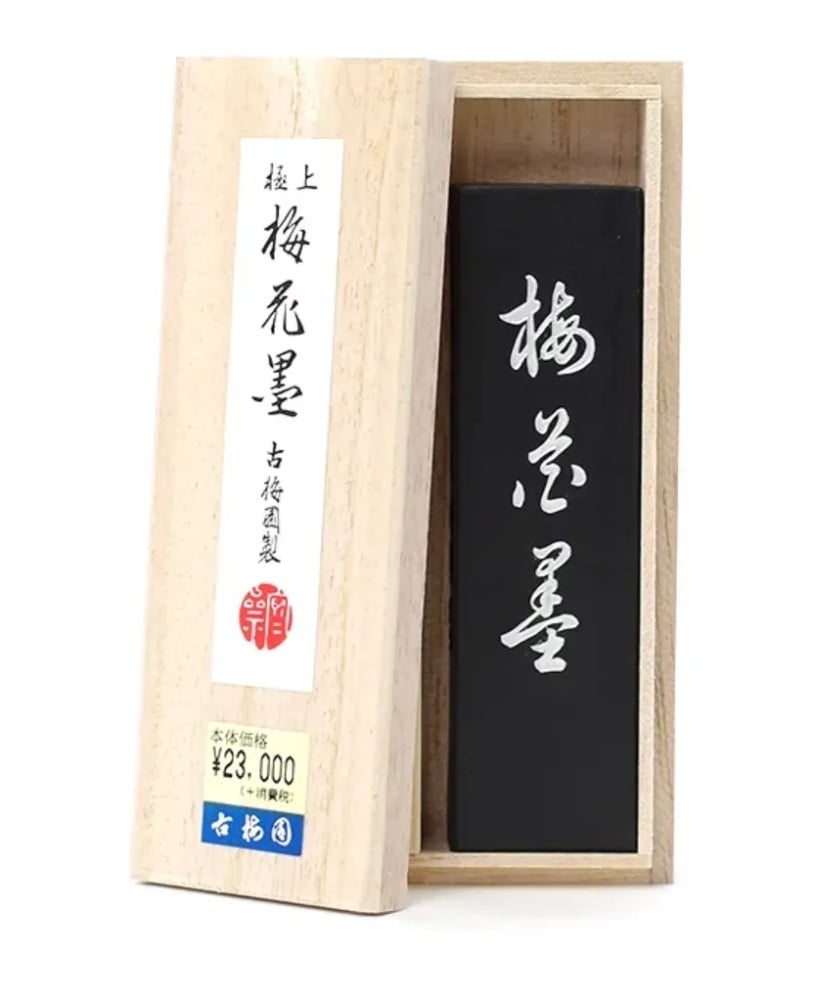 Already convinced that Japanese calligraphy is for you and want to throw yourself in at the deep end? This fine-particled rapeseed oil ink stick is the real deal!
A wide range of paper types can be used for Japanese calligraphy, depending upon the calligrapher’s purpose and intent. Rough, smooth, thick, thin, plain and even colored papers exist. However, perhaps the main distinguishing characteristic – certainly in terms of determining price – is whether the paper was produced by machine or by hand.
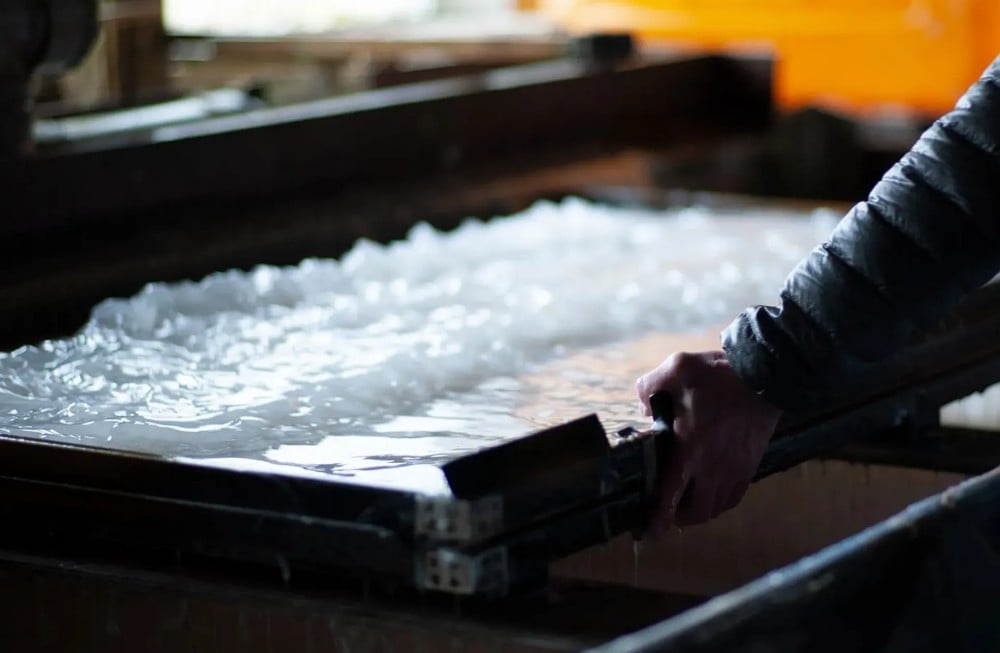 Hand making Washi paper.
Japanese paper (Washi) is undoubtedly the most favored type of paper for Japanese calligraphy. Made from intertwining long plant fibers (typically Mulberry, but Mitsumata is also popular for Shodō), Washi paper is traditionally made by hand and is much stronger than western-style wood-pulp paper. Today, though, machine-made Washi is also common.
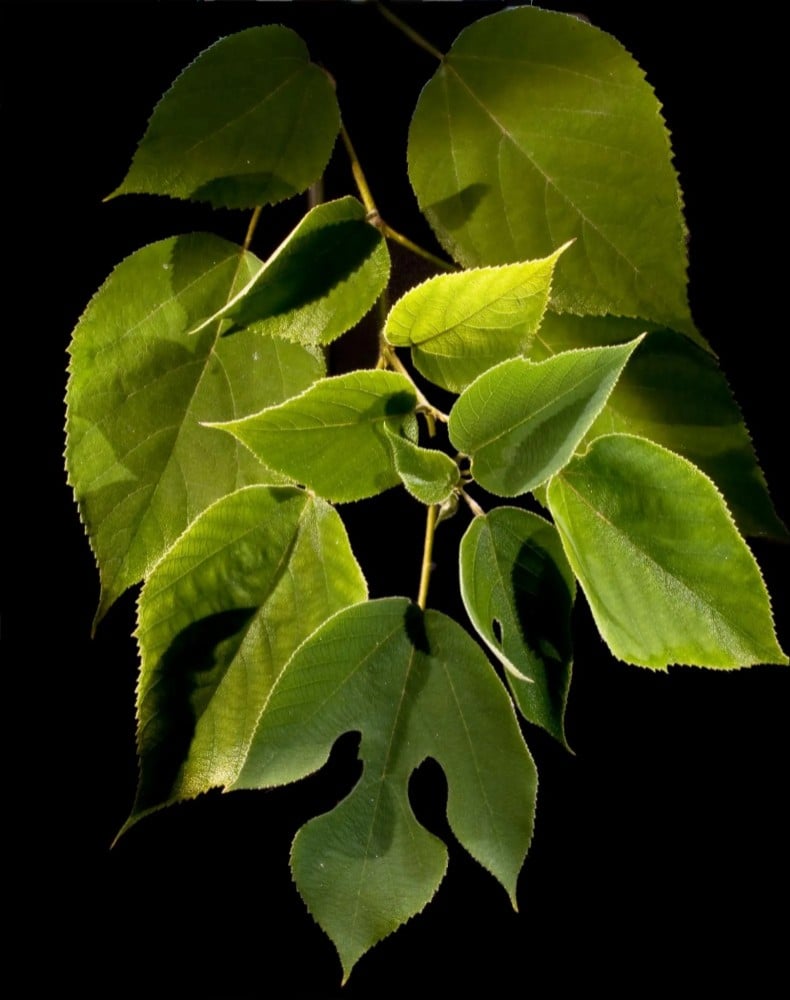 The paper Mulberry tree, used for making Washi. Image credit.
However, while authentic washi is certainly beautiful, it can also be quite expensive. What’s more, it’s often too absorbent for beginners who have yet to develop a confident and fluid stroke, causing the ink to bleed. Instead, for those just starting out on the calligraphic path, we recommend a paper that offers sufficient texture to help keep the brush under control, while remaining cheap enough that you don’t need to worry about wasted sheets.
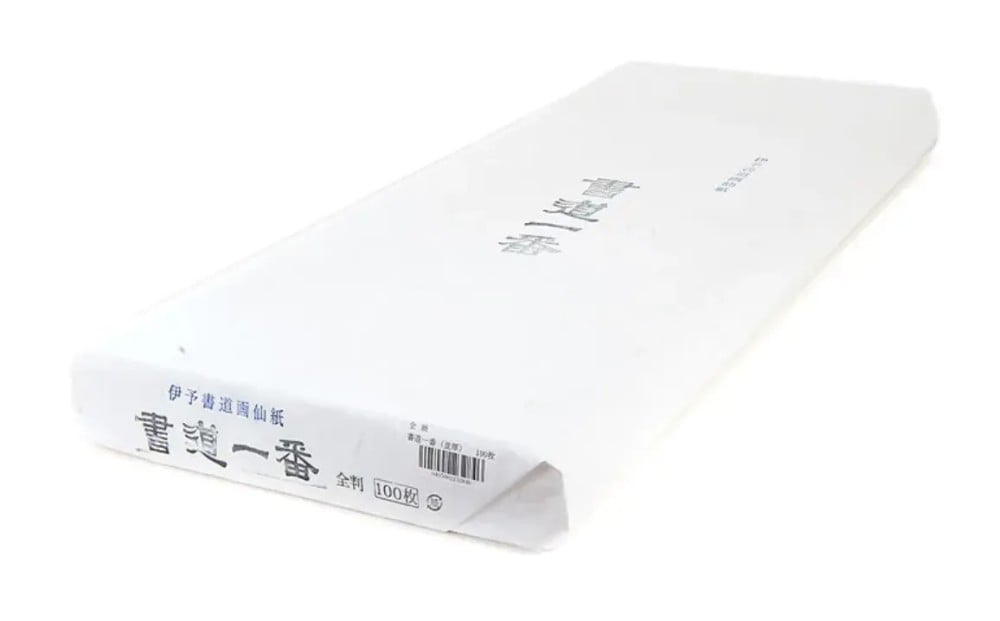
With this in mind, most beginners start with machine-made Hanshi. This is a specific size of paper designed for practice. It is typically smooth on one side, and slightly rough on the other.
Aside from simply holding the ink, a suzuri must also act as a grinding surface. Therefore the quality of an ink stone largely depends on its "teeth" – the microscopic grain found in traditional materials like slate or volcanic rock. These teeth shave particles from the ink stick, with finer grains yielding a superior, creamy consistency.
An ink stone consists of two main sections:
- Oka (The Hill): The flat, slightly sloped surface where you rub the ink stick.
- Umi (The Sea): The deeper reservoir at the other end where the liquified ink accumulates.
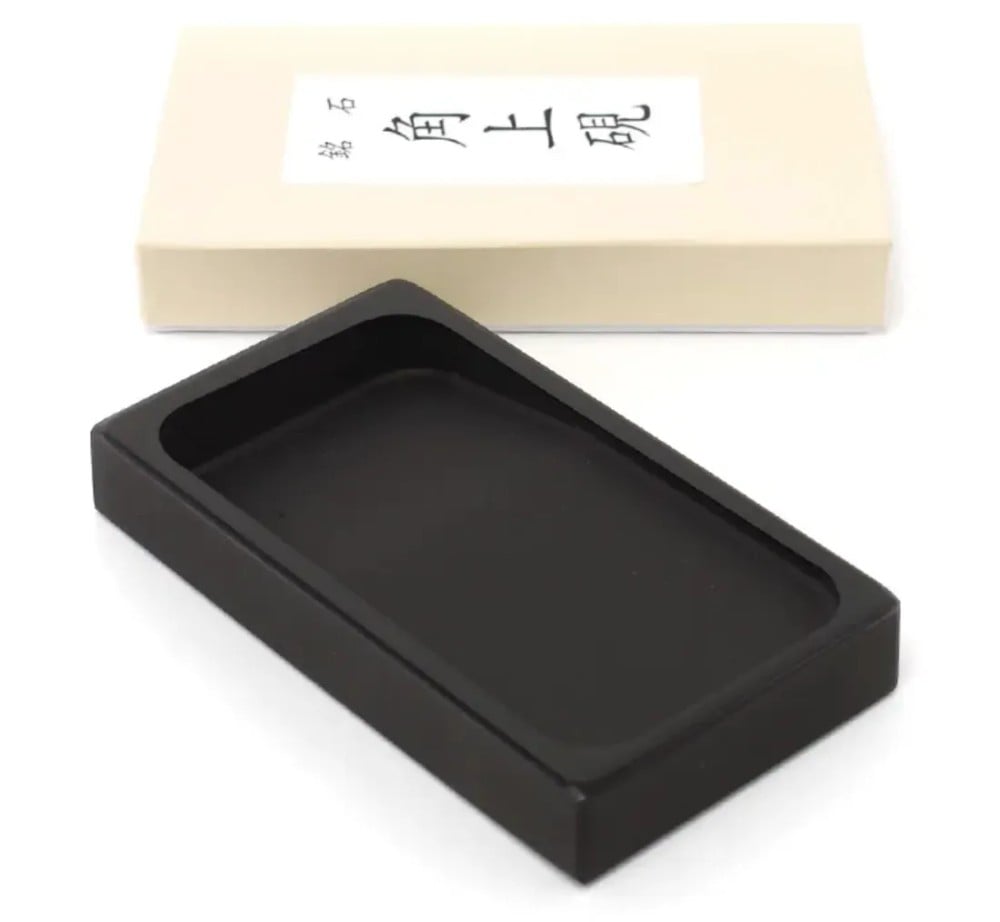
Made in Ogatsu, Miyagi prefecture – a region famous for the production of fine natural inkstone – this classic rectangular design inkstone offers an appealing combination of practicality and aesthetics at an entry-level price point.
- Other Japanese Shodō Supplies
Aside from these basic essentials, other calligraphy tools that you might want to consider purchasing from day one include a water dropper to use when preparing the ink; a paper weight to keep your paper in place; and a mat or cloth to put under the paper - preventing the ink from bleeding through.
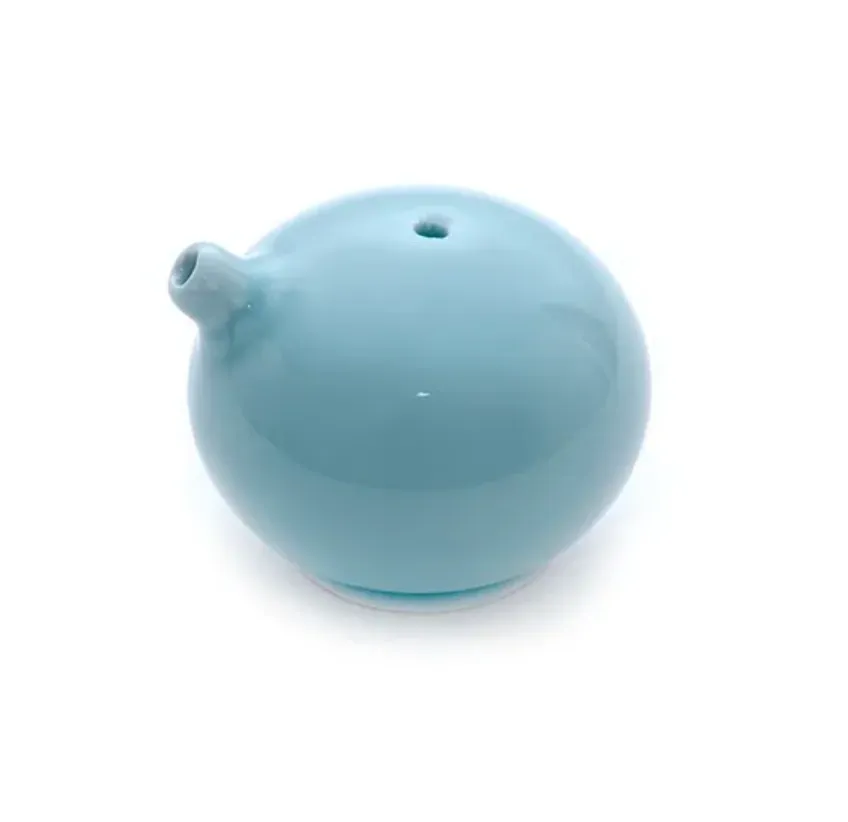
A lovely minimalist Celadon water dropper.
The Best Japanese Calligraphy Sets for Beginners
Beyond the vast selection of individual calligraphy tools and accessories available from Shoyu, those looking for an all-in-one solution are also well catered for. Indeed, you’ll find quite a few complete Japanese calligraphy sets suitable for beginners here. Let’s take a look at two of the very best.
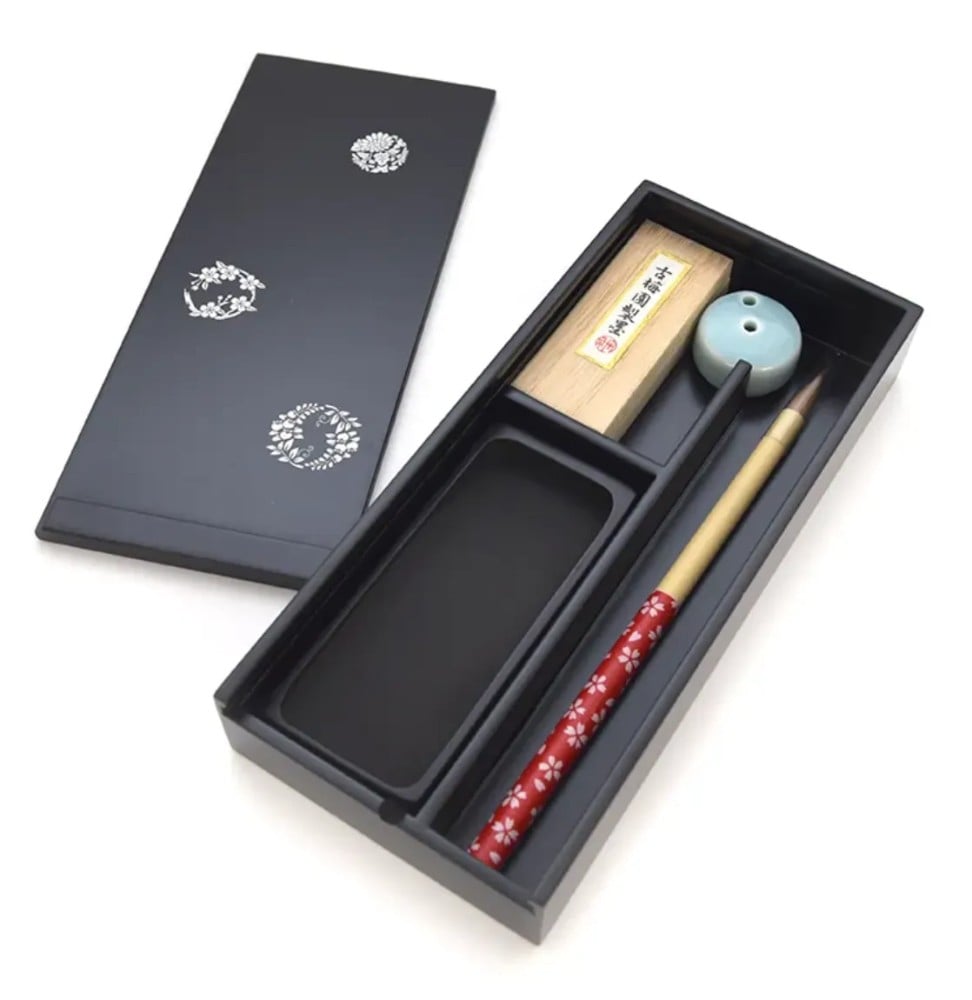
Although priced very affordably, this basic kit contains all the necessities; just add paper and you’re good to go!
Conclusion
As we’ve seen, studying Japanese calligraphy can bring a great many rewards beyond just developing beautiful handwriting. As much a path to self-knowledge and personal development as an artistic training, Shodō teaches us discipline and the ability to live in the moment.
Keen to give Japanese calligraphy a try for yourself, but unsure where to get Japanese Shodō supplies? By signing up for a free ZenMarket account, you can immediately add a beautiful Japanese calligraphy set, calligraphy paper, and all other essential Shodō materials to your cart today.
Don't have a ZenMarket account yet?
Sign up