With the pumpkin lantern, candy coma, and trick-or-treat season upon us — it's time to look for something spooky to sit with, something ghastly to gawp at, or maybe even something so spine-chilling you'll need an exorcist for your gaming setup by November.
Here's our top picks of survival horror classics, spooky gaming spectacles, and goofy ghoul fests to drop into your little Halloween bucket and skip off home with for playtime with your friendly pet poltergeist (and/or other favourite demonic entities).
Luigi’s Mansion — Nintendo GameCube (2001 JP/NA; 2002 EU/AU)
Surprisingly atmospheric and spooky for a first-party Nintendo game, this is a great choice for both younger gamers and those closer to the grave alike. Luigi has mysteriously “won” a mansion from a competition he never even entered. When he arrives, he discovers it’s crawling with ghosts—and that his brother Mario has already gone missing inside. It’s up to Luigi to step into the limelight (kind of literally, because he’s wearing green) and rescue his brother from the deadly clutches of the recently inherited and extremely haunted house.
Armed with a flashlight and the Poltergust 3000 (a ghost-gobbling vacuum machine provided by the mansion’s temporary ghost expert, Professor E. Gadd), the “flash and suck” gameplay (and yes, we hope we never have to say that again) is far more family-friendly than it sounds. The vacuuming is responsive and satisfying in “combat,” and dusting down pots, snuffing candle flames, and inhaling rugs can all lead to nice little secrets—or even big ones—making exploration beyond the simple joys of mansion navigation highly rewarding.
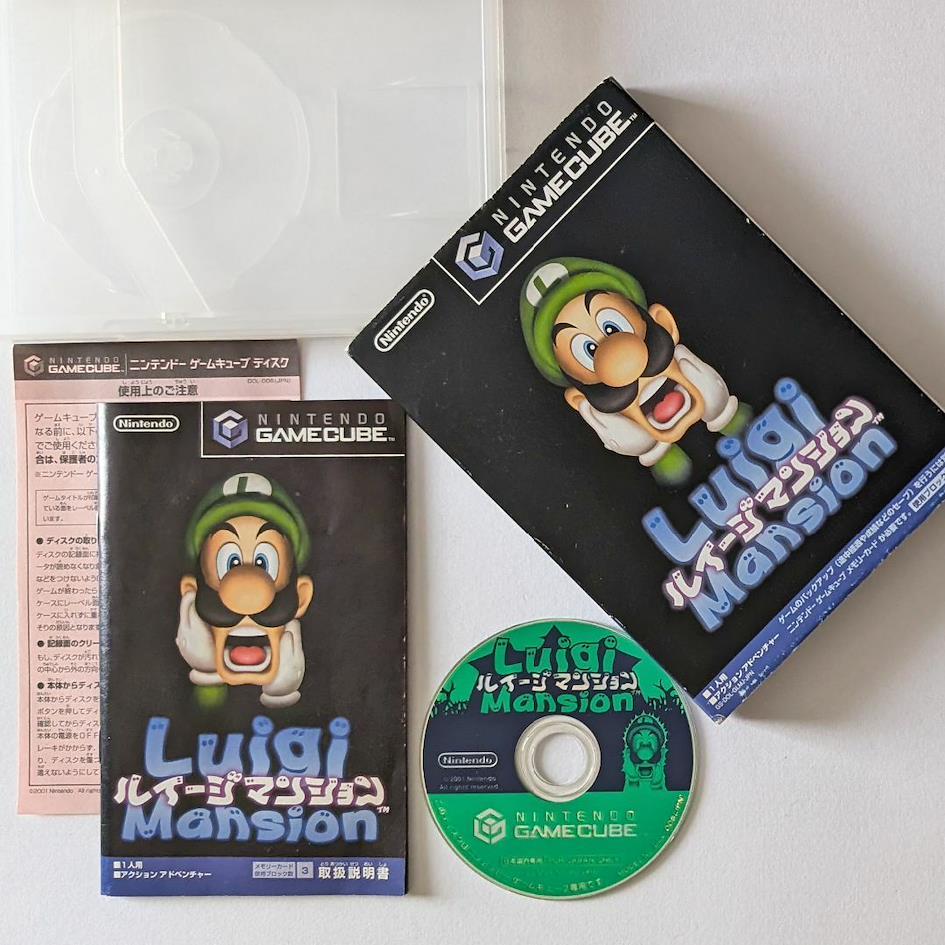
We’ll level with you: this GameCube horror classic isn’t especially long—however, Halloween is only one night, and that makes it perfect for a single spooky long-play session if you’re staying locked inside like some freakish experiment. The scoring system for collecting cash does result in a degree of replay value, and though not shallow, it will have minor real estate consequences by the time the credits roll—so stuff your plumbing dungarees full of gold bars, coins, jewels, banknotes, and pearls.
Luigi’s Mansion got an unfairly bad rap at the time—much of this was due to the lack of a “true” Mario title at launch. But if you appreciate the quirkier, weirder side of things, especially with Nintendo’s talent and financial clout behind it, this creepy classic is a must-play. There’s a degree of both majesty and charm in how the game balances its humor and its spookiness that’s highly endearing. The end result is equal parts comfortingly cartoonish and slapstick Halloween silliness.
Though we’re highlighting the original Luigi’s Mansion here, the series went on to have a strong afterlife of its own. A remake of the GameCube original arrived on Nintendo 3DS in 2018, while Luigi’s Mansion 2: Dark Moon released on 3DS in 2013 before resurfacing as Luigi’s Mansion 2 HD on Nintendo Switch in 2024. The most recent entry, Luigi’s Mansion 3, came to the Switch in 2019, cementing Luigi’s ghostbusting adventures as a staple of Nintendo’s modern horror-inspired lineup.
Eternal Darkness: Sanity's Requiem — Nintendo GameCube (2002 Global)
Developed by the ill-fated studio Silicon Knights as a Nintendo GameCube exclusive back in 2002, it’s incredible (and deeply unfortunate) how, to this day, this game is still somewhat ironically trapped in eternal darkness itself—the lingering purgatory of the teeny-tiny GameCube disc (provided you aren’t being naughty and using ROMs).
This IP deserves much better than the fate it has found. The sanity mechanics were, and still are, mind-bending. The looming, Cthulhu-esque ancient evil was daunting, the puzzles were clever, and the chapters diverse in setting and thoroughly engaging. Even the combat system holds up remarkably well, with the ability to target individual body parts to slow down or incapacitate enemies adding a nice tactical edge.
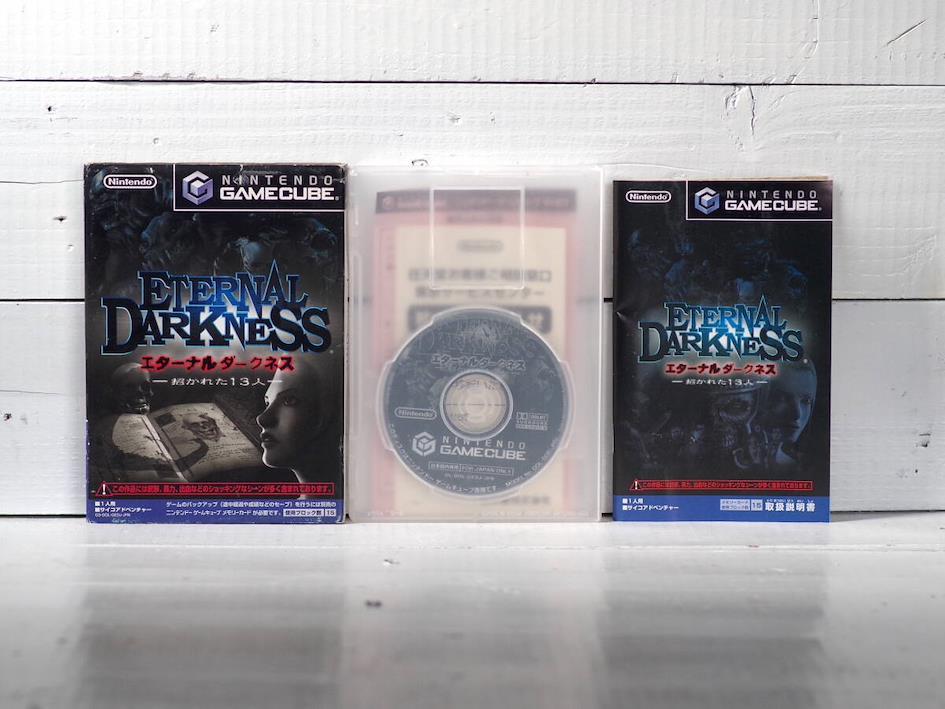
If you’re new to horror titles—or just know very little about this game—it’s best to go in blind. It’s brimming with creative scares and surprises that are best experienced fresh, and you’ll be in for a real shock at some of the horrors the game will throw at you.
The storyline follows the cursed lineage of the Roivas family, with you playing as Alexandra Roivas, exploring her grandfather’s mansion shortly after his mysterious and violent death. Through the Tome of Eternal Darkness, you also step into the roles of various characters across history—including some of Alex’s ancestors as well as other doomed figures bound to the book’s curse. Over the course of the game you’ll uncover a timeline of ghastly secrets and truths that threaten the fabric of her reality—and perhaps even the safety of humanity itself.
The game is peppered with big scares, little scares, and even hints of devilish humour—especially when it comes to the (at the time) patented sanity effects (yes, actually patented). Walls bleed, controls reverse, and wild things begin to happen when your sanity meter drops. Executing and overcoming the monsters that lurk in the shadows is the only way your character can hold it all together.
With Eternal Darkness: Sanity’s Requiem, the whole experience is so competent and confident in what it’s trying to portray that, if you’re into these kinds of psychological horror games, you’ll be sucked right in. Even if a game were made today to emulate the style of the era and the design choices on display here, it’s hard to believe there will ever be another quite like Eternal Darkness. Find a way to play this one—you really won’t regret it... until you attempt to get some sleep, of course.
Resident Evil / Biohazard Remake — Nintendo GameCube (2002 Global)
There’s just something about this remake that has stood the test of time like so few horror games have managed to. And of course—it’s Capcom flexing their beefed-up mutant survival horror muscles again for the first (and not last) time on this list.
So many games from the Resident Evil / Biohazard series could have made this list, but this one is both a fantastic classic survival horror game in its own right and the perfect onboarding point for anyone new to the series and a Halloween go-to for many.
This 2002 remake wasn’t just a touch-up—it was a full ground-up reimagining of the 1996 classic Resident Evil. The leap in visuals was astonishing at the time, with pre-rendered backgrounds, dynamic camera angles, and eerie lighting that pushed the Nintendo GameCube to its limits. Capcom also expanded the Spencer Mansion itself: new rooms, outdoor sections like the Cemetery, and of course the unforgettable addition of Lisa Trevor, one of the most tragic and terrifying figures in the series’ lore.
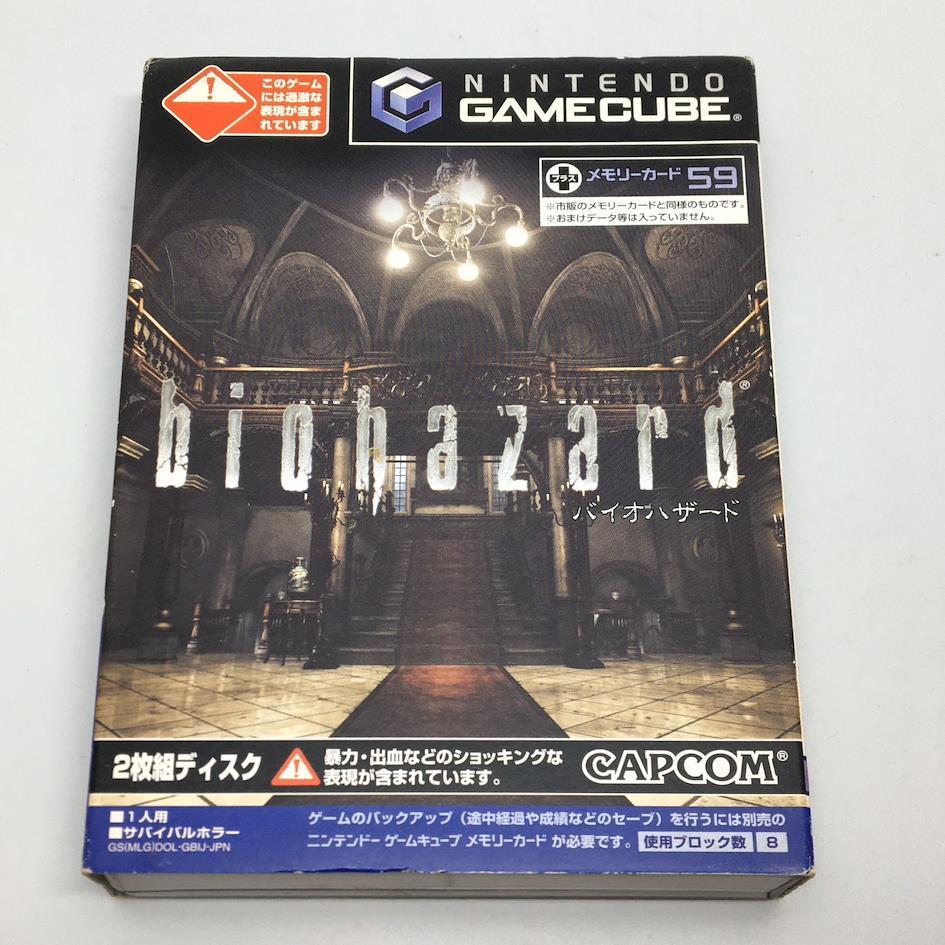
Gameplay was sharpened with defensive weapons—daggers, tasers, even grenades—that gave you a desperate lifeline if an enemy grabbed you. And just when you thought you could relax after downing a zombie, the game introduced the infamous Crimson Heads: corpses that resurrect into faster, deadlier versions if you don’t burn them. It was a brilliant mechanic that kept the tension high even when backtracking through cleared areas and definitely leveled up the pant destruction factor.
A bold update of an already classic horror title, this remake in our eyes is forever horror gaming royalty. The original Resident Evil still has its charm, but this version refined the formula so perfectly it became the template for how to remake a survival horror game.
Just to clarify, playing this on the GameCube is great for purists, but it’s often available for low prices on platforms like PC and most console storefronts in its even glossier form, so it’s always worth grabbing there instead.
If you’re hungry for more and want to read about this and every other Biohazard / Resident Evil game ever made, check out the Every Resident Evil / Biohazard Game Ever article here!
Gregory Horror Show — Sony PlayStation 2 (2003 JP/EU; not released in North America)
Another of the mostly family-friendly horror games on this list, though not lacking in silly spookiness and the occasional brush with the questionably adult and suggestive.
Based on the anime series of the same name (which shares the same offbeat sense of humor and is worth tracking down if you can), the game actually outshines its source material. It offers a tightly delivered, short-and-sweet spooky experience, backed by the high degree of quality Capcom were serving up at the time.
In Gregory Horror Show, you play as Boy or Girl, who becomes lost in the woods and stumbles into Gregory’s creepy old hotel. Your task? To steal the souls that the strange hotel guests have accumulated and send them to the afterlife. To do this, you’ll need to observe each guest’s habits, routines, and behaviors—sneaking, spying, hiding, and piecing together clues to discover a vulnerability in their activities that allows you to strike. When you succeed, you’ll snatch up one of their precious and oh-so-shiny souls and bottle it tight into a mason jar.
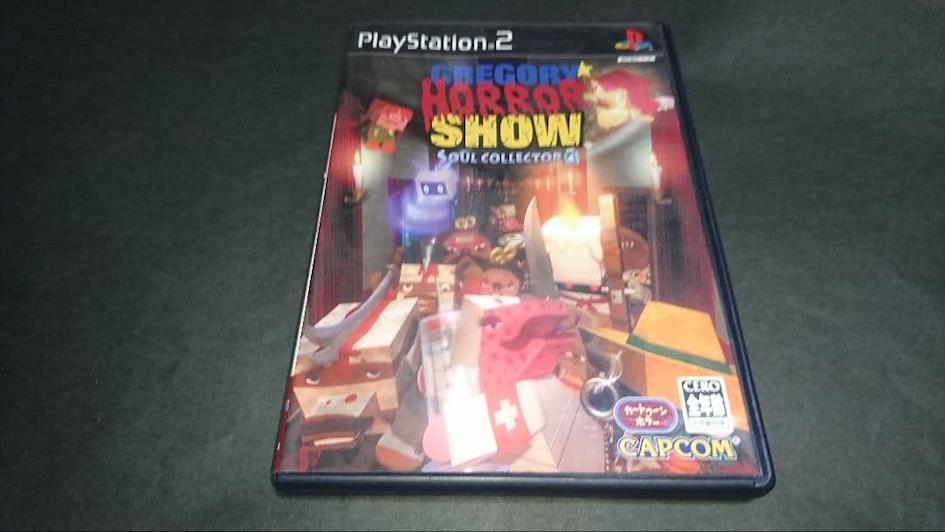
The game plays out over a series of “nights,” though time doesn’t flow linearly. Days only advance when you deliver guests’ souls to your cutesy, legless, Swedish-hat-donning buddy: Death. Each new night brings fresh characters, and progression is genuinely exciting thanks to the sheer personality packed into these bizarre guests.
The characters are a major draw—each memorable in their own twisted way—and their eccentric personalities are some of the game’s biggest highlights. You’ll meet a bloodthirsty, highly aroused lizard nurse; a moral-fable-spouting boy on rails with the scales of judgment dangling in front of you; and, of course, the save-room frog. We can highly recommend just hanging out in the save room—Capcom has an uncanny knack for making these safe havens feel special.
Items are equally oddball: Scissor Salads (yes, a sharp pun on Caesar salad), herbs, banana skins, and more. There’s something slapstick and charming about it all, but don’t let the cuteness fool you. Spying on guests only to get careless and bump into another patrolling the hall can trigger frantic chase sequences. Some are genuinely frightening—especially a certain character on night two, which delivers a true jolt of horror among all the boxy cuteness.
Beyond the main gameplay loop, there are Mario Party-esque board game sections, fun searching and collecting with the knocking mechanic, and collectible books that upgrade your mental meter (essentially health). Even just picking up random items to read their inventory descriptions is surprisingly entertaining. The Gregory Hotel shop adds a trading system too, letting you swap items with star ratings for more valuable goods. It’s nothing deeply complex, but it provides just enough variety to keep things fresh.
All in all, Gregory Horror Show is a charmingly weird, spooky, and memorable horror game—one that mixes wacky humor with real moments of tension and horror in a way only Capcom could pull off.
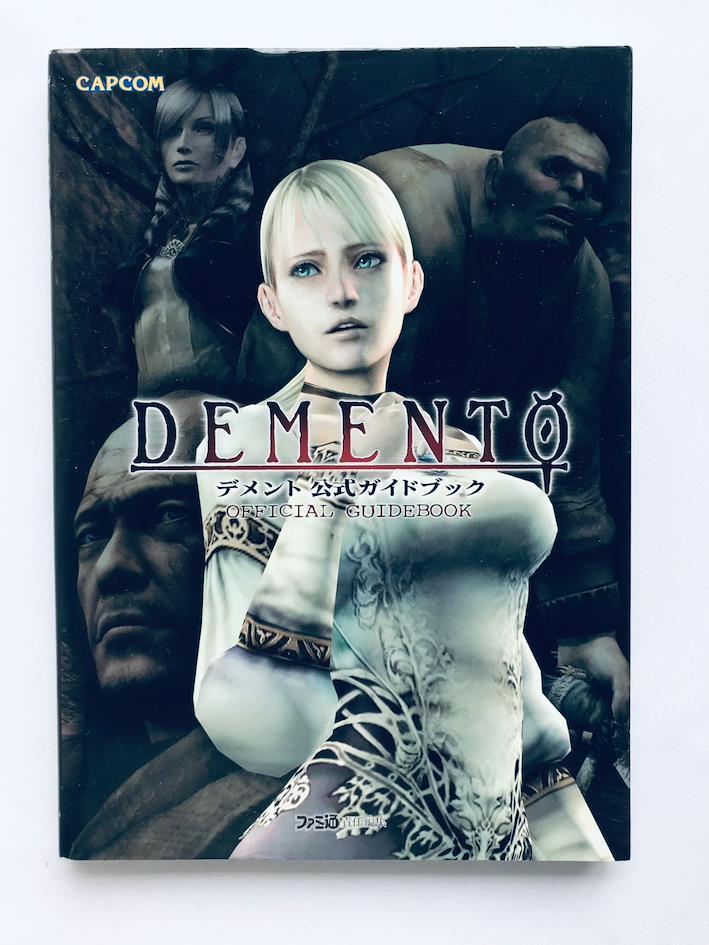
Demento / Haunting Ground — Sony PlayStation 2 (2005 JP/NA/EU)
A spiritual successor of sorts to Capcom’s also-scary (though slightly less refined) Clock Tower 3, Demento—known as Haunting Ground in the West—is best described as an extreme dog-walking sim punctuated by violent Tom-and-Jerry-style chase sequences and psychotic hide-and-seek. It’s certainly not your run-of-the-mill horror title.
One of this title’s most distinctive elements is the partnership between protagonist Fiona and Hewie the German Shepherd. The dog-handling mechanics are remarkably functional—mostly a delight, only occasionally frustrating—and they add real depth to both puzzles and combat. Your treatment of Hewie also directly affects his obedience: care for him (praise/pet, feed, protect), and he’ll become braver, more responsive, and more effective in fights. Neglect him (scold too much, let him take heavy damage), and he may disobey, ignore commands, or even run away. This relationship is also a key factor in determining which of the game’s four endings you’ll receive.
Keeping Hewie in your good books is wise if you want an easier time as you’re rarely advantaged in direct combat; stealth, guile, and running are how you survive. Of the tools you do have to distract or defend against foes, Hewie is often the strongest. Complementing him is a surprisingly rich set of accessories that tweak Fiona’s impact on the world—boots that boost kick damage and others that mute your footsteps for quieter movement. There are also both throwable and placed items (we hesitate to call them actual weapons) that are individually weak, but perfect for buying a lifesaving window to escape.
As the game plays out, each main area provides a new boss-style character who will act as a persistent stalker. It's your job to navigate the area and explore as well as solve any puzzles that impede your progress, all whilst observing any patterns or weaknesses in your enemy and hiding and evading when they’re nearby. Each section then culminates in a dramatic confrontation and often extremely satisfactory table-turn of power dynamics between you and said villains.
As a relatively late PS2 survival horror release, it’s clear Capcom had mastered the hardware. The graphics are strong, with striking environments and thick atmosphere. Camera angles sometimes echo Resident Evil, but they’re often used creatively to frame Fiona’s hide-and-seek horror. A special mention goes to the Panic system: under stress, the screen desaturates and pulses, the controller hammers Fiona’s heartbeat, and her movement becomes erratic—she stumbles, fumbles inputs, and is harder to control until you use healing items or give her time to recover. It’s immersive and nerve-jangling in the heat of a chase.
Haunting Ground remains a standout in the PS2 horror library: strange, stylish, unnerving, and, in many ways, ahead of its time in how boldly it tackles uncomfortable adult content and themes.
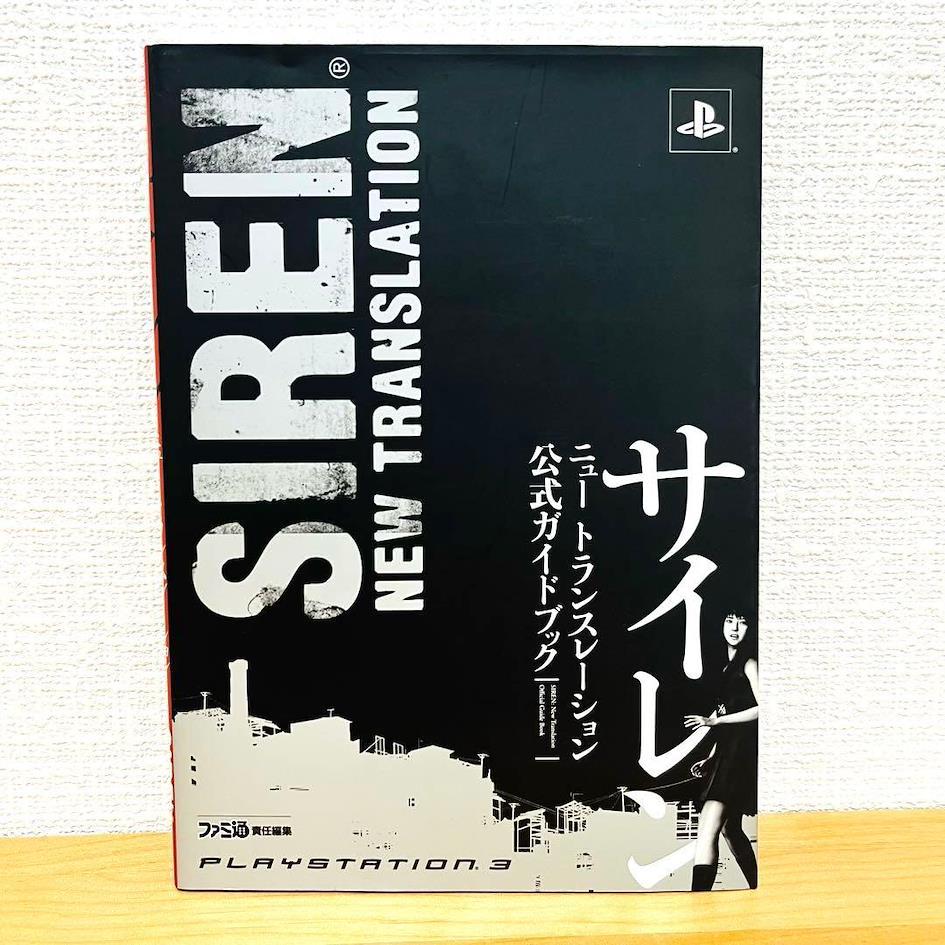
Siren: New Translation / Blood Curse — Sony PlayStation 3 (2008 Global)
If you’re in that specifically weird mood where all you want is cursed Japanese locales, ritual sacrifice, undead human/insect hybrids, and trippy cyclical time jumps—well, you’re in luck. Originally released episodically on PlayStation Network in 12 parts (and later bundled physically on disc), Siren: Blood Curse stands as one of the PS3’s most distinctive horror offerings.
For a bit of background: the Siren / Forbidden Siren series was created by some of the same minds behind the original Silent Hill. They certainly knew their horror, and what they summoned from the darkness was no mere clone or discount alternative. Despite difficulty spikes and clunky controls, the series immediately carved its own territory in the survival horror landscape with groundbreaking features like early facial motion capture (uniquely unsettling on PS2) and the Sight Jacking system—a supernatural mechanic that lets you view the world through your enemy’s perspective.
This entry, however, is about Siren: Blood Curse (also known as New Translation), an update that smooths over many of the earlier games’ rougher edges. While it doesn’t quite perfect the formula, it delivers a unique horror experience that true fans shouldn’t miss.
The PS2 titles were notoriously clunky—heavy controls, steep challenge—but the atmosphere was always harrowing, tense, and unforgettable. Blood Curse keeps that oppressive atmosphere intact while refining gameplay. For what it lacks in slickness, it makes up for in vibes, dread, and the satisfaction of simply surviving. Every section, objective, and level completion feels like an achievement. The challenge is high and demands careful planning and strategy—even on the game’s shorter levels.
At its core, Blood Curse plays best as a survival-horror stealth game. Combat exists, but most weapons are weak and fragile—often laughably so. That doesn’t mean they’re useless: a well-timed strike can create the vital window you need to escape. But for the most part, unless you’ve got something big, sharp, heavy, or loud, combat is best avoided.
Scenarios provide solid variety: rural villages, shadowy homes, churches, hospitals, and mines all appear. Gameplay also shifts depending on who you control. Bella’s levels, for example, have you sneaking around as a terrified child. When these levels work, they’re thrilling—but the immediate fail states (mercifully limited to her sections) feel dated.
The whole thing drips with atmosphere, and even just sitting in the dark with the title screen and its music is enough to make your hair stand on end. Stealth can often feel frustrating in games, but here there’s just enough combat freedom to balance things out. What really elevates the experience is the constant pressure—the sense that danger is never far away.
At times, the game feels almost like a puzzle: studying Shibito patrols, timing movements, juggling threats. Few moments compare to a raging Shibito charging toward you, just as the screen snaps into its perspective and you see yourself through its eyes—a jarringly disorienting, shriek-inducing horror experience.
The story is thick with mystery and intrigue throughout and is engaging from start to finish. We won’t spoil the ending, but it left us scratching our heads—not in the way we expected, either.
It would be a real shame if we never saw another entry in this series.
Crow Country — PlayStation 5 / PlayStation 4 / Xbox Series X|S / Nintendo Switch / PC (2024 Global)
A real retro-themed horror treat. Taking cues from titles throughout the PS1 survival horror era, with all the nostalgia and just the right amount of quality-of-life improvements, it’s not hard to shower this one with praise. The visual style is on point, the humour is sharp, and the blend of cheesiness and mystery is genuinely compelling. Some of the puzzles make you think, but they’re never overly taxing, and there’s just enough ammo conservation to make this feel like a survival horror throwback without becoming archaic or tiresome.
The premise is clear, though perhaps everything (and even everyone) isn’t what it seems. Set in 1990, you play as Mara Forest, investigating the park two years after its closure. As the story unfolds, you piece together evidence of dark, twisted events and uncover unsettling clues about what really happened here. Thanks to the gnarly guests roaming the park and organic root-like monstrosities clawing out of the ground, it’s obvious from the start that this is no cheerful family theme park anymore.
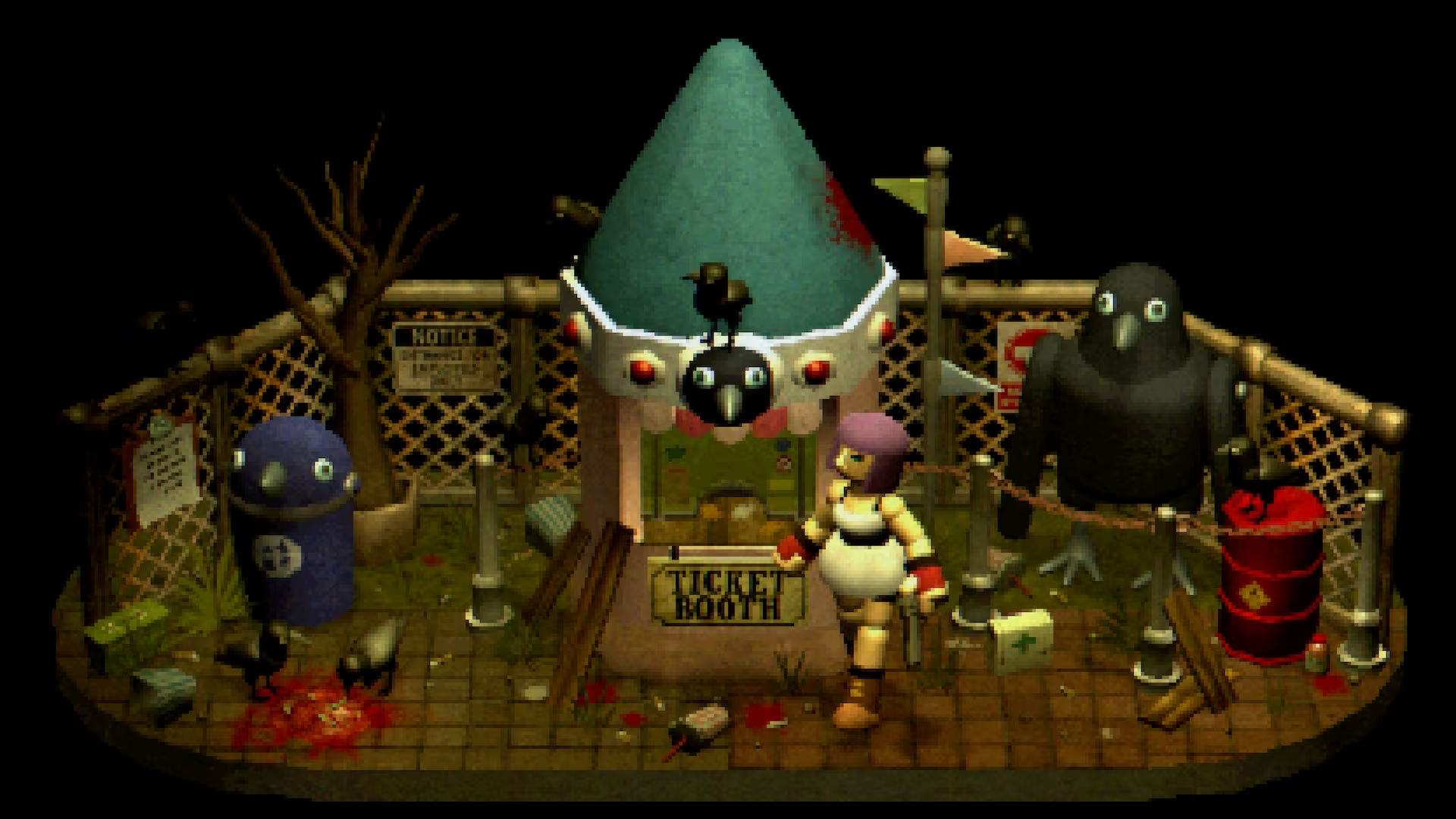
The abominations you face in this deranged and dilapidated setting are plentiful and an absolute blast to blow up and gun down. Combat is responsive, and the gameplay consistently fun—just challenging enough to keep you on your toes without straying into frustration.
The narrative—arguably deliberately clichéd—is still enjoyable to follow, with enough twists to keep you guessing. The game concludes on a satisfying note, never overstaying its welcome. Better yet, there’s genuine replay value here: a ranking system, unlockable weapons (like the Crow Bar and Crownade Launcher...we see what you did there...), hidden secrets, and even multiple endings encourage repeat runs. For Halloween survival horror thrills, you’d struggle to do much better than this one—highly recommended.
Dead Space Remake — PS5 / Xbox Series X|S / PC (2023 Global)
Don’t you hate it when your planet-cracking mining ship accidentally digs up a giant alien artifact that turns an otherwise routine ore-refining mission into a hellish nightmare of deep-space gore, viscera, and ancient intergalactic evil?
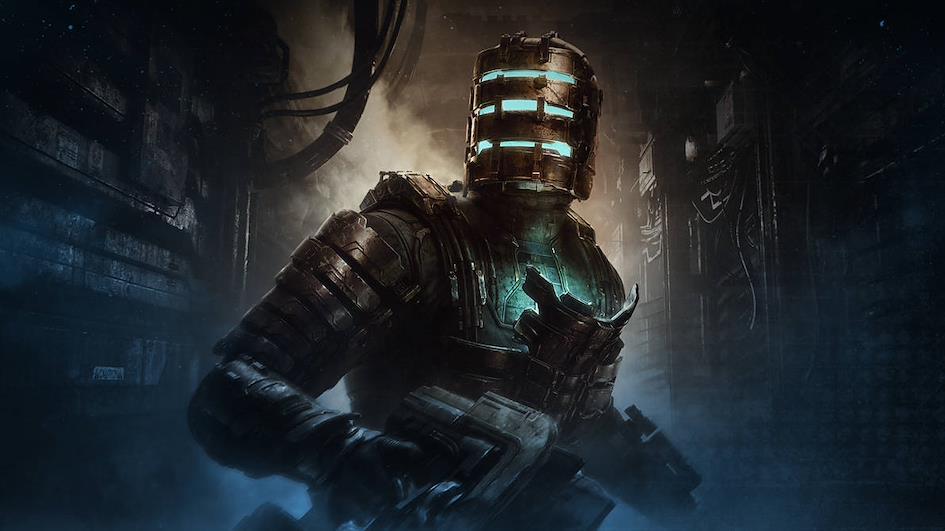
A game chock-full of blood, jump scares, and low-oxygen brutality, we follow space engineer Isaac Clarke as he battles to keep both his sanity and his life intact during what has to be one of the worst work assignments in history. This is also a personal struggle for Isaac as he's on a desperate search for his girlfriend, Nicole, whose fate aboard the USG Ishimura becomes one of the wilder narrative threads.
Gameplay-wise, the hook is the iconic Plasma Cutter, a weapon perfectly suited to the game’s signature dismemberment mechanics. The Ishimura’s crew has been repurposed into bloodthirsty, HR Giger-esque Necromorphs, and simple headshots won’t do. To truly kill a Necromorph, you’ll need to strategically slice off their limbs. Stomping, punching, blasting, and dismembering are all on the menu—and the game’s arsenal, from the shotgun-like Force Gun to the Line Gun and Flamethrower, encourages creative problem-solving and grisly efficiency.
As is the trend with a few horror game remakes these days, this one not only rivals but in many ways surpasses the original Dead Space. The 2008 release was already a benchmark for sci-fi horror, but it arguably never quite reached the same legendary status as Silent Hill 2 or some of the stronger Resident Evil entries. This remake, however, elevates the original formula with stunning graphics, excellent physics, reworked sound design, and a level of polish that makes it feel brand new and relevant all over again.
Silent Hill 2 Remake — PS5 / PC (2024 Global)
People said it couldn’t be done. People said this was the impossible remake, and that developer Bloober Team weren’t up to the job. How wrong we all were. Relive the nightmare of our glum friend James Sunderland as he trudges back to that oh-so-special place tied to his deceased wife, Mary. A letter supposedly from Mary has drawn him here… could it really be her? What’s going on? And what’s that on the back seat of his beater old car?
Let’s get this out of the way: for hardcore fans of the survival horror genre, we’d still recommend playing the original Silent Hill 2 first if you can. It’s a different experience—its themes, style, and delivery are still fantastic—but for better or worse, they’re overshadowed by this remake in almost every way, and it’s tough going back once you’ve played it. As a cinematic survival horror experience, the original will always be worth playing. But the love for the source material and the attention to detail here make this a contender for the best horror remake of all time.
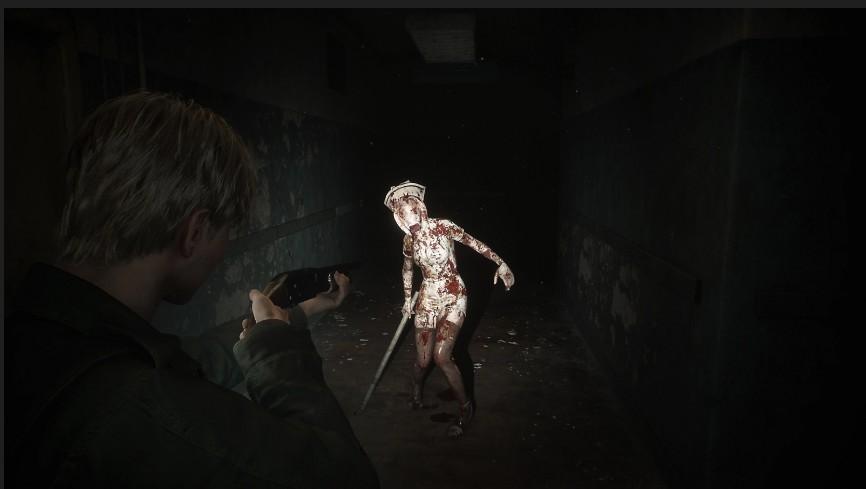
There’s a visceral violence and rage woven directly into the gameplay, tied closely to character development. No punches are pulled on the game’s dramatic central themes, and no time or expense is spared in the presentation. Everything feels deliberate, considered, and admirable. Where much of the original’s charm came from technical limitations and abstraction, modern tech here puts everything front and center with no place to hide.
Despite the overt violence, gore, and disturbing imagery, the remake retains a level of subtlety so often missing from Western-developed horror titles. And of course, it wouldn’t have been the same without original composer and producer Akira Yamaoka back on board. He could have simply recycled the old tunes and called it a day—but instead, his new work elevates the whole experience.
After such a great remake like this and then the also stellar and recently released Silent Hill f, survival-horror fans have a lot to be grateful for and, we don’t want to be greedy, but… Silent Hill, Silent Hill 3, Silent Hill 4, Silent Hill: Origins remakes right now please, thanks.
Happy Halloween!
So there you have it. A basket full of absolute horror treats, no tricks and certainly no rotten eggs. Who knew the Nintendo GameCube could deliver so many spooky classics? That Capcom could kick out quite so many survival horror games you’d never even heard of? And just what kind of rituals are being carried out to make all these modern horror remakes quite so brilliant...?
Looking for your next horror game fix, rare scary gaming merchandise, or just eager to haunt the listings of the Japanese retro gaming market? Let ZenMarket help with your next purchase!