Introduction
Japan's love for detail and appreciation of beauty is no secret, and the art of Japanese miniatures is testament to this. From the intricate carvings of netsuke, through to the serene artistry of bonsai, and on to modern-day miniature art-forms such as DIY doll houses, Japanese miniatures are the result of centuries of refined craftsmanship and tradition.
In this article we explore the various types, techniques, and history of these miniature marvels, while also recommending where to source some of the best contemporary Japanese miniatures available today.
Types of Japanese Miniatures
Whether you're a collector, enthusiast, or simply curious, there's always more to discover in the fascinating world of Japanese miniatures. Let’s take a look at some of the main types of Japanese miniatures from the past to the present day.
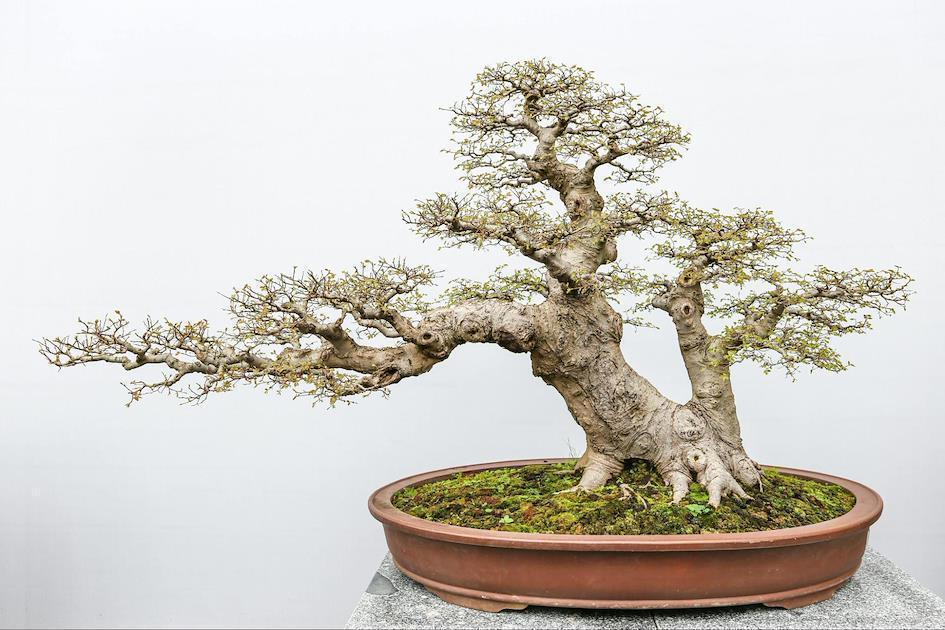
A bonsai tree. Photo credit: Fei Wang via Pexels.
Bonsai is the art of growing miniature trees in shallow containers while maintaining the proportions of full-sized trees. The goal is to create living sculptures that realistically represent mature trees and convey beauty, harmony, and balance. This is achieved by a combination of green-fingers and artistry; carefully pruning and shaping the miniature trees to obtain the desired effect. Unsurprisingly, it is a practice that requires great patience and precision. Not to mention a profound understanding of horticulture.
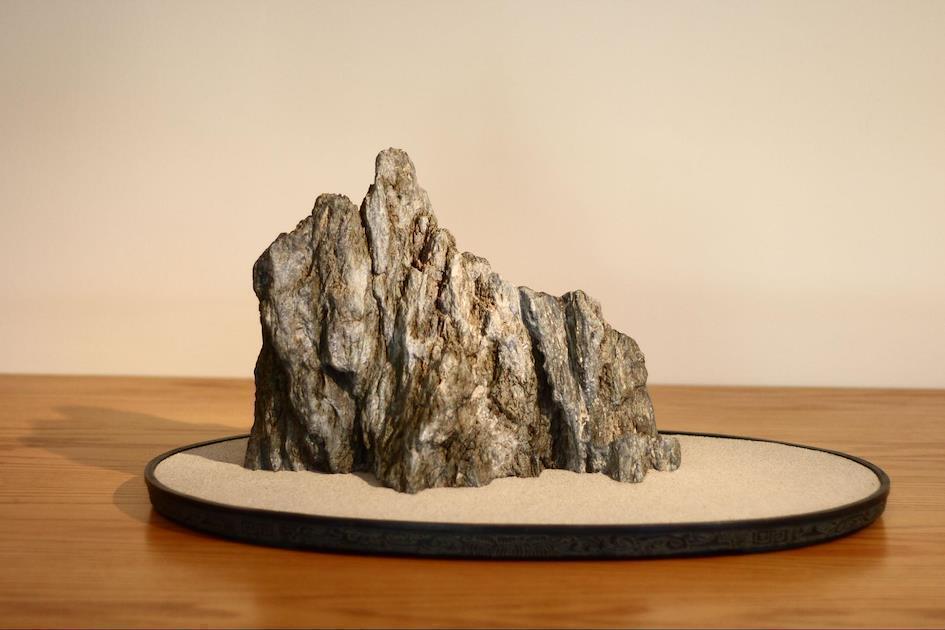
Most Japanese miniatures are crafted by hand, but Suiseki are naturally occurring stones valued for their resemblance to large rocks, mountains, or waterfalls. True connoisseurs believe Suiseki should not be reshaped or altered, except for the cutting of a flat base to facilitate display.
Kimonos may be beautiful, elegant attire, but they don’t have pockets. This led to the invention of an item called an inro: a small multi-compartment container, often made of lacquered wood, that was used by Japanese men to carry seals, tobacco, medicine and other important items around with them. The inro was worn at the waist, attached to a cord tucked into the obi sash of the kimono. The other end of the cord was hooked above this waistband by means of a counterweight or toggle called a netsuke.
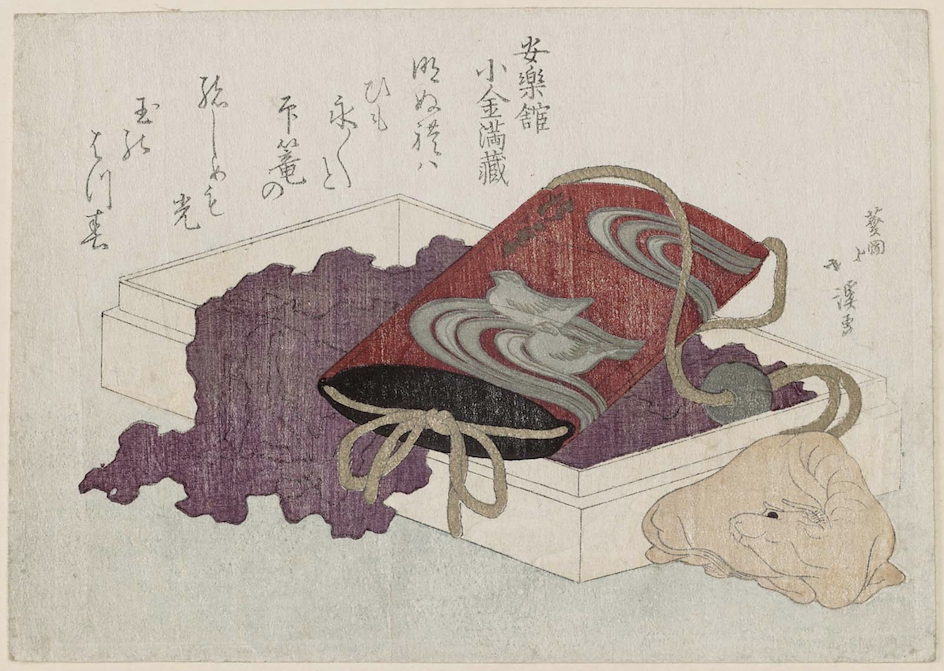
A red inro with its gray netsuke (right) as seen in the print "Surimono with design of inro" by Totoya Hokkei
The only strict criteria for a netsuke is that it should have a hole through it to secure the cord to. Other than that, though, the shape and look of a netsuke is entirely open to individual interpretation.
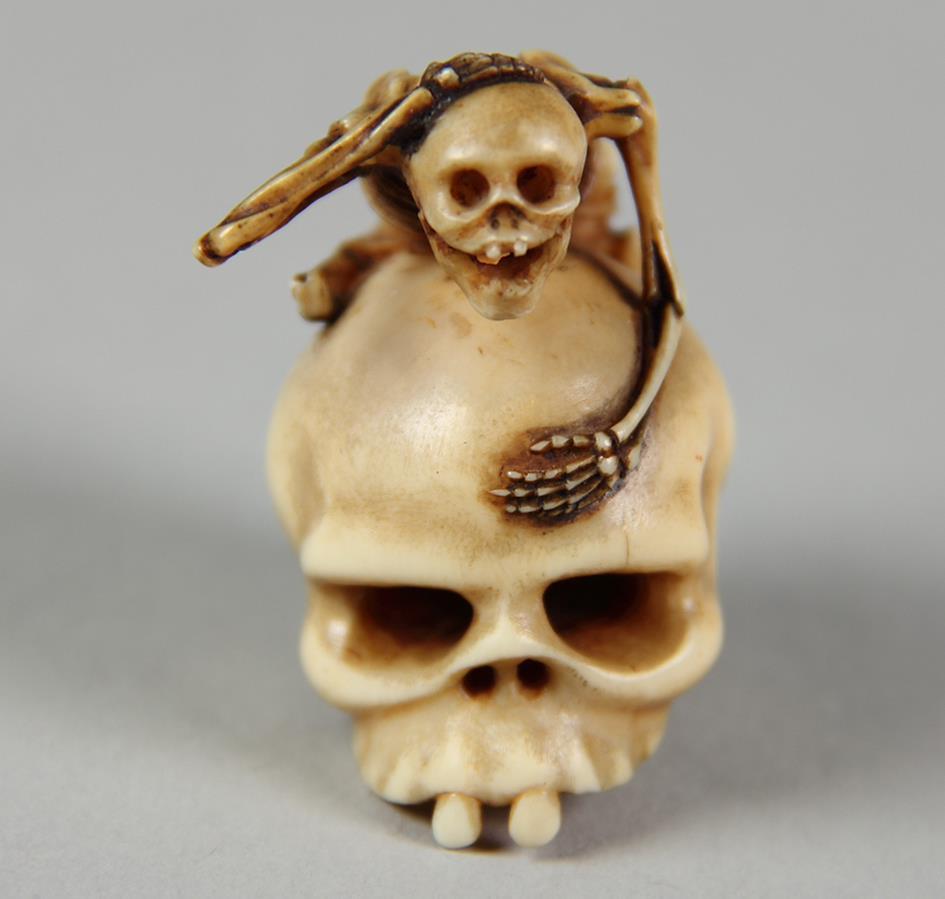
A Japanese miniature netsuke in the form of a skeleton sitting on a skull.
Free from strict rules, netsuke evolved from simple beads and gourds into intricate miniature artworks, often crafted from luxurious materials like rare woods or ivory. This freedom allowed artisans and wearers to express their creativity in diverse ways. Netsuke could take any form; from animals and ordinary people to ornate religious carvings or humorous caricatures of the ruling classes.
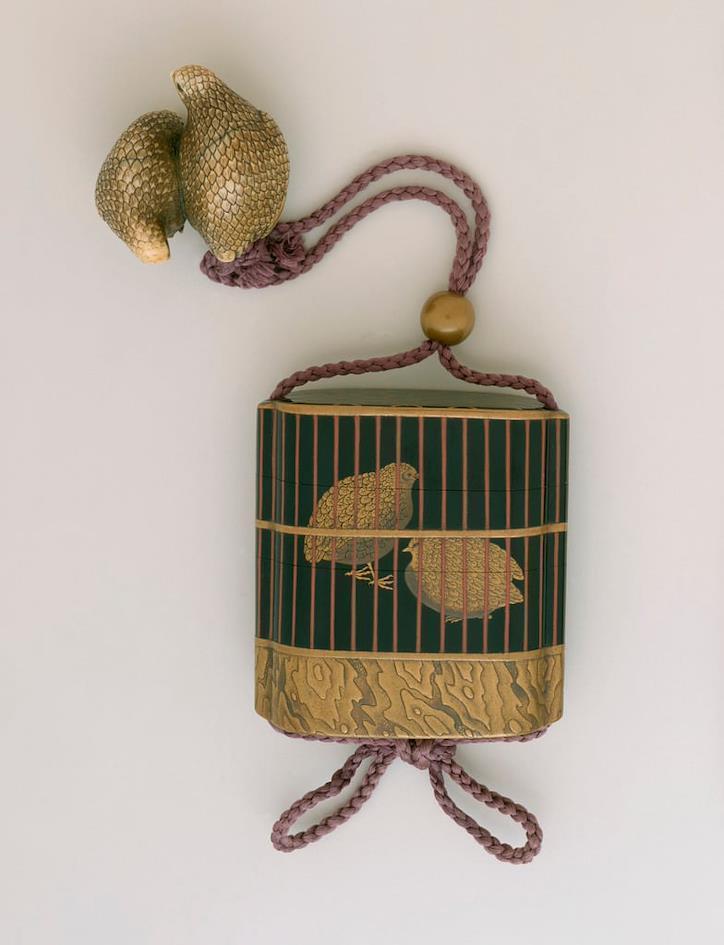
A birdcage-themed inro with a netsuke in the shape of two carved birds, from the collection of LACMA.
Netsuke are the OGs of Japanese miniatures. Over time they have acquired considerable cultural significance and today they are highly collectible, with some worth incredible sums of money. Not bad for something that started out as a humble little doodad on the end of a rope!
Model Trains
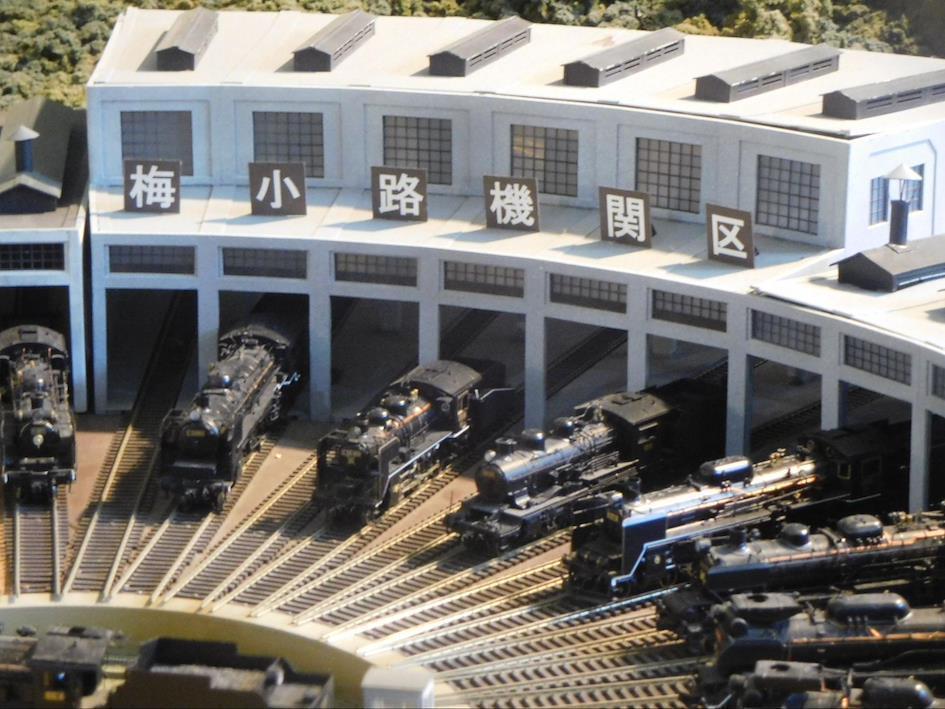
Though model train sets originated abroad, the hobby quickly became popular in Japan; perhaps the only Asian country where "trainspotting" or "railfanning" is widely practiced. Japanese model train sets typically come with more pieces than their Western counterparts, offering greater detail and realism.
Capsule Toys
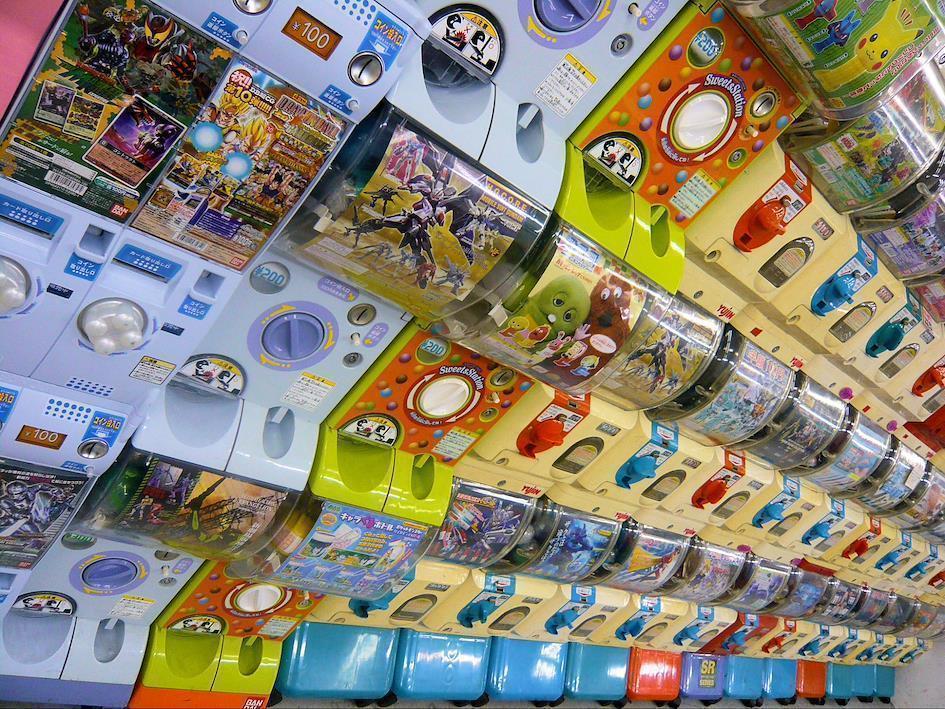
Capsule toy vending machines in Osaka. Japan. Photo credit: DocChewbacca via Flickr.
Commonly known by brand names like Gashakoko, Gashapon, and Gacha-Gacha, capsule toys are Japanese miniatures dispensed in small capsules via vending machine. Originating in early 20th century America, these toys remain popular in Japan, where interest in anime characters and robots spans all age groups. Japanese capsule toys are generally of superior quality and display much greater detail compared to their original American counterparts.
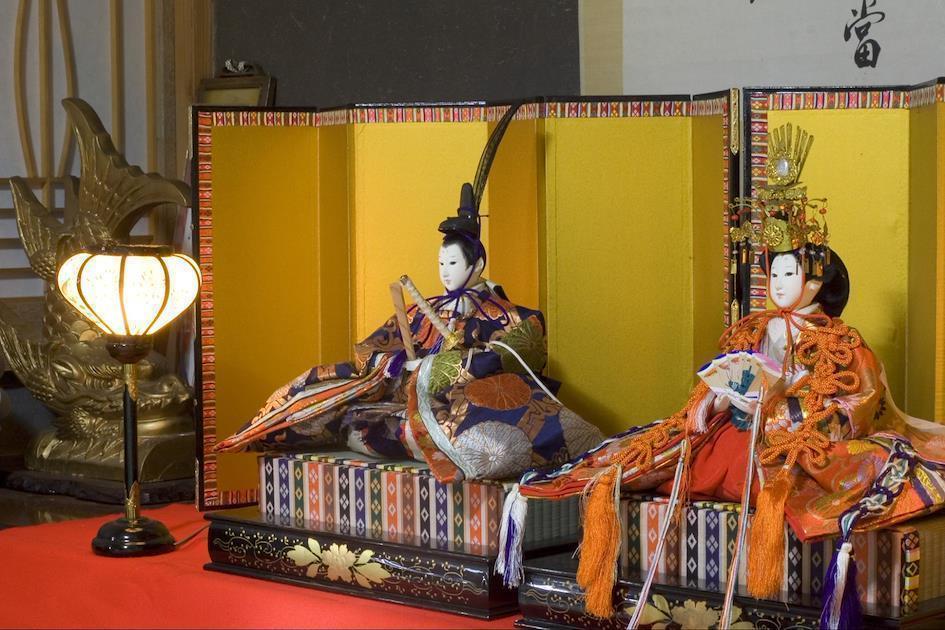
Lavishly dressed Japanese miniatures called Hina dolls.
Japan has a rich history of doll-making, with Kokeshi and Hina dolls being notable examples. While Kokeshi dolls are largely featureless and cylindrical, with simple painted faces, Hina dolls are more elaborate and come dressed in exquisite miniature kimonos.
Modern Japanese dolls, such as ball-joint-dolls (BJDs), are highly desirable, customizable collector's items, often purchased by adults. The appeal of these dolls largely lies in dressing them, and contemporary Japanese makers offer a wealth of artisanal miniature accessories, covering everything from clothing to weapons.
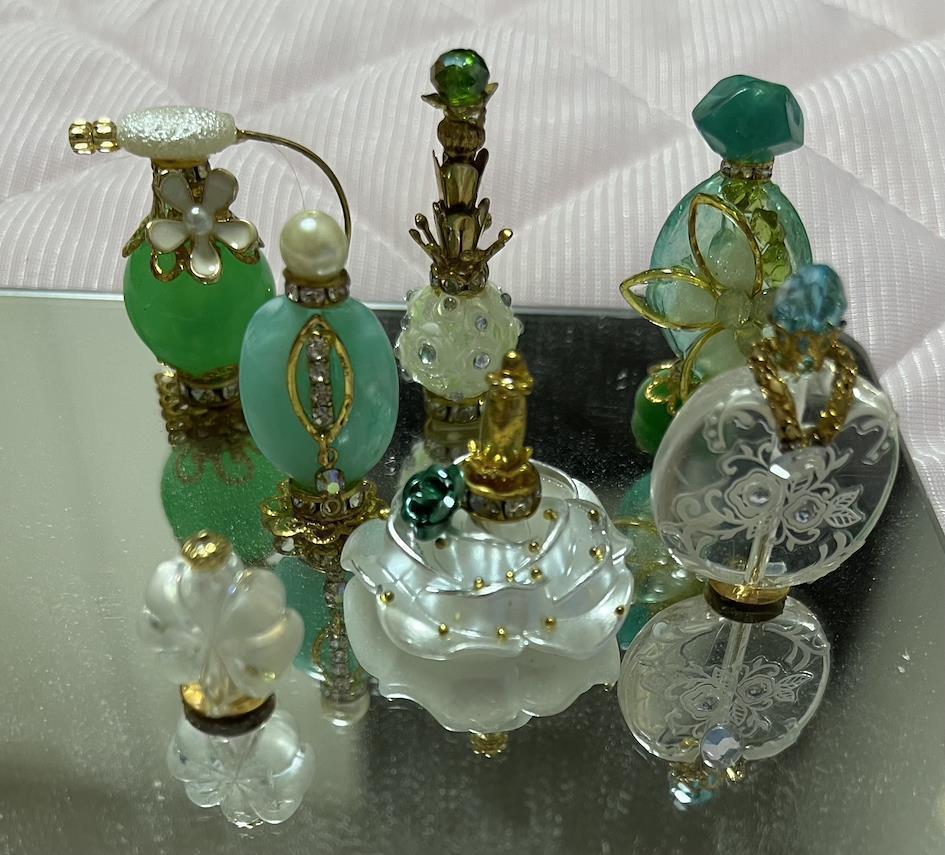
Minne.com is a great source for high quality handmade doll’s accessories. Items on offer range from the utterly charming mini perfume bottles seen above to sumptuous leather handbags and suitcases, handcrafted leather shoes (here and here), checked blankets, guitars, and even super realistic miniature smartphones.
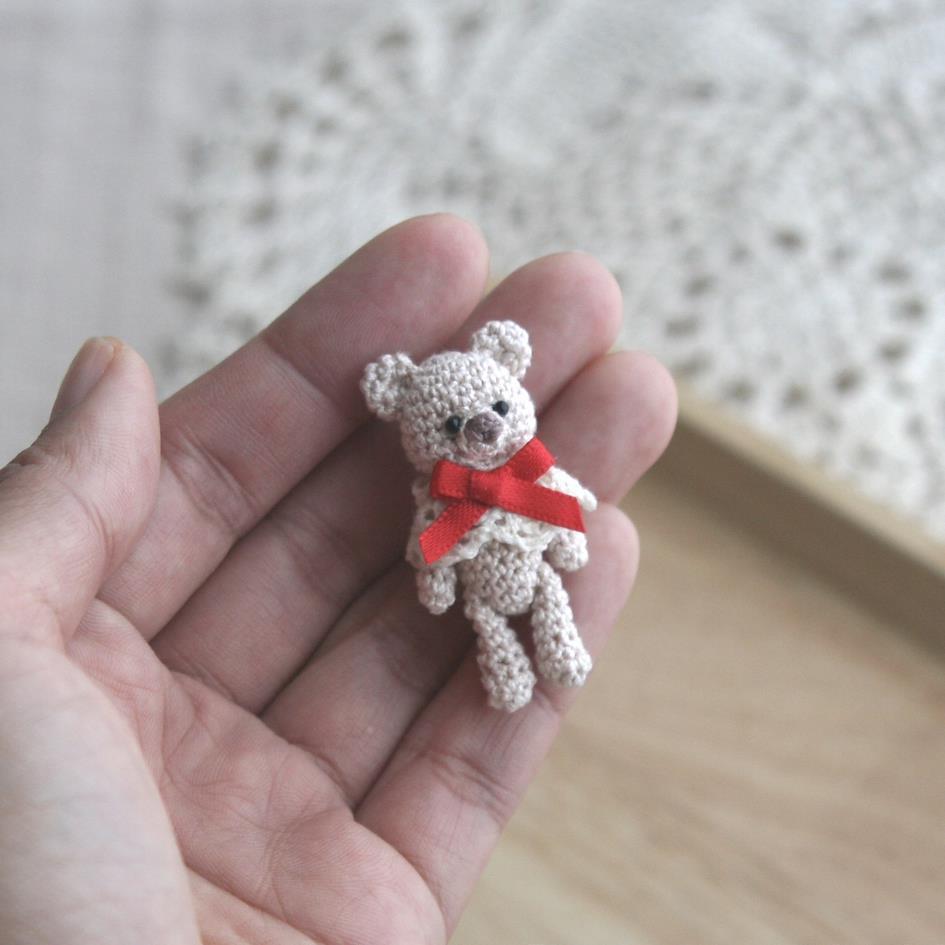
Beyond clothing and accessories, though, dolls also need some cuddly company to snuggle up to. And this adorable little hand-knitted bear is just waiting to be adopted by a new miniature owner.
Considering the nation's doll-making skills, it’s no surprise that Japan also excels in producing intricate and realistic dollhouses. Though this art form originated in Europe and only reached Japan in the 19th century, Japanese artisans have elevated it to new heights. Consequently, Japanese DIY miniature dollhouse kits are highly sought after worldwide.
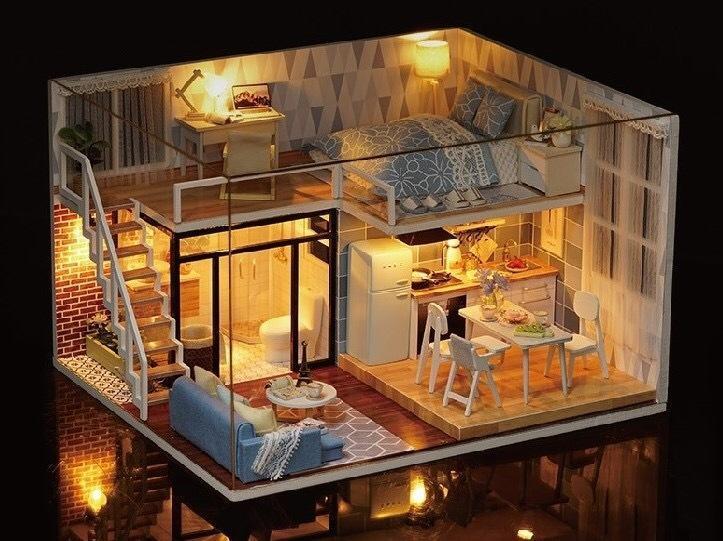
Japanese miniature dollshouses are also pretty much unchallenged in terms of how small and detailed they can be. Take the contemporary masterpiece above, for example, which can be held in one hand!
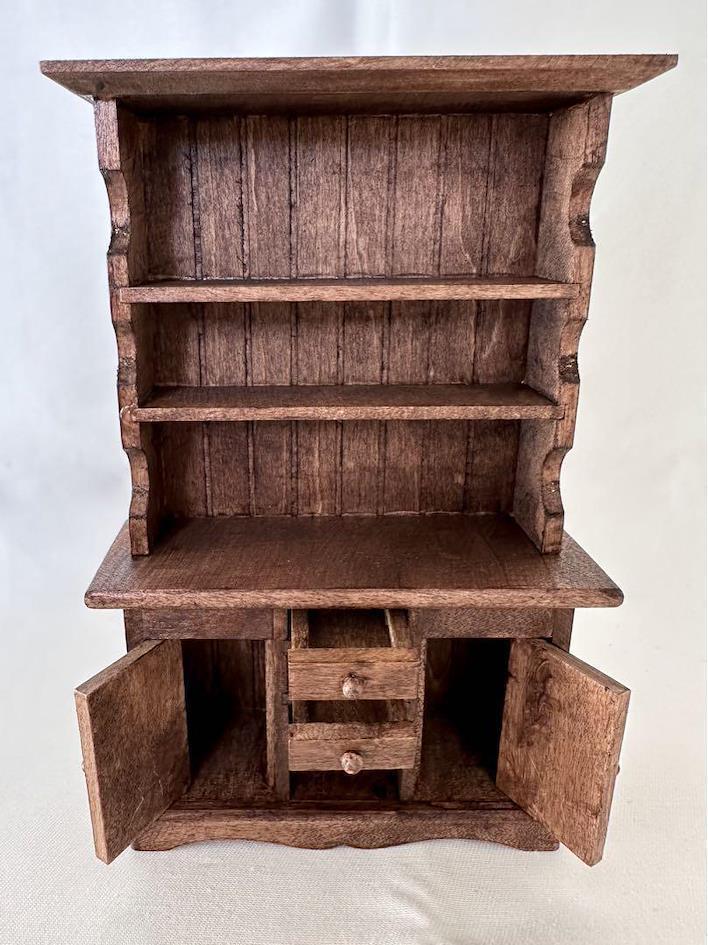
No matter how impressive your doll’s house itself is, though, it’s the details that really count. So be sure to furnish yours in style with beautiful handcrafted miniature furniture from Minne.com. No self-respecting modern doll would be without a good floor-length mirror, for example. Or, if you strive for a more traditional look, there’s the delightful antique cabinet pictured above.
And if you’re a little meta, then perhaps your doll’s house itself needs a doll’s house? No problem, you’ll find it here!
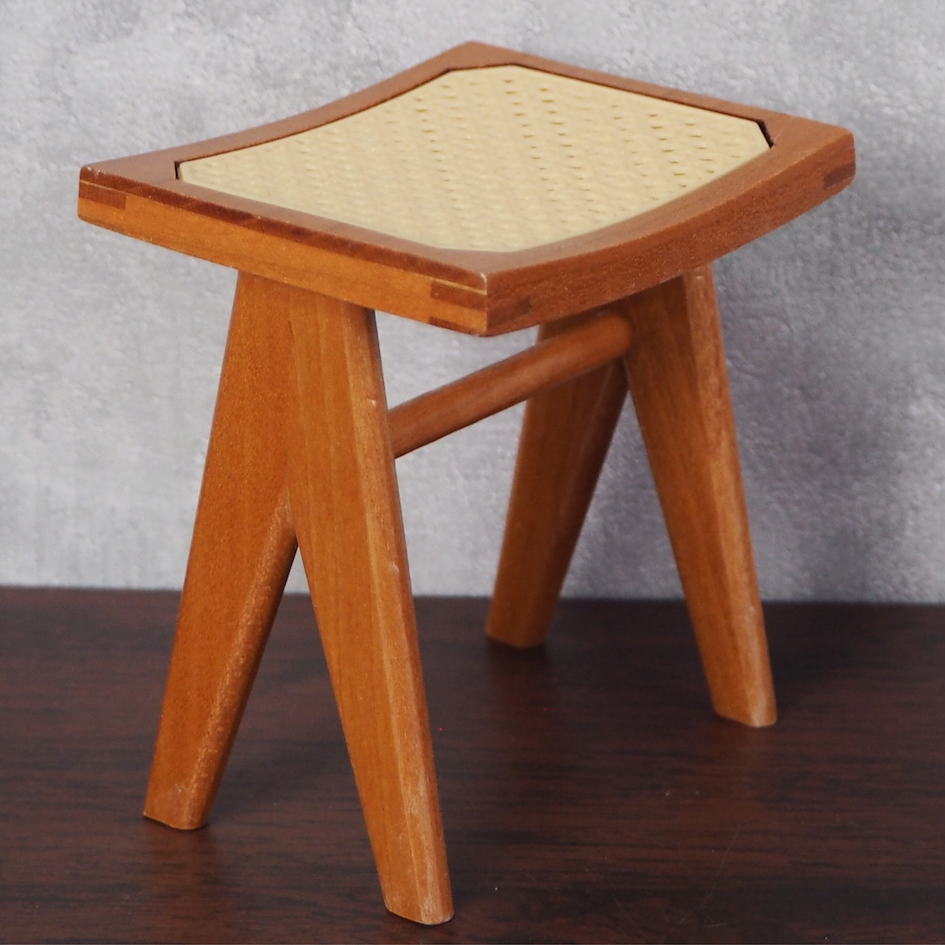
Changing things up a little, try this rustic Japanese miniature stool (above) for size; equally appropriate for creating a traditional Japanese atmosphere as it is for suggesting a chic mid-century vibe. And continuing the minimalist theme, this stylish miniature dining room table comes in kit form and would look just as at home in a Scandinavian setting as a Japanese one.
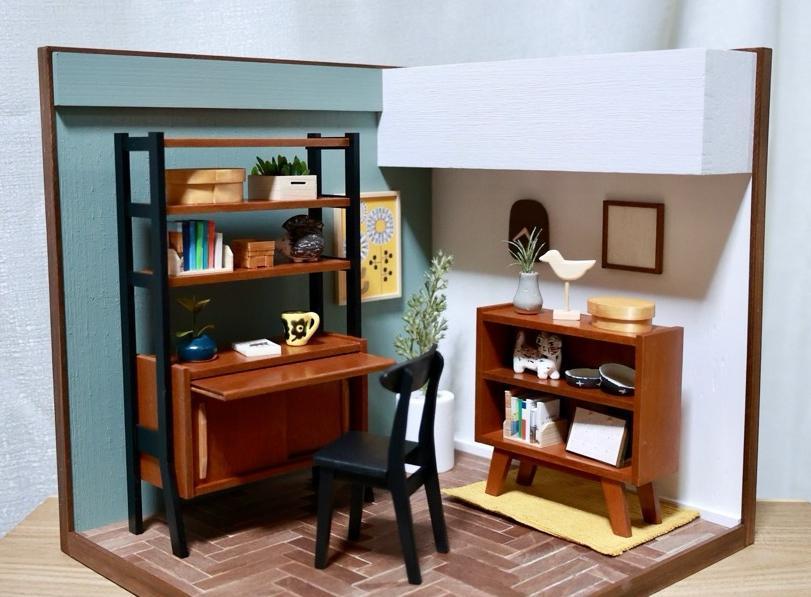
Talking of which, dolls with a penchant for Nordic design will love this modernist bachelor(ette) pad. Although not a full doll’s house, this exquisite Japanese Miniature faithfully recreates the corner of a fashionable 60s-style room – complete with fully moveable furniture and accessories.
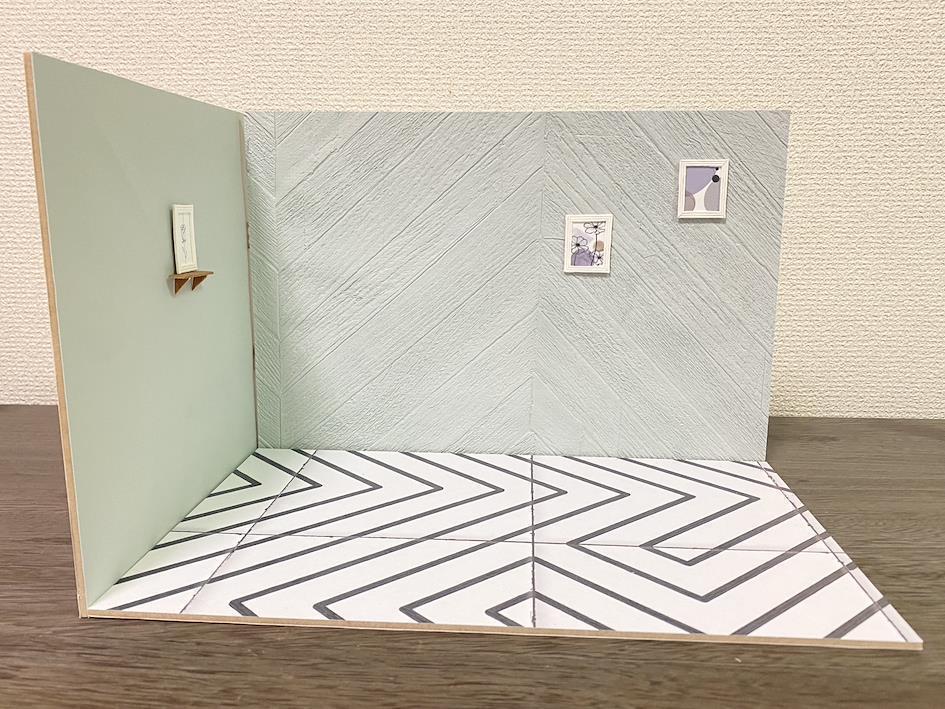
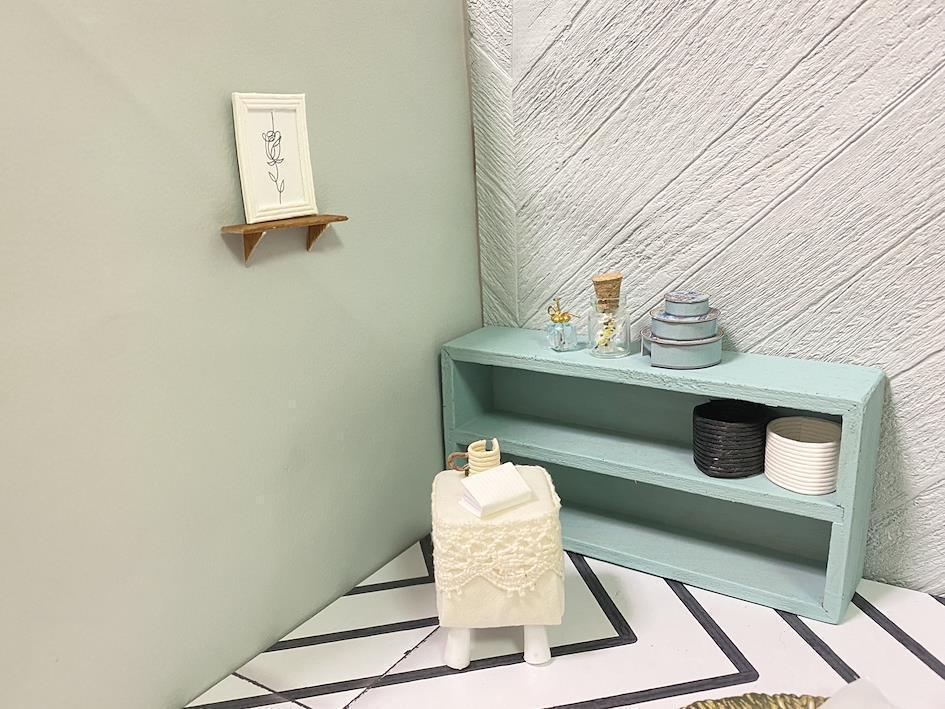
We live in a world of carefully curated appearances, however, and things are not always as they seem. For “influencer” dolls looking to step up their “personal branding,” it’s not actually necessary to own a house at all; those pesky walls will only get in the way of the camera lens anyway! Better to opt for this practical doll’s house studio set instead.
For fans of Japanese miniatures planning to visit the country, the Doll House Museum Hakone is a must-see destination. The only museum of its kind in Japan, the director spent over 20 years collecting the miniatures on display and the permanent exhibit contains two of the largest collections of miniatures in the world.
Arguably, Japanese miniature model-making reaches its obsessive apex in the form of dioramas: detailed 3D scale models, typically depicting urban scenes, to an amazing degree of detail and realism.
While dioramas are practical for architecture and urban planning, Japanese diorama artists are best known for their work in less utilitarian areas. Of these, perhaps the most acclaimed is Takuji Yamada, whose intricate dioramas depict everything from US President John F. Kennedy sitting in his office, through numerous fantastical sci-fi scenes, to a self-portrait of the model-maker himself sitting at his model-making table…working on a model of himself sitting at his model-making table!
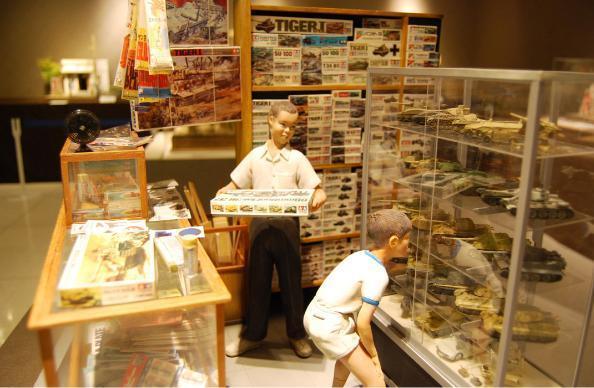
One of Takuji Yamada’s dioramas on view at Hamamatsu Diorama Factory. Image credit: inhamamatsu.com.
Over 40 of Yamada’s works are viewable at the Hamamatsu Diorama Factory in Shizuoka. Meanwhile fans of Japanese miniatures visiting Tokyo will want to check out the Small Worlds Miniature Museum, which includes vast dioramas of Kansai International Airport, a space center, and landmarks from countless cities from around the world.
Model-makers looking to add greater realism to their dioramas are well catered for by Minne, too. Take this chic wood-burning stove for example. Or this somewhat less chic, but nonetheless highly convincing, miniature toilet!
Looking to create a summer beach scene? On Minne.com you’ll find everything from miniscule iced drinks and surfboards to concrete wave breakers. Who knew?
And finally, who could say no to a cool $20,000 in cash – no matter how small!

Sure to elicit cries of "kawaii!", micro-sized food models are among the most popular Japanese miniatures. While Japanese restaurants have been displaying full-size realistic models of menu dishes for 100 years already, the phenomenon of miniature Japanese food is more recent. We can't get enough of it!
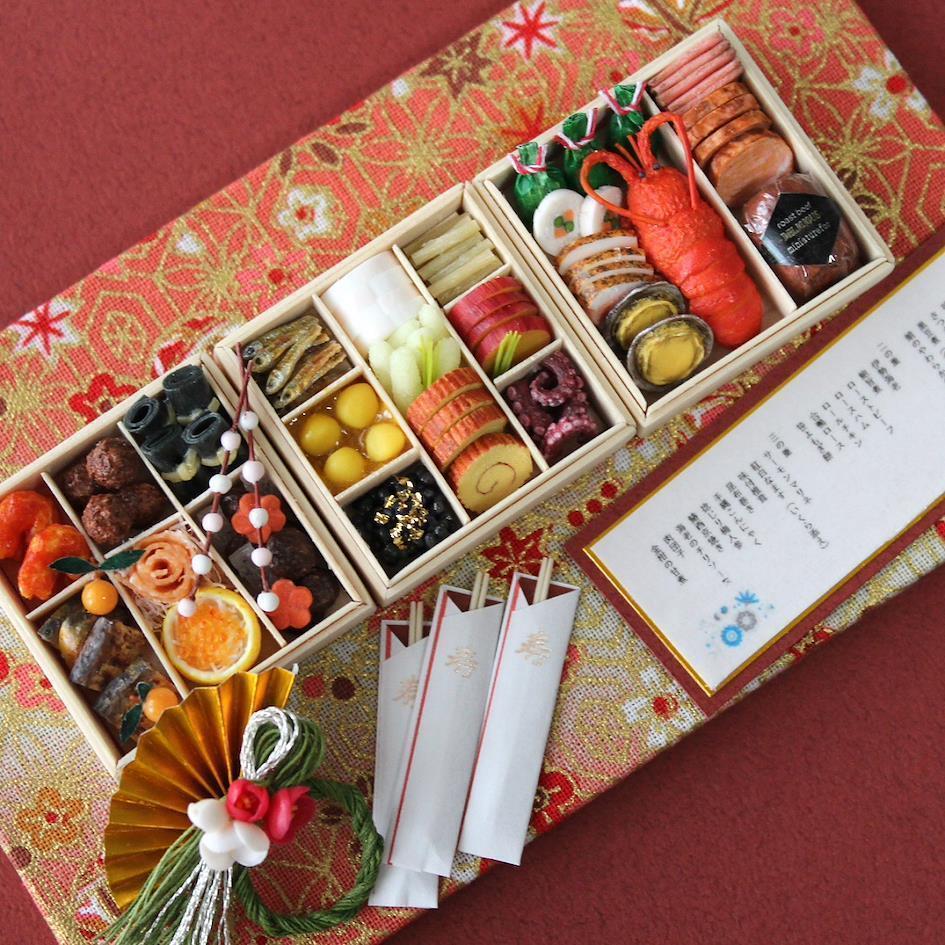
Indeed, while these Japanese miniatures from Minne might not satisfy stomachs, they are a total feast for the eyes. Particularly this sumptuous bento spread; all set for a special occasion.
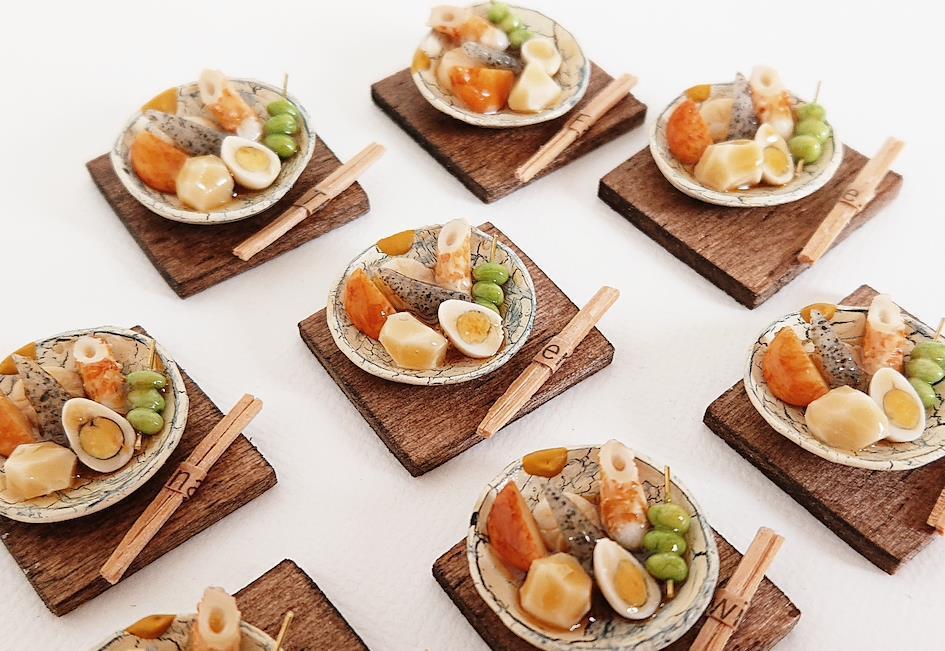
Fancy something a little lighter? How about these teeny soba noodles topped with miniature shrimp tempura? Alternatively, Oden is always a favorite in Japan, and these miniature nabemono dishes (above) have certainly got us salivating.
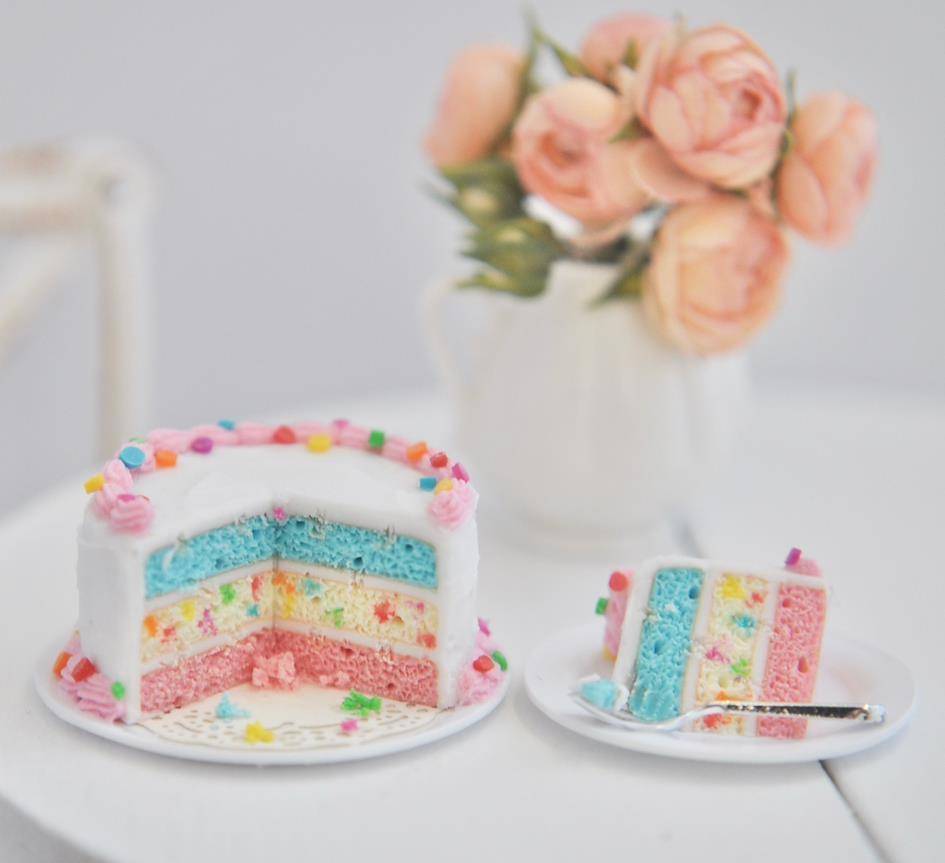
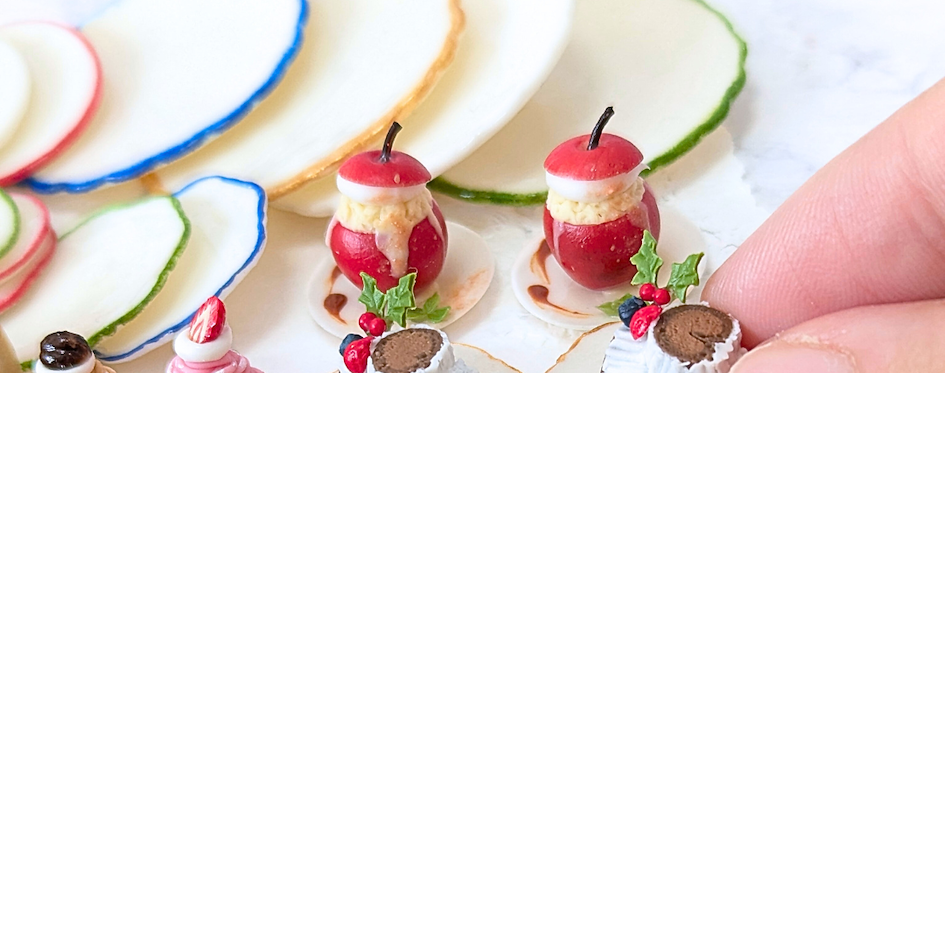
And for dessert? This colorful handmade cake looks rather moreish. Or perhaps some exceptionally “petit” patisserie is more to your liking?
Not got much of a sweet tooth? How about some mouse-sized cheese instead?
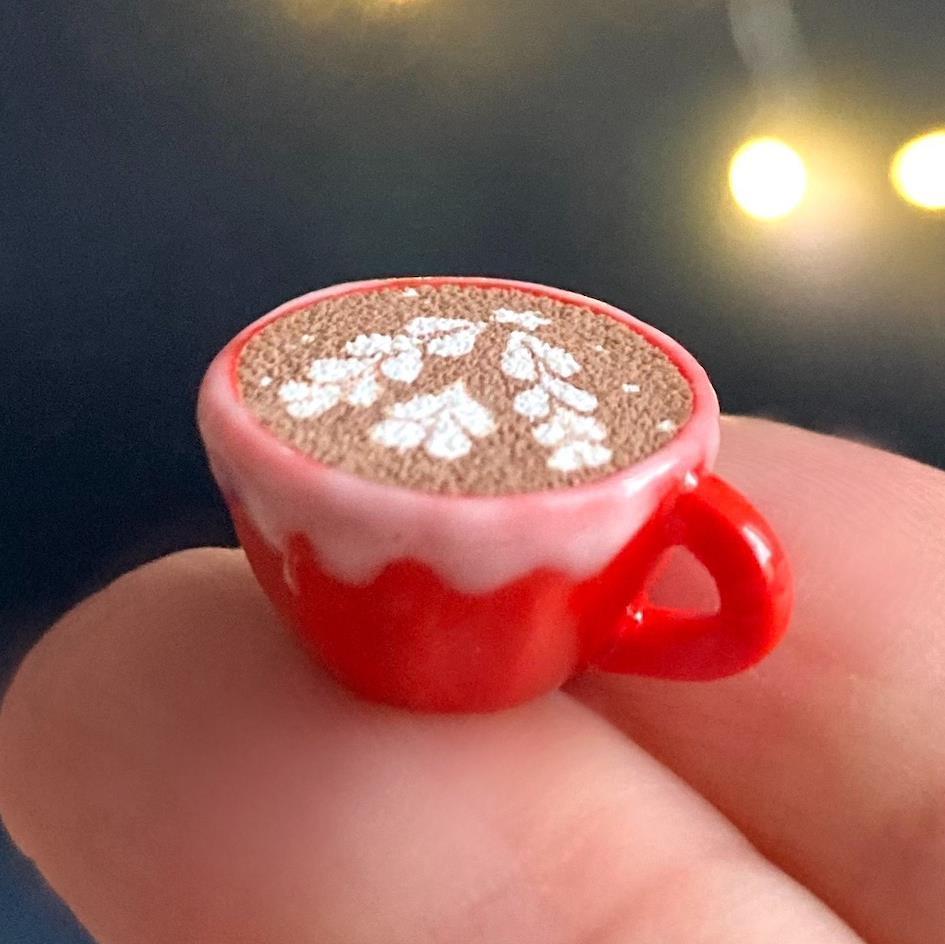
Care for coffee? It doesn’t get much more “piccolo” than this. Or maybe you crave something a little stronger (and also have a penchant for handmade earrings)? In which case you might enjoy these “beerrings.”
Finally, as no Japanese meal would be complete without a glass of iced water, be sure to get your mini version here!
Not all Japanese miniature food is inedible, however, and one of the more surprising YouTube successes of recent years has been the genre of miniature cooking videos.
In fact videos such as the one above – showing the preparation of “curry rice” using real ingredients and miniature utensils – account for a surprisingly high percentage of food-related YouTube views.
Conclusion
Japanese miniatures offer meticulous craftsmanship, fascinating historical significance, and great cultural richness all in a single tiny package. From the detailed carvings of netsuke, to the charming simplicity of Kokeshi dolls or kawaii-inducing dollhouse accessories, these miniature wonders continue to captivate and inspire. And in many ways Japanese miniatures reflect the essence of Japanese culture more generally – finding beauty in the small, intricate, and meaningful.
Although overseas customers can't purchase directly from Minne.com, they can use ZenMarket – where Minne is a preferred partner with its own dedicated store. ZenMarket offers automatic translation, one-click ordering, and secure international shipping, making it easy to buy beautifully crafted Japanese miniatures from Minne, wherever you live (for more detailed info about how to order from Minne via Zenmarket, take a look at this tutorial).
We hope you’ve enjoyed this guide to Japanese miniatures. Sign up for a ZenMarket account now, before browsing some of the literally thousands of Japanese miniatures available from the Minne store on ZenMarket.
Have you signed up for ZenMarket yet?
ZenMarket is the place to get your hands on goods directly from Japan!
Sign up for FREE now